Music accessories people replace too often and why
Many players replace music accessories far more often than necessary, spending extra money without improving tone, comfort, or reliability. From cables and strings to straps, picks, and cases, understanding what actually wears out—and what just gets replaced out of habit—can help buyers make smarter decisions. This guide explores why certain music accessories are changed too frequently and how to choose longer-lasting options.
Why replacement habits vary so much by use scenario
Not all music accessories face the same stress. A hobby guitarist practicing 3 hours per week, a touring keyboard tech handling 5 venue changes in 7 days, and a school music department managing 40 student users will wear through accessories at very different rates. That is why replacement decisions should be based on usage intensity, storage conditions, handling discipline, and performance risk rather than routine habit alone.
For information researchers, this matters because music accessories are often sourced in mixed commercial environments. A distributor, education buyer, venue operator, or retail planner may manage strings, patch cables, stands, reeds, cleaning items, straps, and protective cases across several user groups at once. In these cases, replacing too early raises annual operating cost, while replacing too late increases failure risk during rehearsal, lesson time, rental turnover, or live events.
The most common mistake is treating all accessories as either disposable or permanent. In reality, most items fall into one of three categories: consumables with predictable wear cycles, durable items with maintenance needs, and condition-based items that only need replacement after clear functional decline. Knowing which category applies is the foundation of smarter music accessories planning.
Three forces that drive over-replacement
- Habit buying: players replace accessories on a calendar schedule instead of checking real wear indicators such as oxidation, signal drop, pad compression, or seam damage.
- Low entry price perception: small-ticket items like picks, capo pads, adapter leads, and cleaning cloths feel inexpensive individually, but over 12 months the waste becomes significant.
- Mismatched product grade: light-duty music accessories are often used in high-frequency commercial scenarios, forcing premature replacement that is blamed on the category rather than the specification.
In B2B sourcing, the goal is not simply to buy accessories that last forever. The goal is to match durability, comfort, replacement interval, and cost per use to the actual application. A practice room may prioritize affordability and easy replenishment, while a stage rental provider may value strain relief, protective materials, and failure prevention over initial price.
Typical scenarios where music accessories get replaced too often
The following scenarios show why buyers often misjudge replacement frequency. The same cable, strap, string set, or mouthpiece patch may perform very differently depending on user behavior, transport routines, humidity exposure, and supervision quality. Reviewing accessory use by scenario creates a more practical sourcing standard than relying on generic advice.
This comparison is especially useful for mixed-sector buyers in commercial trade, where hospitality venues, music retail spaces, educational institutions, and entertainment operators often purchase overlapping music accessories but apply them under very different conditions.
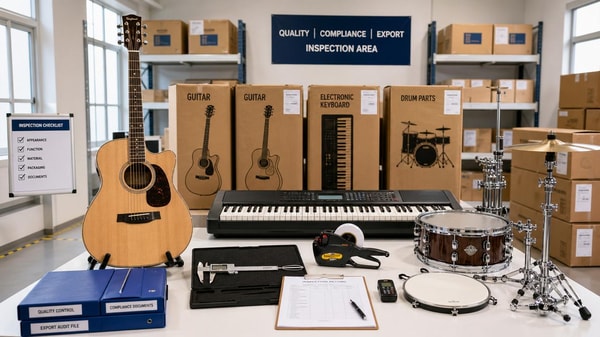
The table shows an important pattern: over-replacement often comes from uncertainty. When users do not have a clear inspection process, they replace accessories too soon to avoid inconvenience. A simple condition checklist can cut unnecessary purchasing without increasing operational risk.
Scenario 1: Home and studio players
In lower-intensity use, many music accessories age slowly. Instrument cables stored properly can remain reliable for 2 to 5 years, while a padded strap may last much longer if stitching stays intact and sweat exposure is low. Yet many players replace these items after only a few months because of cosmetic scuffs, social media recommendations, or a belief that “new” always sounds better.
Strings are the obvious exception, but even here usage matters. A player rehearsing daily under hot stage lights may need more frequent changes than a hobbyist playing twice a week in climate-controlled conditions. The practical rule is to evaluate tuning stability, loss of brightness, feel, and visible corrosion rather than follow a universal schedule.
For studio users, accessories such as adapters, DI-related patch leads, and headphone extension cables are often replaced because of intermittent signal issues that actually come from bad coiling, excessive tension, or poor connector storage. Better cable management typically improves service life more than buying new stock.
Scenario 2: Schools, academies, and shared learning spaces
Educational environments create a different challenge: shared use can shorten accessory life, but not every item needs aggressive turnover. Music accessories linked to hygiene, such as certain wind-instrument contact materials or student headphones, may justify a shorter replacement cycle. By contrast, stands, tuners, clip holders, and storage pouches are often discarded early because of minor cosmetic damage that does not affect function.
The key distinction is between user-contact consumables and institutional hardware. A school department serving 100 to 300 students per term should standardize a maintenance review every 4 to 8 weeks. This approach reduces ad hoc buying and helps procurement teams forecast annual accessory demand more accurately.
Another common issue is purchasing low-grade music accessories designed for personal use and placing them into high-turnover classrooms. That usually creates a false impression that the category itself is disposable. In reality, higher-denier bag fabric, reinforced stand joints, thicker cable jackets, and replaceable contact components may deliver a lower cost per semester.
Scenario 3: Venues, event operators, and rental fleets
In live settings, replacement decisions should be driven by failure risk. A cable that works in a private practice room may be unacceptable for a venue if connector strain, repeated load-in cycles, and fast stage turnover make failure more likely. That does not mean replacing after every event; it means grading music accessories by mission-critical importance.
For example, adapters, power distribution accessories, and instrument leads used across 20 to 50 events per quarter deserve routine testing and retirement thresholds. Cases and gig bags should be judged by zipper integrity, handle security, and corner protection rather than surface wear. A faded exterior is less important than damaged padding or compromised stitching.
Rental providers also benefit from separating front-line stock from backup stock. Accessories with mild wear but full function can move into non-critical reserve use instead of being discarded. This extends the purchasing cycle without weakening service reliability.
Which music accessories truly wear out, and which ones mostly suffer from bad handling
A useful sourcing method is to classify music accessories by failure mechanism. Some items naturally degrade through friction, compression, moisture, or material fatigue. Others mostly fail because users bend them incorrectly, overload them, or store them in humid or dusty conditions. That distinction matters when setting reorder plans and training users.
The table below helps buyers identify where replacement is normally justified and where maintenance or upgraded specification is usually the better answer.
This kind of classification is particularly helpful for wholesale buyers and sourcing teams. It allows them to build two purchasing lists: scheduled consumables and inspection-based replacements. That simple separation often reduces emergency buying and improves stock planning over a 6- to 12-month cycle.
Why cables are a frequent example
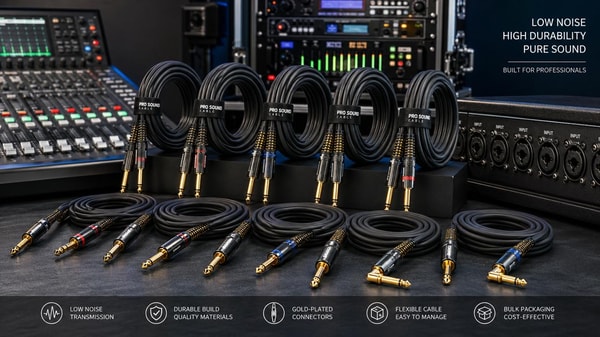
Many users assume cables are short-life music accessories, but failure is often linked to handling. Tight over-under mistakes, hard pulls from the connector head, and unsupported hanging weight cause damage much faster than normal signal transmission. In commercial use, specifying molded strain relief, adequate jacket thickness, and connector protection usually matters more than buying the cheapest cable in higher volume.
In larger operations, basic testing every 30 days for front-line performance stock and every 90 days for backup stock can reveal whether replacement is genuinely needed. This is more efficient than replacing whole batches because a few units failed.
Practical signs of true end-of-life
- Repeated signal interruption after connector cleaning and re-test
- Visible separation at seams, jackets, or stress points
- Loss of structural stability in stands or locking parts
- Tonal or tactile decline that materially affects playing consistency
How to choose longer-lasting music accessories for each application
Choosing durable music accessories is not simply a matter of buying premium products. It is about selecting the right construction features for the actual environment. Buyers should compare use frequency, transport intensity, user skill level, cleaning routine, and storage conditions before deciding on material grade or replacement stock level.
For example, an education buyer may benefit more from standardized mid-grade accessories with replaceable parts than from mixed premium items that are difficult to replenish. A live venue may need fewer but tougher accessories, with better reinforcement and tested compatibility. A retail store that supports demonstrations may need music accessories that tolerate frequent handling while still presenting well on display.
The selection framework below is useful across sourcing, distribution, venue supply, and institutional procurement.
Application-based selection checklist
- Map the accessory to use frequency: daily, weekly, seasonal, or event-based.
- Identify the main wear source: sweat, compression, flexing, impact, moisture, or poor storage.
- Define acceptable failure risk: home use, classroom continuity, or mission-critical stage use.
- Check whether maintenance can extend life: cleaning, part replacement, proper coiling, or protective storage.
- Set reorder logic by batch size and lead time, especially if sourcing internationally with 30- to 90-day procurement windows.
Features that often justify a higher upfront cost
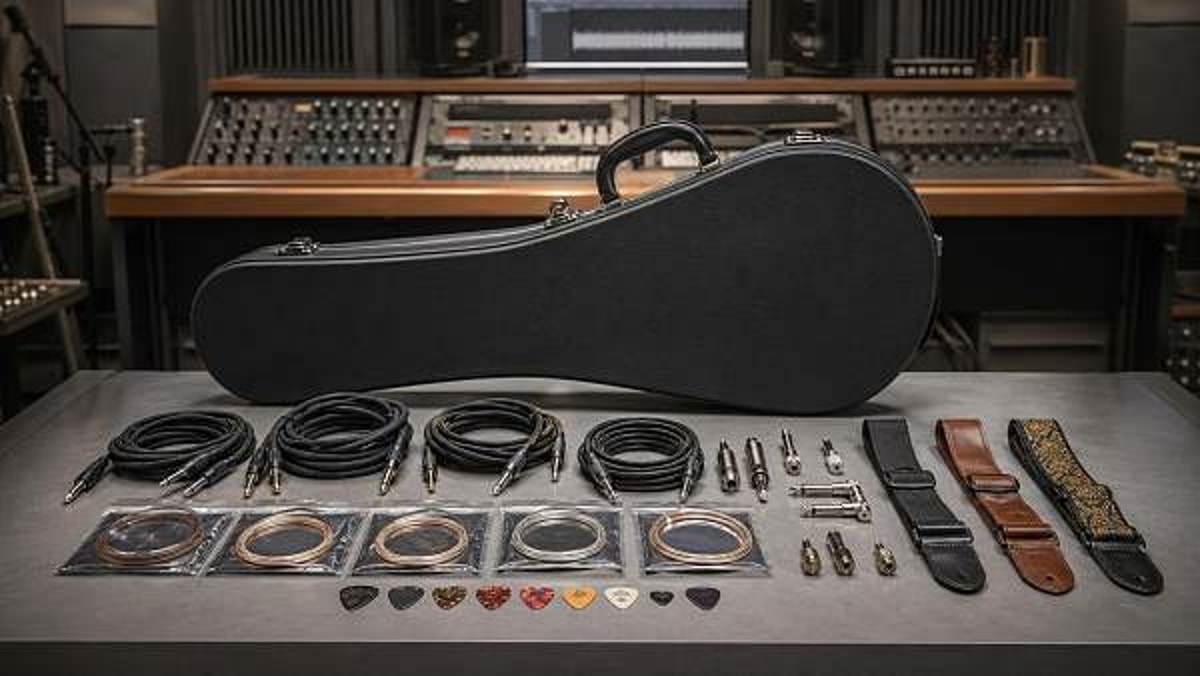
In commercial scenarios, some construction details consistently improve value. Reinforced stitching on straps and bags, denser padding on transport products, anti-kink cable jackets, corrosion-resistant metal parts, and replaceable cushions or contact elements can all lower cost per use. These features are most worthwhile when accessories are handled by multiple users or moved frequently between rooms, venues, or storage zones.
It is also wise to ask suppliers about packaging format, carton durability, unit labeling, and replenishment flexibility. For wholesale and institutional procurement, these operational details influence replacement efficiency just as much as product quality itself.
Where applicable, buyers may also request information on material consistency, connector specifications, maintenance guidance, and general compliance expectations for electrical or contact-related accessories. This is especially relevant when sourcing music accessories for education, hospitality entertainment spaces, or public-facing commercial environments.
Common misjudgments buyers make across different business settings
Even experienced buyers can over-replace music accessories when they focus too heavily on unit cost or visual appearance. In practice, the more useful questions are: what is the service environment, how many users will handle the item, how expensive is failure, and can maintenance or training extend life by 20% to 50%? These questions create better sourcing decisions than brand assumptions alone.
Another misjudgment is failing to distinguish between retail advice and operational advice. Recommendations aimed at enthusiasts do not always fit schools, rental providers, hotel entertainment programs, worship spaces, or multi-room venue operators. Commercial users need practical replacement logic tied to uptime, stock rotation, and lifecycle value.
A third issue is buying accessories without defining a spare ratio. In many use cases, holding 5% to 15% backup stock is more efficient than replacing active inventory too early. This is common with patch cables, adapters, picks, straps, and stand components where occasional failure can be covered by reserve units.
Where caution is most needed
- Shared-use environments where hygiene concerns may justify shorter cycles for some items but not for all accessories.
- Touring and rental operations where cosmetic wear is common, but structural wear is the real replacement trigger.
- Cross-border sourcing programs where long lead times require clearer forecasting of consumables versus inspection-based replacements.
For information researchers evaluating supply options, the strongest suppliers are usually those that can discuss music accessories not only by product category but also by application scenario, packaging method, replenishment rhythm, and customization feasibility. That makes it easier to build an accessory plan that suits real commercial use rather than generic retail demand.
Why work with a sourcing partner that understands application-specific accessory demand
When music accessories are purchased for commercial settings, the challenge is rarely limited to the item itself. Buyers often need support with product matching, specification confirmation, lead times, mixed-category sourcing, and packaging consistency across multiple destinations. That is particularly true for distributors, school systems, hospitality entertainment projects, and specialty retailers working with broad accessory lists.
Global Commercial Trade supports buyers who need a more structured sourcing view across pro audio and musical instrument categories. Instead of treating all music accessories as simple add-ons, we help frame decisions around use scenario, durability expectation, replacement logic, and supply reliability. This helps reduce mismatch between product grade and real operating environment.
If you are reviewing music accessories for institutional, venue, retail, or project-based procurement, contact us to discuss parameter confirmation, application-based product selection, delivery cycles, customization options, sample support, certification-related questions where relevant, and quotation planning. A scenario-led sourcing conversation can help you avoid unnecessary replacement cost while improving day-to-day reliability.
Search News
Hot Articles
Popular Tags
Need ExpertConsultation?
Connect with our specialized leisureengineering team for procurementstrategies.
Recommended News
 Apr 30, 2026How to vet a musical instruments exporter before first ordersmusical instruments exporter vetting guide: learn how to assess quality control, compliance, lead times, and supplier reliability before first orders.● Pro Audio Engineer
 Apr 30, 2026Instrument cables that reduce noise without overspendingInstrument cables that cut noise without inflating costs. Discover how buyers can choose durable, low-noise options for hospitality, schools, events, and commercial venues.● Pro Audio Engineer
 Apr 30, 2026Music accessories people replace too often and whyMusic accessories are often replaced too soon. Learn which items truly wear out, how to spot real failure signs, and how smarter buying can cut costs and improve reliability.● Pro Audio Engineer
 Apr 30, 2026Music production tools that actually speed up a home studioMusic production tools that truly speed up a home studio: compare workflow-saving gear, avoid costly mistakes, and build a faster, smarter setup with confidence.● Pro Audio Engineer
 Apr 29, 2026String Instruments Compared: What Really Affects Tone and DurabilityString instruments compared for tone and durability: learn how materials, construction, hardware, and setup affect long-term performance for schools, venues, rentals, and sourcing teams.● Pro Audio Engineer
 Apr 29, 2026Wind Instruments Maintenance Tips That Prevent Costly RepairsWind instruments maintenance tips that help teams prevent leaks, corrosion, and pad failure. Learn practical care steps to reduce repair costs and keep instruments performance-ready.● Pro Audio Engineer
 Apr 29, 2026Percussion Instruments Buying Guide: Sound, Build, and ValuePercussion instruments buying guide for schools, venues, and studios—compare sound, build quality, durability, and total value to source smarter and avoid costly mistakes.● Pro Audio Engineer
 Apr 29, 2026How to Find Reliable Musical Instruments WholesaleMusical instruments wholesale made safer: learn how to vet a musical instruments manufacturer, compare suppliers, and source reliable musical instruments for schools and bands with confidence.● Pro Audio Engineer
 Apr 29, 2026Musical Instruments for Schools on BudgetMusical instruments for schools on a budget: compare musical instruments for bands, wholesale options, and how to choose a reliable musical instruments manufacturer for lasting value.● Pro Audio Engineer
 Apr 29, 2026OEM or ODM Musical Instruments ManufacturerFind the right musical instruments manufacturer for bands, schools, and wholesale buyers. Compare OEM vs ODM options, customization, quality control, and sourcing strategies.● Pro Audio Engineer
 Apr 29, 2026Which Musical Instruments Fit Small BandsMusical instruments for bands: explore smart lineups for schools, venues, and buyers comparing musical instruments wholesale and a trusted musical instruments manufacturer.● Pro Audio Engineer
 Apr 29, 2026Musical Instruments Wholesale Buying GuideMusical instruments wholesale guide for bands, schools, and distributors: compare musical instruments manufacturers, MOQ, quality, compliance, and sourcing strategies for smarter bulk buying.● Pro Audio Engineer
 Apr 29, 2026How to Source Musical Instruments for SchoolsMusical instruments for schools: learn how to compare musical instruments wholesale options, choose a trusted musical instruments manufacturer, and source durable musical instruments for bands with confidence.● Pro Audio Engineer
 Apr 29, 2026How to Choose a Musical Instruments ManufacturerFind the right musical instruments manufacturer for bands, schools, and wholesale buyers. Compare quality, OEM/ODM options, compliance, and lead times to source with confidence.● Pro Audio Engineer
 Apr 29, 2026How to Choose Musical Instruments for BandsMusical instruments for bands guide: compare musical instruments manufacturer options, wholesale terms, and musical instruments for schools to source durable, high-value solutions.● Pro Audio Engineer
 Apr 26, 2026Musical instruments manufacturer compliance: EU RoHS vs. US CPSIA documentation gapsMusical instruments manufacturer? Close EU RoHS vs. US CPSIA documentation gaps—critical for bands, schools & trampoline park suppliers. Avoid disqualification.● Pro Audio Engineer
 Apr 26, 2026High-quality musical instruments: why serial number verification matters for resale valueHigh-quality musical instruments for bands and schools rely on serial number verification to protect resale value, authenticity, and compliance—trusted by top suppliers worldwide.● Pro Audio Engineer
 Apr 26, 2026Musical instruments supplier lead times: why 8-week delivery now means ‘in stock’Musical instruments supplier lead times hit 8 weeks—now meaning 'in stock.' Compare trampoline park supplier, indoor playground manufacturer & more for assured readiness.● Pro Audio Engineer
 Apr 26, 2026Musical instruments for schools: what happens when warranty service requires shipping overseasMusical instruments for schools & bands: Avoid costly overseas warranty shipping. Discover high-quality, service-backed instruments from trusted manufacturers and suppliers.● Pro Audio Engineer
 Apr 26, 2026Musical instruments manufacturer transparency: where are your components really made?Discover how top musical instruments manufacturer & trampoline park supplier ensure component transparency—boost safety, compliance, and ROI for bands, schools, and indoor playground installations.● Pro Audio Engineer
 Apr 26, 2026Musical instruments for bands: why matching wood grain matters for live soundDiscover why matching wood grain in musical instruments for bands ensures superior live sound—key insight for schools, venues & suppliers seeking high quality musical instruments.● Pro Audio Engineer
 Apr 26, 2026Musical instruments supplier red flags—delayed shipping isn’t the worst signSpot red flags in musical instruments supplier, trampoline park supplier & indoor playground manufacturer—beyond delayed shipping. Ensure safety, compliance & quality.● Pro Audio Engineer
 Apr 26, 2026Musical instruments manufacturer vs. supplier: who handles warranty claims?Musical instruments manufacturer vs. supplier: who handles warranty claims? Discover how warranty authority impacts trampoline park safety, indoor playground installation & more.● Pro Audio Engineer
 Apr 26, 2026High-quality musical instruments: how to spot factory-refurbished units sold as newSpot high-quality musical instruments for bands & schools—avoid factory-refurbished units sold as new. Trusted insights on musical instruments manufacturer transparency, supplier accountability, and procurement safety.● Pro Audio Engineer