Vietnam TUV SUD New Rule: VR Fitness Pods Require Local Type Test
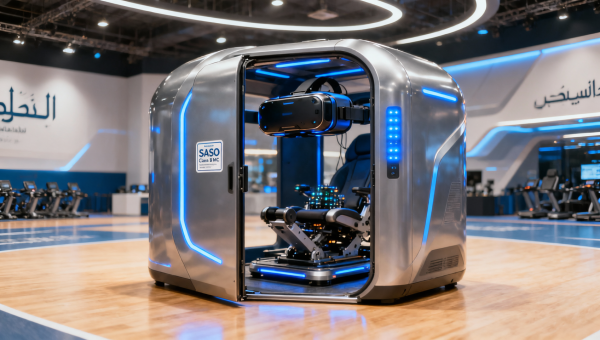
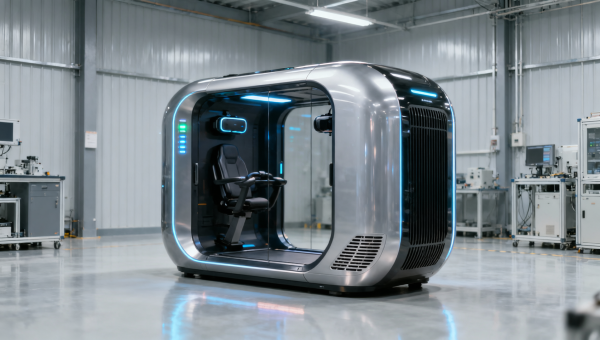
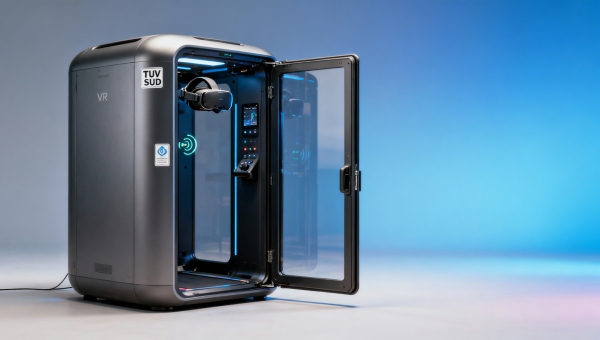
Starting April 20, 2026, Vietnam’s TUV SUD will require all imported commercial VR fitness cabins—including interactive smart bikes and immersive rowing machines—to undergo mandatory type testing at a local laboratory in Ho Chi Minh City. This development directly affects Chinese exporters of VR fitness equipment, extending customs clearance by 7–12 working days and increasing per-container compliance costs by approximately USD 1,200.
Event Overview
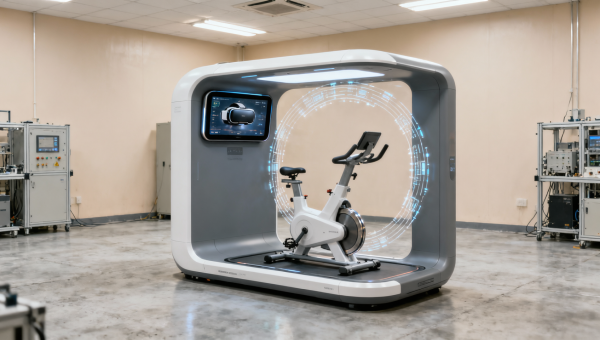
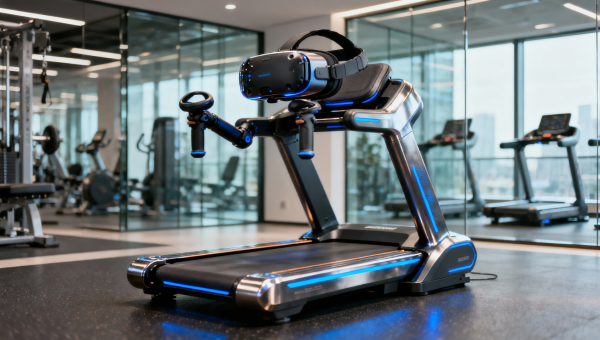
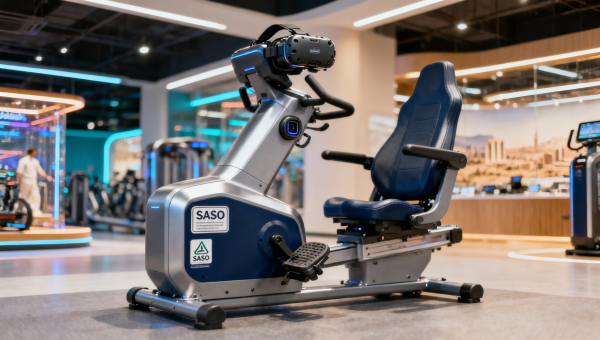
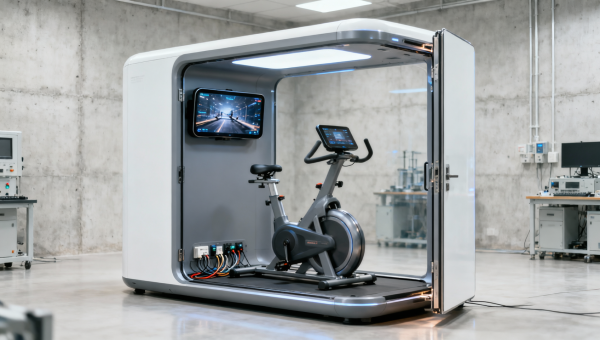
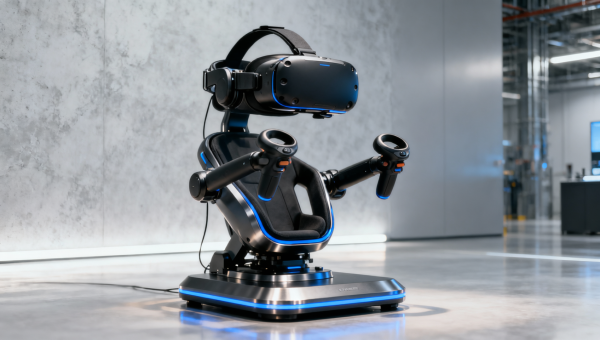
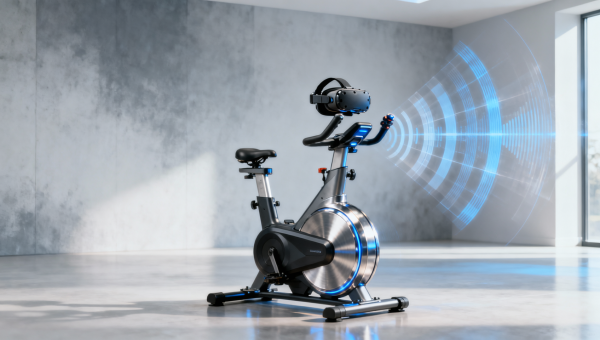
Effective April 20, 2026, TUV SUD Vietnam mandates that all commercial VR fitness cabins imported into Vietnam must pass a local type test conducted at an approved laboratory in Ho Chi Minh City. Third-party test reports—including those accredited under China’s CNAS or the EU’s CE framework—will no longer be accepted for direct recognition. The requirement applies to products such as interactive动感单车 (smart exercise bikes) and immersive rowing machines used in commercial fitness facilities.
Industries Affected
Direct Exporters (China-based VR Fitness Equipment Manufacturers)
These companies face immediate operational impact: delayed shipment schedules due to mandatory local testing, added cost burden per container, and potential renegotiation of delivery terms with Vietnamese importers. Since VR fitness cabins are often shipped in consolidated containers, the $1,200 per-container cost increase directly compresses export margins.
Import Agents & Distributors (Vietnam-based)
Vietnamese entities responsible for market entry must now coordinate lab scheduling, sample submission, and technical documentation review with TUV SUD’s local team—tasks previously handled remotely via CE or CNAS reports. This shifts part of compliance responsibility from exporters to local partners, increasing lead time and administrative load.
Supply Chain & Certification Service Providers
Firms offering conformity assessment support—including test report translation, regulatory liaison, and logistics coordination—will see increased demand for Ho Chi Minh City–based lab access and bilingual (English–Vietnamese) technical documentation handling. However, service scope is now constrained to locally executed tests, limiting reliance on offshore labs.
What Stakeholders Should Monitor and Do Now
Track official implementation guidance from TUV SUD Vietnam
The current notice confirms the effective date and scope but does not yet specify lab accreditation criteria, test protocols, or acceptable documentation formats. Exporters should monitor TUV SUD Vietnam’s official communications for updates on accepted standards (e.g., IEC 62368-1 applicability), sample quantity requirements, and turnaround timelines.
Review product categorization and shipment planning
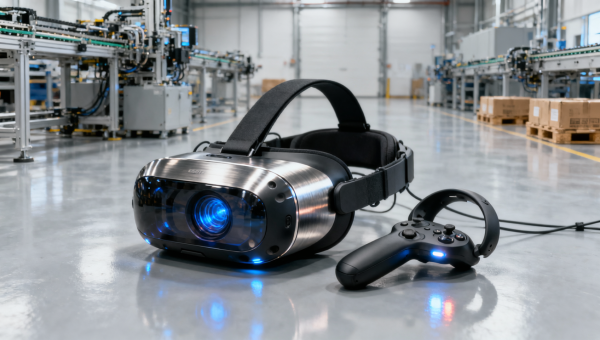
Not all VR-enabled fitness devices may fall under the ‘commercial VR fitness cabin’ definition—for example, standalone VR headsets or non-immersive stationary bikes may be excluded. Companies should verify classification against TUV SUD’s published scope before adjusting production or shipping plans.
Allocate additional time and budget for Q2–Q3 2026 shipments
Given the 7–12 working day extension and $1,200 cost increase per container, exporters serving Vietnam should revise delivery commitments, update pro forma invoices to reflect compliance surcharges, and engage freight forwarders experienced in TUV SUD Vietnam lab coordination well ahead of scheduled sailings.
Editorial Perspective / Industry Observation
From industry perspective, this requirement signals a broader trend toward localized conformity assessment in Southeast Asian markets—not as a temporary adjustment, but as a structural shift in market access strategy. Analysis来看, it reflects growing Vietnamese regulatory emphasis on traceability, post-market surveillance readiness, and alignment with ASEAN mutual recognition frameworks—though formal ASEAN harmonization remains pending. Current more suitable interpretation is that this is a de facto market access gate, not merely a procedural update. It also highlights increasing divergence between regional acceptance pathways: while CE remains valid in many ASEAN countries, Vietnam’s move suggests selective decoupling from third-country test reports where safety-critical interaction (e.g., VR + physical exertion) is involved.
Conclusion
This regulation marks a material change in Vietnam’s market entry conditions for commercial VR fitness hardware—not a minor administrative update, but a localized compliance checkpoint with measurable cost and timeline implications. It underscores that regulatory convergence in emerging digital health and fitness markets remains fragmented, and that pre-shipment planning must now include dedicated local test capacity assessment. For stakeholders, the rule is best understood as an operational inflection point requiring concrete adjustments—not a signal to delay market entry, but a prompt to restructure compliance execution.
Source Attribution
Main source: Official notice issued by TUV SUD Vietnam, effective April 20, 2026.
Points under ongoing observation: Final test protocol details, list of authorized Ho Chi Minh City laboratories, and possible exemptions for low-risk configurations.
Search News
Hot Articles
- Stage Lighting & TrussCCTV5 Snooker Broadcast Drives 37% Surge in Stage Lighting Export InquiriesApr 21, 2026
- Indoor PlaygroundVietnam Mandates Child Finger-Trap Sensors for Indoor Play EquipmentApr 21, 2026
- Stage Lighting & TrussGuangdong vs. Shanxi CBA Game Highlights Domestic Smart Arena LightingApr 21, 2026
Popular Tags
Need ExpertConsultation?
Connect with our specialized leisureengineering team for procurementstrategies.
Recommended News
 Apr 21, 2026Global VR Fitness Equipment Export Prices Rise 12% in Q1 2026VR fitness equipment export prices surge 12% in Q1 2026—driven by EU safety mandates. Discover cost impacts, compliance risks & supply chain insights.● Theme Park Strategist
 Apr 21, 2026Vietnam TUV SUD Enforces Local Type Testing for VR Fitness CabinsVR fitness cabins entering Vietnam must now undergo local TUV SUD type testing—EMC & safety checks in Hanoi or Ho Chi Minh City starting April 2026. Key for exporters, certifiers & distributors.● Theme Park Strategist
 Apr 21, 2026SASO Updates EMC Standard for VR Motion Devices in Saudi ArabiaSASO EMC update for VR motion devices in Saudi Arabia: Class B compliance now mandatory for fitness pods, edutainment cabins & arcade systems—act now to avoid shipment delays.● Theme Park Strategist
 Apr 20, 2026Global VR Fitness Device Export Price Up 12% in Q1 2026VR fitness device export prices surged 12% in Q1 2026—discover key drivers, regional impacts, and strategic actions for exporters, suppliers & logistics partners.● Theme Park Strategist
 Apr 20, 2026SASO Updates VR Haptic Device EMC Standard to Class B in Saudi ArabiaSASO VR haptic device EMC update: Class B standard now mandatory in Saudi Arabia from July 1, 2026. Ensure compliance for VR/AR hardware, imports & venues.● Theme Park Strategist
 Apr 20, 2026Vietnam TUV SUD Enforces Local Type Test for Commercial VR Fitness CabinsVietnam TUV SUD now mandates local type testing for commercial VR fitness cabins — including latency, EMC & safety checks. Act now to secure QCVN compliance and market access.● Theme Park Strategist
 Apr 17, 2026Global VR Fitness Equipment Export Prices Rise 12% in Q1 2026VR fitness equipment export prices surge 12.3% in Q1 2026—key insights for exporters, manufacturers & supply chain partners on compliance, pricing, and delivery trends.● Theme Park Strategist
 Apr 17, 2026SASO 2891:2026 Updated: VR Haptic Devices Now Require EMC Class B in Saudi ArabiaSASO 2891:2026 update mandates EMC Class B for VR haptic devices in Saudi Arabia — critical for OEMs, exporters & EdTech suppliers. Act now to avoid delays!● Theme Park Strategist
 Apr 17, 2026Vietnam TUV SUD Mandates Local Type Testing for VR Fitness CabinsVR fitness cabins for gyms & hotels in Vietnam now require local type testing—EMC, thermal, and AI fall detection—to obtain VIEC certification. Act now to avoid delays!● Theme Park Strategist
 Apr 16, 2026VR Fitness Device Export Prices Up 12% — China Supply Stability LeadsVR fitness device export prices up 12%—China’s supply stability and modular hardware-software delivery redefine global competitiveness. Act now.● Theme Park Strategist
 Apr 16, 2026Vietnam Mandates Local TUV SUD Type Testing for VR Fitness CabinsVR fitness cabins entering Vietnam must now pass local TÜV SÜD type testing in Hanoi—key for compliance, customs clearance & market access by July 1, 2026.● Theme Park Strategist
 Apr 16, 2026SASO Updates Playground Standards: VR Devices Now Require EMC TestingSASO now mandates EMC testing for VR playground devices in Saudi Arabia—key update for VR cycling, climbing & motion cabins exporters.● Theme Park Strategist
 Apr 15, 2026Vietnam's New Regulation: Commercial VR Fitness Pods Require Local TUV SUD TestingVietnam's new regulation mandates TUV SUD testing for commercial VR fitness pods. Learn how this impacts exporters, compliance timelines, and market entry strategies for Chinese manufacturers.● Theme Park Strategist
 Apr 15, 2026Global VR Fitness Equipment Export Prices Rise 12% YoY, China Maintains Supply Chain StabilityGlobal VR fitness equipment export prices surge 12% YoY in 2026 Q1, with China maintaining 96.3% delivery reliability. Key insights for VR hardware manufacturers & fitness distributors facing cost pressures.● Theme Park Strategist
 Apr 14, 2026US CPSC Seeks Comments on New Fitness Tracker Rules, Chinese Exporters Need UL/ETL ComplianceUS CPSC proposes new UL/ETL compliance rules for fitness trackers, impacting Chinese exporters. Learn key action points and industry impacts to stay ahead of regulatory changes affecting wearable tech exports to America.● Theme Park Strategist
 Apr 13, 20262026 Chinese Youth League Upgrades Format with VR Training PodsDiscover how China's 2026 Youth League VR training pods revolutionize football development, boosting exports by 210%. Learn about FIFA-certified tech transforming player training.● Theme Park Strategist
 Apr 09, 2026US CPSC Proposes New VR Safety Standards for Children's Indoor Play EquipmentUS CPSC proposes new VR safety standards for children's indoor play equipment, including dizziness testing and age grading. Learn how these regulations impact VR manufacturers and get compliance strategies.● Theme Park Strategist
 Apr 22, 2026SASO Updates EMC Standard for VR Haptic Devices in Saudi ArabiaSASO EMC standard update for VR haptic devices in Saudi Arabia: Class B compliance required by July 1, 2026 — critical for VR treadmills, AR walls & training pods.● Theme Park Strategist
 Apr 22, 2026Global VR Fitness Device Export Price Up 12% in Q1 2026VR fitness device export prices surge 12% to $1,842/unit in Q1 2026 — discover why China’s 38-day lead times are reshaping global procurement strategies.● Theme Park Strategist
 Apr 22, 2026Vietnam TUV SUD New Rule: VR Fitness Pods Require Local Type TestVR fitness pods now require local type testing in Vietnam per TUV SUD’s new rule—impacting exporters, costs & lead times. Act now!● Theme Park Strategist
 Apr 22, 2026Why Some Arcade Games Perform Well at First Then Fade FastArcade games can shine early then fade fast. Learn how trampoline park, indoor playground, and adventure playground buyers can spot ROI risks and choose longer-lasting winners.● Theme Park Strategist
 Apr 22, 2026Arcade Games That Keep Players Longer Without Prize InflationArcade games that boost dwell time in trampoline park, indoor playground, and adventure playground venues—discover smarter, prize-controlled strategies that improve replay, margins, and ROI.● Theme Park Strategist
 Apr 19, 2026Global VR Fitness Device Export Prices Rise 12.3% QoQVR fitness device export prices surge 12.3% QoQ to $2,840 — driven by EU EN 1176-7 & US CPSC compliance. Key insights for exporters, manufacturers & logistics partners.● Theme Park Strategist
 Apr 19, 2026SASO Updates EMC Standard for VR Haptic Devices in Saudi ArabiaSASO EMC update for VR haptic devices in Saudi Arabia: Class B limits effective July 2026 — retest now to avoid shipment delays & customs hold.● Theme Park Strategist