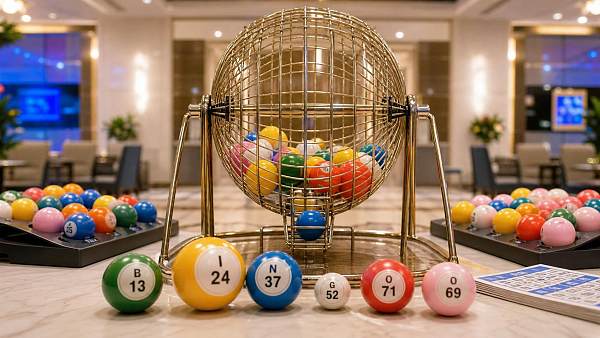
Bingo Cages and Balls: Sizes, Materials, and What Affects Game Visibility
Why do bingo cages and balls matter more than people expect?
Bingo looks simple, but game equipment changes how fair, visible, and comfortable the session feels.
That is why bingo cages and balls deserve closer attention, especially in commercial leisure settings where repeat play depends on trust and readability.
A small mismatch in ball size, cage capacity, finish, or color contrast can slow calling, confuse players, and create doubts about accuracy.
In actual use, the right setup balances three things at once: smooth draw performance, clear number visibility, and long service life.
This matters across amusement venues, family entertainment spaces, hospitality events, school activities, and branded commercial experiences.
From a sourcing perspective, GCT-style evaluation usually looks beyond price alone and checks durability, presentation quality, consistency, and supplier reliability.
What exactly should you look at when comparing bingo cages and balls?
Most comparisons begin with size, but that is only one part of the decision.
A useful way to assess bingo cages and balls is to separate visible performance from operating performance.
- Ball diameter affects readability, handling, and how easily numbers can be printed.
- Cage diameter and internal spacing affect tumble quality and random mixing.
- Ball material affects weight, bounce, scratch resistance, and noise level.
- Surface finish affects glare under ceiling lights or stage lighting.
- Color contrast affects how quickly players identify letters and numbers.
- Number marking quality affects long-term legibility after repeated cleaning and use.
The more public the setting, the more visibility matters. In a quiet community room, moderate contrast may work.
In a larger hall, resort activity zone, or amusement floor, stronger contrast and larger markings become much more important.
A quick comparison table helps narrow the field
Before choosing among different bingo cages and balls, it helps to compare the practical effect of each specification.
Does ball size really change game visibility?
Yes, and the effect is usually bigger than expected.
Larger balls create more space for bold lettering and cleaner number printing. That improves recognition from a distance.
Smaller balls can still work well, but they suit compact settings where players sit closer to the caller.
The usual issue is not only the diameter itself. It is the relationship between ball size, font size, and room conditions.
For example, a reflective white ball with thin black printing may look acceptable on a product page.
Under downlights or decorative ceiling spots, the same ball can become hard to read.
A more reliable choice is a ball with strong contrast, wide number strokes, and a finish that limits glare.
That is especially relevant for bingo cages and balls used in leisure parks, hotel event rooms, or multipurpose entertainment spaces.
Which materials hold up best in repeated commercial use?
Material choice depends on how often the set is used and how polished the presentation needs to be.
Plastic balls are common because they are lightweight and cost-effective. They are suitable for moderate use if the printing is durable.
Acrylic balls usually feel more refined and often offer better surface clarity. However, not all acrylic grades resist scratching equally well.
Wooden balls create a traditional look, but consistency in size and weight needs careful checking.
For cages, powder-coated steel remains a practical choice because it combines structure, durability, and stable rotation performance.
Chrome finishes can look premium, yet fingerprints and light reflection may become noticeable in high-visibility environments.
In real sourcing decisions, the best bingo cages and balls are rarely the most decorative option alone.
They are the sets that keep numbers legible, rotate smoothly, and retain appearance after transport, storage, and frequent handling.
Common material trade-offs
- Plastic: economical, light, but may show wear sooner.
- Acrylic: clearer presentation, often stronger visual appeal, but finish quality varies.
- Wood: classic appearance, though long-term uniformity needs review.
- Powder-coated metal cages: durable and lower glare than highly polished surfaces.
- Chrome cages: attractive on display, but reflections can interfere with visual comfort.
Where do buyers usually make the wrong call?
The most common mistake is treating bingo cages and balls as generic accessories.
Once that happens, selection often focuses on appearance or unit cost while ignoring actual operating conditions.
Another weak point is failing to test readability under venue lighting. Product photos rarely show glare, shadow, or distance limitations.
It is also easy to overlook number application quality. Poor printing can fade unevenly and cause disputes over called numbers.
Some sets look substantial but have cages that spin roughly or release balls inconsistently. That affects rhythm and perceived fairness.
A more careful review uses a short checklist before approval.
- Confirm the ball count matches the intended bingo format.
- Check sample visibility from the farthest expected viewing point.
- Review how the numbers are applied and cleaned.
- Test cage rotation, release control, and base stability.
- Ask about spare balls, replacement lead times, and consistency across batches.
That last point matters more in commercial sourcing than many first-time buyers assume.
How should you balance cost, lifespan, and presentation quality?
The lowest purchase price can become expensive when replacement frequency, visibility complaints, or downtime are added back in.
For occasional play, an entry-level set may be enough if the cage runs smoothly and the numbers remain clear.
For recurring public use, it is smarter to compare total use value instead of initial cost only.
That means looking at durability, cleaning tolerance, replacement support, and whether the set still looks presentable after months of handling.
Commercial environments often require equipment that fits a broader experience standard, not just basic function.
This is where a data-backed sourcing approach becomes useful. It connects technical details with long-term operating value and brand presentation.
When reviewing bingo cages and balls, the practical question is simple: will this set still read clearly and operate smoothly after repeated use?
A sensible next-step framework
So, what is the smartest way to choose bingo cages and balls?
Start with the room, not the catalog.
Distance, lighting, frequency of use, and expected presentation level should shape the decision before color or finish preferences do.
Then compare bingo cages and balls by real performance signals: readability, rotation quality, marking durability, and replacement consistency.
That approach usually prevents the most expensive mistakes, especially in commercial leisure environments where player confidence matters.
If several options appear similar, request samples, test them under actual lighting, and document the differences in visibility and handling.
A short comparison sheet often reveals more than polished product photos.
For the next step, define the intended setting, shortlist key specifications, and verify durability and readability before making a final sourcing decision.
Search News
Hot Articles
- Restaurant FurnitureFast-Casual Restaurant Interiors: Design Choices That Improve Speed and Guest FlowOct 04, 2026
- Outdoor RidesHow to Select Leisure Park Equipment for Safe, High-Throughput Visitor AreasOct 03, 2026
- Fashion & Gem JewelryDiamond Tester Wholesale: How to Vet Accuracy, Calibration, and MOQ Before OrderingOct 02, 2026
Popular Tags
Need ExpertConsultation?
Connect with our specialized leisureengineering team for procurementstrategies.
Recommended News
 Sep 21, 2026How Schools Can Cut Printing Costs When Buying Ink Cartridges in BulkSchool ink cartridges wholesale made smarter: cut printing costs with fleet planning, cost-per-page comparisons, reliable suppliers, and inventory controls.● Institutional Buyer
 Sep 17, 2026How to Source Wholesale Packing Tape Without Compromising Carton Seal StrengthWholesale packing tape sourcing guide: compare adhesive, backing, carton conditions, and real-world trials to reduce costs while maintaining reliable carton seal strength.● Institutional Buyer
 Sep 05, 2026How to Buy Geometry Sets in Bulk for Schools: A Practical Procurement ChecklistGeometry sets bulk buying guide for schools: compare safety, quality, compliance, packaging, supplier reliability, and total cost for smarter procurement.● Institutional Buyer
 Aug 31, 2026Microscope Slides Market Outlook: Demand Drivers, Segments, and Sourcing RisksExplore the microscope slides market: key demand drivers, product segments, quality risks, and sourcing strategies for reliable laboratory supply.● Institutional Buyer
 Aug 30, 2026Microscope Slides HS Code: How Importers Classify Laboratory Glass Slides CorrectlyMicroscope slides HS code guide: learn how to classify laboratory glass slides accurately, verify materials, avoid customs delays, and improve import compliance.● Institutional Buyer
 Aug 29, 2026How to Choose Graduation Tassels With Year Charms for Large School OrdersGraduation tassels with year charm: learn how to specify colors, materials, packaging, proofs, and delivery timelines for accurate large school orders.● Institutional Buyer
 Aug 11, 2026How to Choose Alphabet Educational Posters for Different Classroom Age GroupsAlphabet educational posters should match how each age group learns. Discover how to choose safer, clearer, curriculum-ready designs for preschool to primary classrooms.● Institutional Buyer
 Aug 05, 2026How to Evaluate a Marching Band Uniform Manufacturer for Quality and On-Time DeliveryMarching band uniform manufacturer selection starts with delivery risk. Learn how to compare quality, sizing, compliance, and capacity for reliable, on-time orders.● Institutional Buyer
 Jul 20, 2026How to Evaluate a Stationery Distributor for Bulk Office and School Supply PurchasingStationery distributor selection affects cost, delivery, and compliance. Learn how to evaluate suppliers for bulk office and school supply purchasing with confidence.● Institutional Buyer
 Jul 18, 2026How to Choose Custom Hotel Uniforms: Fabric, Branding, Comfort, and DurabilityCustom hotel uniforms guide: learn how to choose the right fabric, branding, comfort, and durability to improve staff performance, strengthen hotel image, and reduce long-term costs.● Institutional Buyer
 Jul 15, 2026How to Choose a Clear Pencil Cases Manufacturer for School and Retail OrdersClear pencil cases manufacturer selection made simple: learn how to compare quality, compliance, customization, pricing, and lead times for school and retail orders.● Institutional Buyer
 Jul 14, 2026How to Evaluate a Hole Punches Wholesale Supplier for Quality, MOQ, and Lead TimeHole punches wholesale supplier selection starts with quality, MOQ, and lead time. Learn practical checks, warning signs, and sourcing tips to reduce risk and buy smarter.● Institutional Buyer
 Jul 13, 2026Wholesale Erasers and Sharpeners: How to Compare Materials, Packaging, and MOQWholesale erasers and sharpeners buying guide: compare materials, packaging, and MOQ to cut risk, improve quality, and choose suppliers with better value.● Institutional Buyer
 Jul 10, 2026Custom Housekeeping Uniforms: What Fabrics and Features Hold Up in Daily Hotel Use?Custom housekeeping uniforms that last: discover the best fabrics, stretch, stain resistance, and hotel-ready features to cut replacement costs and keep staff polished daily.● Institutional Buyer
 Jul 08, 2026Fast Warm Up Laminator Buying Guide: Speed, Film Thickness, and Use Case ExplainedFast warm up laminator buying guide covering warm-up speed, film thickness, and real use cases. Compare specs, avoid buying mistakes, and choose the right model with confidence.● Institutional Buyer
 Jul 08, 2026How to Choose School Supplies for Campuses by Grade Level, Budget, and Daily UseSchool supplies for campuses made simple: learn how to choose by grade level, budget, durability, and daily use to reduce waste, improve sourcing, and support every classroom.● Institutional Buyer
 Jul 05, 2026How to Choose Branded Office Stationery for Corporate Use and Budget ControlBranded office stationery buying guide: learn how to balance quality, customization, supplier comparison, and budget control for consistent branding and smarter corporate sourcing.● Institutional Buyer
 Jul 01, 2026Paper Guillotines Buying Guide: Manual vs Electric, Cut Size, and Safety FeaturesPaper guillotines buying guide covering manual vs electric models, cut size, and safety features. Compare costs, productivity, and key specs to choose the right machine.● Institutional Buyer
 Jun 29, 2026Bingo Cages and Balls: Sizes, Materials, and What Affects Game VisibilityBingo cages and balls guide: compare sizes, materials, contrast, and durability to improve visibility, fairness, and long-term value in commercial and event play.● Institutional Buyer
 Jun 25, 2026School Uniforms in Europe: Materials, Sizing, and Compliance Points for Bulk OrdersSchool uniforms Europe sourcing guide: compare materials, sizing accuracy, and EU compliance points for bulk orders to reduce risk, improve durability, and choose suppliers with confidence.● Institutional Buyer
 Jun 23, 2026Wholesale Playing Cards Casino Buying Guide: Paper Stock, Finish, Security, and MOQWholesale playing cards casino buying guide covering paper stock, finish, security features, and MOQ. Compare suppliers smarter, reduce sourcing risk, and choose casino-grade decks with confidence.● Institutional Buyer
 Jun 22, 2026Eco Friendly Office Stationery: What to Check Before Buying for Daily Business UseEco friendly office stationery buying guide for businesses: learn how to check materials, certifications, durability, supplier reliability, and total cost before choosing daily office supplies.● Institutional Buyer
 Jun 21, 2026How to Choose Custom Promotional Pens for Trade Shows, Schools, and Corporate GiveawaysCustom promotional pens: learn how to choose the right styles for trade shows, schools, and corporate giveaways with tips on quality, branding, durability, and sourcing.● Institutional Buyer
 Jun 16, 2026Microscope Slides Wholesale Buying Guide: Glass Types, Sizes, and MOQ FactorsMicroscope slides wholesale buying guide covering glass types, standard sizes, MOQ factors, and quality risks—compare smarter, reduce waste, and choose reliable bulk supply.● Institutional Buyer