How to Choose Custom Promotional Pens for Trade Shows, Schools, and Corporate Giveaways
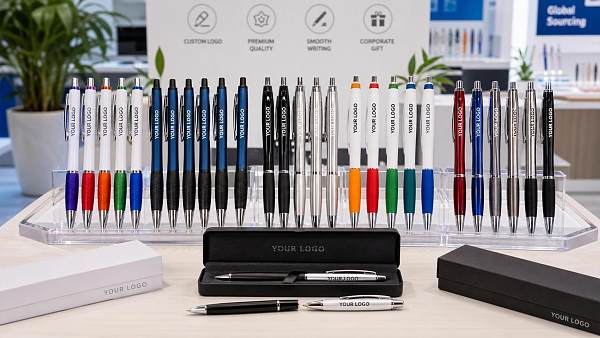
Choosing custom promotional pens for trade shows, schools, and corporate giveaways is rarely a simple price comparison. A pen travels through hands, desks, bags, classrooms, meeting rooms, and event halls. That makes it both a branding tool and a functional product. In commercial sourcing, the right choice depends on writing performance, print quality, durability, compliance, and supplier consistency. For organizations working across education, hospitality, retail, and business services, a well-selected pen can support visibility long after the initial handout.
Why custom pens still matter in a digital-first market
Promotional products face more scrutiny than before. Buyers now expect practical value, not just logo exposure. Pens continue to perform because they solve a simple problem immediately: people use them.
That usefulness is especially relevant in mixed commercial environments. Trade shows need fast distribution. Schools need functional, budget-aware branding. Corporate programs need consistency with brand standards and internal gifting policies.
From GCT’s sourcing perspective, the interest in custom promotional pens also reflects a wider market shift. Commercial buyers want items that combine everyday practicality with brand presentation, safety standards, and dependable manufacturing.
A cheap pen that skips, leaks, or breaks creates the opposite of the intended brand message. A reliable pen, by contrast, extends brand contact in a subtle and credible way.
What buyers are really evaluating
At a basic level, custom promotional pens are branded writing instruments made for distribution rather than individual retail sale. That definition is straightforward, but the buying criteria are not.
In practice, the decision usually combines five questions. Will people keep it? Will it write well? Does the branding stay sharp? Can the supplier deliver on time? Does the total landed cost hold up?
These questions matter because promotional pens sit at the intersection of marketing, procurement, and user experience. Even at low unit cost, a large-volume order can affect event outcomes, school identity programs, or campaign ROI.
Core dimensions to compare
- Ink performance, including smoothness, drying time, and line consistency.
- Barrel material, such as plastic, metal, recycled resin, or mixed components.
- Customization method, including screen printing, UV printing, laser engraving, or full-wrap graphics.
- Expected lifespan, especially clip strength, refill quality, and click or cap durability.
- Production reliability, including sampling accuracy, lead times, and packaging control.
Different settings require different pen specifications
One common sourcing mistake is treating every giveaway pen as interchangeable. The right custom promotional pens for an exhibition counter may be the wrong choice for a campus welcome kit or executive conference pack.
Trade shows and event distribution
For trade shows, visibility and speed matter most. Pens should be easy to hand out, visually distinctive, and inexpensive enough for high-volume use.
Lightweight click pens often work well here. They reduce handling friction, avoid misplaced caps, and support quick logo recognition from a distance.
Bright brand colors can help, but legibility matters more than novelty. A logo, website, or short campaign line should remain readable on a moving show floor.
Schools and educational institutions
In schools, the pen usually needs longer useful life. It may be placed in enrollment packs, staff offices, training materials, bookstores, or orientation events.
That changes the sourcing logic. Comfortable grip, dependable ink flow, and stronger clips become more important than eye-catching finishes.
There is also greater interest in recycled materials or low-waste packaging. Educational buyers often want branding that signals responsibility without increasing failure rates.
Corporate giveaways and branded programs
Corporate use tends to split into two tiers. Broad internal or event distribution favors efficient, mid-range models. Executive gifting or client hospitality may justify metal barrels, engraving, or presentation sleeves.
In these settings, the pen should align with broader brand language. Finish, weight, and packaging often matter as much as the imprint itself.
Material, branding, and writing quality should work together
A pen can look impressive in a catalog and still disappoint in use. The better approach is to judge material, branding method, and writing system as one package.
Plastic barrels usually offer the widest color range and the lowest cost. Metal pens improve perceived value, but they also change shipping weight and unit economics.
Recycled or eco-focused options deserve careful review. Some are excellent, while others sacrifice clip strength or print adhesion. Sustainability claims should be supported by clear material disclosure.
The same principle applies to decoration. Screen printing can be cost-effective for simple logos. Laser engraving often works better on metal. Full-color UV printing helps when brand identity relies on gradients or detailed marks.
Writing quality remains the deciding factor. Even premium-looking custom promotional pens lose value if the refill dries quickly or skips after limited use.
Questions worth asking before approval
- How many writing meters does the refill typically deliver?
- Is the ink ballpoint, gel, rollerball, or hybrid low-viscosity?
- Will dark barrel colors reduce logo contrast?
- Can the imprint resist rubbing during transport and daily use?
- Does the sample match the mass-production finish and color?
Sourcing risks often appear outside the product sheet
Specification tables rarely show the full sourcing picture. For global orders, packaging consistency, carton labeling, transit protection, and documentation can matter as much as pen design.
This is where a broader B2B intelligence approach becomes useful. GCT’s cross-sector focus highlights a pattern seen in office supplies, hospitality goods, and specialty retail accessories alike: supply chain discipline protects brand outcomes.
For custom promotional pens, that means checking more than minimum order quantity. Review production lead time, sampling process, replacement policy, export experience, and relevant compliance requirements for inks or materials.
If the pens are entering school systems or institutional channels, product safety expectations may be higher. If they are part of premium corporate gifting, packaging defects can undermine the entire presentation.
Operational signals of a dependable supplier
- Clear artwork guidelines and realistic logo placement recommendations.
- Physical or photo samples that reflect actual production standards.
- Transparent lead times for sampling, production, and shipment.
- Documented quality checks for ink flow, assembly, and print adhesion.
- Experience serving institutional, event, or multi-location orders.
How to build a smarter comparison process
A useful sourcing process starts with the intended use, not the catalog page. Clarify where the pens will be distributed, how long they should last, and what brand impression they need to create.
Then compare offers in a structured way. Unit price should be reviewed alongside printing method, refill quality, sample accuracy, freight effect, packaging, and failure risk.
For many buyers, the most effective shortlist includes three levels: a volume option, a mid-range daily-use option, and a premium option for higher-visibility occasions.
This framework reduces rushed decisions. It also makes it easier to match custom promotional pens to trade activations, education programs, hospitality desks, welcome kits, or client-facing campaigns.
The next step is practical. Define the primary distribution scenario, request comparable samples, and score each option against writing quality, brand fit, durability, and delivery reliability. That approach turns a simple giveaway item into a controlled sourcing decision with clearer long-term value.
Search News
Hot Articles
- Commercial KitchenHow to Select a Spiral Dough Mixer for Bakery Batch Size and Dough HydrationSep 19, 2026
- Outdoor RidesWhat Drives Animatronic Dinosaur Manufacturer Prices for Theme Park Projects?Sep 18, 2026
- Stationery & UniformsHow to Source Wholesale Packing Tape Without Compromising Carton Seal StrengthSep 17, 2026
Popular Tags
Need ExpertConsultation?
Connect with our specialized leisureengineering team for procurementstrategies.
Recommended News
 Sep 17, 2026How to Source Wholesale Packing Tape Without Compromising Carton Seal StrengthWholesale packing tape sourcing guide: compare adhesive, backing, carton conditions, and real-world trials to reduce costs while maintaining reliable carton seal strength.● Institutional Buyer
 Sep 05, 2026How to Buy Geometry Sets in Bulk for Schools: A Practical Procurement ChecklistGeometry sets bulk buying guide for schools: compare safety, quality, compliance, packaging, supplier reliability, and total cost for smarter procurement.● Institutional Buyer
 Aug 31, 2026Microscope Slides Market Outlook: Demand Drivers, Segments, and Sourcing RisksExplore the microscope slides market: key demand drivers, product segments, quality risks, and sourcing strategies for reliable laboratory supply.● Institutional Buyer
 Aug 30, 2026Microscope Slides HS Code: How Importers Classify Laboratory Glass Slides CorrectlyMicroscope slides HS code guide: learn how to classify laboratory glass slides accurately, verify materials, avoid customs delays, and improve import compliance.● Institutional Buyer
 Aug 29, 2026How to Choose Graduation Tassels With Year Charms for Large School OrdersGraduation tassels with year charm: learn how to specify colors, materials, packaging, proofs, and delivery timelines for accurate large school orders.● Institutional Buyer
 Aug 11, 2026How to Choose Alphabet Educational Posters for Different Classroom Age GroupsAlphabet educational posters should match how each age group learns. Discover how to choose safer, clearer, curriculum-ready designs for preschool to primary classrooms.● Institutional Buyer
 Aug 05, 2026How to Evaluate a Marching Band Uniform Manufacturer for Quality and On-Time DeliveryMarching band uniform manufacturer selection starts with delivery risk. Learn how to compare quality, sizing, compliance, and capacity for reliable, on-time orders.● Institutional Buyer
 Jul 20, 2026How to Evaluate a Stationery Distributor for Bulk Office and School Supply PurchasingStationery distributor selection affects cost, delivery, and compliance. Learn how to evaluate suppliers for bulk office and school supply purchasing with confidence.● Institutional Buyer
 Jul 18, 2026How to Choose Custom Hotel Uniforms: Fabric, Branding, Comfort, and DurabilityCustom hotel uniforms guide: learn how to choose the right fabric, branding, comfort, and durability to improve staff performance, strengthen hotel image, and reduce long-term costs.● Institutional Buyer
 Jul 15, 2026How to Choose a Clear Pencil Cases Manufacturer for School and Retail OrdersClear pencil cases manufacturer selection made simple: learn how to compare quality, compliance, customization, pricing, and lead times for school and retail orders.● Institutional Buyer
 Jul 14, 2026How to Evaluate a Hole Punches Wholesale Supplier for Quality, MOQ, and Lead TimeHole punches wholesale supplier selection starts with quality, MOQ, and lead time. Learn practical checks, warning signs, and sourcing tips to reduce risk and buy smarter.● Institutional Buyer
 Jul 13, 2026Wholesale Erasers and Sharpeners: How to Compare Materials, Packaging, and MOQWholesale erasers and sharpeners buying guide: compare materials, packaging, and MOQ to cut risk, improve quality, and choose suppliers with better value.● Institutional Buyer
 Jul 10, 2026Custom Housekeeping Uniforms: What Fabrics and Features Hold Up in Daily Hotel Use?Custom housekeeping uniforms that last: discover the best fabrics, stretch, stain resistance, and hotel-ready features to cut replacement costs and keep staff polished daily.● Institutional Buyer
 Jul 08, 2026Fast Warm Up Laminator Buying Guide: Speed, Film Thickness, and Use Case ExplainedFast warm up laminator buying guide covering warm-up speed, film thickness, and real use cases. Compare specs, avoid buying mistakes, and choose the right model with confidence.● Institutional Buyer
 Jul 08, 2026How to Choose School Supplies for Campuses by Grade Level, Budget, and Daily UseSchool supplies for campuses made simple: learn how to choose by grade level, budget, durability, and daily use to reduce waste, improve sourcing, and support every classroom.● Institutional Buyer
 Jul 05, 2026How to Choose Branded Office Stationery for Corporate Use and Budget ControlBranded office stationery buying guide: learn how to balance quality, customization, supplier comparison, and budget control for consistent branding and smarter corporate sourcing.● Institutional Buyer
 Jul 01, 2026Paper Guillotines Buying Guide: Manual vs Electric, Cut Size, and Safety FeaturesPaper guillotines buying guide covering manual vs electric models, cut size, and safety features. Compare costs, productivity, and key specs to choose the right machine.● Institutional Buyer
 Jun 29, 2026Bingo Cages and Balls: Sizes, Materials, and What Affects Game VisibilityBingo cages and balls guide: compare sizes, materials, contrast, and durability to improve visibility, fairness, and long-term value in commercial and event play.● Institutional Buyer
 Jun 25, 2026School Uniforms in Europe: Materials, Sizing, and Compliance Points for Bulk OrdersSchool uniforms Europe sourcing guide: compare materials, sizing accuracy, and EU compliance points for bulk orders to reduce risk, improve durability, and choose suppliers with confidence.● Institutional Buyer
 Jun 23, 2026Wholesale Playing Cards Casino Buying Guide: Paper Stock, Finish, Security, and MOQWholesale playing cards casino buying guide covering paper stock, finish, security features, and MOQ. Compare suppliers smarter, reduce sourcing risk, and choose casino-grade decks with confidence.● Institutional Buyer
 Jun 22, 2026Eco Friendly Office Stationery: What to Check Before Buying for Daily Business UseEco friendly office stationery buying guide for businesses: learn how to check materials, certifications, durability, supplier reliability, and total cost before choosing daily office supplies.● Institutional Buyer
 Jun 21, 2026How to Choose Custom Promotional Pens for Trade Shows, Schools, and Corporate GiveawaysCustom promotional pens: learn how to choose the right styles for trade shows, schools, and corporate giveaways with tips on quality, branding, durability, and sourcing.● Institutional Buyer
 Jun 16, 2026Microscope Slides Wholesale Buying Guide: Glass Types, Sizes, and MOQ FactorsMicroscope slides wholesale buying guide covering glass types, standard sizes, MOQ factors, and quality risks—compare smarter, reduce waste, and choose reliable bulk supply.● Institutional Buyer
 Jun 12, 2026How to Choose Wholesale Playing Cards for Casino Use: Materials, Finish, and MOQWholesale playing cards casino buyers: compare materials, finish, print quality, security features, and MOQ to reduce cost, improve durability, and choose a supplier casinos can trust.● Institutional Buyer