School Uniforms in Europe: Materials, Sizing, and Compliance Points for Bulk Orders
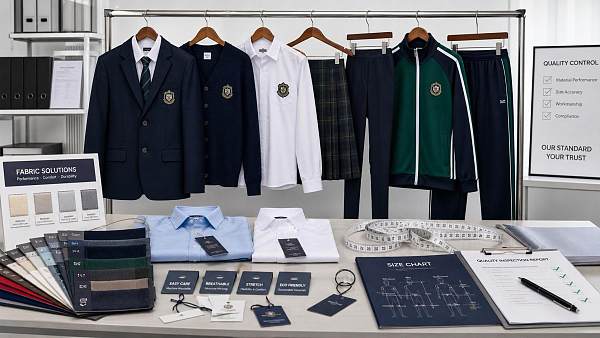
Bulk sourcing for school uniforms Europe is rarely a simple textile purchase. It sits at the intersection of durability, child comfort, institutional branding, supplier consistency, and EU compliance. For schools, distributors, and education projects, the real cost is shaped as much by fabric behavior, sizing accuracy, and labeling discipline as by the unit price on a quotation.
That is why this topic continues to matter across office and educational supplies. In the same way that Global Commercial Trade tracks specification-led sourcing in commercial sectors, schoolwear procurement in Europe also rewards structured evaluation, reliable documentation, and long-term supply thinking rather than one-off price wins.
Why school uniform sourcing in Europe requires closer scrutiny
School uniform programs in Europe serve different climates, dress codes, and student age groups. A primary school knit cardigan, a secondary blazer, and sportswear for active use all face different wear patterns.
At the same time, buying cycles are often compressed. Orders may need pre-term delivery, repeat replenishment, and color continuity across multiple academic years. If the first bulk run is poorly specified, replacement orders become expensive and disruptive.
This is where school uniforms Europe becomes a practical sourcing category rather than a generic apparel purchase. The buyer is not only selecting garments. The buyer is managing service life, fit inclusivity, compliance exposure, and the supplier’s ability to maintain standards over time.
Materials define lifespan, comfort, and cost control
Fabric choice is usually the first commercial decision with long-term consequences. Uniforms must tolerate repeated laundering, daily abrasion, and seasonal use without losing shape or presenting an unprofessional appearance.
Common fabric directions in school uniforms Europe
- Polyester-cotton blends support durability, color retention, and easier care for shirts, trousers, and skirts.
- Cotton-rich fabrics improve softness and breathability, but may crease more and wear faster in high-friction zones.
- Wool blends are often used for blazers or formal knitwear where appearance and structure matter.
- Elastane-added fabrics help mobility and fit recovery, especially for tailored items and sports uniform components.
- Recycled fibers are becoming more visible in school uniforms Europe where sustainability targets influence tender decisions.
Material selection should not rely on composition alone. Two fabrics with the same fiber blend can perform differently because of yarn quality, fabric weight, weave density, finish, and stitching standards.
In practice, abrasion resistance, pilling behavior, seam strength, shrinkage tolerance, and colorfastness to washing are more useful than marketing descriptions. A lower-cost fabric that pills after one term often becomes the more expensive option.
Questions worth raising with suppliers
- Which test methods support claims on shrinkage, rubbing fastness, and dimensional stability?
- Does the mill match future replenishment orders to the original shade and hand feel?
- Are reinforcement details added at knees, elbows, pocket openings, or placket stress points?
- How does the fabric perform after repeated industrial or domestic washing cycles?
Sizing is not a routine detail in bulk schoolwear programs
Sizing problems create some of the highest hidden costs in school uniforms Europe. Returns, emergency replacements, parent complaints, and extra stock buffers usually trace back to an incomplete size strategy.
European school populations are diverse in age, body shape, and growth rate. A size scale that works in one country or school system may fail elsewhere. Age-based labeling alone is rarely enough.
What a workable sizing framework usually includes
A reliable supplier should provide tolerance ranges, not only nominal sizes. This matters because a blazer chest variance or trouser waist shift that seems small on paper can affect thousands of units in a volume order.
It is also useful to separate core sizes from contingency sizes. The first group supports forecast efficiency. The second protects service levels when enrollment patterns change.
Compliance is a commercial issue, not only a legal one
For school uniforms Europe, compliance influences customs clearance, institutional credibility, and risk allocation between buyer and supplier. If labeling or chemical restrictions are mishandled, the disruption extends far beyond paperwork.
Requirements vary by product type and destination market, but several areas repeatedly deserve attention. These are especially important when garments include trims, coatings, prints, or accessories.
Key checkpoints often reviewed in Europe
- Fiber composition labeling that matches the actual garment construction.
- Care labels that are durable, legible, and translated where required.
- REACH-related chemical compliance for dyes, finishes, prints, and accessory components.
- Product safety considerations for cords, fasteners, and detachable parts on children’s garments.
- Country of origin marking and supporting supply-chain traceability records.
- Testing documentation that remains current for repeat production runs.
Compliance control works best when it is built into the sourcing process early. Waiting until shipment inspection creates unnecessary pressure and narrows the options for correction.
This data-led discipline aligns with the broader GCT sourcing perspective. In commercial procurement, robust documentation is not an administrative afterthought. It is a core quality signal.
Operational factors that shape supplier performance
Even when fabric, fit, and compliance look strong, delivery execution can still weaken a uniform program. Bulk schoolwear requires steady operational control, especially for repeat terms and multi-site distribution.
Areas where stronger suppliers usually stand out
- Clear MOQ rules by style, color, and size pack.
- Color continuity plans for navy, grey, maroon, and other program-critical shades.
- Repeat-order capability without pattern drift or fabric substitution.
- Barcode, SKU, and carton labeling accuracy for school-level allocation.
- Defined quality checkpoints before cutting, during sewing, and before packing.
- A workable timeline for sample approval, production, and replenishment windows.
These details matter because school uniforms Europe often involve more than one garment category in a single program. A supplier may be strong in shirts but less reliable in knitwear or tailored outerwear.
Splitting orders by category can improve quality. On the other hand, a consolidated supply model may improve control if one vendor has proven category breadth and documentation maturity.
A practical way to compare bulk uniform offers
A useful comparison framework goes beyond FOB price. The stronger bid is often the one that lowers downstream friction, even if the initial quotation is slightly higher.
- Review fabric test reports alongside sample hand feel and post-wash appearance.
- Check size charts against local student measurements, not imported assumptions.
- Confirm compliance files before production approval, not after booking shipment.
- Model reorder risk for the next academic cycle, including color and trim continuity.
- Evaluate packaging and distribution readiness if deliveries go to multiple campuses or resellers.
In many cases, the best sourcing decision for school uniforms Europe is the supplier that can explain its process clearly, evidence its claims, and maintain the same standard across seasons.
Where to focus next
For upcoming uniform tenders or sourcing reviews, it helps to begin with a tighter specification sheet. Fabric performance targets, size grading rules, labeling requirements, and replenishment expectations should be written before price comparison starts.
That approach makes supplier evaluation more objective and reduces avoidable negotiation later. It also creates a better foundation for long-term school uniforms Europe programs where consistency matters as much as cost.
A careful next step is to compare current offers against three filters: how the garments perform, how the sizing system works, and how well the supplier documents compliance. Those three points usually reveal the real strength of a bulk uniform proposal.
Search News
Hot Articles
- Restaurant FurnitureFast-Casual Restaurant Interiors: Design Choices That Improve Speed and Guest FlowOct 04, 2026
- Outdoor RidesHow to Select Leisure Park Equipment for Safe, High-Throughput Visitor AreasOct 03, 2026
- Fashion & Gem JewelryDiamond Tester Wholesale: How to Vet Accuracy, Calibration, and MOQ Before OrderingOct 02, 2026
Popular Tags
Need ExpertConsultation?
Connect with our specialized leisureengineering team for procurementstrategies.
Recommended News
 Sep 21, 2026How Schools Can Cut Printing Costs When Buying Ink Cartridges in BulkSchool ink cartridges wholesale made smarter: cut printing costs with fleet planning, cost-per-page comparisons, reliable suppliers, and inventory controls.● Institutional Buyer
 Sep 17, 2026How to Source Wholesale Packing Tape Without Compromising Carton Seal StrengthWholesale packing tape sourcing guide: compare adhesive, backing, carton conditions, and real-world trials to reduce costs while maintaining reliable carton seal strength.● Institutional Buyer
 Sep 05, 2026How to Buy Geometry Sets in Bulk for Schools: A Practical Procurement ChecklistGeometry sets bulk buying guide for schools: compare safety, quality, compliance, packaging, supplier reliability, and total cost for smarter procurement.● Institutional Buyer
 Aug 31, 2026Microscope Slides Market Outlook: Demand Drivers, Segments, and Sourcing RisksExplore the microscope slides market: key demand drivers, product segments, quality risks, and sourcing strategies for reliable laboratory supply.● Institutional Buyer
 Aug 30, 2026Microscope Slides HS Code: How Importers Classify Laboratory Glass Slides CorrectlyMicroscope slides HS code guide: learn how to classify laboratory glass slides accurately, verify materials, avoid customs delays, and improve import compliance.● Institutional Buyer
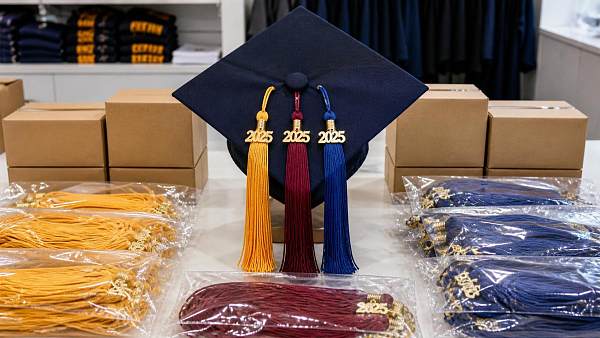
 Aug 29, 2026How to Choose Graduation Tassels With Year Charms for Large School OrdersGraduation tassels with year charm: learn how to specify colors, materials, packaging, proofs, and delivery timelines for accurate large school orders.● Institutional Buyer
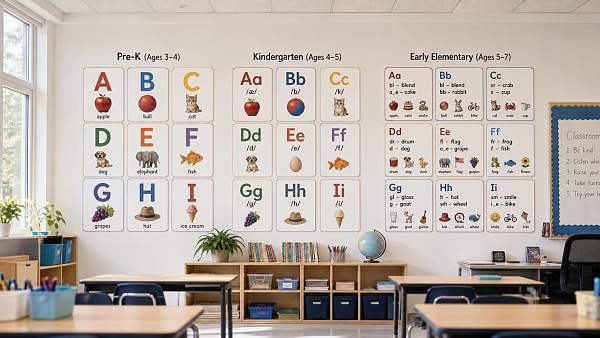
 Aug 11, 2026How to Choose Alphabet Educational Posters for Different Classroom Age GroupsAlphabet educational posters should match how each age group learns. Discover how to choose safer, clearer, curriculum-ready designs for preschool to primary classrooms.● Institutional Buyer
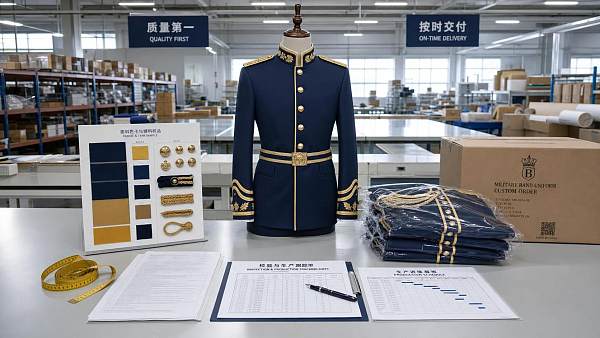
 Aug 05, 2026How to Evaluate a Marching Band Uniform Manufacturer for Quality and On-Time DeliveryMarching band uniform manufacturer selection starts with delivery risk. Learn how to compare quality, sizing, compliance, and capacity for reliable, on-time orders.● Institutional Buyer
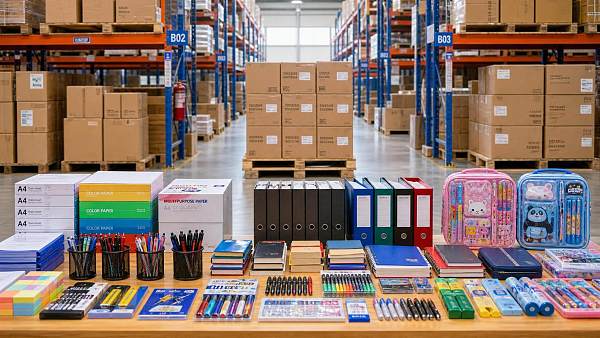
 Jul 20, 2026How to Evaluate a Stationery Distributor for Bulk Office and School Supply PurchasingStationery distributor selection affects cost, delivery, and compliance. Learn how to evaluate suppliers for bulk office and school supply purchasing with confidence.● Institutional Buyer
 Jul 18, 2026How to Choose Custom Hotel Uniforms: Fabric, Branding, Comfort, and DurabilityCustom hotel uniforms guide: learn how to choose the right fabric, branding, comfort, and durability to improve staff performance, strengthen hotel image, and reduce long-term costs.● Institutional Buyer
 Jul 15, 2026How to Choose a Clear Pencil Cases Manufacturer for School and Retail OrdersClear pencil cases manufacturer selection made simple: learn how to compare quality, compliance, customization, pricing, and lead times for school and retail orders.● Institutional Buyer
 Jul 14, 2026How to Evaluate a Hole Punches Wholesale Supplier for Quality, MOQ, and Lead TimeHole punches wholesale supplier selection starts with quality, MOQ, and lead time. Learn practical checks, warning signs, and sourcing tips to reduce risk and buy smarter.● Institutional Buyer
 Jul 13, 2026Wholesale Erasers and Sharpeners: How to Compare Materials, Packaging, and MOQWholesale erasers and sharpeners buying guide: compare materials, packaging, and MOQ to cut risk, improve quality, and choose suppliers with better value.● Institutional Buyer
 Jul 10, 2026Custom Housekeeping Uniforms: What Fabrics and Features Hold Up in Daily Hotel Use?Custom housekeeping uniforms that last: discover the best fabrics, stretch, stain resistance, and hotel-ready features to cut replacement costs and keep staff polished daily.● Institutional Buyer
 Jul 08, 2026Fast Warm Up Laminator Buying Guide: Speed, Film Thickness, and Use Case ExplainedFast warm up laminator buying guide covering warm-up speed, film thickness, and real use cases. Compare specs, avoid buying mistakes, and choose the right model with confidence.● Institutional Buyer
 Jul 08, 2026How to Choose School Supplies for Campuses by Grade Level, Budget, and Daily UseSchool supplies for campuses made simple: learn how to choose by grade level, budget, durability, and daily use to reduce waste, improve sourcing, and support every classroom.● Institutional Buyer
 Jul 05, 2026How to Choose Branded Office Stationery for Corporate Use and Budget ControlBranded office stationery buying guide: learn how to balance quality, customization, supplier comparison, and budget control for consistent branding and smarter corporate sourcing.● Institutional Buyer
 Jul 01, 2026Paper Guillotines Buying Guide: Manual vs Electric, Cut Size, and Safety FeaturesPaper guillotines buying guide covering manual vs electric models, cut size, and safety features. Compare costs, productivity, and key specs to choose the right machine.● Institutional Buyer
 Jun 29, 2026Bingo Cages and Balls: Sizes, Materials, and What Affects Game VisibilityBingo cages and balls guide: compare sizes, materials, contrast, and durability to improve visibility, fairness, and long-term value in commercial and event play.● Institutional Buyer
 Jun 25, 2026School Uniforms in Europe: Materials, Sizing, and Compliance Points for Bulk OrdersSchool uniforms Europe sourcing guide: compare materials, sizing accuracy, and EU compliance points for bulk orders to reduce risk, improve durability, and choose suppliers with confidence.● Institutional Buyer
 Jun 23, 2026Wholesale Playing Cards Casino Buying Guide: Paper Stock, Finish, Security, and MOQWholesale playing cards casino buying guide covering paper stock, finish, security features, and MOQ. Compare suppliers smarter, reduce sourcing risk, and choose casino-grade decks with confidence.● Institutional Buyer
 Jun 22, 2026Eco Friendly Office Stationery: What to Check Before Buying for Daily Business UseEco friendly office stationery buying guide for businesses: learn how to check materials, certifications, durability, supplier reliability, and total cost before choosing daily office supplies.● Institutional Buyer
 Jun 21, 2026How to Choose Custom Promotional Pens for Trade Shows, Schools, and Corporate GiveawaysCustom promotional pens: learn how to choose the right styles for trade shows, schools, and corporate giveaways with tips on quality, branding, durability, and sourcing.● Institutional Buyer
 Jun 16, 2026Microscope Slides Wholesale Buying Guide: Glass Types, Sizes, and MOQ FactorsMicroscope slides wholesale buying guide covering glass types, standard sizes, MOQ factors, and quality risks—compare smarter, reduce waste, and choose reliable bulk supply.● Institutional Buyer