Lao Feng Xiang's AI Glasses Debut at Shanghai Senior Expo, Highlighting China's ODM Capabilities in Smart Eyewear for Global Aging Market
Introduction
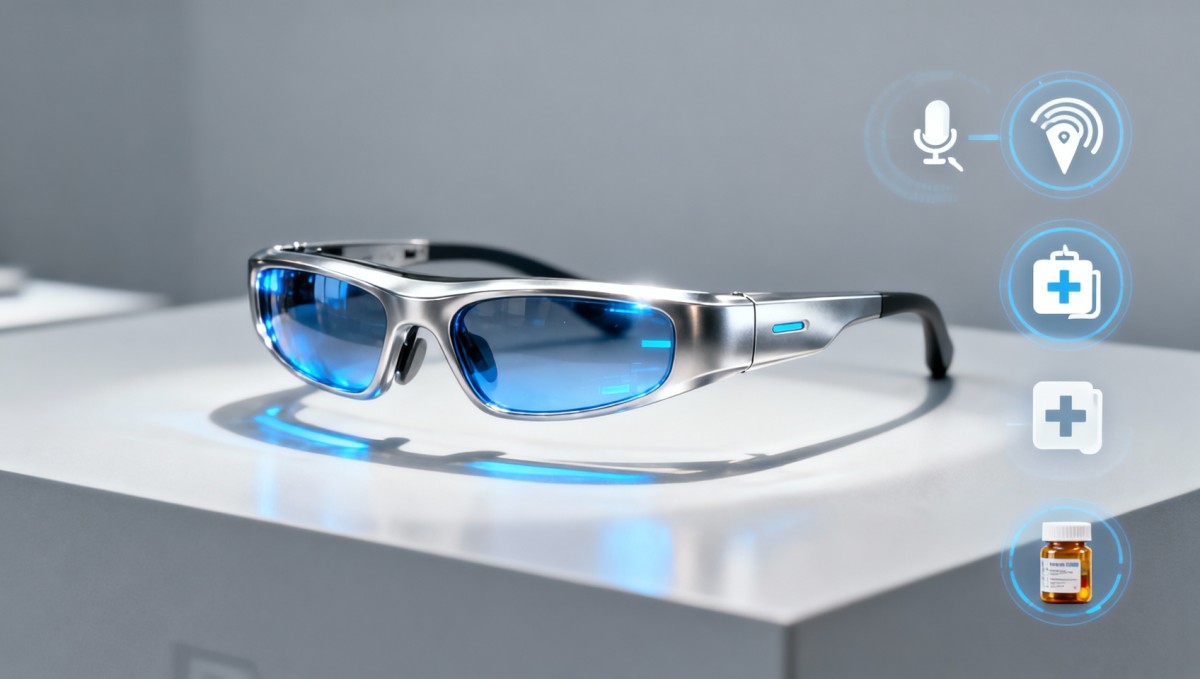
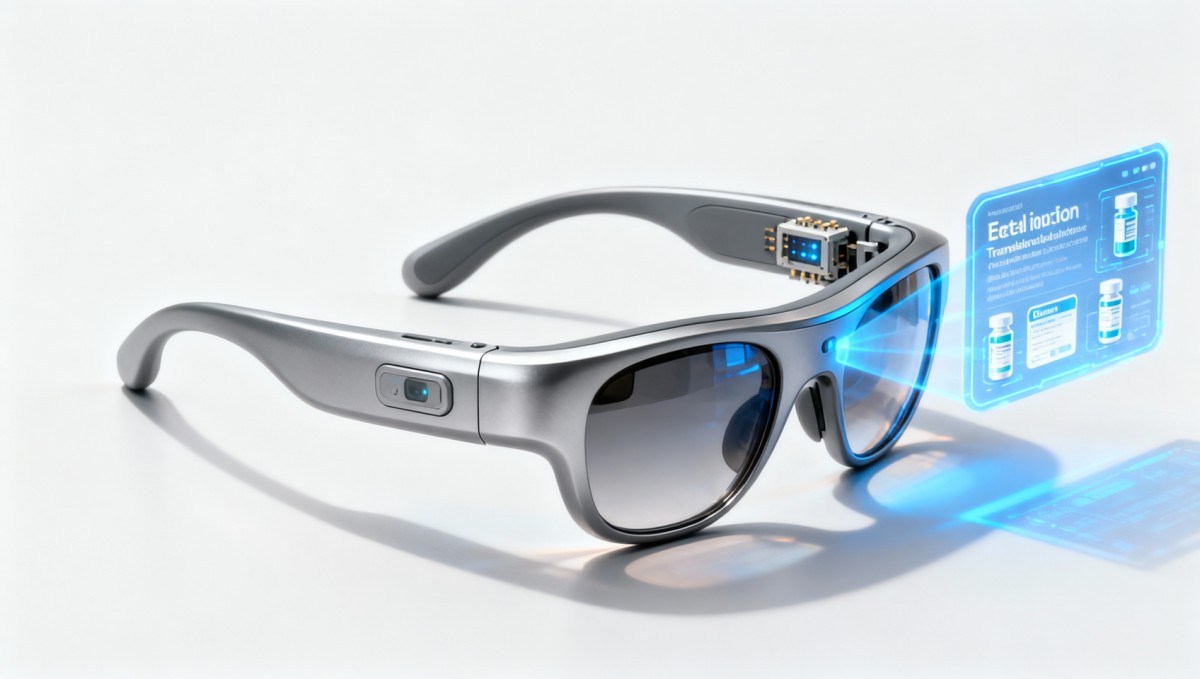
On March 24, 2026, Lao Feng Xiang's AI glasses, first launched in June 2025, were prominently showcased at the Shanghai Senior Expo. The product integrates voice navigation, real-time translation, and medication label recognition, targeting elderly users' mobility, communication, and health information needs. This development is significant for the smart eyewear manufacturing, elderly care technology, and international trade sectors, as it demonstrates China's growing capability in mid-range smart glasses ODM with medical-assistive functions, potentially disrupting higher-cost European and American solutions.
Event Overview
The AI glasses, developed entirely by domestic supply chains, feature optical modules, voice algorithm integration, and age-friendly industrial design. During the expo, the product attracted inquiries from elderly tech distributors in Japan and Germany. This marks a notable step in China's ability to deliver medically assistive smart glasses at a competitive price point.
Impact on Specific Industries
Smart Eyewear Manufacturing
The successful integration of medical-grade functions in a mid-range product signals China's advancing position in smart glasses ODM. Manufacturers should note the growing demand for cost-effective solutions with healthcare applications.
Elderly Care Technology
The product's focus on practical elderly needs (navigation, translation, medication) sets a benchmark for functional design in aging tech. Providers should observe how these features perform in real-world adoption.
International Trade
The interest from Japanese and German distributors indicates shifting dynamics in global elderly tech sourcing. Trade professionals should monitor how Chinese ODM capabilities may reshape supply chains traditionally dominated by Western manufacturers.
Key Focus Areas and Recommendations
Monitor Technology Transfer Potential
The domestic supply chain's ability to deliver medical-assistive functions suggests potential for technology licensing or joint ventures. Companies could explore partnerships with Chinese optical and voice algorithm specialists.
Evaluate Market Segmentation
Rather than competing directly with premium Western brands, consider how mid-range products with specific elderly-focused features could carve out new market niches.
Assess Regulatory Pathways
As medical-assistive features become more common in consumer wearables, regulatory classifications may evolve. Stay informed about certification processes in target markets.
Observe Adoption Patterns
Track how elderly users in different markets respond to voice navigation versus visual interfaces, as this may inform future product localization strategies.
Editor's Observations
From an industry perspective, this development appears more significant as a capability demonstration than an immediate market shift. The real test will be whether the technology can scale while maintaining medical-grade reliability at competitive costs. What makes this noteworthy is the convergence of several trends: China's optical manufacturing expertise, AI voice algorithm development, and targeted elderly tech design - all areas where incremental improvements could collectively reshape market expectations.
Conclusion
Lao Feng Xiang's AI glasses showcase represents a meaningful step in China's smart eyewear ODM capabilities, particularly for aging population applications. While not yet a market transformation, it signals growing competitiveness in functional, mid-range elderly tech solutions. Industry participants would be prudent to monitor how these capabilities develop, particularly in balancing cost, functionality and medical reliability - a combination that could potentially redefine value propositions in global elderly tech markets.
Source Information
Primary source: Product exhibition at Shanghai Senior Expo, March 24, 2026. Additional context from initial product launch announcement (June 2025). Ongoing monitoring recommended for international distributor adoption rates and manufacturing scalability.
Search News
Hot Articles
- Restaurant FurnitureFast-Casual Restaurant Interiors: Design Choices That Improve Speed and Guest FlowOct 04, 2026
- Outdoor RidesHow to Select Leisure Park Equipment for Safe, High-Throughput Visitor AreasOct 03, 2026
- Fashion & Gem JewelryDiamond Tester Wholesale: How to Vet Accuracy, Calibration, and MOQ Before OrderingOct 02, 2026
Popular Tags
Need ExpertConsultation?
Connect with our specialized leisureengineering team for procurementstrategies.
Recommended News
 Sep 08, 2026Water-Resistant Commercial Watches: Choosing Ratings for Workwear and Promotional UseWater resistant commercial watch guide: match 3, 5, or 10 ATM ratings to workwear and promotional needs, verify testing, and protect your budget and brand.● Luxury Retail Analyst
 Sep 07, 2026Commercial Watch Bulk Orders: How to Evaluate Pricing Tiers, Lead Times, and SamplesCommercial watch bulk order guide: evaluate pricing tiers, lead times, samples, landed costs, and supplier readiness to protect margins and launch on schedule.● Luxury Retail Analyst
 Sep 06, 2026Private Label Commercial Watches: A Buyer's Checklist for Branding, MOQ, and QCPrivate label commercial watch sourcing made simple: explore branding, MOQ, materials, supplier QC, and approval steps to build a reliable, market-ready watch program.● Luxury Retail Analyst
 Aug 16, 2026Where to Source Moissanite Iced Out Watches Wholesale Without Sacrificing QualityMoissanite iced out watches wholesale buyers: learn how to source factory-direct quality, verify stone setting and plating, and reduce risk before placing bulk orders.● Luxury Retail Analyst
 Aug 12, 2026How to Evaluate Luxury Watch Winders Wholesale for Retail and Gift Supply?Luxury watch winders wholesale buying guide: learn how to assess quality, noise, compatibility, OEM options, and supplier risk for retail, hospitality, and premium gift supply.● Luxury Retail Analyst
 Jul 15, 2026Kids Smart Watches for School: Key Features Parents Should Compare Before BuyingKids smart watches for school: compare school mode, safe calling, GPS accuracy, battery life, comfort, and privacy controls before you buy the best fit for your child.● Luxury Retail Analyst
 Jul 07, 2026Wholesale Mechanical Watches Stainless Steel: What to Check Before Placing a Bulk OrderWholesale mechanical watches stainless steel sourcing guide: learn how to verify movement quality, steel grade, compliance, and supplier reliability before placing a bulk order.● Luxury Retail Analyst
 Jul 05, 2026Nurse Watches Bulk Buying Guide: Styles, Compliance, and Order QuantitiesNurse watches bulk buying made simple: compare styles, compliance checks, MOQ strategy, and supplier reliability to reduce risk and place smarter orders.● Luxury Retail Analyst
 Jul 05, 2026Stainless Steel Watch Bands Clasp Guide: Types, Fit, and Common Locking IssuesStainless steel watch bands clasp guide covering clasp types, fit checks, and common locking issues. Learn how to compare options, avoid failures, and choose a secure, comfortable band with confidence.● Luxury Retail Analyst
 Jun 30, 2026SASO Arabic UI Rule Tightens Smartwatch ExportsSASO Arabic UI Rule Tightens Smartwatch Exports as Saudi Arabia mandates full Arabic support by Oct 1, 2026. Learn the compliance risks, testing impact, and export actions now.● Luxury Retail Analyst
 Jun 30, 2026How to Source Silicone Watch Bands Bulk: MOQ, Material Grades, and OEM OptionsSilicone watch bands bulk sourcing made simple: compare MOQ, material grades, quality control, and OEM options to reduce risk, choose reliable suppliers, and buy with confidence.● Luxury Retail Analyst
 Jun 29, 2026Saudi SASO Adds Arabic UI Check for SmartwatchesSaudi SASO Adds Arabic UI Check for Smartwatches: learn how the 2026 Arabic UI verification may affect OEM models, certification, imports, and retail listings in Saudi Arabia.● Luxury Retail Analyst
 Jun 17, 2026Automatic Watches OEM Explained: Movement Options, Case Materials, and CustomizationAutomatic watches OEM explained: compare movement options, case materials, and customization factors that shape quality, brand value, and supplier reliability.● Luxury Retail Analyst
 Jun 11, 2026REACH SVHC Update Hits Watch OEMs and SmartwatchesREACH SVHC update puts Watch OEM and smartwatch exports to the EU under new pressure. See how SCIP filing, supplier declarations, and material checks can protect shipments before the 2026 deadline.● Luxury Retail Analyst
 Jun 10, 2026REACH SVHC Update Adds New Watch Export Compliance DutiesREACH SVHC update puts Watch OEM and smartwatch exporters under new EU compliance pressure. Learn the new SCIP duties, 0.1% threshold risks, and what teams must do before December 2026.● Luxury Retail Analyst
 Jun 08, 2026Commercial Watch vs Retail Watch: Key Differences in OEM Specs, Pricing, and Use CasesCommercial watch vs retail watch: discover key OEM specs, pricing factors, and use cases to choose the right sourcing strategy, reduce risk, and improve brand fit.● Luxury Retail Analyst
 Jun 05, 2026Watch Hands and Crowns: Key Specs to Check for OEM Repair and AssemblyWatch hands and crowns for OEM repair and assembly: learn the key specs to verify for fit, sealing, durability, and repeatable quality before approval.● Luxury Retail Analyst
 Jun 02, 2026Sapphire Watch Glass vs Mineral Glass: Durability, Clarity, and Cost DifferencesSapphire watch glass vs mineral glass: compare scratch resistance, clarity, impact behavior, and cost to choose the right lens for premium or value-driven watches.● Luxury Retail Analyst
 May 23, 2026What should buyers check before sourcing iced out watches wholesale?Iced out watches wholesale buyers should check material honesty, stone setting, durability, and supplier compliance before ordering to reduce returns and protect profit.● Luxury Retail Analyst
 May 02, 2026Zheng Qinwen’s Madrid Exit Delays EU Orders for Smart Tennis WearablesSmart tennis wearables face EU procurement delays after Zheng Qinwen’s Madrid Open exit — key for manufacturers navigating WTA data privacy guidelines.● Luxury Retail Analyst
 Apr 30, 2026What separates a commercial watch from a fashion driven modelCommercial watch buying explained: discover how durability, precision, serviceability, and channel fit separate true commercial models from fashion-led watches for retail, gifting, and hospitality.● Luxury Retail Analyst
 Apr 30, 2026ODM watches or private label, which model fits betterODM watches or private label? Compare speed, customization, MOQ, and sourcing risk to choose the best watch model for your brand, launch timeline, and profit goals.● Luxury Retail Analyst
 Apr 24, 2026ODM Watches: Costs, MOQ, and Lead TimesODM watches guide: compare costs, MOQ, and lead times for sports and entertainment sourcing. Ideal for hospitality procurement, resort retail, and branded event merchandise buyers.● Luxury Retail Analyst
 Apr 24, 2026ODM Watches vs OEM: Which Fits Your Brand?ODM watches vs OEM: compare speed, cost, design control, MOQ, and brand value. A practical guide for hospitality procurement, retailers, and distributors.● Luxury Retail Analyst