Is gold plated jewelry wholesale still worth it in 2026?
As pricing pressure, trend turnover, and margin expectations reshape the accessories market, many buyers are asking whether gold plated jewelry wholesale still makes strategic sense in 2026. The short answer is yes, but only when sourcing decisions are based on measurable quality, dependable production control, and a realistic understanding of end-market demand. In today’s mixed retail environment, plated pieces can still deliver strong commercial value when positioned correctly.
The key issue is that not all plated jewelry is created equal. Thickness, base metal, finishing consistency, tarnish resistance, and packaging standards now influence sell-through as much as design. For multi-market sourcing, gold plated jewelry wholesale remains attractive because it offers style flexibility, lower entry cost, and broad customization options without the capital burden of solid gold programs.
Why a checklist matters in 2026
Market conditions in 2026 are less forgiving than they were a few years ago. Consumers expect premium appearance, better durability, and transparent material claims. At the same time, channels move faster, seasonal collections turn over quicker, and return sensitivity is higher. A structured review process reduces sourcing mistakes before they become margin problems.
For businesses serving hospitality boutiques, gift shops, fashion chains, lifestyle stores, and online catalog programs, gold plated jewelry wholesale should be evaluated through a commercial lens. That means balancing unit cost with reorder stability, plating performance, compliance documentation, and assortment breadth. Without a checklist, it becomes easy to choose on price alone and absorb hidden quality losses later.
Core checklist for evaluating gold plated jewelry wholesale
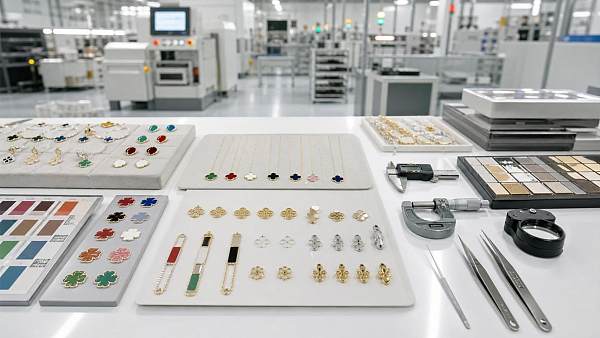
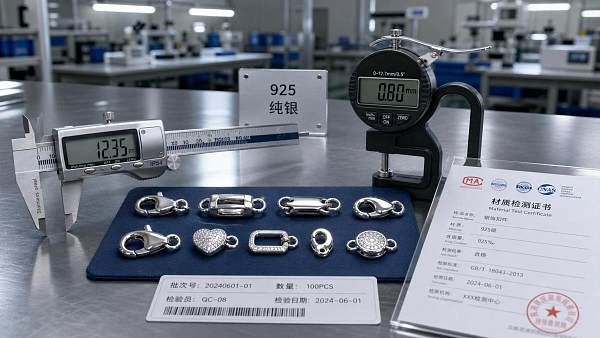
- Verify plating thickness and method. Ask for micron ranges, plating process details, and consistency records to judge whether the finish supports daily wear or only short-term fashion use.
- Check the base metal carefully. Brass, stainless steel, silver, and zinc alloy behave differently in adhesion, weight, allergy performance, and long-term finish stability.
- Request wear and tarnish testing data. Salt spray, perspiration simulation, and abrasion results offer a clearer picture than polished samples shown under showroom lighting.
- Confirm nickel, lead, and cadmium compliance. Regulatory alignment matters across Europe, North America, and premium retail channels where safety documentation affects onboarding.
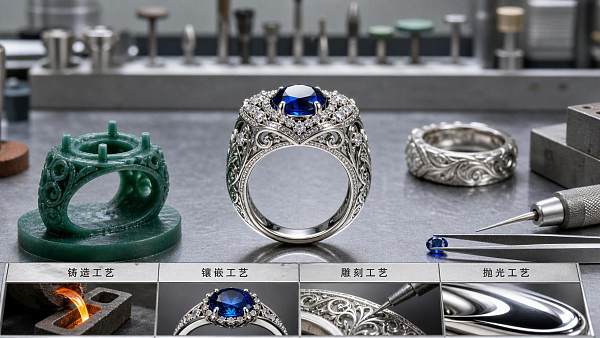
- Review stone setting and soldering quality. Weak craftsmanship can trigger early returns even when the gold finish itself appears acceptable at first inspection.
- Audit MOQ and replenishment flexibility. Low initial minimums help test designs, while stable reorder capability protects fast-moving styles from stock gaps.
- Compare finish options beyond yellow gold. Rose gold, white gold tones, matte textures, and anti-tarnish topcoats can widen assortment appeal across different markets.
- Inspect customization capacity. Private label engraving, logo tags, branded cards, and tailored packaging can improve perceived value without dramatically raising product cost.
- Evaluate photography and sample accuracy. Bulk production should match approved samples in color, gloss, clasp function, and stone alignment to avoid channel disputes.
- Measure landed cost, not factory price. Freight mode, duties, packaging protection, defect rates, and return exposure all affect the true value of gold plated jewelry wholesale.
When gold plated jewelry wholesale makes the most sense
Fast-moving fashion assortments
Trend-led collections benefit most from gold plated jewelry wholesale. The format supports frequent style rotation, layered looks, charm stories, and capsule drops without the pricing limitations of fine jewelry. In channels where visual impact drives conversion, plated items can achieve a premium look at an accessible price band.
This is especially useful when color, silhouette, and seasonal themes change faster than long product lifecycles allow. Rings, hoops, pendants, and stackable bracelets perform well in plated programs because designs can be refreshed with lower inventory risk.
Hospitality, gifting, and lifestyle retail
Boutique hotel stores, museum shops, resort retail, and event gifting programs often require attractive products with controlled budgets. Here, gold plated jewelry wholesale works well because packaging, storytelling, and design curation can raise perceived value beyond the metal cost.
Collections tied to destination themes, wellness concepts, or branded experiences can benefit from OEM or ODM development. Custom charms, logo motifs, and limited-edition packaging often generate stronger emotional appeal than generic commodity pieces.
Entry luxury and private label programs
For brands building an accessible luxury ladder, plated jewelry remains commercially relevant in 2026. It allows entry-level price points while preserving visual sophistication. When supported by quality controls, strong design language, and clear care instructions, plated collections can act as a gateway into higher-value categories.
In this scenario, success depends less on the word “plated” and more on finish quality, packaging, and narrative coherence. Consumers often accept plated construction when the brand promise is honest and the product experience feels refined.
Commonly overlooked risks
Thin plating hidden by good photography
Some suppliers present visually strong samples with minimal plating thickness. The product photographs well but wears poorly. Without micron confirmation and durability tests, apparent cost savings can quickly turn into complaints and markdowns.
Inconsistent tone across batches
Color mismatch is a frequent problem in gold plated jewelry wholesale. Batch-to-batch differences in yellow tone, shine, or topcoat can disrupt collection continuity, especially for replenishment-based assortments and coordinated sets.
Weak clasps and finishing defects
Returns are often caused by construction faults rather than plating alone. Jump rings that open easily, rough edges, poorly aligned stones, and fragile earring posts undermine commercial performance even in attractive designs.
Unclear aftercare expectations
Gold plated items require reasonable care, yet this is often under-communicated. If end users expect solid-gold durability, satisfaction drops. Clear storage, cleaning, and moisture-avoidance guidance can reduce avoidable dissatisfaction.
Practical sourcing actions to take before ordering
- Order duplicate samples from different production dates to test consistency, not just initial showroom appearance.
- Approve a golden sample with written standards covering tone, plating thickness, logo placement, clasp function, and packaging details.
- Run small pilot quantities first, then monitor return reasons, oxidation issues, and customer feedback before scaling the assortment.
- Negotiate defect thresholds, replenishment timelines, and remake terms in advance rather than relying on informal post-shipment discussions.
- Align product tiering clearly, separating occasional-wear fashion pieces from better-grade plated lines with stronger durability claims.
So, is gold plated jewelry wholesale still worth it in 2026?
Yes, gold plated jewelry wholesale is still worth it in 2026 when it is sourced with discipline and positioned with accuracy. It remains one of the most efficient ways to deliver premium aesthetics, flexible merchandising, and scalable customization across broad commercial applications. The category continues to work well where assortment freshness, gifting value, and price accessibility matter.
The strongest results come from treating plated jewelry as a technical sourcing category rather than a simple low-cost alternative. That means verifying finish quality, checking compliance, controlling batch consistency, and matching product grade to the intended use case. Done properly, gold plated jewelry wholesale can still protect margin while supporting a polished brand presentation.
The next step is straightforward: shortlist qualified suppliers, compare documented plating standards, test small runs, and build a specification sheet before committing to volume. In a market that rewards speed but punishes inconsistency, disciplined sourcing is what turns plated jewelry from a risk into a durable commercial advantage.
Search News
Hot Articles
- Fashion & Gem JewelryThermal Diamond Testers: How They Work and When They Can Misidentify StonesOct 07, 2026
- Commercial KitchenWhat Is Driving Demand for Commercial Hospitality Projects Across the GCC?Oct 06, 2026
- Hotel Room AmenitiesHow to Select Hotel Hair Dryers That Balance Guest Safety, Durability, and CostOct 05, 2026
Popular Tags
Need ExpertConsultation?
Connect with our specialized leisureengineering team for procurementstrategies.
Recommended News
 Oct 07, 2026Thermal Diamond Testers: How They Work and When They Can Misidentify StonesThermal diamond tester guide: learn how it works, spot false positives from moissanite, and choose reliable verification methods for jewelry trade and retail.● Luxury Retail Analyst
 Oct 02, 2026Diamond Tester Wholesale: How to Vet Accuracy, Calibration, and MOQ Before OrderingDiamond tester wholesale guide: verify accuracy, calibration records, supplier quality controls, and MOQ terms before ordering. Source reliable testers with confidence.● Luxury Retail Analyst
 Sep 09, 2026Wholesale Coral Earrings: How Buyers Can Assess Quality, Treatments, and Supply RiskCoral jewelry earrings wholesale guide for buyers: assess quality, treatments, secure settings, documentation, and supply risks before ordering.● Luxury Retail Analyst
 Sep 01, 2026How to Choose a Jewelry Laser Engraving Machine Manufacturer for Custom ProductionChoose a jewelry laser engraving machine manufacturer with proven sample testing, precision fixtures, workflow-ready software, and reliable support for custom production.● Luxury Retail Analyst
 Aug 27, 2026Evaluating Luxury Retail Accessories Suppliers: Quality, Lead Times, and Brand FitLuxury retail accessories supplier selection made clearer: assess quality, lead times, compliance, costs, and brand fit to protect premium launches and margins.● Luxury Retail Analyst
 Jul 29, 2026Fine Jewelry Price Guide: What Affects Cost and How to Judge Real ValueFine jewelry price guide for buyers: learn what drives cost in metals, gemstones, craftsmanship, certification, and branding so you can judge real value, reduce sourcing risk, and buy with confidence.● Luxury Retail Analyst
 Jul 14, 2026What to Ask an Enamel Jewelry Manufacturer Before Sampling and Mass ProductionEnamel jewelry manufacturer selection starts with the right questions. Learn what to ask about materials, color matching, MOQ, QC, compliance, and lead times before sampling and mass production.● Luxury Retail Analyst
 Jul 12, 2026Surgical Steel Belly Rings vs Titanium: Material Differences, Safety, and CostSurgical steel belly rings vs titanium: compare safety, nickel exposure, comfort, durability, and cost to choose the best option for sensitive skin or budget-friendly style.● Luxury Retail Analyst
 Jul 12, 2026Natural Coral Jewelry Guide: How to Identify Real Coral, Treatments, and QualityNatural coral jewelry guide covering how to identify real coral, spot treatments, assess quality, and buy with confidence. Learn the key signs before you choose.● Luxury Retail Analyst
 Jul 11, 2026Braided Leather Bracelets OEM: Material, Clasp, and MOQ Factors Before SamplingBraided leather bracelets OEM guide covering material grades, clasp options, and MOQ factors before sampling. Learn how to reduce sourcing risk, control cost, and choose the right supplier.● Luxury Retail Analyst
 Jul 09, 2026Jewelry Craftsmanship Gemstone Setting Methods Explained: Prong, Bezel, Pave, and MoreJewelry craftsmanship gemstone setting explained clearly: compare prong, bezel, pavé, channel, and more to choose secure, beautiful, and commercially smart jewelry designs.● Luxury Retail Analyst
 Jul 06, 2026Photo Locket Necklace Manufacturer Selection Guide: Materials, MOQ, and Custom OptionsPhoto locket necklace manufacturer selection guide covering materials, MOQ, custom options, compliance, and quality checks to help buyers source smarter and build stronger jewelry lines.● Luxury Retail Analyst
 Jul 05, 2026What to Check When Comparing a Sterling Silver Clasp ManufacturerChoosing a sterling silver clasp manufacturer? Learn what to check first: 925 silver claims, finish quality, testing, compliance, lead times, and hidden sourcing costs.● Luxury Retail Analyst
 Jul 02, 2026Jewelry Craftsmanship Techniques Explained: Casting, Stone Setting, Engraving, and PolishingJewelry craftsmanship techniques explained: discover how casting, stone setting, engraving, and polishing shape quality, durability, and sourcing confidence.● Luxury Retail Analyst
 Jul 01, 2026Lost Wax Casting Machines Explained: Types, Capacity, and Metal CompatibilityLost wax casting machines explained: compare types, real capacity, and metal compatibility to choose the right system for precision casting, higher quality, and smarter sourcing.● Luxury Retail Analyst
 Jun 29, 2026How to Evaluate a Luxury Accessories Online Store Before You BuyLuxury accessories online store buying guide: learn how to verify authenticity, compare policies, check reviews, and avoid costly mistakes before you place an order.● Luxury Retail Analyst
 Jun 22, 2026Matching Couple Rings: Popular Materials, Fit Differences, and How to ChooseMatching couple rings guide: compare popular materials, fit differences, comfort, durability, and resizing options to choose a stylish pair that truly lasts.● Luxury Retail Analyst
 Jun 19, 2026How to Build a Fashion Accessories Catalog That Improves Product Discovery and SalesFashion accessories catalog strategies that improve product discovery, filtering, and conversions. Learn how to structure pages, categories, and data to drive more qualified sales.● Luxury Retail Analyst
 Jun 19, 2026How to Choose Luxury Accessories for Women by Material, Style, and Price PointLuxury accessories for women: learn how to choose the right pieces by material, style, and price point for better value, timeless appeal, and smarter buying decisions.● Luxury Retail Analyst
 Jun 18, 2026Stainless Steel Rings Bulk: 304 vs 316L, Finishes, and Custom Order FactorsStainless steel rings bulk guide: compare 304 vs 316L, explore finish options, and learn key custom order factors to reduce sourcing risk and improve product value.● Luxury Retail Analyst
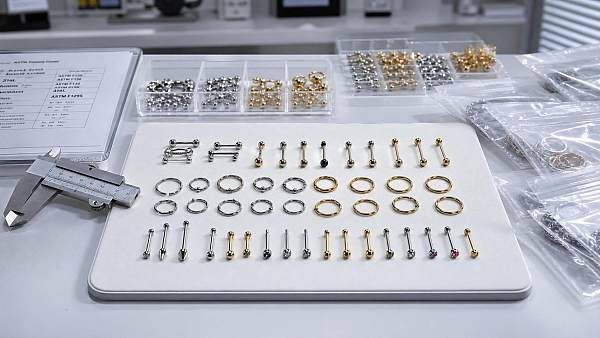
 Jun 18, 2026Body Piercing Jewelry Bulk Buying Guide: Materials, Sizes, and MOQ QuestionsBody piercing jewelry bulk buying guide covering safe materials, size checks, MOQ strategy, supplier screening, and compliance tips to reduce risk and source with confidence.● Luxury Retail Analyst
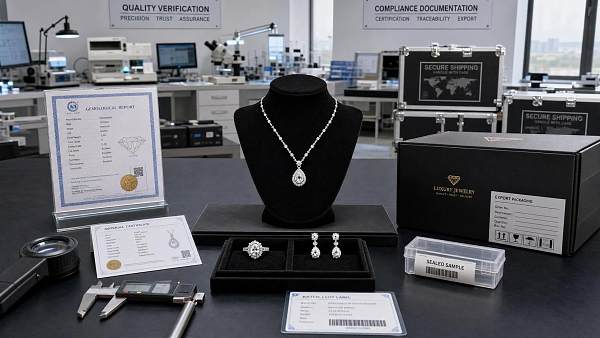
 Jun 18, 2026How to Evaluate a Luxury Jewelry Exporter for Quality, Compliance, and DeliveryLuxury jewelry exporter evaluation starts with more than design. Learn how to verify quality, compliance, and delivery control to source premium jewelry with less risk.● Luxury Retail Analyst
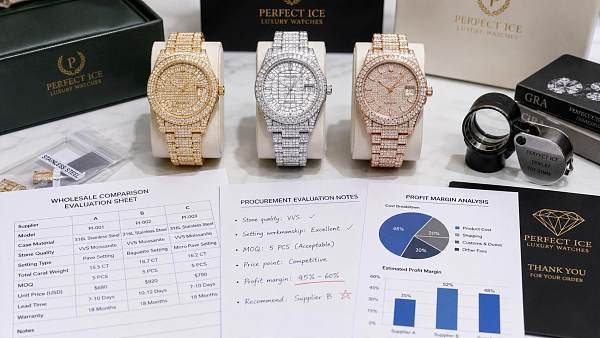
 Jun 17, 2026Iced Out Watches Wholesale: How to Compare MOQ, Stone Quality, and MarginsIced out watches wholesale guide: compare MOQ, stone quality, and real margins to choose reliable suppliers, reduce risk, and grow resale profits with smarter sourcing.● Luxury Retail Analyst
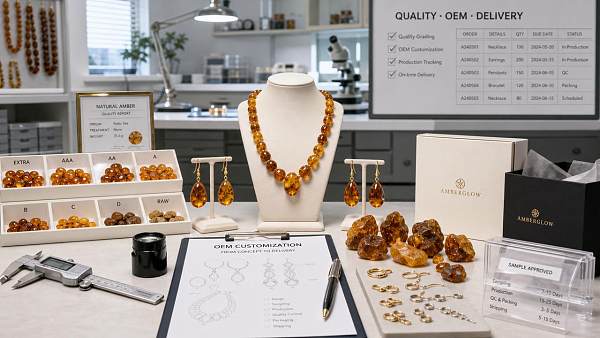
 Jun 15, 2026How to Evaluate an Amber Jewelry Manufacturer: Quality Grades, OEM Options, and Lead TimesAmber jewelry manufacturer selection starts with quality grades, OEM capability, and realistic lead times. Learn how to compare suppliers, reduce sourcing risk, and choose with confidence.● Luxury Retail Analyst