How to tell if natural crystal pendants are worth buying
Natural crystal pendants can be beautiful, symbolic, and surprisingly varied in quality. If you are wondering how to tell whether natural crystal pendants are worth buying, this guide will help you evaluate authenticity, craftsmanship, material value, and seller credibility. By understanding a few practical indicators, you can make a more confident decision before investing in a pendant that truly matches your expectations.
Understanding what gives natural crystal pendants real value
The value of natural crystal pendants comes from more than appearance alone. Price should reflect authenticity, clarity, cut, durability, setting quality, and traceable sourcing.
Some pendants are made from genuine mineral specimens. Others use dyed stone, heat-treated material, glass, resin, or synthetic crystal sold under misleading descriptions.
That is why natural crystal pendants deserve a closer review before purchase. A visually attractive pendant may still offer poor material value or weak long-term wear performance.
In commercial trade, jewelry value also includes consistency. Repeatable quality, documentation, and dependable supplier information matter as much as the pendant itself.
Core elements that influence buying worth
- Natural origin of the crystal
- Visible clarity, color, and internal features
- Cutting, polishing, drilling, and finishing quality
- Metal setting material and structural stability
- Brand or seller transparency
- Reasonable pricing against comparable market offers
How to identify authentic natural crystal pendants
Authenticity is the first checkpoint. Without it, natural crystal pendants are rarely worth buying at a premium, regardless of design or claimed spiritual significance.
Real crystals often contain inclusions, zoning, faint fractures, cloudiness, or natural growth features. Perfect uniformity may indicate glass, lab-made material, or heavy treatment.
Weight can also help. Genuine crystal usually feels cooler and denser than plastic or resin. However, weight alone should never be your only test.
Color deserves attention too. Extremely bright, unnatural shades may suggest dyeing. Many buyers overpay for dyed quartz sold as rare, high-value natural crystal pendants.
Practical authenticity checks
- Inspect internal inclusions under good lighting.
- Ask whether the stone is untreated, dyed, heated, or stabilized.
- Request close-up photos of edges, drill holes, and surface texture.
- Look for mineral name accuracy, not vague claims.
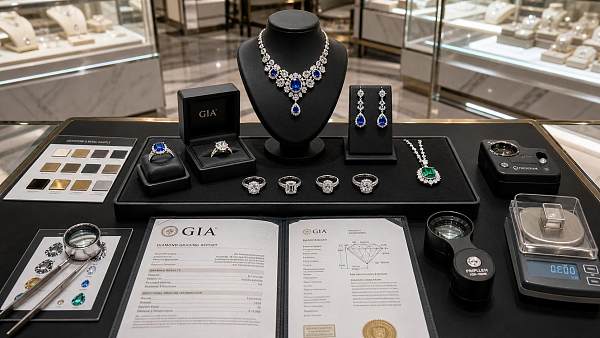
- Check for certificates only when they come from credible labs.
A certificate can support trust, but not every document has equal value. Generic cards without laboratory details often function as packaging rather than evidence.
Craftsmanship signals that affect purchase quality
Even authentic stones can be poorly finished. Natural crystal pendants should show clean workmanship because poor craftsmanship lowers durability, comfort, and presentation value.
Examine polish quality first. The crystal surface should look smooth and even, without cloudy buffing marks, rough spots, chipped corners, or visible glue overflow.
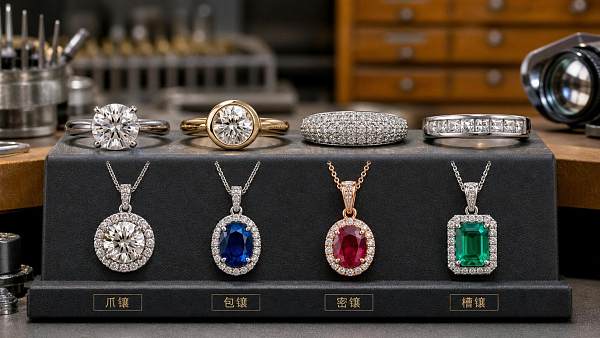
Next, review the setting. Bails, prongs, bezels, and wrapped wires should feel secure. Loose components increase the risk of breakage during normal wear.
Drilled pendants need special attention. Uneven drilling, cracks near the hole, or stress marks can lead to sudden damage, especially in brittle crystal varieties.
Quick workmanship checklist
Market context for natural crystal pendants in global trade
Interest in natural crystal pendants has grown alongside lifestyle retail, gifting, boutique jewelry, wellness branding, and premium accessory collections in cross-border trade.
At the same time, online marketplaces have increased quality variation. Similar-looking pendants may differ greatly in source material, treatment disclosure, and finishing standards.
This makes comparison essential. In a broader sourcing environment, reliable descriptions, compliance-ready documentation, and consistent supplier communication carry significant business value.
Current market signals
- Demand favors natural-looking stones over overly processed finishes.
- Transparency around treatments increasingly affects trust.
- Small-batch artisan pendants often command higher margins.
- Luxury accessory buyers expect better metal quality and packaging.
- Repeatable grading standards remain a common sourcing challenge.
For platforms focused on commercial intelligence, natural crystal pendants fit within the wider jewelry and luxury accessories landscape, where aesthetics and trust signals must align.
When natural crystal pendants are worth buying
Natural crystal pendants are worth buying when material quality, craftsmanship, and pricing match the description. Worth is created by alignment, not by marketing language alone.
A modest quartz pendant can be a smart purchase if it is genuine, well-cut, securely set, and fairly priced. A rare-name pendant can be poor value if misrepresented.
Buying worth also depends on purpose. A fashion accessory, collector piece, gift item, or resale inventory line may require different quality thresholds.
Typical buying scenarios
Seller credibility and sourcing transparency
The seller often tells you as much as the stone. Trustworthy sources explain mineral type, treatment status, metal composition, dimensions, origin, and return terms clearly.
Be cautious when listings use exaggerated healing claims, undefined rarity claims, or blurred photos. Weak product data usually signals weak sourcing discipline.
Good sellers answer direct questions without evasion. They can usually explain why one of their natural crystal pendants costs more than another.
Questions worth asking before purchase
- Is the crystal natural, treated, dyed, or synthetic?
- What metal is used in the pendant setting?
- Are the product photos of the exact item?
- Is there a return window for inspection?
- Can you provide size, weight, and close-up details?
Practical guidance before making a final decision
Compare similar natural crystal pendants across several sellers before committing. Price gaps often reveal differences in authenticity, workmanship, or material disclosure.
Do not assume higher price guarantees higher quality. Evaluate the entire offer, including stone grade, metal quality, finish, packaging, and after-sales support.
If buying online, request additional photos under natural light. If buying in person, examine the pendant from multiple angles and feel for structural weakness.
Natural crystal pendants are usually worth buying when the seller is transparent, the stone appears genuine, the craftsmanship is solid, and the price is proportionate.
For deeper sourcing insight across jewelry and luxury accessories, structured market intelligence can help compare supplier trust signals, quality standards, and long-term commercial fit.
Search News
Hot Articles
- Fashion & Gem JewelryThermal Diamond Testers: How They Work and When They Can Misidentify StonesOct 07, 2026
- Commercial KitchenWhat Is Driving Demand for Commercial Hospitality Projects Across the GCC?Oct 06, 2026
- Hotel Room AmenitiesHow to Select Hotel Hair Dryers That Balance Guest Safety, Durability, and CostOct 05, 2026
Popular Tags
Need ExpertConsultation?
Connect with our specialized leisureengineering team for procurementstrategies.
Recommended News
 Oct 07, 2026Thermal Diamond Testers: How They Work and When They Can Misidentify StonesThermal diamond tester guide: learn how it works, spot false positives from moissanite, and choose reliable verification methods for jewelry trade and retail.● Luxury Retail Analyst
 Oct 02, 2026Diamond Tester Wholesale: How to Vet Accuracy, Calibration, and MOQ Before OrderingDiamond tester wholesale guide: verify accuracy, calibration records, supplier quality controls, and MOQ terms before ordering. Source reliable testers with confidence.● Luxury Retail Analyst
 Sep 09, 2026Wholesale Coral Earrings: How Buyers Can Assess Quality, Treatments, and Supply RiskCoral jewelry earrings wholesale guide for buyers: assess quality, treatments, secure settings, documentation, and supply risks before ordering.● Luxury Retail Analyst
 Sep 01, 2026How to Choose a Jewelry Laser Engraving Machine Manufacturer for Custom ProductionChoose a jewelry laser engraving machine manufacturer with proven sample testing, precision fixtures, workflow-ready software, and reliable support for custom production.● Luxury Retail Analyst
 Aug 27, 2026Evaluating Luxury Retail Accessories Suppliers: Quality, Lead Times, and Brand FitLuxury retail accessories supplier selection made clearer: assess quality, lead times, compliance, costs, and brand fit to protect premium launches and margins.● Luxury Retail Analyst
 Jul 29, 2026Fine Jewelry Price Guide: What Affects Cost and How to Judge Real ValueFine jewelry price guide for buyers: learn what drives cost in metals, gemstones, craftsmanship, certification, and branding so you can judge real value, reduce sourcing risk, and buy with confidence.● Luxury Retail Analyst
 Jul 14, 2026What to Ask an Enamel Jewelry Manufacturer Before Sampling and Mass ProductionEnamel jewelry manufacturer selection starts with the right questions. Learn what to ask about materials, color matching, MOQ, QC, compliance, and lead times before sampling and mass production.● Luxury Retail Analyst
 Jul 12, 2026Surgical Steel Belly Rings vs Titanium: Material Differences, Safety, and CostSurgical steel belly rings vs titanium: compare safety, nickel exposure, comfort, durability, and cost to choose the best option for sensitive skin or budget-friendly style.● Luxury Retail Analyst
 Jul 12, 2026Natural Coral Jewelry Guide: How to Identify Real Coral, Treatments, and QualityNatural coral jewelry guide covering how to identify real coral, spot treatments, assess quality, and buy with confidence. Learn the key signs before you choose.● Luxury Retail Analyst
 Jul 11, 2026Braided Leather Bracelets OEM: Material, Clasp, and MOQ Factors Before SamplingBraided leather bracelets OEM guide covering material grades, clasp options, and MOQ factors before sampling. Learn how to reduce sourcing risk, control cost, and choose the right supplier.● Luxury Retail Analyst
 Jul 09, 2026Jewelry Craftsmanship Gemstone Setting Methods Explained: Prong, Bezel, Pave, and MoreJewelry craftsmanship gemstone setting explained clearly: compare prong, bezel, pavé, channel, and more to choose secure, beautiful, and commercially smart jewelry designs.● Luxury Retail Analyst
 Jul 06, 2026Photo Locket Necklace Manufacturer Selection Guide: Materials, MOQ, and Custom OptionsPhoto locket necklace manufacturer selection guide covering materials, MOQ, custom options, compliance, and quality checks to help buyers source smarter and build stronger jewelry lines.● Luxury Retail Analyst
 Jul 05, 2026What to Check When Comparing a Sterling Silver Clasp ManufacturerChoosing a sterling silver clasp manufacturer? Learn what to check first: 925 silver claims, finish quality, testing, compliance, lead times, and hidden sourcing costs.● Luxury Retail Analyst
 Jul 02, 2026Jewelry Craftsmanship Techniques Explained: Casting, Stone Setting, Engraving, and PolishingJewelry craftsmanship techniques explained: discover how casting, stone setting, engraving, and polishing shape quality, durability, and sourcing confidence.● Luxury Retail Analyst
 Jul 01, 2026Lost Wax Casting Machines Explained: Types, Capacity, and Metal CompatibilityLost wax casting machines explained: compare types, real capacity, and metal compatibility to choose the right system for precision casting, higher quality, and smarter sourcing.● Luxury Retail Analyst
 Jun 29, 2026How to Evaluate a Luxury Accessories Online Store Before You BuyLuxury accessories online store buying guide: learn how to verify authenticity, compare policies, check reviews, and avoid costly mistakes before you place an order.● Luxury Retail Analyst
 Jun 22, 2026Matching Couple Rings: Popular Materials, Fit Differences, and How to ChooseMatching couple rings guide: compare popular materials, fit differences, comfort, durability, and resizing options to choose a stylish pair that truly lasts.● Luxury Retail Analyst
 Jun 19, 2026How to Build a Fashion Accessories Catalog That Improves Product Discovery and SalesFashion accessories catalog strategies that improve product discovery, filtering, and conversions. Learn how to structure pages, categories, and data to drive more qualified sales.● Luxury Retail Analyst
 Jun 19, 2026How to Choose Luxury Accessories for Women by Material, Style, and Price PointLuxury accessories for women: learn how to choose the right pieces by material, style, and price point for better value, timeless appeal, and smarter buying decisions.● Luxury Retail Analyst
 Jun 18, 2026Stainless Steel Rings Bulk: 304 vs 316L, Finishes, and Custom Order FactorsStainless steel rings bulk guide: compare 304 vs 316L, explore finish options, and learn key custom order factors to reduce sourcing risk and improve product value.● Luxury Retail Analyst
 Jun 18, 2026Body Piercing Jewelry Bulk Buying Guide: Materials, Sizes, and MOQ QuestionsBody piercing jewelry bulk buying guide covering safe materials, size checks, MOQ strategy, supplier screening, and compliance tips to reduce risk and source with confidence.● Luxury Retail Analyst
 Jun 18, 2026How to Evaluate a Luxury Jewelry Exporter for Quality, Compliance, and DeliveryLuxury jewelry exporter evaluation starts with more than design. Learn how to verify quality, compliance, and delivery control to source premium jewelry with less risk.● Luxury Retail Analyst
 Jun 17, 2026Iced Out Watches Wholesale: How to Compare MOQ, Stone Quality, and MarginsIced out watches wholesale guide: compare MOQ, stone quality, and real margins to choose reliable suppliers, reduce risk, and grow resale profits with smarter sourcing.● Luxury Retail Analyst
 Jun 15, 2026How to Evaluate an Amber Jewelry Manufacturer: Quality Grades, OEM Options, and Lead TimesAmber jewelry manufacturer selection starts with quality grades, OEM capability, and realistic lead times. Learn how to compare suppliers, reduce sourcing risk, and choose with confidence.● Luxury Retail Analyst