CPSC Tightens EMC Limits for Arcade Devices Starting June 1
On May 17, 2026, the U.S. Consumer Product Safety Commission (CPSC) updated its Arcade & Coin-Operated Entertainment Devices EMC Compliance Guidance, mandating a 30% reduction in radiated emission limits under FCC Part 15 Subpart B Class B for commercial arcade devices with input power exceeding 100 W—effective June 1, 2026. This update directly impacts manufacturers, exporters, and certification service providers engaged in the design, production, or compliance validation of coin-operated entertainment equipment for the U.S. market.
Event Overview
On May 17, 2026, the CPSC published an updated version of its Arcade & Coin-Operated Entertainment Devices EMC Compliance Guidance. The revision specifies that, beginning June 1, 2026, all commercial arcade devices drawing more than 100 W of input power must comply with revised radiated emission limits under FCC Part 15 Subpart B Class B—reduced by 30% compared to prior requirements. To obtain UL 62368-1 combined with EMC certification, affected devices must demonstrate compliance with the tightened limits through updated shielding structures and filter circuit designs.
Industries Affected
Original Equipment Manufacturers (OEMs), particularly those based in China
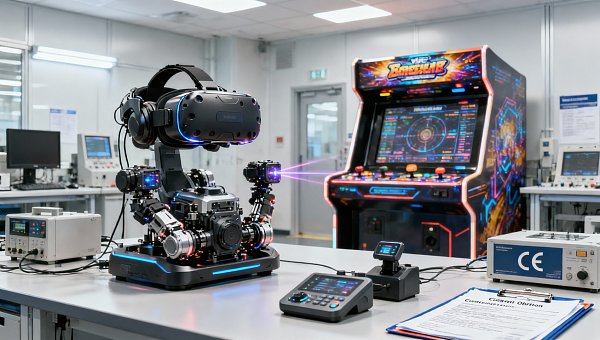
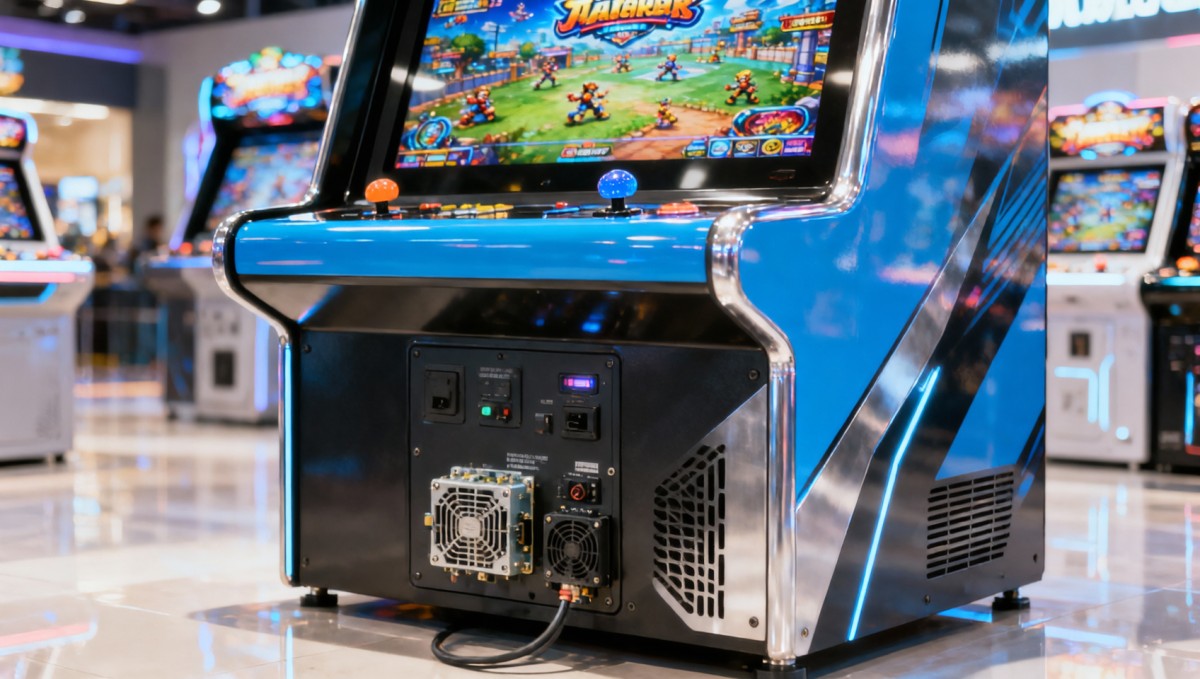
Chinese OEMs supplying arcade cabinets, redemption machines, or interactive kiosks to U.S. operators are directly affected because their products must meet the new radiated emission thresholds. The change requires physical redesign—not just retesting—of electromagnetic compatibility (EMC) features, including metal shielding integrity, PCB layout revisions, and enhanced EMI filtering on power and signal lines.
EMC Testing and Certification Service Providers
Third-party labs and certification bodies supporting UL 62368-1 + EMC evaluations must verify conformance against the revised Class B limits. Their test reports and declarations of conformity will now need to reference the updated CPSC guidance and reflect measurements conducted at the tightened threshold levels.
U.S.-Based Importers and Brand Owners
Importers placing arcade devices into U.S. commerce bear legal responsibility for compliance under CPSC regulations. Non-compliant units risk refusal of entry, post-import enforcement actions, or mandatory recalls—even if previously certified under older limits prior to June 1, 2026.
What Relevant Enterprises or Practitioners Should Monitor and Do Now
Confirm applicability and scope before finalizing product releases
Verify whether newly designed or refreshed models exceed 100 W input power—and whether they fall under the CPSC’s definition of “arcade or coin-operated entertainment devices.” Devices below this power threshold remain subject to existing Class B limits; no revision applies.
Review and revise mechanical and electrical design documentation
Manufacturers should assess current shielding architectures (e.g., chassis seam coverage, gasketing, aperture management) and filter component specifications (e.g., common-mode chokes, X/Y capacitors, ferrite materials). Design updates may be required even for products previously compliant with older FCC limits.
Engage accredited labs early for pre-compliance testing
Given the 30% reduction in allowable emissions, marginally compliant legacy designs are unlikely to pass without modification. Early pre-compliance EMC scans—conducted using the updated limit line—can identify high-risk frequencies and guide targeted redesign efforts ahead of formal certification.
Update technical files and certification applications submitted after June 1, 2026
All UL 62368-1 certifications pursued after the effective date must include EMC test reports aligned with the revised CPSC guidance. Previously issued certifications do not automatically extend to the new limits; re-evaluation is required for any new production run placed on the U.S. market post-June 1.
Editorial Perspective / Industry Observation
Observably, this update reflects a broader regulatory trend toward harmonizing safety-critical EMC performance with evolving digital electronics density in consumer-facing entertainment hardware. Analysis shows the 30% tightening is not incremental—it represents a meaningful step change requiring measurable engineering effort, especially for high-power motion-sensing or display-integrated systems. From an industry perspective, it functions less as an isolated compliance milestone and more as a signal: U.S. regulators are increasingly treating EMC not as a static pass/fail gate, but as a dynamic requirement tied to device functionality and deployment context. Current enforcement posture remains focused on new submissions; however, CPSC has indicated future oversight may expand to include post-market surveillance of devices already in distribution.
Conclusion: This CPSC guidance update establishes a definitive compliance deadline—not a proposal or draft—and introduces technically significant requirements for a narrowly defined but commercially relevant product category. It is best understood not as a broad-based policy shift across consumer electronics, but as a targeted calibration of EMC expectations for higher-power, publicly accessible entertainment devices. Enterprises should treat it as an operational compliance trigger requiring design, testing, and documentation adjustments—not merely a procedural update.
Source: U.S. Consumer Product Safety Commission (CPSC), Arcade & Coin-Operated Entertainment Devices EMC Compliance Guidance, updated May 17, 2026. Note: Ongoing monitoring is recommended for potential CPSC enforcement clarifications or FAQs related to transitional arrangements for devices in transit or under existing certification contracts as of June 1, 2026.
Search News
Hot Articles
- Restaurant FurnitureFast-Casual Restaurant Interiors: Design Choices That Improve Speed and Guest FlowOct 04, 2026
- Outdoor RidesHow to Select Leisure Park Equipment for Safe, High-Throughput Visitor AreasOct 03, 2026
- Fashion & Gem JewelryDiamond Tester Wholesale: How to Vet Accuracy, Calibration, and MOQ Before OrderingOct 02, 2026
Popular Tags
Need ExpertConsultation?
Connect with our specialized leisureengineering team for procurementstrategies.
Recommended News
 Sep 15, 2026How to Choose Coin-Operated Pool Tables for Bars, Hotels, and Arcade VenuesCoin operated pool tables for bars, hotels, and arcades: compare sizes, payment systems, durability, service access, and revenue potential.● Theme Park Strategist
 Sep 08, 2026What to Look for in a Flight Simulator Chair Manufacturer for Commercial VR CentersChoose a flight simulator chair manufacturer that delivers durable, safe, customizable seating for commercial VR centers. Explore key sourcing criteria now.● Theme Park Strategist
 Aug 25, 2026What to Evaluate Before Buying Commercial Self Service Photo Booths for VenuesCommercial self service photo booths for venues: learn how to evaluate durability, software stability, branding flexibility, support, and total ROI before you buy.● Theme Park Strategist
 Aug 23, 2026How to Evaluate Wholesale Vending Machines for Multi-Location Business DeploymentWholesale vending machines for multi-location deployment require more than low unit cost. Learn how to compare reliability, payments, telemetry, and supplier support to scale smarter.● Theme Park Strategist
 Aug 17, 2026U.S. CPSC Urges Bilingual Warnings for Arcade and VR MachinesU.S. CPSC urges bilingual safety warnings for Arcade & VR Machines—learn what exporters, importers, and distributors must do now to avoid delays and returns.● Theme Park Strategist
 Aug 16, 2026EU Enforces EN IEC 62368-1:2026 Certification for Arcade and VR MachinesEU Enforces EN IEC 62368-1:2026 certification for arcade and VR machines, reshaping EU market access, customs clearance, and compliance planning for exporters and distributors.● Theme Park Strategist
 Aug 13, 2026UFLPA’s new guidelines take effect: Exports of Arcade and VR equipment face full-link labor compliance requirementsUFLPA’s new guide takes effect: Arcade and VR machine exports to the U.S. now face full-chain labor compliance checks. Discover key risks and action steps.● Theme Park Strategist
 Aug 12, 2026EU PPWR takes effect, Arcade and VR packaging incorporate heavy metal and PFAS restrictionsEU PPWR now applies to Arcade and VR packaging, tightening heavy metal and PFAS compliance. Learn how exporters can avoid delays, fines, and customs risks.● Theme Park Strategist
 Aug 11, 2026CPSC Sets Bilingual Labels for Arcade and VR ImportsCPSC bilingual labels for arcade and VR imports become mandatory on October 1, 2026. Learn the new English-Spanish warning rules, customs risks, and key compliance steps now.● Theme Park Strategist
 Aug 10, 2026EU Rule Takes Effect for Arcade & VR Machine ClearanceArcade & VR Machine clearance in the EU now depends on EN IEC 62368-1:2026+A11:2026 compliance. Learn what changed, who is affected, and how to avoid customs delays.● Theme Park Strategist
 Aug 09, 2026CPSC Requires New Labels for Arcade and VR ImportsCPSC requires new labels for Arcade and VR imports starting Oct 1, 2026. Learn the multilingual warning rules, compliance risks, and key steps exporters and buyers must take now.● Theme Park Strategist
 Aug 08, 2026EU Entry Rule Tightens for Arcade & VR MachinesArcade & VR Machines entering the EU now face stricter CE compliance under EN IEC 62368-1:2026+A11:2026. Learn the new rule, risks, and what exporters must do now.● Theme Park Strategist
 Aug 07, 2026CPSC Notice Tightens U.S. Entry Rules for Arcade and VR MachinesCPSC Notice Tightens U.S. Entry Rules for Arcade and VR Machines: learn the new labeling, FCC, UN38.3, and compliance document requirements before October 1, 2026.● Theme Park Strategist
 Aug 06, 2026EU Rule Takes Effect for CE-UKCA Labels on Arcade & VR MachinesArcade & VR Machines face new CE-UKCA label and ECPD filing rules in the EU and UK. Learn what manufacturers, importers, and distributors must do now to avoid delays.● Theme Park Strategist
 Aug 05, 2026CPSC Recalls Arcade and VR Machines Over UL 62368-1CPSC recalls arcade and VR machines over UL 62368-1 non-compliance. Learn how this 2026 safety action may affect imports, distribution, customs clearance, and market access.● Theme Park Strategist
 Aug 02, 2026EU Sets New Certification Rule for Arcade and VR MachinesArcade and VR Machines face a new EU certification rule from Oct 1, 2026. Learn how EN IEC 62368-1:2026+A11:2026 affects CE marking, customs clearance, and market access.● Theme Park Strategist
 Aug 01, 2026CPSC Moves to Require Bilingual Warnings on Arcade and VR MachinesCPSC bilingual warnings for Arcade and VR Machines may reshape U.S. import compliance. Learn how English-Spanish labels affect packaging, customs risk, and shipment readiness.● Theme Park Strategist
 Jul 31, 2026EU Sets EN IEC 62368-1:2025 Rule for Arcade and VR MachinesEU Sets EN IEC 62368-1:2025 Rule for Arcade and VR Machines. Learn the new EU compliance deadlines, safety updates, and key actions for manufacturers, OEMs, and distributors.● Theme Park Strategist
 Jul 30, 2026CPSC Sets New Warning Label Rule for Arcade & VR MachinesCPSC sets a new warning label rule for Arcade & VR Machines effective August 15, 2026. Learn key compliance risks, multilingual label requirements, and shipment actions now.● Theme Park Strategist
 Jul 29, 2026EU Enforces New Safety Standard for Arcade and VR MachinesEU Enforces New Safety Standard for Arcade and VR Machines: learn how EN IEC 62368-1 affects CE compliance, customs clearance, and EU market access for exporters and buyers.● Theme Park Strategist
 Jul 28, 2026CPSC Sets ASTM F3472-26 Rule for Arcade & VR ImportsCPSC ASTM F3472-26 rule reshapes Arcade & VR imports to the U.S. Learn key compliance deadlines, certification risks, and what exporters, OEM/ODM suppliers, and buyers should do now.● Theme Park Strategist
 Jul 27, 2026EU Rule Takes Effect for Arcade & VR Machine CybersecurityEU Rule Takes Effect for Arcade & VR Machine Cybersecurity: learn how EN IEC 62443-3-3:2025 affects compliance, customs clearance, sales continuity, and supplier planning in the EU market.● Theme Park Strategist
 Jul 25, 2026CPSC Sets Bilingual Warning Rule for Arcade and VR ImportsCPSC bilingual warning rule for arcade and VR imports takes effect August 1, 2026. Learn how OEM/ODM exporters can avoid CBP delays, relabel shipments, and protect U.S. delivery timelines.● Theme Park Strategist
 Jul 24, 2026EU Enforces New Safety Standard for Arcade and VR MachinesEU Enforces New Safety Standard for Arcade and VR Machines: learn how EN IEC 62368-1:2026+A11:2026 reshapes EU compliance, CE documentation, testing timelines, and export readiness.● Theme Park Strategist