SteamVR Opens Direct OEM Certification for China
Valve has launched a dedicated certification channel for Chinese VR hardware manufacturers, effective May 18, 2026. The move accelerates deployment timelines for arcade-grade VR systems and signals a strategic recalibration in how global platform ecosystems engage with China’s high-end hardware supply chain — particularly amid tightening cross-border compliance expectations and rising demand for localized validation pathways.
Event Overview
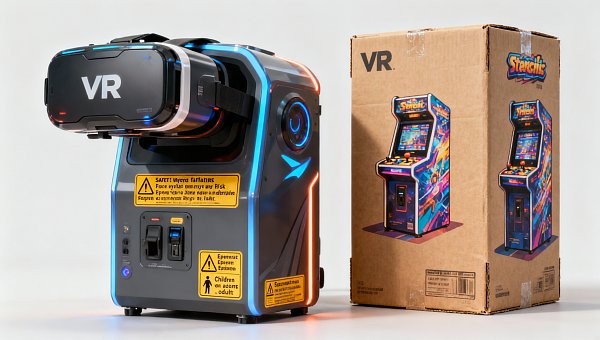
On May 18, 2026, Valve Corporation officially activated the ‘China OEM Direct Certification Portal’. This portal enables VR hardware manufacturers in China that hold ISO 13485 certification to submit SteamVR SDK compatibility and thermal management test data directly — bypassing traditional third-party certification intermediaries. The first cohort of enrolled OEMs reported an average reduction in VR motion-cabin deployment cycle from 14 days to 8.5 days, enhancing delivery predictability for international arcade operators and system integrators.
Industries Affected
Direct Trade Enterprises
Export-oriented VR system integrators and arcade solution providers face reduced time-to-market for turnkey deployments in North America, Europe, and Southeast Asia. With SteamVR Ready status now obtainable without regional proxy coordination, lead-time compression improves bid competitiveness and contract fulfillment certainty — especially for RFP-driven public venue projects where certification visibility is contractually mandated.
Raw Material Procurement Enterprises
Suppliers of thermally critical components (e.g., vapor chamber assemblies, high-Cp thermal interface materials, and low-noise centrifugal fans) may see increased specification alignment demands. As OEMs shift toward internal thermal validation under the new portal, procurement teams must verify material datasheets against SteamVR’s newly published thermal stress thresholds — not just generic industrial tolerances.
Manufacturing Enterprises
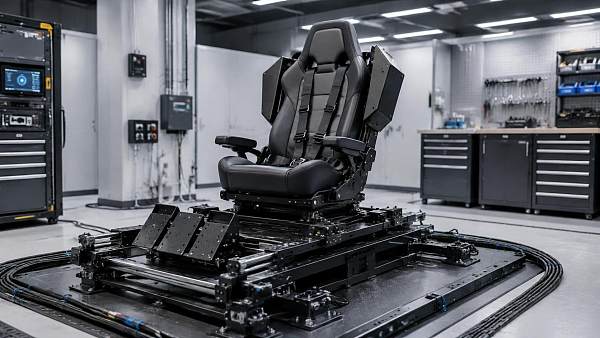
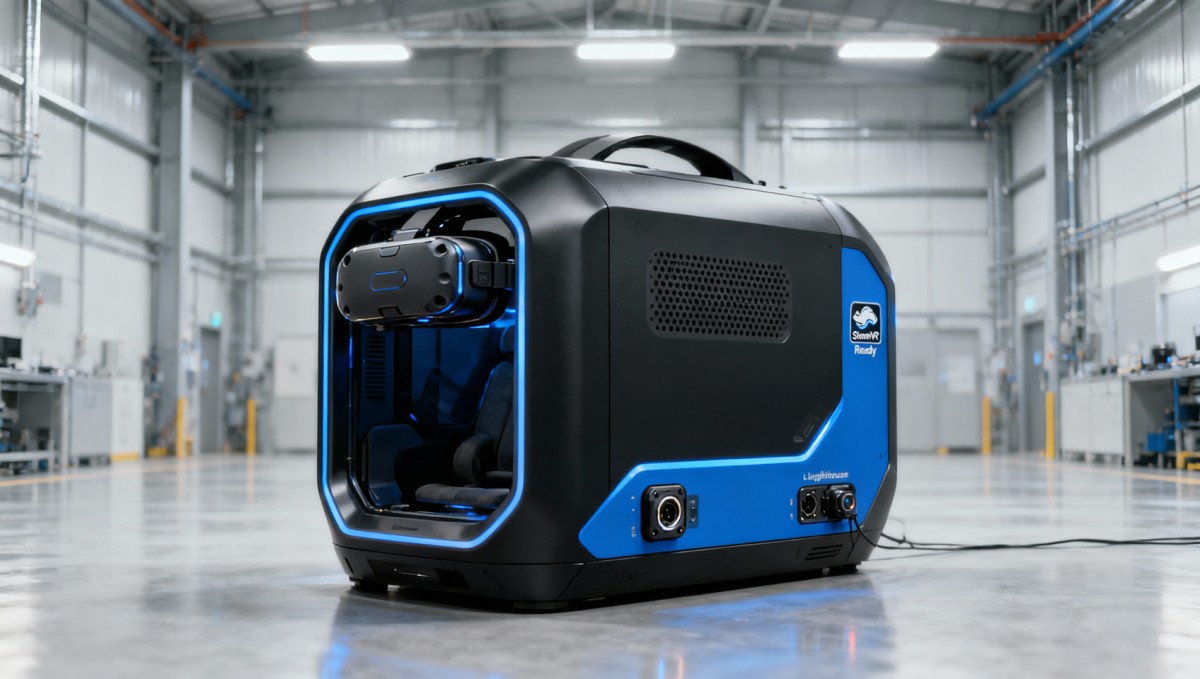
Contract manufacturers and ODMs producing VR body-tracking cabins, haptic feedback platforms, or multi-user motion bases are now required to institutionalize in-house SDK integration labs and thermal chamber validation protocols. The direct submission model increases accountability for firmware-level interoperability — meaning manufacturing QA processes must now cover both mechanical durability and real-time API handshake stability.
Supply Chain Service Providers
Certification consultants, logistics validators, and customs compliance firms specializing in CE/FCC/UL pathways will need to reposition service offerings. With ISO 13485 becoming the de facto entry gate (rather than ISO 9001), service providers must expand capability in medical-device-aligned quality documentation — including traceability of component lots, calibration logs for thermal sensors, and version-controlled firmware audit trails.
Key Considerations and Recommended Actions
Verify ISO 13485 Scope Coverage
OEMs should confirm their existing ISO 13485 certificate explicitly covers ‘software-integrated electromechanical entertainment systems’ — not just passive hardware assembly. Gaps here require scope amendment, not recertification.
Align Thermal Test Protocols with SteamVR’s Published Benchmarks
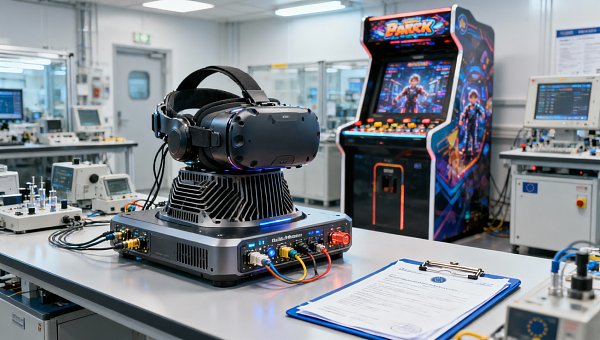
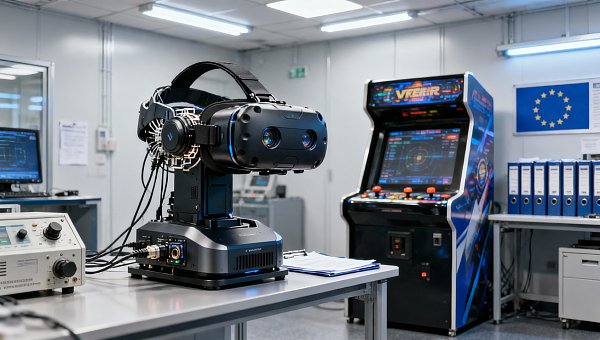
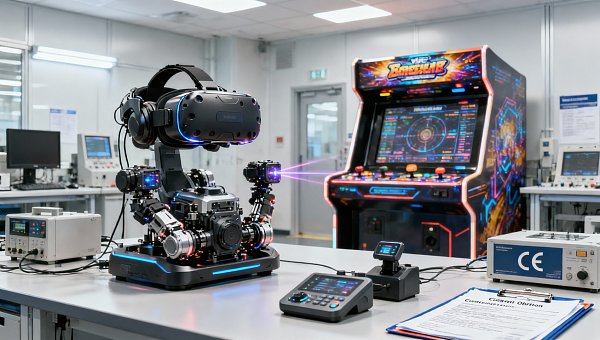
The portal mandates submission of steady-state and transient thermal profiles under three load conditions: idle, local rendering, and networked multi-client streaming. Manufacturers must calibrate instrumentation against Valve’s reference thermal camera model (FLIR A655sc) and report delta-T at six defined PCB hotspots.
Document SDK Integration Traceability
Submitted SDK compatibility reports must include commit-hash-verified build environments, GPU driver versions tested, and observed latency variance across five common tracking configurations (Lighthouse 2.0, inside-out, ultrasonic hybrid, etc.). Automated CI/CD logging is strongly recommended over manual test logs.
Editorial Perspective / Industry Observation
Observably, this initiative is less about broadening market access and more about tightening technical governance: Valve is shifting certification authority upstream — from regional certifiers to OEMs’ own quality systems. Analysis shows this mirrors trends in automotive ADAS validation (e.g., ISO 21448 SOTIF adoption), where platform owners increasingly treat supplier process maturity as a non-negotiable precondition. From an industry perspective, it signals growing expectation that hardware partners demonstrate end-to-end development discipline — not just final-product conformance.
Conclusion
This policy change does not lower technical barriers — rather, it redistributes verification responsibility. For the VR arcade sector, it strengthens platform-hardware co-development rigor but raises the bar for operational transparency. A rational interpretation is that Valve prioritizes long-term ecosystem reliability over short-term onboarding speed; sustained scalability hinges on measurable, auditable engineering practices — not just faster paperwork.
Source Attribution
Official announcement: Valve Developer Portal (https://developer.valvesoftware.com/wiki/SteamVR_OEM_Certification), updated May 18, 2026. Confirmed via press briefing with Valve Hardware Certification Team. Note: Full test specification documents and portal API schema remain under NDA pending Q3 2026 release — ongoing monitoring advised.
Search News
Hot Articles
- Restaurant FurnitureFast-Casual Restaurant Interiors: Design Choices That Improve Speed and Guest FlowOct 04, 2026
- Outdoor RidesHow to Select Leisure Park Equipment for Safe, High-Throughput Visitor AreasOct 03, 2026
- Fashion & Gem JewelryDiamond Tester Wholesale: How to Vet Accuracy, Calibration, and MOQ Before OrderingOct 02, 2026
Popular Tags
Need ExpertConsultation?
Connect with our specialized leisureengineering team for procurementstrategies.
Recommended News
 Sep 15, 2026How to Choose Coin-Operated Pool Tables for Bars, Hotels, and Arcade VenuesCoin operated pool tables for bars, hotels, and arcades: compare sizes, payment systems, durability, service access, and revenue potential.● Theme Park Strategist
 Sep 08, 2026What to Look for in a Flight Simulator Chair Manufacturer for Commercial VR CentersChoose a flight simulator chair manufacturer that delivers durable, safe, customizable seating for commercial VR centers. Explore key sourcing criteria now.● Theme Park Strategist
 Aug 25, 2026What to Evaluate Before Buying Commercial Self Service Photo Booths for VenuesCommercial self service photo booths for venues: learn how to evaluate durability, software stability, branding flexibility, support, and total ROI before you buy.● Theme Park Strategist
 Aug 23, 2026How to Evaluate Wholesale Vending Machines for Multi-Location Business DeploymentWholesale vending machines for multi-location deployment require more than low unit cost. Learn how to compare reliability, payments, telemetry, and supplier support to scale smarter.● Theme Park Strategist
 Aug 17, 2026U.S. CPSC Urges Bilingual Warnings for Arcade and VR MachinesU.S. CPSC urges bilingual safety warnings for Arcade & VR Machines—learn what exporters, importers, and distributors must do now to avoid delays and returns.● Theme Park Strategist
 Aug 16, 2026EU Enforces EN IEC 62368-1:2026 Certification for Arcade and VR MachinesEU Enforces EN IEC 62368-1:2026 certification for arcade and VR machines, reshaping EU market access, customs clearance, and compliance planning for exporters and distributors.● Theme Park Strategist
 Aug 13, 2026UFLPA’s new guidelines take effect: Exports of Arcade and VR equipment face full-link labor compliance requirementsUFLPA’s new guide takes effect: Arcade and VR machine exports to the U.S. now face full-chain labor compliance checks. Discover key risks and action steps.● Theme Park Strategist
 Aug 12, 2026EU PPWR takes effect, Arcade and VR packaging incorporate heavy metal and PFAS restrictionsEU PPWR now applies to Arcade and VR packaging, tightening heavy metal and PFAS compliance. Learn how exporters can avoid delays, fines, and customs risks.● Theme Park Strategist
 Aug 11, 2026CPSC Sets Bilingual Labels for Arcade and VR ImportsCPSC bilingual labels for arcade and VR imports become mandatory on October 1, 2026. Learn the new English-Spanish warning rules, customs risks, and key compliance steps now.● Theme Park Strategist
 Aug 10, 2026EU Rule Takes Effect for Arcade & VR Machine ClearanceArcade & VR Machine clearance in the EU now depends on EN IEC 62368-1:2026+A11:2026 compliance. Learn what changed, who is affected, and how to avoid customs delays.● Theme Park Strategist
 Aug 09, 2026CPSC Requires New Labels for Arcade and VR ImportsCPSC requires new labels for Arcade and VR imports starting Oct 1, 2026. Learn the multilingual warning rules, compliance risks, and key steps exporters and buyers must take now.● Theme Park Strategist
 Aug 08, 2026EU Entry Rule Tightens for Arcade & VR MachinesArcade & VR Machines entering the EU now face stricter CE compliance under EN IEC 62368-1:2026+A11:2026. Learn the new rule, risks, and what exporters must do now.● Theme Park Strategist
 Aug 07, 2026CPSC Notice Tightens U.S. Entry Rules for Arcade and VR MachinesCPSC Notice Tightens U.S. Entry Rules for Arcade and VR Machines: learn the new labeling, FCC, UN38.3, and compliance document requirements before October 1, 2026.● Theme Park Strategist
 Aug 06, 2026EU Rule Takes Effect for CE-UKCA Labels on Arcade & VR MachinesArcade & VR Machines face new CE-UKCA label and ECPD filing rules in the EU and UK. Learn what manufacturers, importers, and distributors must do now to avoid delays.● Theme Park Strategist
 Aug 05, 2026CPSC Recalls Arcade and VR Machines Over UL 62368-1CPSC recalls arcade and VR machines over UL 62368-1 non-compliance. Learn how this 2026 safety action may affect imports, distribution, customs clearance, and market access.● Theme Park Strategist
 Aug 02, 2026EU Sets New Certification Rule for Arcade and VR MachinesArcade and VR Machines face a new EU certification rule from Oct 1, 2026. Learn how EN IEC 62368-1:2026+A11:2026 affects CE marking, customs clearance, and market access.● Theme Park Strategist
 Aug 01, 2026CPSC Moves to Require Bilingual Warnings on Arcade and VR MachinesCPSC bilingual warnings for Arcade and VR Machines may reshape U.S. import compliance. Learn how English-Spanish labels affect packaging, customs risk, and shipment readiness.● Theme Park Strategist
 Jul 31, 2026EU Sets EN IEC 62368-1:2025 Rule for Arcade and VR MachinesEU Sets EN IEC 62368-1:2025 Rule for Arcade and VR Machines. Learn the new EU compliance deadlines, safety updates, and key actions for manufacturers, OEMs, and distributors.● Theme Park Strategist
 Jul 30, 2026CPSC Sets New Warning Label Rule for Arcade & VR MachinesCPSC sets a new warning label rule for Arcade & VR Machines effective August 15, 2026. Learn key compliance risks, multilingual label requirements, and shipment actions now.● Theme Park Strategist
 Jul 29, 2026EU Enforces New Safety Standard for Arcade and VR MachinesEU Enforces New Safety Standard for Arcade and VR Machines: learn how EN IEC 62368-1 affects CE compliance, customs clearance, and EU market access for exporters and buyers.● Theme Park Strategist
 Jul 28, 2026CPSC Sets ASTM F3472-26 Rule for Arcade & VR ImportsCPSC ASTM F3472-26 rule reshapes Arcade & VR imports to the U.S. Learn key compliance deadlines, certification risks, and what exporters, OEM/ODM suppliers, and buyers should do now.● Theme Park Strategist
 Jul 27, 2026EU Rule Takes Effect for Arcade & VR Machine CybersecurityEU Rule Takes Effect for Arcade & VR Machine Cybersecurity: learn how EN IEC 62443-3-3:2025 affects compliance, customs clearance, sales continuity, and supplier planning in the EU market.● Theme Park Strategist
 Jul 25, 2026CPSC Sets Bilingual Warning Rule for Arcade and VR ImportsCPSC bilingual warning rule for arcade and VR imports takes effect August 1, 2026. Learn how OEM/ODM exporters can avoid CBP delays, relabel shipments, and protect U.S. delivery timelines.● Theme Park Strategist
 Jul 24, 2026EU Enforces New Safety Standard for Arcade and VR MachinesEU Enforces New Safety Standard for Arcade and VR Machines: learn how EN IEC 62368-1:2026+A11:2026 reshapes EU compliance, CE documentation, testing timelines, and export readiness.● Theme Park Strategist