SteamVR Launches China OEM Direct Connect
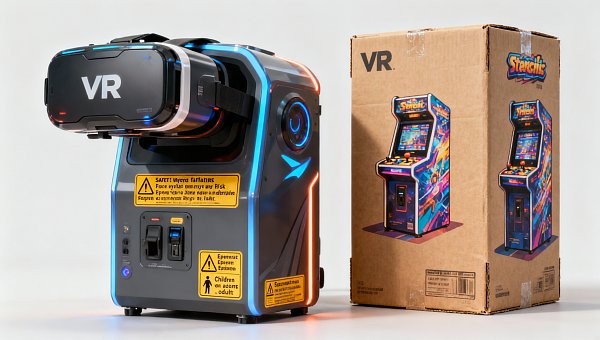
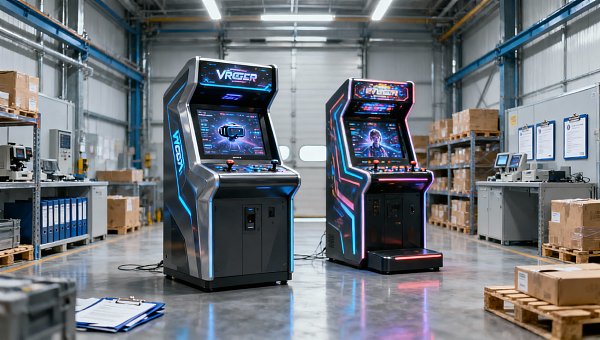
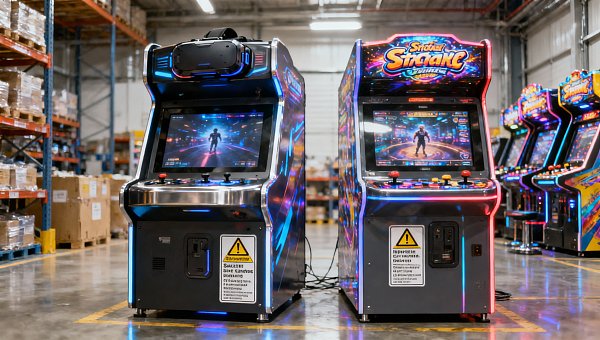
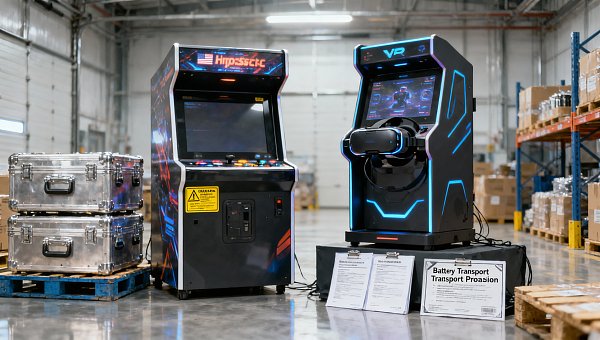
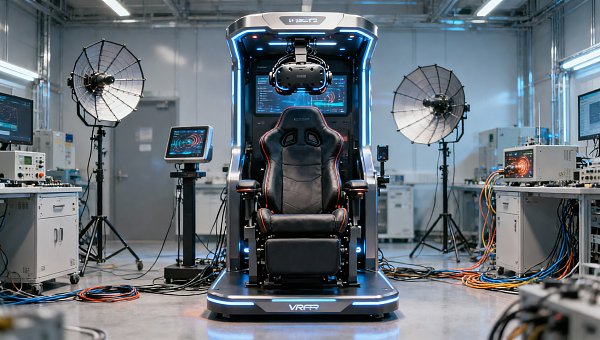
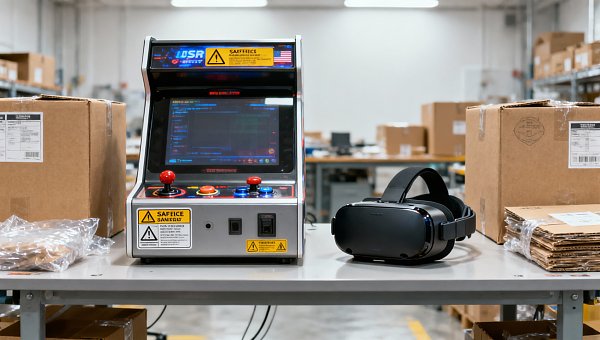
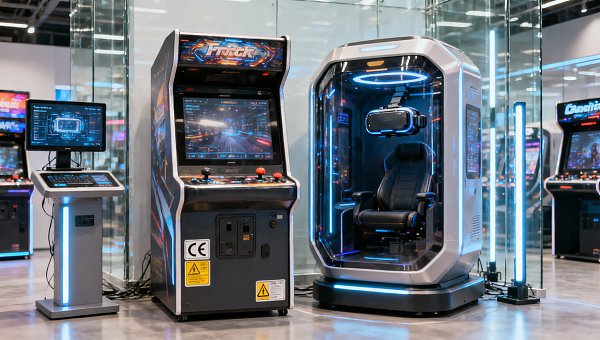
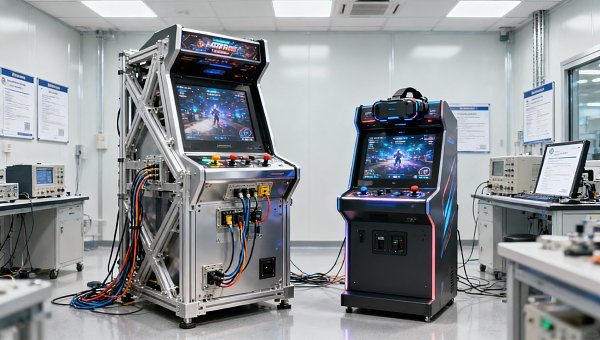
Global VR platform SteamVR announced on May 14, 2026 the launch of its ‘China OEM Direct Connect’ certification program — a regulatory and technical initiative aimed at streamlining integration of Chinese-made VR arcade hardware into international entertainment venues. The move directly addresses longstanding friction in cross-border deployment, particularly for operators in overseas theme parks and arcades seeking cost-efficient, compliant, and rapidly updatable VR solutions.
Event Overview
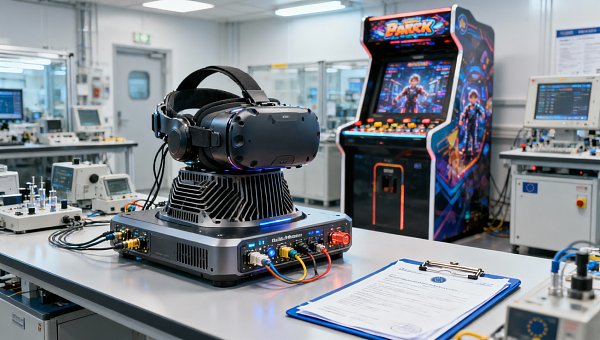
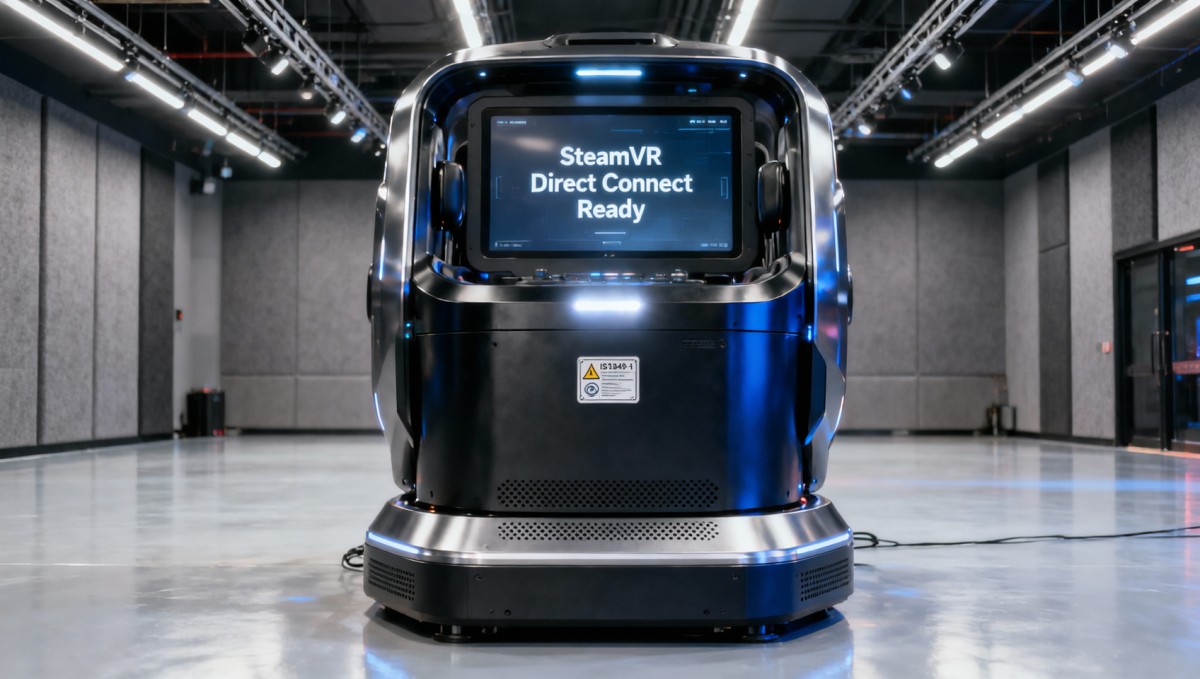
On May 14, 2026, SteamVR officially enabled the ‘China OEM Direct Connect’ certification channel. This allows Chinese arcade equipment manufacturers who have achieved ISO 13849-1 functional safety certification to connect their devices to SteamVR without pre-installing the full Steam platform. Certified devices support plug-and-play content invocation and over-the-air multilingual content updates. The program is designed to reduce integration costs and commissioning time for overseas buyers by up to 40%.
Industries Affected
Direct Trade Enterprises: Export-oriented arcade hardware vendors — especially those targeting North America, Europe, and Southeast Asia — now face lower technical barriers to market entry. Previously, mandatory platform bundling and regional certification delays constrained scalability; now, compliance with ISO 13849-1 alone unlocks direct SteamVR interoperability, shortening sales cycles and improving bid competitiveness in RFP-driven venue deployments.
Raw Material Procurement Enterprises: Suppliers of certified safety controllers, real-time motion tracking modules, and industrial-grade thermal management components may see increased demand. The ISO 13849-1 requirement elevates specification thresholds for embedded subsystems — meaning procurement decisions must now prioritize traceable safety validation (e.g., SIL 2 or PL d-rated components), not just cost or lead time.
Manufacturing Enterprises: Domestic VR hardware OEMs must reconfigure firmware architecture to support SteamVR’s lightweight runtime API instead of full Steam client dependency. This shifts engineering focus toward secure, low-latency device abstraction layers and OTA update resilience — tasks requiring deeper firmware expertise and updated QA protocols aligned with IEC 62443-4-2 for industrial IoT devices.
Supply Chain Service Providers: Certification consultants, test labs accredited for ISO 13849-1 (especially those with CNAS/UKAS recognition), and localization QA agencies are likely to experience higher project volume. Demand will rise not only for initial certification but also for ongoing audit readiness — particularly as SteamVR may introduce periodic conformance checks for certified models.
Key Considerations and Recommended Actions
Prioritize ISO 13849-1 certification roadmap
Manufacturers should treat ISO 13849-1 not as a one-off compliance step but as a strategic capability. Timeline planning must account for hazard analysis, safety-related software validation, and third-party witnessing — typically requiring 4–6 months from initiation to certificate issuance.
Evaluate firmware modularity for runtime decoupling
Teams must assess whether current device firmware supports clean separation between core VR rendering logic and SteamVR’s content orchestration layer. Where tight coupling exists, refactoring toward a standardized device abstraction interface (e.g., OpenXR-compliant driver extension) will accelerate certification readiness.
Align localization workflows with hot-update requirements
Since multilingual content updates are delivered dynamically, localization partners must shift from static asset bundling to versioned, signed content packages — with clear versioning, rollback capability, and language fallback rules embedded in update manifests.
Editorial Perspective / Industry Observation
Analysis shows this initiative is less about expanding SteamVR’s consumer footprint and more about institutionalizing China’s VR hardware ecosystem within global B2B entertainment infrastructure. Observably, Valve is responding to pressure from European and U.S. venue operators who cited high integration overhead as a key bottleneck in adopting Chinese VR cabinets. From an industry perspective, the move signals growing acceptance of China as a source of *certified* — not just cost-competitive — immersive hardware. Current more noteworthy is how quickly domestic suppliers adopt ISO 13849-1 beyond minimum compliance: early movers integrating functional safety into core design (rather than bolting it on late) will gain disproportionate advantage in tender evaluations where safety lifecycle documentation is weighted heavily.
Conclusion
This policy shift does not eliminate competitive dynamics but recalibrates them — shifting emphasis from unit cost to verifiable safety integration and deployment agility. For the global VR arcade sector, it represents a pragmatic step toward interoperability standardization, albeit one anchored in existing industrial safety frameworks rather than new open standards. A rational interpretation is that it lowers the floor for market participation while raising the ceiling for technical differentiation.
Source Attribution
Official announcement published on SteamVR Developer Portal (May 14, 2026); ISO 13849-1 certification requirements verified via IEC 62061 and TÜV SÜD guidance documents. Note: SteamVR has not disclosed whether future revisions will include mandatory cybersecurity attestation (e.g., IEC 62443-3-3) or extend eligibility to non-arcade VR form factors — both remain under observation.
Search News
Hot Articles
- Restaurant FurnitureFast-Casual Restaurant Interiors: Design Choices That Improve Speed and Guest FlowOct 04, 2026
- Outdoor RidesHow to Select Leisure Park Equipment for Safe, High-Throughput Visitor AreasOct 03, 2026
- Fashion & Gem JewelryDiamond Tester Wholesale: How to Vet Accuracy, Calibration, and MOQ Before OrderingOct 02, 2026
Popular Tags
Need ExpertConsultation?
Connect with our specialized leisureengineering team for procurementstrategies.
Recommended News
 Sep 15, 2026How to Choose Coin-Operated Pool Tables for Bars, Hotels, and Arcade VenuesCoin operated pool tables for bars, hotels, and arcades: compare sizes, payment systems, durability, service access, and revenue potential.● Theme Park Strategist
 Sep 08, 2026What to Look for in a Flight Simulator Chair Manufacturer for Commercial VR CentersChoose a flight simulator chair manufacturer that delivers durable, safe, customizable seating for commercial VR centers. Explore key sourcing criteria now.● Theme Park Strategist
 Aug 25, 2026What to Evaluate Before Buying Commercial Self Service Photo Booths for VenuesCommercial self service photo booths for venues: learn how to evaluate durability, software stability, branding flexibility, support, and total ROI before you buy.● Theme Park Strategist
 Aug 23, 2026How to Evaluate Wholesale Vending Machines for Multi-Location Business DeploymentWholesale vending machines for multi-location deployment require more than low unit cost. Learn how to compare reliability, payments, telemetry, and supplier support to scale smarter.● Theme Park Strategist
 Aug 17, 2026U.S. CPSC Urges Bilingual Warnings for Arcade and VR MachinesU.S. CPSC urges bilingual safety warnings for Arcade & VR Machines—learn what exporters, importers, and distributors must do now to avoid delays and returns.● Theme Park Strategist
 Aug 16, 2026EU Enforces EN IEC 62368-1:2026 Certification for Arcade and VR MachinesEU Enforces EN IEC 62368-1:2026 certification for arcade and VR machines, reshaping EU market access, customs clearance, and compliance planning for exporters and distributors.● Theme Park Strategist
 Aug 13, 2026UFLPA’s new guidelines take effect: Exports of Arcade and VR equipment face full-link labor compliance requirementsUFLPA’s new guide takes effect: Arcade and VR machine exports to the U.S. now face full-chain labor compliance checks. Discover key risks and action steps.● Theme Park Strategist
 Aug 12, 2026EU PPWR takes effect, Arcade and VR packaging incorporate heavy metal and PFAS restrictionsEU PPWR now applies to Arcade and VR packaging, tightening heavy metal and PFAS compliance. Learn how exporters can avoid delays, fines, and customs risks.● Theme Park Strategist
 Aug 11, 2026CPSC Sets Bilingual Labels for Arcade and VR ImportsCPSC bilingual labels for arcade and VR imports become mandatory on October 1, 2026. Learn the new English-Spanish warning rules, customs risks, and key compliance steps now.● Theme Park Strategist
 Aug 10, 2026EU Rule Takes Effect for Arcade & VR Machine ClearanceArcade & VR Machine clearance in the EU now depends on EN IEC 62368-1:2026+A11:2026 compliance. Learn what changed, who is affected, and how to avoid customs delays.● Theme Park Strategist
 Aug 09, 2026CPSC Requires New Labels for Arcade and VR ImportsCPSC requires new labels for Arcade and VR imports starting Oct 1, 2026. Learn the multilingual warning rules, compliance risks, and key steps exporters and buyers must take now.● Theme Park Strategist
 Aug 08, 2026EU Entry Rule Tightens for Arcade & VR MachinesArcade & VR Machines entering the EU now face stricter CE compliance under EN IEC 62368-1:2026+A11:2026. Learn the new rule, risks, and what exporters must do now.● Theme Park Strategist
 Aug 07, 2026CPSC Notice Tightens U.S. Entry Rules for Arcade and VR MachinesCPSC Notice Tightens U.S. Entry Rules for Arcade and VR Machines: learn the new labeling, FCC, UN38.3, and compliance document requirements before October 1, 2026.● Theme Park Strategist
 Aug 06, 2026EU Rule Takes Effect for CE-UKCA Labels on Arcade & VR MachinesArcade & VR Machines face new CE-UKCA label and ECPD filing rules in the EU and UK. Learn what manufacturers, importers, and distributors must do now to avoid delays.● Theme Park Strategist
 Aug 05, 2026CPSC Recalls Arcade and VR Machines Over UL 62368-1CPSC recalls arcade and VR machines over UL 62368-1 non-compliance. Learn how this 2026 safety action may affect imports, distribution, customs clearance, and market access.● Theme Park Strategist
 Aug 02, 2026EU Sets New Certification Rule for Arcade and VR MachinesArcade and VR Machines face a new EU certification rule from Oct 1, 2026. Learn how EN IEC 62368-1:2026+A11:2026 affects CE marking, customs clearance, and market access.● Theme Park Strategist
 Aug 01, 2026CPSC Moves to Require Bilingual Warnings on Arcade and VR MachinesCPSC bilingual warnings for Arcade and VR Machines may reshape U.S. import compliance. Learn how English-Spanish labels affect packaging, customs risk, and shipment readiness.● Theme Park Strategist
 Jul 31, 2026EU Sets EN IEC 62368-1:2025 Rule for Arcade and VR MachinesEU Sets EN IEC 62368-1:2025 Rule for Arcade and VR Machines. Learn the new EU compliance deadlines, safety updates, and key actions for manufacturers, OEMs, and distributors.● Theme Park Strategist
 Jul 30, 2026CPSC Sets New Warning Label Rule for Arcade & VR MachinesCPSC sets a new warning label rule for Arcade & VR Machines effective August 15, 2026. Learn key compliance risks, multilingual label requirements, and shipment actions now.● Theme Park Strategist
 Jul 29, 2026EU Enforces New Safety Standard for Arcade and VR MachinesEU Enforces New Safety Standard for Arcade and VR Machines: learn how EN IEC 62368-1 affects CE compliance, customs clearance, and EU market access for exporters and buyers.● Theme Park Strategist
 Jul 28, 2026CPSC Sets ASTM F3472-26 Rule for Arcade & VR ImportsCPSC ASTM F3472-26 rule reshapes Arcade & VR imports to the U.S. Learn key compliance deadlines, certification risks, and what exporters, OEM/ODM suppliers, and buyers should do now.● Theme Park Strategist
 Jul 27, 2026EU Rule Takes Effect for Arcade & VR Machine CybersecurityEU Rule Takes Effect for Arcade & VR Machine Cybersecurity: learn how EN IEC 62443-3-3:2025 affects compliance, customs clearance, sales continuity, and supplier planning in the EU market.● Theme Park Strategist
 Jul 25, 2026CPSC Sets Bilingual Warning Rule for Arcade and VR ImportsCPSC bilingual warning rule for arcade and VR imports takes effect August 1, 2026. Learn how OEM/ODM exporters can avoid CBP delays, relabel shipments, and protect U.S. delivery timelines.● Theme Park Strategist
 Jul 24, 2026EU Enforces New Safety Standard for Arcade and VR MachinesEU Enforces New Safety Standard for Arcade and VR Machines: learn how EN IEC 62368-1:2026+A11:2026 reshapes EU compliance, CE documentation, testing timelines, and export readiness.● Theme Park Strategist