Slot machines wholesale: what changes with refurbished units?
In slot machines wholesale, refurbished units can significantly change the balance between cost, lead time, and operational reliability. For commercial buyers comparing fleet expansion, venue upgrades, or cross-border replacement programs, the real question is not whether refurbished machines are cheaper. It is whether the refurbishment process preserves compliance, service life, player appeal, and technical stability well enough to support long-term revenue. In practice, slot machines wholesale decisions shift when refurbished units enter the picture because pricing becomes only one variable among certification, parts sourcing, software compatibility, warranty terms, and logistics speed.
Understanding refurbished units in slot machines wholesale
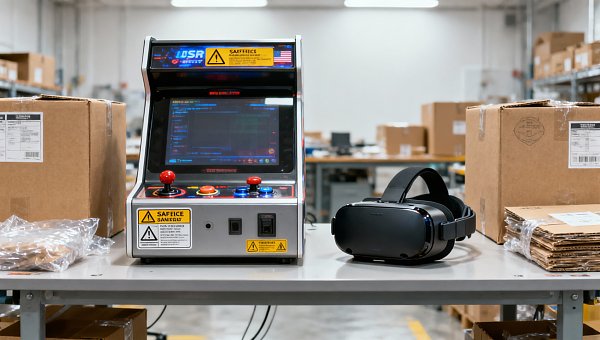
In slot machines wholesale, a refurbished unit is typically a previously deployed machine that has been inspected, repaired, cleaned, updated, and tested before resale. This is different from a simple used machine sold as-is. A proper refurbishment process may include cabinet restoration, screen replacement, bill validator servicing, button deck repair, firmware updates, power supply checks, and replacement of worn internal components. Depending on the source, some units also receive cosmetic refinishing to better match newer floor designs.
The quality gap between used and refurbished is critical. In slot machines wholesale, one supplier may define refurbishment as basic cleaning and boot testing, while another may perform full teardown diagnostics, board-level repair, and multi-day operational burn-in. That difference changes risk exposure immediately. A low purchase price can quickly lose value if machines arrive with unstable I/O boards, obsolete displays, unsupported software, or mismatched jurisdiction settings.
Because the amusement and leisure segment often operates with mixed asset portfolios, refurbished units appeal to buyers seeking faster deployment without committing to full-price new inventory. They can fit route operations, secondary gaming floors, test markets, training environments, or phased venue refreshes where budget discipline matters as much as visual consistency.
What changes most when refurbished machines enter the buying decision
The biggest shift in slot machines wholesale is that decision-making becomes more technical and less catalog-driven. New machines are usually evaluated on current feature sets, game library, brand support, and standard warranty. Refurbished machines require deeper verification across condition, origin, revision history, and component lifespan.
This is why slot machines wholesale involving refurbished inventory is less about bargain hunting and more about asset evaluation. A well-restored machine with documented testing may outperform an older “discount” unit that lacks traceability, approved software, or service support.
Current market signals shaping refurbished demand
Several market conditions have made refurbished supply more visible in slot machines wholesale. The first is capital efficiency. Commercial entertainment operators in many regions are balancing selective reinvestment with tighter financing assumptions. The second is lead-time uncertainty for certain new electronic assemblies and displays. The third is the rising value of lifecycle extension, especially for proven cabinets that still fit operational needs.
- Higher interest in mixed fleets that combine flagship new units with cost-controlled refurbished banks
- Stronger demand for fast-ship inventory in renovation or reopening schedules
- Greater scrutiny of technical documentation, certification status, and machine history
- More attention to spare parts planning before purchase approval
- Increased use of refurbished units in secondary venues, route operations, and regional expansion
Within the broader commercial trade environment, this trend aligns with practical sourcing behavior across many categories: buyers increasingly compare total lifecycle value rather than headline pricing alone. In slot machines wholesale, that means refurbished assets are evaluated against deployment speed, maintenance predictability, and the ability to maintain uptime without operational surprises.
Operational and financial value of refurbished slot machines
Refurbished machines can create genuine value in slot machines wholesale when the procurement model matches the operating context. The most obvious benefit is lower capital outlay, but several secondary benefits matter just as much. Faster inventory access can reduce project delays. Proven cabinet formats may integrate more easily into existing service routines. Older but stable hardware may also support familiar workflows for floor teams and technicians.
There is also a portfolio effect. Not every venue zone needs the newest premium cabinet. Some areas perform well with dependable, recognizable machines that are visually refreshed and technically sound. In those cases, slot machines wholesale built around refurbished stock can free budget for premium experiences elsewhere, such as digital signage, redemption systems, foodservice enhancements, or broader leisure infrastructure.
However, value exists only when refurbishment quality is disciplined. If one unit requires repeated field repair, labor, downtime, and guest dissatisfaction can erase the initial savings. The best wholesale outcomes come from balancing acquisition cost with expected maintenance load, software support, and realistic revenue lifespan.
Typical use cases for refurbished inventory in slot machines wholesale
Different commercial settings use refurbished units for different reasons. The table below shows where slot machines wholesale with refurbished stock tends to be most practical.
Key checkpoints before placing a wholesale order
A disciplined buying checklist is essential in slot machines wholesale when refurbished units are involved. Documentation should be as important as visual inspection. Without a clear record of what was repaired, replaced, tested, and approved, buyers are effectively pricing uncertainty.
- Refurbishment scope: Ask for a written breakdown covering cabinet, screens, validators, boards, wiring, cooling systems, locks, and software.
- Testing protocol: Confirm burn-in duration, diagnostic procedures, payout verification, peripheral checks, and acceptance criteria.
- Compliance status: Verify serial records, approved configurations, regional certifications, and whether any components affect legal deployment.
- Parts roadmap: Review spare part sources, end-of-life risk, interchangeable components, and expected service windows.
- Software and content: Check licensing, compatibility, version control, and whether game packages are legally transferable.
- Warranty and support: Compare response times, remote diagnosis availability, DOA terms, and replacement procedures.
- Logistics condition: Confirm packing standards, moisture protection, shock control, and pre-shipment inspection evidence.
These checkpoints help transform slot machines wholesale from a speculative purchase into a controlled sourcing process. The more legacy the platform, the more important it becomes to validate technical support and future maintainability before shipment.
Practical sourcing approach for stronger long-term outcomes
A practical approach to slot machines wholesale starts with segmenting inventory by strategic role. Premium floor anchors, brand-driven launches, and high-visibility guest zones often justify new equipment. Refurbished machines may be better suited to support banks, expansion phases, or value-focused operational layers. This avoids forcing one asset type into every commercial objective.
It is also useful to standardize evaluation metrics before supplier comparison. Instead of comparing only per-unit pricing, compare tested uptime expectations, included spare parts, software status, cabinet condition grade, warranty coverage, and estimated annual maintenance burden. In slot machines wholesale, these variables often explain why two refurbished offers with similar pricing produce very different ownership costs.
Another effective step is trial deployment. A pilot batch can reveal service patterns, player response, and technical consistency before a larger commitment. This is especially valuable when sourcing across borders, where voltage standards, certification pathways, or after-sales coordination may differ from domestic assumptions.
Next-step framework for evaluating refurbished opportunities
When assessing slot machines wholesale opportunities, begin by defining the role the machines must play: flagship attraction, dependable volume unit, temporary replacement, or regional rollout asset. Then match that role against acceptable risk tolerance in cosmetics, software age, component wear, and warranty depth. This creates a clearer sourcing framework than cost comparison alone.
The strongest results usually come from requesting a refurbishment checklist, compliance evidence, parts plan, and support matrix before negotiating final pricing. If those documents are complete and the test standards are credible, refurbished units can be a smart part of slot machines wholesale strategy. If they are vague or inconsistent, the discount may simply be deferred cost.
In today’s commercial sourcing environment, refurbished inventory is neither automatically risky nor automatically economical. Its value depends on how well technical condition, legal readiness, and service support are documented and aligned with the operating model. For organizations building resilient entertainment assets, slot machines wholesale works best when refurbished units are treated as managed commercial equipment, not just cheaper alternatives.
Search News
Hot Articles
- Stationery & UniformsHow Schools Can Cut Printing Costs When Buying Ink Cartridges in BulkSep 21, 2026
- Jewelry Packaging & DisplayHow to Evaluate a Luxury Retail Packaging Supplier for Premium Brand ConsistencySep 20, 2026
- Commercial KitchenHow to Select a Spiral Dough Mixer for Bakery Batch Size and Dough HydrationSep 19, 2026
Popular Tags
Need ExpertConsultation?
Connect with our specialized leisureengineering team for procurementstrategies.
Recommended News
 Sep 15, 2026How to Choose Coin-Operated Pool Tables for Bars, Hotels, and Arcade VenuesCoin operated pool tables for bars, hotels, and arcades: compare sizes, payment systems, durability, service access, and revenue potential.● Theme Park Strategist
 Sep 08, 2026What to Look for in a Flight Simulator Chair Manufacturer for Commercial VR CentersChoose a flight simulator chair manufacturer that delivers durable, safe, customizable seating for commercial VR centers. Explore key sourcing criteria now.● Theme Park Strategist
 Aug 25, 2026What to Evaluate Before Buying Commercial Self Service Photo Booths for VenuesCommercial self service photo booths for venues: learn how to evaluate durability, software stability, branding flexibility, support, and total ROI before you buy.● Theme Park Strategist
 Aug 23, 2026How to Evaluate Wholesale Vending Machines for Multi-Location Business DeploymentWholesale vending machines for multi-location deployment require more than low unit cost. Learn how to compare reliability, payments, telemetry, and supplier support to scale smarter.● Theme Park Strategist
 Aug 17, 2026U.S. CPSC Urges Bilingual Warnings for Arcade and VR MachinesU.S. CPSC urges bilingual safety warnings for Arcade & VR Machines—learn what exporters, importers, and distributors must do now to avoid delays and returns.● Theme Park Strategist
 Aug 16, 2026EU Enforces EN IEC 62368-1:2026 Certification for Arcade and VR MachinesEU Enforces EN IEC 62368-1:2026 certification for arcade and VR machines, reshaping EU market access, customs clearance, and compliance planning for exporters and distributors.● Theme Park Strategist
 Aug 13, 2026UFLPA’s new guidelines take effect: Exports of Arcade and VR equipment face full-link labor compliance requirementsUFLPA’s new guide takes effect: Arcade and VR machine exports to the U.S. now face full-chain labor compliance checks. Discover key risks and action steps.● Theme Park Strategist
 Aug 12, 2026EU PPWR takes effect, Arcade and VR packaging incorporate heavy metal and PFAS restrictionsEU PPWR now applies to Arcade and VR packaging, tightening heavy metal and PFAS compliance. Learn how exporters can avoid delays, fines, and customs risks.● Theme Park Strategist
 Aug 11, 2026CPSC Sets Bilingual Labels for Arcade and VR ImportsCPSC bilingual labels for arcade and VR imports become mandatory on October 1, 2026. Learn the new English-Spanish warning rules, customs risks, and key compliance steps now.● Theme Park Strategist
 Aug 10, 2026EU Rule Takes Effect for Arcade & VR Machine ClearanceArcade & VR Machine clearance in the EU now depends on EN IEC 62368-1:2026+A11:2026 compliance. Learn what changed, who is affected, and how to avoid customs delays.● Theme Park Strategist
 Aug 09, 2026CPSC Requires New Labels for Arcade and VR ImportsCPSC requires new labels for Arcade and VR imports starting Oct 1, 2026. Learn the multilingual warning rules, compliance risks, and key steps exporters and buyers must take now.● Theme Park Strategist
 Aug 08, 2026EU Entry Rule Tightens for Arcade & VR MachinesArcade & VR Machines entering the EU now face stricter CE compliance under EN IEC 62368-1:2026+A11:2026. Learn the new rule, risks, and what exporters must do now.● Theme Park Strategist
 Aug 07, 2026CPSC Notice Tightens U.S. Entry Rules for Arcade and VR MachinesCPSC Notice Tightens U.S. Entry Rules for Arcade and VR Machines: learn the new labeling, FCC, UN38.3, and compliance document requirements before October 1, 2026.● Theme Park Strategist
 Aug 06, 2026EU Rule Takes Effect for CE-UKCA Labels on Arcade & VR MachinesArcade & VR Machines face new CE-UKCA label and ECPD filing rules in the EU and UK. Learn what manufacturers, importers, and distributors must do now to avoid delays.● Theme Park Strategist
 Aug 05, 2026CPSC Recalls Arcade and VR Machines Over UL 62368-1CPSC recalls arcade and VR machines over UL 62368-1 non-compliance. Learn how this 2026 safety action may affect imports, distribution, customs clearance, and market access.● Theme Park Strategist
 Aug 02, 2026EU Sets New Certification Rule for Arcade and VR MachinesArcade and VR Machines face a new EU certification rule from Oct 1, 2026. Learn how EN IEC 62368-1:2026+A11:2026 affects CE marking, customs clearance, and market access.● Theme Park Strategist
 Aug 01, 2026CPSC Moves to Require Bilingual Warnings on Arcade and VR MachinesCPSC bilingual warnings for Arcade and VR Machines may reshape U.S. import compliance. Learn how English-Spanish labels affect packaging, customs risk, and shipment readiness.● Theme Park Strategist
 Jul 31, 2026EU Sets EN IEC 62368-1:2025 Rule for Arcade and VR MachinesEU Sets EN IEC 62368-1:2025 Rule for Arcade and VR Machines. Learn the new EU compliance deadlines, safety updates, and key actions for manufacturers, OEMs, and distributors.● Theme Park Strategist
 Jul 30, 2026CPSC Sets New Warning Label Rule for Arcade & VR MachinesCPSC sets a new warning label rule for Arcade & VR Machines effective August 15, 2026. Learn key compliance risks, multilingual label requirements, and shipment actions now.● Theme Park Strategist
 Jul 29, 2026EU Enforces New Safety Standard for Arcade and VR MachinesEU Enforces New Safety Standard for Arcade and VR Machines: learn how EN IEC 62368-1 affects CE compliance, customs clearance, and EU market access for exporters and buyers.● Theme Park Strategist
 Jul 28, 2026CPSC Sets ASTM F3472-26 Rule for Arcade & VR ImportsCPSC ASTM F3472-26 rule reshapes Arcade & VR imports to the U.S. Learn key compliance deadlines, certification risks, and what exporters, OEM/ODM suppliers, and buyers should do now.● Theme Park Strategist
 Jul 27, 2026EU Rule Takes Effect for Arcade & VR Machine CybersecurityEU Rule Takes Effect for Arcade & VR Machine Cybersecurity: learn how EN IEC 62443-3-3:2025 affects compliance, customs clearance, sales continuity, and supplier planning in the EU market.● Theme Park Strategist
 Jul 25, 2026CPSC Sets Bilingual Warning Rule for Arcade and VR ImportsCPSC bilingual warning rule for arcade and VR imports takes effect August 1, 2026. Learn how OEM/ODM exporters can avoid CBP delays, relabel shipments, and protect U.S. delivery timelines.● Theme Park Strategist
 Jul 24, 2026EU Enforces New Safety Standard for Arcade and VR MachinesEU Enforces New Safety Standard for Arcade and VR Machines: learn how EN IEC 62368-1:2026+A11:2026 reshapes EU compliance, CE documentation, testing timelines, and export readiness.● Theme Park Strategist