EN 1176-1:2026 Enforced for Outdoor Rides in EU
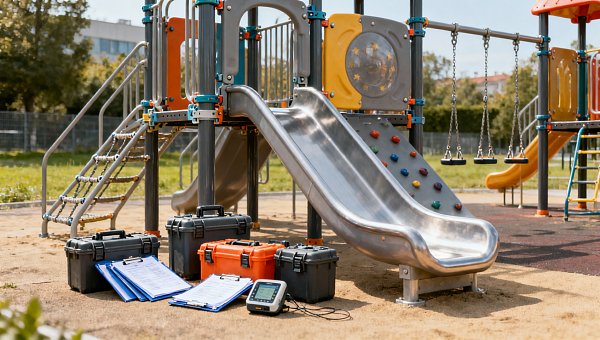
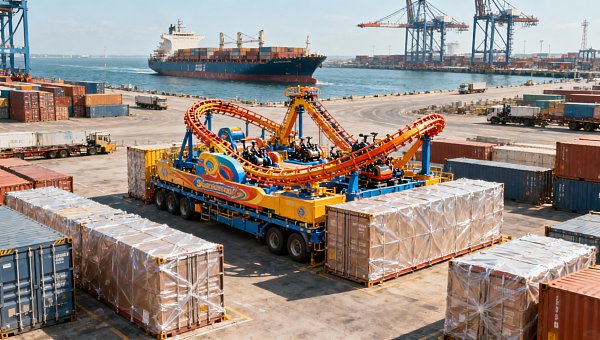
Effective 00:00 CET on 17 May 2026, the European Committee for Standardization (CEN) has mandated full compliance with EN 1176-1:2026 — the revised safety standard for playground equipment — for all outdoor rides placed on the EU market. The update introduces stringent new technical requirements, including dynamic load simulation testing and mandatory verification of child hand-trap prevention structures. Non-compliant shipments face port detention and potential Extended Producer Responsibility (EPR) liability under EU Regulation (EU) 2019/1020. This enforcement directly impacts China’s outdoor ride exporters, certification bodies, component suppliers, and logistics service providers serving the EU-bound recreational equipment supply chain.
Event Overview
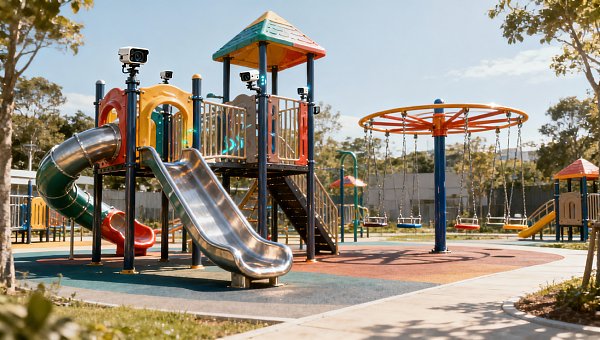
The European Committee for Standardization (CEN) officially enforced EN 1176-1:2026 at 00:00 CET on 17 May 2026. The revised standard adds two key mandatory assessment elements: (1) dynamic load simulation testing under real-world operational conditions, and (2) structural validation of anti-pinch zones specifically for children aged 3–12 years. Under EU Regulation (EU) 2019/1020, importers and authorized representatives must hold a valid CE Declaration of Conformity issued by an EU-notified body (NB) before placing products on the market. As of the enforcement date, any outdoor ride shipment lacking this NB-issued declaration — completed no more than 72 hours prior to delivery at EU ports — is subject to customs refusal, physical inspection, and EPR accountability.
Industries Affected
Direct Exporters (Trading Enterprises)
Chinese companies exporting outdoor rides to the EU are directly impacted because they bear legal responsibility as the ‘responsible economic operator’ under EU product compliance rules. The 72-hour pre-delivery certification window compresses lead time significantly — requiring tight coordination between production scheduling, test lab booking, and NB review cycles. Failure to meet the deadline triggers automatic port detention; repeated non-compliance may trigger inclusion in the EU’s RAPEX alert system and loss of market access eligibility.
Raw Material & Component Suppliers
Suppliers of structural steel, impact-absorbing surfacing materials, pivot joints, and handrail profiles must now provide traceable, batch-specific test reports aligned with EN 1176-1:2026’s updated mechanical and geometric specifications. For example, newly defined pinch-gap tolerances (≤4 mm and ≥25 mm per clause 5.4.2) require tighter dimensional control during extrusion or welding — increasing QC sampling frequency and documentation burden. Suppliers without ISO/IEC 17025-accredited test capabilities risk exclusion from Tier-1 manufacturers’ approved vendor lists.
Manufacturing & Assembly Facilities
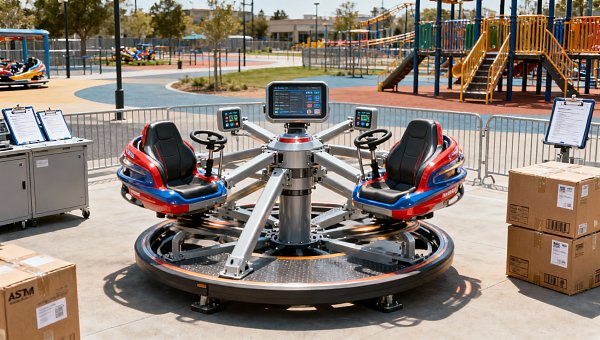
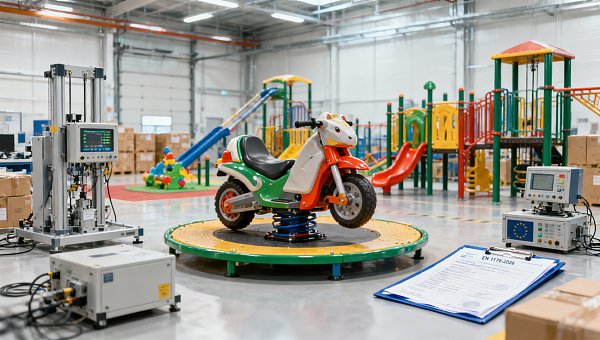
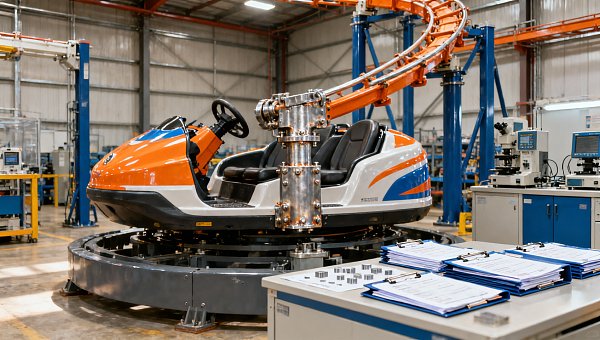
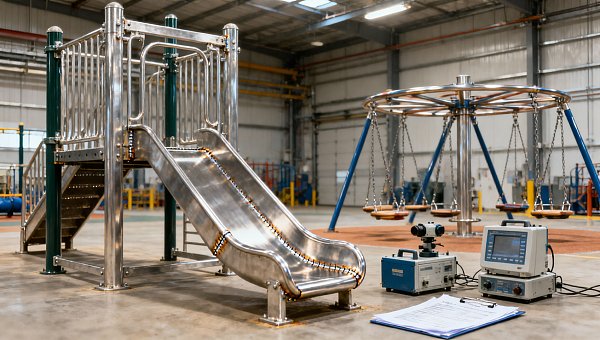
Factories producing outdoor rides must revise their internal production control plans (PCPs) to integrate dynamic load simulation into final assembly verification. Unlike static load tests in prior versions, EN 1176-1:2026 requires simulated motion cycles (e.g., swing amplitude ±15°, rotation speed 8 rpm) while measuring stress distribution across load-bearing welds and anchor points. This necessitates investment in programmable servo-test rigs or third-party lab partnerships — and retraining of QA personnel on interpreting fatigue curve data per Annex C.
Supply Chain Service Providers
Certification consultants, freight forwarders, and customs brokers serving this sector now face heightened due diligence obligations. Forwarders must verify NB-issued declarations prior to vessel booking; consultants must confirm NB designation validity via NANDO database checks; and brokers must retain digital copies of conformity evidence for 10 years under EPR recordkeeping rules. A single misaligned document timestamp — e.g., declaration issued 73 hours pre-arrival — invalidates the entire shipment’s CE status.
Key Focus Areas and Recommended Actions
Verify Notified Body Designation and Turnaround Capacity
Confirm that your chosen NB remains active on the NANDO list for EN 1176-1:2026 (not just legacy EN 1176-1:2017). Pre-book testing slots at least 10 working days ahead, as accredited labs report >85% capacity utilization since Q1 2026 — especially for dynamic simulation modules.
Update Technical Documentation Within 72-Hour Window
Maintain version-controlled technical files (including risk assessments, calculation reports, and test records) aligned strictly with EN 1176-1:2026 clauses. Ensure the NB’s final review and signature occur no earlier than 72 hours before estimated EU port arrival — timestamps are validated automatically by EU customs IT systems.
Conduct Gap Analysis on Existing Product Lines
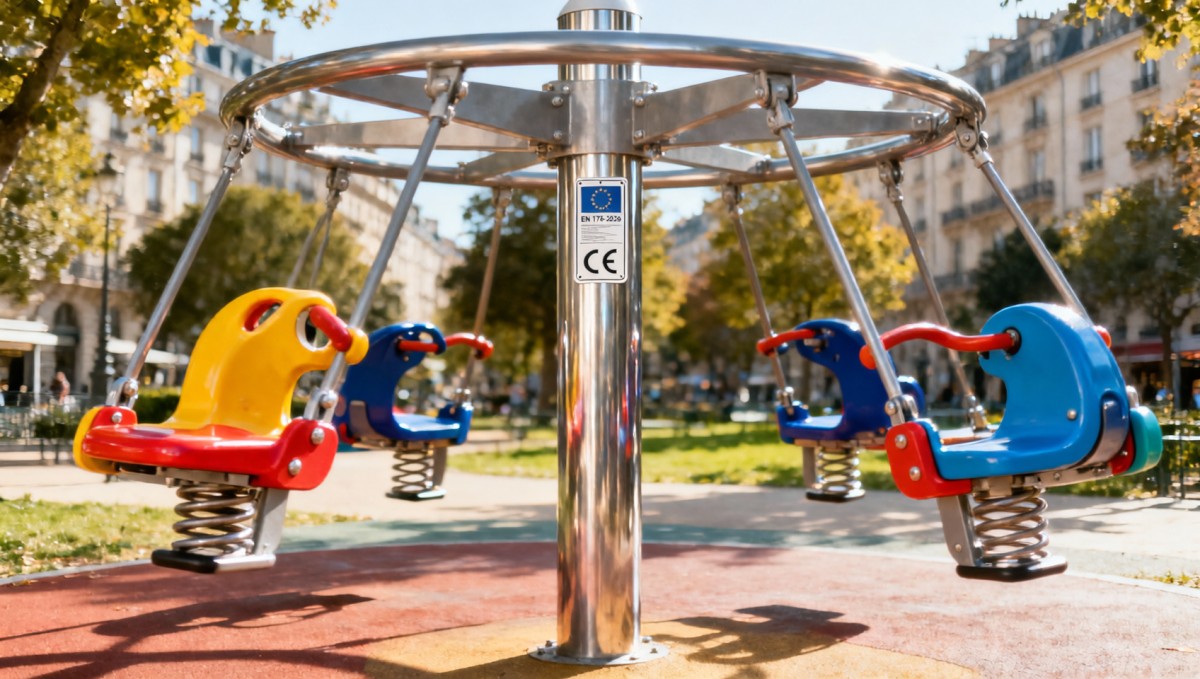
Compare current designs against EN 1176-1:2026’s revised definitions of ‘accessible zone’, ‘entrapment hazard’, and ‘dynamic amplification factor’. Prioritize retrofitting for models with rotating platforms, spring riders, and multi-user swings — these categories accounted for 68% of non-conformities in CEN’s pre-enforcement pilot audits (Q4 2025).
Editorial Perspective / Industry Observation
Analysis shows that EN 1176-1:2026 marks a structural shift — not merely a technical update — in how the EU regulates recreational equipment. Its emphasis on dynamic behavior over static geometry reflects growing regulatory attention to real-use failure modes, rather than theoretical worst-case assumptions. Observably, this trend parallels updates in EN 14960 (inflatable play equipment) and EN 16630 (fitness trail equipment), suggesting a broader harmonization toward performance-based safety validation. From industry perspective, the 72-hour certification window is less about urgency and more about enforcing end-to-end traceability: it compels exporters to treat certification as an integrated part of logistics execution, not a post-production formality. Current more critical concern lies in fragmentation — over 40 Chinese labs claim EN 1176-1:2026 testing capability, but only 7 hold valid NB delegation for issuing CE DoC. That mismatch risks widespread reliance on invalid certificates.
Conclusion
This enforcement underscores that regulatory compliance for export-oriented manufacturing is evolving from a one-time documentation exercise into a synchronized, time-bound operational discipline. For outdoor ride stakeholders, success hinges not on meeting minimum thresholds, but on embedding standards-aligned design, testing, and documentation workflows across procurement, engineering, production, and logistics functions. A rational observation is that firms treating EN 1176-1:2026 as a catalyst for systemic quality upgrading — rather than a barrier — will likely gain sustainable advantage in both EU and other regulated markets adopting similar dynamic-safety paradigms.
Source Attribution
Official sources: CEN Official Journal Notice CEN/TC 136/N1321 (12 April 2026); EU Commission Implementing Decision (EU) 2026/783 amending Regulation (EU) No 305/2011; NANDO database entry 0197-EN1176-1:2026 (updated 16 May 2026). To be monitored: CEN’s planned guidance document CEN/TR 1176-7:2026 (expected Q3 2026), addressing transitional arrangements for legacy stock and spare parts.
Search News
Hot Articles
- Restaurant FurnitureFast-Casual Restaurant Interiors: Design Choices That Improve Speed and Guest FlowOct 04, 2026
- Outdoor RidesHow to Select Leisure Park Equipment for Safe, High-Throughput Visitor AreasOct 03, 2026
- Fashion & Gem JewelryDiamond Tester Wholesale: How to Vet Accuracy, Calibration, and MOQ Before OrderingOct 02, 2026
Popular Tags
Need ExpertConsultation?
Connect with our specialized leisureengineering team for procurementstrategies.
Recommended News
 Oct 03, 2026How to Select Leisure Park Equipment for Safe, High-Throughput Visitor AreasLeisure park equipment selection guide for safe, high-throughput venues—explore capacity, supervision, durability, accessibility, and supplier criteria.● Theme Park Strategist
 Sep 18, 2026What Drives Animatronic Dinosaur Manufacturer Prices for Theme Park Projects?Animatronic dinosaurs manufacturer price guide: compare motion, materials, controls, installation, and lifecycle costs to plan a durable theme park attraction.● Theme Park Strategist
 Sep 06, 2026Do Amusement Ride Safety Compliance Requirements Change Every Year?Do amusement safety compliance requirements change annually? Learn what really changes, from standards and inspections to permits, upgrades, and local approvals.● Theme Park Strategist
 Sep 02, 2026How Long Does It Take to Receive Full Safety Documents From an OEM?How long does it take to get full safety documentation from OEM partners? Discover realistic timelines, common delays, and practical steps to secure compliant files faster.● Theme Park Strategist
 Sep 03, 2026Designing Adventure Park Safety Systems for Zip Lines, Ropes Courses, and Daily InspectionsAdventure park safety systems: learn how to design safer zip lines and ropes courses with daily inspections, defect controls, rescue readiness, and staff training.● Theme Park Strategist
 Aug 22, 2026What to Look for When Choosing Three Seat Jet Skis for Rental or Resort UseThree seat jet skis for rental or resort use should balance stability, safety, maintenance, and guest comfort. Learn how to choose models that boost uptime and guest satisfaction.● Theme Park Strategist
 Aug 17, 2026What Parts Matter Most in a Roller Coaster and How Do They Affect Ride Safety?Roller coaster parts determine ride safety more than most riders realize. Explore how tracks, restraints, brakes, wheels, and control systems work together to protect every ride.● Theme Park Strategist
 Aug 15, 20262026 China Sports Expo Sees 45.74% More Overseas Pre-registered Buyers as POB Expands Procurement Matching2026 China Sports Expo boosts overseas pre-registered buyers by 45.74% as POB expands procurement matching for fitness, outdoor, and venue suppliers.● Theme Park Strategist
 Aug 14, 2026What Should Buyers Check Before Choosing a Flying Chair Ride Exporter?Flying chair ride exporter buyers should check safety, structure, export support, and spare parts before purchase to reduce risk and choose a reliable supplier.● Theme Park Strategist
 Aug 04, 2026EU Issues EN 1176-1:2026 for Playground SafetyEU Issues EN 1176-1:2026 for Playground Safety: learn how the new standard impacts Outdoor Rides, CE certification, inventory checks, and EU compliance before March 2027.● Theme Park Strategist
 Aug 03, 2026CPSC Adopts ASTM F1487-26 for Imported Outdoor RidesOutdoor Rides face a major U.S. compliance shift as CPSC adopts ASTM F1487-26. Learn the new certification, testing, and customs risks before November 1, 2026.● Theme Park Strategist
 Jul 26, 2026Revised EN 1176:2026 Triggers Re-Certification for Outdoor RidesOutdoor Rides face immediate EN 1176:2026 re-certification for new CE applications. Learn how testing, documentation, and EU market access rules now affect exports and delivery plans.● Theme Park Strategist
 Jul 21, 2026CPSC Recall Flags Structural Risk in Outdoor RidesCPSC recall flags structural risk in outdoor rides: learn how ASTM F1487-23 failures affect importers, distributors, and compliance teams across the U.S., Canada, and Australia.● Theme Park Strategist
 Jul 19, 2026How to Choose Outdoor Fitness Equipment for Parks Based on Users, Space, and BudgetOutdoor fitness equipment for parks: learn how to choose the right mix based on users, space, and budget to improve safety, usage, and long-term value.● Theme Park Strategist
 Jul 15, 2026Ocean Freight Spike Pressures Outdoor Rides ExportsOcean Freight Spike Pressures Outdoor Rides Exports as Shanghai-Rotterdam rates surge 42%. See how rising freight costs, delays, and rerouting risks could reshape Europe-bound delivery plans.● Theme Park Strategist
 Jul 14, 2026EN 1176 Revision Takes Effect for Outdoor Ride Weld TestingEN 1176 revision takes effect for outdoor ride weld testing from Sept 1, 2026. Learn ISO 5817 level B, third-party NDT report rules, and key EU compliance steps.● Theme Park Strategist
 Jul 12, 2026Vietnam Requires AI Anti-Collision Systems for Imported Outdoor RidesVietnam Requires AI Anti-Collision Systems for Imported Outdoor Rides from Sept. 15, 2026. Learn compliance rules, VAST certification needs, and how importers can avoid delays.● Theme Park Strategist
 Jul 11, 2026Vietnam Tightens Rules for Imported Outdoor RidesVietnam Tightens Rules for Imported Outdoor Rides: learn how Vietnam’s 2026 compliance update adds AI anti-collision, Vietnamese logs, and local maintenance duties for importers and manufacturers.● Theme Park Strategist
 Jul 09, 2026How to Evaluate a Lazy River Equipment Supplier for Safety, Flow Design, and MaintenanceLazy river equipment supplier selection affects safety, flow design, and maintenance costs. Learn what to compare, what to ask, and how to choose a reliable partner.● Theme Park Strategist
 Jul 08, 2026RCEP Update Cuts ASEAN Tariffs to Zero for Outdoor RidesRCEP update cuts ASEAN tariffs to zero for outdoor rides from China. Learn how FSC-CoC, PEFC traceability, and e-CO compliance affect exports, sourcing, and buyer decisions.● Theme Park Strategist
 Jul 07, 2026RCEP Guide Adds Dual Wood Traceability for Outdoor RidesOutdoor Rides exporters face a new RCEP traceability rule: dual FSC-CoC and PEFC-STS 2023 codes for wood components. See what changes before Oct. 1, 2026.● Theme Park Strategist
 Jul 06, 2026Vietnam Tightens RCEP Rules for Wooden Ride PartsVietnam Tightens RCEP Rules for Wooden Ride Parts: learn how FSC Chain-of-Custody and QR code requirements now affect outdoor rides, RCEP imports, and shipment compliance.● Theme Park Strategist
 Jul 06, 2026How to Evaluate a Bumper Cars on Ice Manufacturer for Safety, Capacity, and ROIBumper cars on ice manufacturer selection starts with safety, capacity, and ROI. Learn how to compare suppliers, reduce risk, and choose a partner built for long-term commercial success.● Theme Park Strategist
 Jul 04, 2026Electric Drift Bumper Cars vs Traditional Bumper Cars: Which Fits Your Venue Better?Electric drift bumper cars or traditional bumper cars? Compare installation, safety, maintenance, guest appeal, and ROI to choose the best fit for your venue.● Theme Park Strategist