Drift Bumper Cars: What Separates Smooth Ride From High Repairs?
For technical evaluators comparing drift bumper cars, the real cost difference is rarely visible on the showroom floor. Smooth handling, low downtime, and predictable maintenance depend on drivetrain design, battery systems, chassis durability, and control precision. This article examines what separates high-performing units from repair-prone models, helping buyers assess long-term operational value before procurement.
Why scenario differences matter more than brochure claims
In the amusement and leisure sector, drift bumper cars are not purchased for a single universal use case. The same unit that performs well in a premium indoor family entertainment center may struggle in a high-turnover seaside park, a seasonal fairground, or a compact mall venue with inexperienced operators. For technical evaluators, this is the key issue: ride smoothness and repair frequency are not only product characteristics, but also outcomes shaped by application environment, operating intensity, floor condition, charging routines, rider profile, and maintenance discipline.
That is why a meaningful comparison of drift bumper cars should go beyond top speed, body color, or advertised battery life. Buyers should examine how steering systems behave under repeated directional changes, how motors tolerate heat buildup, how impact zones absorb collision stress, and how electronic controllers react when rider behavior is aggressive or inconsistent. A technically impressive sample unit can still become a high-repair asset if it is mismatched to the venue’s actual operating scenario.
Where drift bumper cars are typically used, and what changes from one setting to another
Different commercial settings create different stress patterns. A procurement team evaluating drift bumper cars for a destination attraction usually prioritizes throughput, safety redundancy, and rapid serviceability. A luxury mixed-use entertainment venue may place greater value on noise control, ride refinement, and appearance retention. Temporary or mobile operators often care most about transport resilience, modular charging, and low dependency on specialized technicians.
This scenario-based view helps technical teams avoid the most common procurement error: choosing drift bumper cars based on visible styling and nominal specifications, instead of matching structural and electrical design to operating reality.
What separates a smooth ride from a repair-prone one in real operation
1. Drivetrain architecture and torque delivery
Smooth drift bumper cars usually have consistent torque mapping, predictable response at low speed, and stable traction transition during spin and directional change. Repair-prone models often show abrupt acceleration, uneven motor output between wheels, or excessive controller compensation to hide weak drivetrain tuning. In practice, that creates rider discomfort, more collisions, and accelerated wear on motors, gear assemblies, and tires.
Technical evaluators should verify whether the system uses quality brushless motors, whether the controller supports thermal protection, and whether torque output remains stable after repeated cycles. If a vehicle feels smooth only during a short demo but degrades after continuous use, the issue is often heat management rather than surface-level build quality.
2. Battery system quality and charging logic
Many high-repair drift bumper cars fail not because of the battery chemistry itself, but because of poor battery management system integration. Low-grade battery packs can cause inconsistent power delivery, shortened runtime, charging imbalance, and premature cell aging. In venues with long operating hours, these flaws show up quickly as speed inconsistency, charging delays, and rising replacement costs.
For indoor operators with rapid ride turnover, lithium systems with strong BMS controls often outperform cheaper alternatives because voltage remains more stable under repeated discharge. However, the real evaluation point is not simply “lithium versus lead-acid.” It is whether the pack, charger, cooling path, and operating software are engineered as one system. A poorly integrated premium battery can still become a service headache.
3. Chassis, bumper, and shell durability
Drift bumper cars absorb a unique combination of rotational force, side impact, and repeated stop-start loading. In high-volume venues, weak weld points, underdesigned mounting brackets, or brittle shells translate directly into downtime. A smooth ride also depends on structural rigidity. If the frame flexes excessively, steering precision drops, wheel alignment shifts, and wear patterns become irregular.
Evaluators should inspect the frame gauge, welding consistency, bumper attachment strategy, and accessibility of sacrificial wear components. A robust design does not mean the hardest shell possible; it means controlled impact absorption with replaceable external parts and protected internal electronics.
4. Steering precision and control electronics
One reason some drift bumper cars feel premium is not just drift capability, but steering predictability. Smooth units respond cleanly to rider input without lag, dead zones, or overcorrection. This depends on controller tuning, sensor reliability, harness protection, and software stability. Repair-heavy models often suffer from intermittent steering faults caused by vibration, loose connectors, weak board protection, or poor firmware calibration.
In technical review, buyers should ask suppliers for control system fault records, test-cycle data, and replacement procedures for sensors and boards. If electronic diagnosis requires extensive disassembly, future maintenance costs will rise even when part prices appear low.
How technical priorities shift by venue type
Indoor premium venues: rider experience and appearance retention
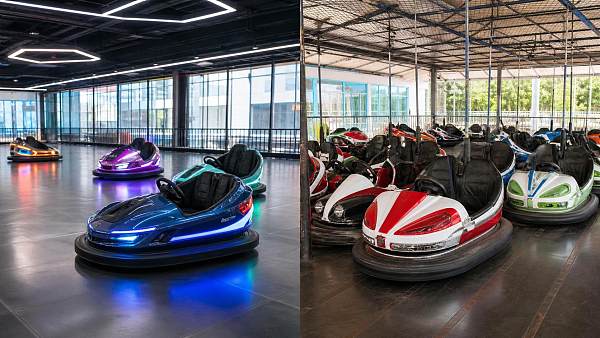
In upscale indoor centers, drift bumper cars are part of a curated customer experience. Operators usually want low operating noise, smooth acceleration, refined LED integration, and consistent ride behavior for younger families and social groups. Here, surface finish, plastic fitment, seat comfort, and low vibration matter almost as much as mechanical durability. A rough-driving unit may not fail mechanically, yet it can still underperform commercially because it reduces replay value and customer satisfaction.
High-throughput parks: service speed and structural longevity
For destination parks, the most important question is whether drift bumper cars can sustain daily load without extended maintenance windows. Technical evaluators should prioritize quick access to motors, battery compartments, controllers, and wheel assemblies. If routine inspection takes too long, preventive maintenance gets skipped, and small failures become major outages. In these settings, a slightly less stylish unit with excellent parts access may outperform a visually stronger model over the full asset life.
Seasonal or variable-climate sites: environmental protection
Where temperature, humidity, or dust fluctuate, the reliability gap between good and poor drift bumper cars widens fast. Corrosion-resistant fasteners, sealed connectors, protected controllers, and durable coatings should be treated as core specifications, not optional upgrades. A vehicle that runs smoothly in a dry showroom can become unstable after a short exposure to moisture if electrical protection is weak.
Common misjudgments when comparing drift bumper cars
A frequent mistake is assuming that a higher top speed means a better ride. In reality, rider-perceived quality comes more from modulation, braking behavior, turning balance, and recovery after impact. Another mistake is treating battery runtime as a standalone indicator. If longer runtime is achieved with heavier packs that stress the chassis or complicate charging logistics, the benefit may be offset by maintenance burden.
Buyers also underestimate the role of floor compatibility. Drift bumper cars interact directly with surface friction. A unit tuned for polished indoor flooring may perform poorly on rougher or less uniform surfaces, increasing tire wear and steering compensation. Finally, some procurement teams focus on spare part price but ignore replacement frequency and labor time. Low-cost parts do not equal low lifecycle cost if failures are frequent.
A practical evaluation checklist for technical buyers
During supplier qualification, request evidence beyond catalogs: endurance testing records, failure-rate history, spare parts lead times, and videos of maintenance access. If possible, evaluate drift bumper cars after consecutive ride cycles rather than only during a fresh demo. That is when heat, voltage drop, vibration, and alignment weaknesses become visible.
How to match the right unit to your operating scenario
If your venue depends on premium guest perception, prioritize smoothness, control calibration, low noise, and finish durability. If your business model depends on throughput, emphasize modular serviceability, battery turnaround strategy, frame endurance, and impact zone design. If your site faces environmental variation, move sealing, corrosion resistance, and electrical protection to the top of the specification list. In each case, the best drift bumper cars are not the ones with the most dramatic demo performance, but the ones that stay predictable after months of real use.
For technical evaluators, the most reliable procurement method is to score each model against actual operating conditions: daily ride cycles, rider age profile, floor material, staffing skill, charging window, and spare parts support. That turns the buying process from a visual comparison into a lifecycle assessment.
FAQ: scenario-based questions buyers often ask
Are all drift bumper cars suitable for intensive commercial use?
No. Some models are built for lighter-duty venues and will show accelerated wear in high-volume parks. Always verify duty cycle assumptions, frame strength, and maintenance access.
What is the strongest indicator of long-term maintenance cost?
Usually it is the combination of drivetrain thermal stability, battery management quality, and service-friendly construction. Part price alone is not enough.
Can a smooth ride be improved later through maintenance alone?
Only to a limited extent. If poor smoothness comes from weak controller tuning, structural flex, or unsuitable wheel-floor interaction, maintenance may reduce symptoms but cannot fully correct the design mismatch.
Final decision guidance for technical evaluators
When comparing drift bumper cars, the smartest question is not “Which model looks best today?” but “Which model best fits our operating scenario with the lowest disruption over time?” Smooth ride quality comes from coordinated engineering across motors, batteries, structure, and controls. High repairs usually come from hidden weaknesses that only appear under repeated commercial use. By evaluating application context first, then validating technical design against that context, buyers can identify drift bumper cars that deliver both rider appeal and durable business value.
Search News
Hot Articles
- Stationery & UniformsHow Schools Can Cut Printing Costs When Buying Ink Cartridges in BulkSep 21, 2026
- Jewelry Packaging & DisplayHow to Evaluate a Luxury Retail Packaging Supplier for Premium Brand ConsistencySep 20, 2026
- Commercial KitchenHow to Select a Spiral Dough Mixer for Bakery Batch Size and Dough HydrationSep 19, 2026
Popular Tags
Need ExpertConsultation?
Connect with our specialized leisureengineering team for procurementstrategies.
Recommended News
 Sep 18, 2026What Drives Animatronic Dinosaur Manufacturer Prices for Theme Park Projects?Animatronic dinosaurs manufacturer price guide: compare motion, materials, controls, installation, and lifecycle costs to plan a durable theme park attraction.● Theme Park Strategist
 Sep 06, 2026Do Amusement Ride Safety Compliance Requirements Change Every Year?Do amusement safety compliance requirements change annually? Learn what really changes, from standards and inspections to permits, upgrades, and local approvals.● Theme Park Strategist
 Sep 02, 2026How Long Does It Take to Receive Full Safety Documents From an OEM?How long does it take to get full safety documentation from OEM partners? Discover realistic timelines, common delays, and practical steps to secure compliant files faster.● Theme Park Strategist
 Sep 03, 2026Designing Adventure Park Safety Systems for Zip Lines, Ropes Courses, and Daily InspectionsAdventure park safety systems: learn how to design safer zip lines and ropes courses with daily inspections, defect controls, rescue readiness, and staff training.● Theme Park Strategist
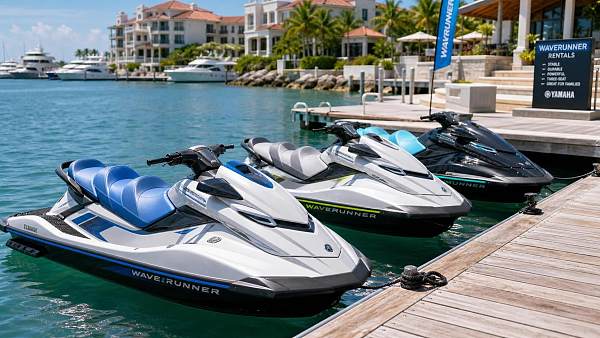
 Aug 22, 2026What to Look for When Choosing Three Seat Jet Skis for Rental or Resort UseThree seat jet skis for rental or resort use should balance stability, safety, maintenance, and guest comfort. Learn how to choose models that boost uptime and guest satisfaction.● Theme Park Strategist
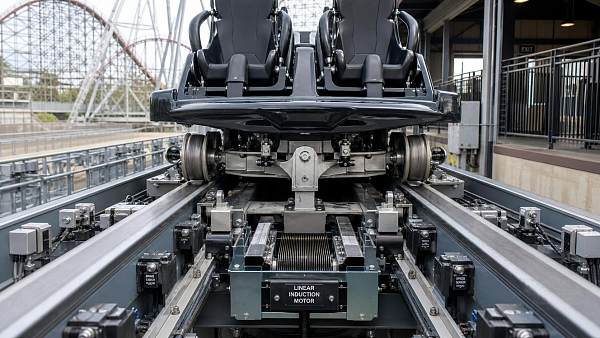
 Aug 17, 2026What Parts Matter Most in a Roller Coaster and How Do They Affect Ride Safety?Roller coaster parts determine ride safety more than most riders realize. Explore how tracks, restraints, brakes, wheels, and control systems work together to protect every ride.● Theme Park Strategist
 Aug 15, 20262026 China Sports Expo Sees 45.74% More Overseas Pre-registered Buyers as POB Expands Procurement Matching2026 China Sports Expo boosts overseas pre-registered buyers by 45.74% as POB expands procurement matching for fitness, outdoor, and venue suppliers.● Theme Park Strategist
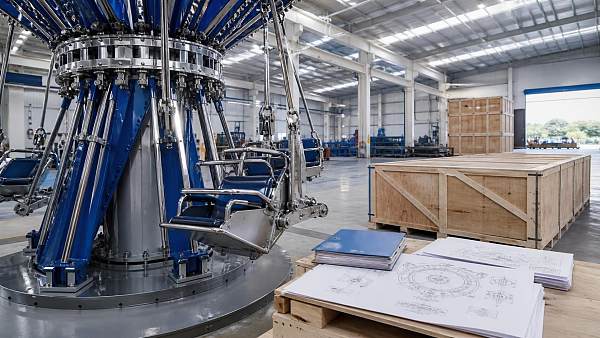
 Aug 14, 2026What Should Buyers Check Before Choosing a Flying Chair Ride Exporter?Flying chair ride exporter buyers should check safety, structure, export support, and spare parts before purchase to reduce risk and choose a reliable supplier.● Theme Park Strategist
 Aug 04, 2026EU Issues EN 1176-1:2026 for Playground SafetyEU Issues EN 1176-1:2026 for Playground Safety: learn how the new standard impacts Outdoor Rides, CE certification, inventory checks, and EU compliance before March 2027.● Theme Park Strategist
 Aug 03, 2026CPSC Adopts ASTM F1487-26 for Imported Outdoor RidesOutdoor Rides face a major U.S. compliance shift as CPSC adopts ASTM F1487-26. Learn the new certification, testing, and customs risks before November 1, 2026.● Theme Park Strategist
 Jul 26, 2026Revised EN 1176:2026 Triggers Re-Certification for Outdoor RidesOutdoor Rides face immediate EN 1176:2026 re-certification for new CE applications. Learn how testing, documentation, and EU market access rules now affect exports and delivery plans.● Theme Park Strategist
 Jul 21, 2026CPSC Recall Flags Structural Risk in Outdoor RidesCPSC recall flags structural risk in outdoor rides: learn how ASTM F1487-23 failures affect importers, distributors, and compliance teams across the U.S., Canada, and Australia.● Theme Park Strategist
 Jul 19, 2026How to Choose Outdoor Fitness Equipment for Parks Based on Users, Space, and BudgetOutdoor fitness equipment for parks: learn how to choose the right mix based on users, space, and budget to improve safety, usage, and long-term value.● Theme Park Strategist
 Jul 15, 2026Ocean Freight Spike Pressures Outdoor Rides ExportsOcean Freight Spike Pressures Outdoor Rides Exports as Shanghai-Rotterdam rates surge 42%. See how rising freight costs, delays, and rerouting risks could reshape Europe-bound delivery plans.● Theme Park Strategist
 Jul 14, 2026EN 1176 Revision Takes Effect for Outdoor Ride Weld TestingEN 1176 revision takes effect for outdoor ride weld testing from Sept 1, 2026. Learn ISO 5817 level B, third-party NDT report rules, and key EU compliance steps.● Theme Park Strategist
 Jul 12, 2026Vietnam Requires AI Anti-Collision Systems for Imported Outdoor RidesVietnam Requires AI Anti-Collision Systems for Imported Outdoor Rides from Sept. 15, 2026. Learn compliance rules, VAST certification needs, and how importers can avoid delays.● Theme Park Strategist
 Jul 11, 2026Vietnam Tightens Rules for Imported Outdoor RidesVietnam Tightens Rules for Imported Outdoor Rides: learn how Vietnam’s 2026 compliance update adds AI anti-collision, Vietnamese logs, and local maintenance duties for importers and manufacturers.● Theme Park Strategist
 Jul 09, 2026How to Evaluate a Lazy River Equipment Supplier for Safety, Flow Design, and MaintenanceLazy river equipment supplier selection affects safety, flow design, and maintenance costs. Learn what to compare, what to ask, and how to choose a reliable partner.● Theme Park Strategist
 Jul 08, 2026RCEP Update Cuts ASEAN Tariffs to Zero for Outdoor RidesRCEP update cuts ASEAN tariffs to zero for outdoor rides from China. Learn how FSC-CoC, PEFC traceability, and e-CO compliance affect exports, sourcing, and buyer decisions.● Theme Park Strategist
 Jul 07, 2026RCEP Guide Adds Dual Wood Traceability for Outdoor RidesOutdoor Rides exporters face a new RCEP traceability rule: dual FSC-CoC and PEFC-STS 2023 codes for wood components. See what changes before Oct. 1, 2026.● Theme Park Strategist
 Jul 06, 2026Vietnam Tightens RCEP Rules for Wooden Ride PartsVietnam Tightens RCEP Rules for Wooden Ride Parts: learn how FSC Chain-of-Custody and QR code requirements now affect outdoor rides, RCEP imports, and shipment compliance.● Theme Park Strategist
 Jul 06, 2026How to Evaluate a Bumper Cars on Ice Manufacturer for Safety, Capacity, and ROIBumper cars on ice manufacturer selection starts with safety, capacity, and ROI. Learn how to compare suppliers, reduce risk, and choose a partner built for long-term commercial success.● Theme Park Strategist
 Jul 04, 2026Electric Drift Bumper Cars vs Traditional Bumper Cars: Which Fits Your Venue Better?Electric drift bumper cars or traditional bumper cars? Compare installation, safety, maintenance, guest appeal, and ROI to choose the best fit for your venue.● Theme Park Strategist
 Jul 03, 2026EN 15330-2:2026 Takes Effect for Outdoor RidesEN 15330-2:2026 takes effect for Outdoor Rides in the EU on July 1, 2026. Learn how CE certification and ISO 13849-1 PLd impact market access, customs clearance, and export compliance.● Theme Park Strategist