CPSC Recalls 3 Chinese Outdoor Climbing Sets for Structural & Pinch Hazards
On May 7, 2026, the U.S. Consumer Product Safety Commission (CPSC) issued Recall #26-112 for three models of outdoor children’s climbing structures manufactured in China — affecting 127,000 units. The recall highlights two critical compliance gaps under ASTM F1487-23: insufficient static structural strength (
Event Overview
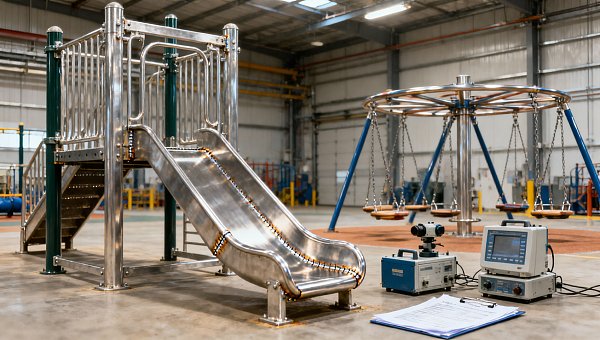
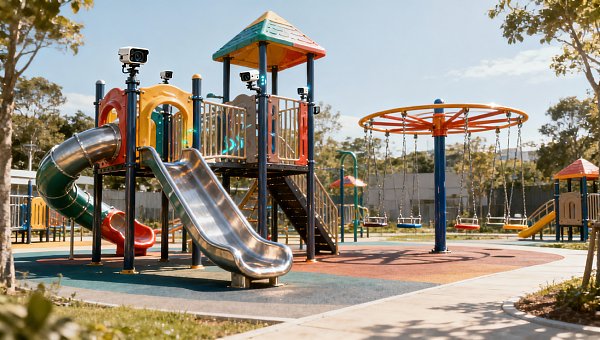
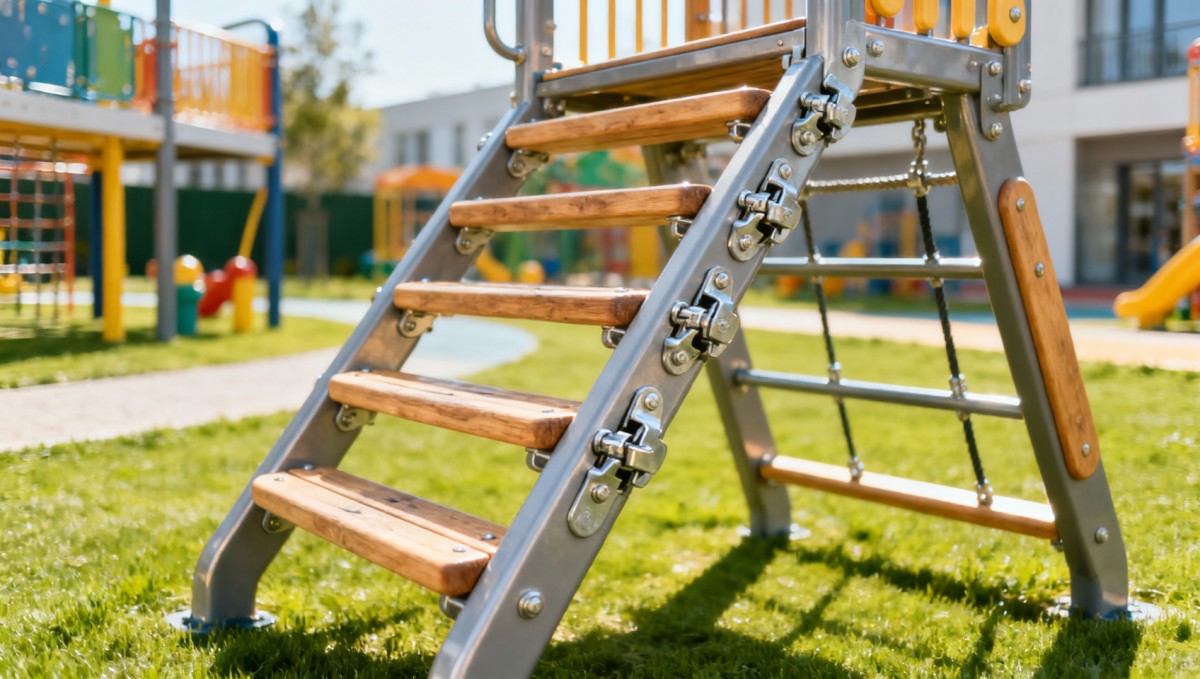
The U.S. Consumer Product Safety Commission (CPSC) announced Recall #26-112 on May 7, 2026. It covers three outdoor children’s climbing structures produced in China, totaling 127,000 units. The CPSC identified two non-conformities against ASTM F1487-23: (1) structural static load capacity below 2.5 times the rated design load; and (2) hinge mechanisms with finger-trap gaps exceeding permissible dimensions. No injuries have been reported to date, per the official notice.
Industries Affected by Segment
Direct Exporters & Brand Owners
These enterprises face immediate impacts on shipment clearance, customs hold risk, and post-recall liability assessments in the U.S. market. Their existing UL/ASTM certifications may undergo accelerated re-evaluation, potentially delaying new model submissions or renewals.
Contract Manufacturers & OEMs
Manufacturers supplying these recalled units must reassess production-line testing protocols — particularly for static load verification and gap measurement during final assembly. Any reliance on third-party lab reports without witnessed testing may now be scrutinized more closely by certifiers.
Certification & Compliance Service Providers
UL, Intertek, SGS, and other accredited bodies may adjust audit frequency or add mandatory witnessed load tests for ASTM F1487-23 compliance. Clients seeking ASTM certification for outdoor play equipment could encounter longer lead times and revised test scope requirements.
North America–Focused Distributors & Importers
Distributors holding inventory of similar climbing structures — especially those sharing structural designs, hinge systems, or load-bearing configurations — may need to conduct internal conformity checks ahead of possible voluntary recalls or CPSC inquiries. Stock rotation and labeling traceability become operationally critical.
What Stakeholders Should Monitor & Do Now
Track Official Updates from CPSC, Health Canada, and ACCC
Monitor CPSC’s recall portal for updates to Recall #26-112, including potential expansions or design-specific clarifications. Also watch for parallel notices from Health Canada’s Consumer Product Safety Program and Australia’s ACCC, as coordinated reviews are indicated in the original announcement.
Review ASTM F1487-23 Test Documentation for Active Models
Verify whether current test reports include witnessed static load testing at ≥2.5× design load — not just calculated or simulated results — and confirm hinge gap measurements were taken on finished, assembled units (not prototypes or CAD-only evaluations).
Distinguish Between Regulatory Signal and Enforcement Action
This recall reflects a targeted enforcement action, not a broad revision of ASTM F1487-23. However, analysis shows it may serve as a signal for increased scrutiny of load-testing rigor and physical gap verification — particularly for hinge-integrated climbing frames sold into North America and Oceania.
Prepare for Certification Timeline Adjustments
Factor in potential delays for ASTM F1487-23 certification renewals or new applications over Q3–Q4 2026. Where feasible, initiate pre-audit technical reviews with certifiers now to identify documentation or test-method gaps before formal submission.
Editorial Perspective / Industry Observation
Observably, this recall is less about a sudden standard change and more about intensified enforcement of long-standing ASTM F1487-23 clauses — especially Sections 4.3.2 (static strength) and 4.4.1 (entrapment). From an industry perspective, it signals that CPSC is prioritizing physical test validation over paper-based compliance. Analysis suggests the trigger was likely failure during routine post-market surveillance testing — not consumer complaints — indicating heightened reliance on proactive sampling. This makes it primarily a signal event: not yet systemic, but one requiring immediate process-level attention across export supply chains serving regulated playground markets.
It is more accurate to understand this recall as a procedural stress test for existing compliance infrastructure — not evidence of widespread non-compliance, nor a precursor to wholesale standard revision. Its significance lies in how quickly and consistently stakeholders align testing, documentation, and communication practices with verifiable, assembly-level performance criteria.
Current interpretation should focus on execution fidelity: whether test methods, reporting formats, and factory-level quality controls fully reflect real-world structural and entrapment risks — not whether the underlying safety requirements themselves have changed.
Information Sources
Primary source: U.S. CPSC Recall Notice #26-112, published May 7, 2026. No additional regulatory documents or injury data have been released beyond this notice. Follow-up developments in Canada and Australia remain pending and require ongoing observation.
Search News
Hot Articles
- Stationery & UniformsHow Schools Can Cut Printing Costs When Buying Ink Cartridges in BulkSep 21, 2026
- Jewelry Packaging & DisplayHow to Evaluate a Luxury Retail Packaging Supplier for Premium Brand ConsistencySep 20, 2026
- Commercial KitchenHow to Select a Spiral Dough Mixer for Bakery Batch Size and Dough HydrationSep 19, 2026
Popular Tags
Need ExpertConsultation?
Connect with our specialized leisureengineering team for procurementstrategies.
Recommended News
 Sep 18, 2026What Drives Animatronic Dinosaur Manufacturer Prices for Theme Park Projects?Animatronic dinosaurs manufacturer price guide: compare motion, materials, controls, installation, and lifecycle costs to plan a durable theme park attraction.● Theme Park Strategist
 Sep 06, 2026Do Amusement Ride Safety Compliance Requirements Change Every Year?Do amusement safety compliance requirements change annually? Learn what really changes, from standards and inspections to permits, upgrades, and local approvals.● Theme Park Strategist
 Sep 02, 2026How Long Does It Take to Receive Full Safety Documents From an OEM?How long does it take to get full safety documentation from OEM partners? Discover realistic timelines, common delays, and practical steps to secure compliant files faster.● Theme Park Strategist
 Sep 03, 2026Designing Adventure Park Safety Systems for Zip Lines, Ropes Courses, and Daily InspectionsAdventure park safety systems: learn how to design safer zip lines and ropes courses with daily inspections, defect controls, rescue readiness, and staff training.● Theme Park Strategist
 Aug 22, 2026What to Look for When Choosing Three Seat Jet Skis for Rental or Resort UseThree seat jet skis for rental or resort use should balance stability, safety, maintenance, and guest comfort. Learn how to choose models that boost uptime and guest satisfaction.● Theme Park Strategist
 Aug 17, 2026What Parts Matter Most in a Roller Coaster and How Do They Affect Ride Safety?Roller coaster parts determine ride safety more than most riders realize. Explore how tracks, restraints, brakes, wheels, and control systems work together to protect every ride.● Theme Park Strategist
 Aug 15, 20262026 China Sports Expo Sees 45.74% More Overseas Pre-registered Buyers as POB Expands Procurement Matching2026 China Sports Expo boosts overseas pre-registered buyers by 45.74% as POB expands procurement matching for fitness, outdoor, and venue suppliers.● Theme Park Strategist
 Aug 14, 2026What Should Buyers Check Before Choosing a Flying Chair Ride Exporter?Flying chair ride exporter buyers should check safety, structure, export support, and spare parts before purchase to reduce risk and choose a reliable supplier.● Theme Park Strategist
 Aug 04, 2026EU Issues EN 1176-1:2026 for Playground SafetyEU Issues EN 1176-1:2026 for Playground Safety: learn how the new standard impacts Outdoor Rides, CE certification, inventory checks, and EU compliance before March 2027.● Theme Park Strategist
 Aug 03, 2026CPSC Adopts ASTM F1487-26 for Imported Outdoor RidesOutdoor Rides face a major U.S. compliance shift as CPSC adopts ASTM F1487-26. Learn the new certification, testing, and customs risks before November 1, 2026.● Theme Park Strategist
 Jul 26, 2026Revised EN 1176:2026 Triggers Re-Certification for Outdoor RidesOutdoor Rides face immediate EN 1176:2026 re-certification for new CE applications. Learn how testing, documentation, and EU market access rules now affect exports and delivery plans.● Theme Park Strategist
 Jul 21, 2026CPSC Recall Flags Structural Risk in Outdoor RidesCPSC recall flags structural risk in outdoor rides: learn how ASTM F1487-23 failures affect importers, distributors, and compliance teams across the U.S., Canada, and Australia.● Theme Park Strategist
 Jul 19, 2026How to Choose Outdoor Fitness Equipment for Parks Based on Users, Space, and BudgetOutdoor fitness equipment for parks: learn how to choose the right mix based on users, space, and budget to improve safety, usage, and long-term value.● Theme Park Strategist
 Jul 15, 2026Ocean Freight Spike Pressures Outdoor Rides ExportsOcean Freight Spike Pressures Outdoor Rides Exports as Shanghai-Rotterdam rates surge 42%. See how rising freight costs, delays, and rerouting risks could reshape Europe-bound delivery plans.● Theme Park Strategist
 Jul 14, 2026EN 1176 Revision Takes Effect for Outdoor Ride Weld TestingEN 1176 revision takes effect for outdoor ride weld testing from Sept 1, 2026. Learn ISO 5817 level B, third-party NDT report rules, and key EU compliance steps.● Theme Park Strategist
 Jul 12, 2026Vietnam Requires AI Anti-Collision Systems for Imported Outdoor RidesVietnam Requires AI Anti-Collision Systems for Imported Outdoor Rides from Sept. 15, 2026. Learn compliance rules, VAST certification needs, and how importers can avoid delays.● Theme Park Strategist
 Jul 11, 2026Vietnam Tightens Rules for Imported Outdoor RidesVietnam Tightens Rules for Imported Outdoor Rides: learn how Vietnam’s 2026 compliance update adds AI anti-collision, Vietnamese logs, and local maintenance duties for importers and manufacturers.● Theme Park Strategist
 Jul 09, 2026How to Evaluate a Lazy River Equipment Supplier for Safety, Flow Design, and MaintenanceLazy river equipment supplier selection affects safety, flow design, and maintenance costs. Learn what to compare, what to ask, and how to choose a reliable partner.● Theme Park Strategist
 Jul 08, 2026RCEP Update Cuts ASEAN Tariffs to Zero for Outdoor RidesRCEP update cuts ASEAN tariffs to zero for outdoor rides from China. Learn how FSC-CoC, PEFC traceability, and e-CO compliance affect exports, sourcing, and buyer decisions.● Theme Park Strategist
 Jul 07, 2026RCEP Guide Adds Dual Wood Traceability for Outdoor RidesOutdoor Rides exporters face a new RCEP traceability rule: dual FSC-CoC and PEFC-STS 2023 codes for wood components. See what changes before Oct. 1, 2026.● Theme Park Strategist
 Jul 06, 2026Vietnam Tightens RCEP Rules for Wooden Ride PartsVietnam Tightens RCEP Rules for Wooden Ride Parts: learn how FSC Chain-of-Custody and QR code requirements now affect outdoor rides, RCEP imports, and shipment compliance.● Theme Park Strategist
 Jul 06, 2026How to Evaluate a Bumper Cars on Ice Manufacturer for Safety, Capacity, and ROIBumper cars on ice manufacturer selection starts with safety, capacity, and ROI. Learn how to compare suppliers, reduce risk, and choose a partner built for long-term commercial success.● Theme Park Strategist
 Jul 04, 2026Electric Drift Bumper Cars vs Traditional Bumper Cars: Which Fits Your Venue Better?Electric drift bumper cars or traditional bumper cars? Compare installation, safety, maintenance, guest appeal, and ROI to choose the best fit for your venue.● Theme Park Strategist
 Jul 03, 2026EN 15330-2:2026 Takes Effect for Outdoor RidesEN 15330-2:2026 takes effect for Outdoor Rides in the EU on July 1, 2026. Learn how CE certification and ISO 13849-1 PLd impact market access, customs clearance, and export compliance.● Theme Park Strategist