Bumper cars on ice: fun attraction or maintenance headache?
Bumper cars on ice combine the thrill of traditional amusement rides with the novelty of a frozen surface, making them an eye-catching attraction for leisure venues and event operators. But are bumper cars on ice a smart investment, or do they create ongoing maintenance and safety challenges? This article explores the key operational, technical, and commercial factors buyers should evaluate before adding them to an entertainment offering.
What exactly are bumper cars on ice, and how do they differ from standard bumper cars?
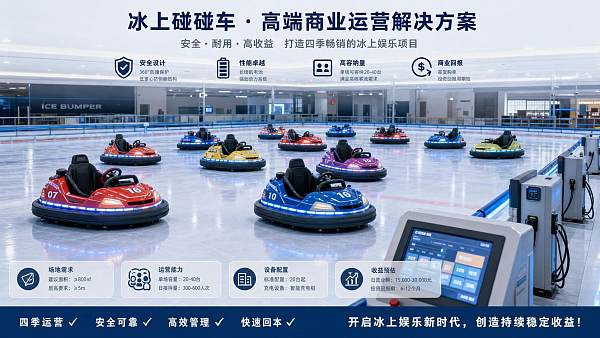
At a basic level, bumper cars on ice are electrically powered or battery-driven recreational vehicles designed to operate on an ice rink or a synthetic low-friction surface. Unlike classic amusement park bumper cars that run on conductive floors and fixed safety barriers, bumper cars on ice rely on a very different operating environment. The frozen surface changes braking behavior, steering response, collision dynamics, and overall ride pacing.
This difference is what makes bumper cars on ice appealing. Riders experience gliding, spinning, and drifting in ways that standard bumper cars cannot provide. For family entertainment centers, winter festivals, seasonal attractions, resorts, and mixed-use leisure venues, the concept offers strong visual impact and high social-media value. It can refresh an existing rink program without requiring a completely new attraction footprint.
However, the same feature that makes bumper cars on ice exciting also introduces operational complexity. Ice quality matters. Vehicle tires or contact systems must be adapted for low-friction performance. Charging logistics, rink scheduling, and staff supervision become more important than they are for many conventional rides. In short, bumper cars on ice are not just bumper cars moved onto a frozen floor; they are a distinct attraction category with unique technical and maintenance demands.
Are bumper cars on ice a good fit for every venue?
Not always. Bumper cars on ice work best where the venue already has ice infrastructure or a clear seasonal entertainment strategy. Ice rinks, ski resorts, winter-themed event spaces, municipal recreation centers, cruise programs with temporary winter activations, and destination hospitality sites often see the strongest fit. In these settings, the attraction can increase utilization during off-peak skating hours and broaden appeal to visitors who are less confident on skates.
The concept is less suitable in venues where ice maintenance capabilities are weak, staffing is minimal, or throughput must remain extremely high. A bumper cars on ice session usually requires careful scheduling, loading, unloading, safety briefing, and post-session surface review. That means it may not match environments built purely for rapid guest turnover.
Another consideration is audience mix. Bumper cars on ice tend to perform well in family leisure settings because they are visually playful and easy to understand. They can also support private events, branded pop-ups, and hotel winter packages. But if the venue depends on serious athletic ice use, heavy public skating schedules, or competitive programming, the attraction may create scheduling friction unless the rink has surplus capacity.
A practical way to judge fit is to ask three questions: Is there reliable ice access? Can the venue support supervised sessions? Will the attraction add incremental revenue rather than displacing a more profitable rink activity? If the answer is yes across all three, bumper cars on ice may offer strong commercial potential.
What maintenance challenges come with bumper cars on ice?
This is where the “fun attraction or maintenance headache” debate becomes real. The vehicles themselves require regular checks on batteries, steering components, seat restraints, bumpers, drive systems, and protective shells. But the more specialized issue is the interaction between the vehicle and the ice surface. Repeated operation can create scratches, ruts, snow buildup, or uneven glide conditions if the rink is not resurfaced at appropriate intervals.
Battery care is especially important. Many bumper cars on ice use rechargeable systems, and cold environments can affect charging efficiency and battery life. Poor charging practices may reduce runtime, create inconsistent ride performance, and increase replacement costs. Storage conditions also matter. Vehicles should not simply be parked in any cold corner without regard for temperature management, charging cycles, and inspection routines.
The rink itself becomes part of the maintenance plan. Operators need to monitor ice thickness, edge conditions, moisture management, and surface cleanliness. If skating and bumper cars on ice share the same rink, transition procedures become essential. Debris, rubber residue, or equipment marks can affect the next user group and increase complaints if not addressed promptly.
A well-run program treats maintenance as a system rather than a vehicle-only task. That system should include pre-opening inspections, mid-day surface checks, battery rotation logs, post-session cleaning, and a clear service response plan for damaged units. Without that discipline, bumper cars on ice can become expensive through downtime, poor guest experience, and preventable part failures.
How should safety, compliance, and risk be evaluated?
Safety is the deciding factor for long-term viability. Bumper cars on ice may look gentle, but the low-friction surface changes collision behavior and rider control. The right safety framework should cover vehicle design, rider eligibility, operating speed, emergency stop capability, rink barriers, supervision ratios, and local regulatory obligations. International buyers should also review certification history, material quality, and product testing records before approving a supplier.
Key risks usually include whiplash-style motion from side impacts, improper rider posture, insufficient spacing between vehicles, and poor loading or unloading procedures on slippery surfaces. Clear briefing is essential. Riders need to understand seating position, hand placement, age or height rules, and what behavior is not allowed. Staff should be trained not only to monitor guests but also to recognize early signs of unsafe ice conditions or equipment malfunction.
It is also wise to separate marketing claims from operational reality. Advertising bumper cars on ice as suitable for “everyone” can create unnecessary liability. A better approach is to define eligibility and session rules with precision. Good signage, controlled session capacity, and visible supervision protect both the guest experience and the venue’s reputation.
How do bumper cars on ice compare in cost and return potential?
The purchase price is only one part of the financial picture. Buyers should calculate the full cost of ownership, including shipping, import duties, charging infrastructure, spare parts, maintenance labor, rink resurfacing impact, training, insurance, and seasonal storage. Bumper cars on ice often deliver value through premium session pricing, bundled family packages, event rentals, and off-peak rink monetization, but those gains must be weighed against operating complexity.
Compared with many fixed amusement rides, bumper cars on ice can be attractive because they leverage existing space. There is no need for a large structural build if the rink already exists. That said, revenue depends on utilization. If the attraction runs only occasionally or disrupts a higher-yield skating program, return on investment may weaken. The strongest business case usually appears when bumper cars on ice extend the commercial value of underused time slots or create premium seasonal demand.
It is also useful to compare bumper cars on ice with synthetic-ice bumper car formats. Synthetic surfaces may reduce refrigeration and some ice-maintenance costs, but they can change glide quality and customer perception. For venues selling authenticity, real ice often supports a stronger guest proposition. For temporary activations, synthetic solutions may offer easier logistics. The right answer depends on climate, brand positioning, and event duration.
What should be included in a supplier evaluation before buying bumper cars on ice?
A reliable sourcing decision starts with more than a brochure. Ask for detailed product specifications, runtime data, charging time, recommended operating temperature, spare parts list, warranty terms, and references from comparable installations. For bumper cars on ice, application experience matters. A supplier that understands rink operations, battery behavior in cold conditions, and after-sales support will usually reduce long-term risk.
It is equally important to review service readiness. Can replacement parts be delivered quickly? Is remote troubleshooting available? Are staff manuals and training materials complete? If the attraction will operate in a high-visibility commercial setting, downtime is more than an inconvenience; it directly affects revenue and brand trust.
The checklist below helps structure a smarter comparison:
- Vehicle build quality, impact protection, and seat design
- Battery technology, charging cycle, and cold-environment performance
- Compatibility with real ice or synthetic surfaces
- Availability of compliance documents and test records
- Spare parts availability and after-sales response time
- Training support for operations, safety, and maintenance
When reviewing bumper cars on ice offers from global suppliers, look beyond initial price. Lower-cost units may seem attractive but can become expensive if batteries degrade quickly, components fail under cold stress, or support is difficult to access internationally. In experiential industries, dependable performance often matters more than the cheapest entry point.
So, are bumper cars on ice a fun attraction or a maintenance headache?
The honest answer is that bumper cars on ice can be both. They are a memorable, marketable attraction with strong family appeal and clear revenue potential in the right environment. They can also become operationally frustrating if introduced without realistic planning for ice care, battery management, safety supervision, and supplier support.
The most successful installations usually share the same traits: an existing rink strategy, well-defined session scheduling, trained staff, documented maintenance routines, and a supplier with proven experience in bumper cars on ice. If those elements are in place, the attraction is more likely to deliver novelty without damaging reliability. If they are missing, even a visually impressive setup may struggle to perform consistently.
Before moving forward, build a simple decision file that compares venue fit, technical requirements, safety controls, total ownership cost, and after-sales capability. That process will reveal whether bumper cars on ice are an efficient extension of a commercial entertainment offer or a distraction from core operations. In a market where guest experience and operational discipline must work together, the right answer is rarely about the vehicle alone.
Search News
Hot Articles
- Commercial KitchenCommercial Kitchen Design Price: Budgeting by Layout, Equipment, and MEP ScopeSep 22, 2026
- Stationery & UniformsHow Schools Can Cut Printing Costs When Buying Ink Cartridges in BulkSep 21, 2026
- Jewelry Packaging & DisplayHow to Evaluate a Luxury Retail Packaging Supplier for Premium Brand ConsistencySep 20, 2026
Popular Tags
Need ExpertConsultation?
Connect with our specialized leisureengineering team for procurementstrategies.
Recommended News
 Sep 18, 2026What Drives Animatronic Dinosaur Manufacturer Prices for Theme Park Projects?Animatronic dinosaurs manufacturer price guide: compare motion, materials, controls, installation, and lifecycle costs to plan a durable theme park attraction.● Theme Park Strategist
 Sep 06, 2026Do Amusement Ride Safety Compliance Requirements Change Every Year?Do amusement safety compliance requirements change annually? Learn what really changes, from standards and inspections to permits, upgrades, and local approvals.● Theme Park Strategist
 Sep 02, 2026How Long Does It Take to Receive Full Safety Documents From an OEM?How long does it take to get full safety documentation from OEM partners? Discover realistic timelines, common delays, and practical steps to secure compliant files faster.● Theme Park Strategist
 Sep 03, 2026Designing Adventure Park Safety Systems for Zip Lines, Ropes Courses, and Daily InspectionsAdventure park safety systems: learn how to design safer zip lines and ropes courses with daily inspections, defect controls, rescue readiness, and staff training.● Theme Park Strategist
 Aug 22, 2026What to Look for When Choosing Three Seat Jet Skis for Rental or Resort UseThree seat jet skis for rental or resort use should balance stability, safety, maintenance, and guest comfort. Learn how to choose models that boost uptime and guest satisfaction.● Theme Park Strategist
 Aug 17, 2026What Parts Matter Most in a Roller Coaster and How Do They Affect Ride Safety?Roller coaster parts determine ride safety more than most riders realize. Explore how tracks, restraints, brakes, wheels, and control systems work together to protect every ride.● Theme Park Strategist
 Aug 15, 20262026 China Sports Expo Sees 45.74% More Overseas Pre-registered Buyers as POB Expands Procurement Matching2026 China Sports Expo boosts overseas pre-registered buyers by 45.74% as POB expands procurement matching for fitness, outdoor, and venue suppliers.● Theme Park Strategist
 Aug 14, 2026What Should Buyers Check Before Choosing a Flying Chair Ride Exporter?Flying chair ride exporter buyers should check safety, structure, export support, and spare parts before purchase to reduce risk and choose a reliable supplier.● Theme Park Strategist
 Aug 04, 2026EU Issues EN 1176-1:2026 for Playground SafetyEU Issues EN 1176-1:2026 for Playground Safety: learn how the new standard impacts Outdoor Rides, CE certification, inventory checks, and EU compliance before March 2027.● Theme Park Strategist
 Aug 03, 2026CPSC Adopts ASTM F1487-26 for Imported Outdoor RidesOutdoor Rides face a major U.S. compliance shift as CPSC adopts ASTM F1487-26. Learn the new certification, testing, and customs risks before November 1, 2026.● Theme Park Strategist
 Jul 26, 2026Revised EN 1176:2026 Triggers Re-Certification for Outdoor RidesOutdoor Rides face immediate EN 1176:2026 re-certification for new CE applications. Learn how testing, documentation, and EU market access rules now affect exports and delivery plans.● Theme Park Strategist
 Jul 21, 2026CPSC Recall Flags Structural Risk in Outdoor RidesCPSC recall flags structural risk in outdoor rides: learn how ASTM F1487-23 failures affect importers, distributors, and compliance teams across the U.S., Canada, and Australia.● Theme Park Strategist
 Jul 19, 2026How to Choose Outdoor Fitness Equipment for Parks Based on Users, Space, and BudgetOutdoor fitness equipment for parks: learn how to choose the right mix based on users, space, and budget to improve safety, usage, and long-term value.● Theme Park Strategist
 Jul 15, 2026Ocean Freight Spike Pressures Outdoor Rides ExportsOcean Freight Spike Pressures Outdoor Rides Exports as Shanghai-Rotterdam rates surge 42%. See how rising freight costs, delays, and rerouting risks could reshape Europe-bound delivery plans.● Theme Park Strategist
 Jul 14, 2026EN 1176 Revision Takes Effect for Outdoor Ride Weld TestingEN 1176 revision takes effect for outdoor ride weld testing from Sept 1, 2026. Learn ISO 5817 level B, third-party NDT report rules, and key EU compliance steps.● Theme Park Strategist
 Jul 12, 2026Vietnam Requires AI Anti-Collision Systems for Imported Outdoor RidesVietnam Requires AI Anti-Collision Systems for Imported Outdoor Rides from Sept. 15, 2026. Learn compliance rules, VAST certification needs, and how importers can avoid delays.● Theme Park Strategist
 Jul 11, 2026Vietnam Tightens Rules for Imported Outdoor RidesVietnam Tightens Rules for Imported Outdoor Rides: learn how Vietnam’s 2026 compliance update adds AI anti-collision, Vietnamese logs, and local maintenance duties for importers and manufacturers.● Theme Park Strategist
 Jul 09, 2026How to Evaluate a Lazy River Equipment Supplier for Safety, Flow Design, and MaintenanceLazy river equipment supplier selection affects safety, flow design, and maintenance costs. Learn what to compare, what to ask, and how to choose a reliable partner.● Theme Park Strategist
 Jul 08, 2026RCEP Update Cuts ASEAN Tariffs to Zero for Outdoor RidesRCEP update cuts ASEAN tariffs to zero for outdoor rides from China. Learn how FSC-CoC, PEFC traceability, and e-CO compliance affect exports, sourcing, and buyer decisions.● Theme Park Strategist
 Jul 07, 2026RCEP Guide Adds Dual Wood Traceability for Outdoor RidesOutdoor Rides exporters face a new RCEP traceability rule: dual FSC-CoC and PEFC-STS 2023 codes for wood components. See what changes before Oct. 1, 2026.● Theme Park Strategist
 Jul 06, 2026Vietnam Tightens RCEP Rules for Wooden Ride PartsVietnam Tightens RCEP Rules for Wooden Ride Parts: learn how FSC Chain-of-Custody and QR code requirements now affect outdoor rides, RCEP imports, and shipment compliance.● Theme Park Strategist
 Jul 06, 2026How to Evaluate a Bumper Cars on Ice Manufacturer for Safety, Capacity, and ROIBumper cars on ice manufacturer selection starts with safety, capacity, and ROI. Learn how to compare suppliers, reduce risk, and choose a partner built for long-term commercial success.● Theme Park Strategist
 Jul 04, 2026Electric Drift Bumper Cars vs Traditional Bumper Cars: Which Fits Your Venue Better?Electric drift bumper cars or traditional bumper cars? Compare installation, safety, maintenance, guest appeal, and ROI to choose the best fit for your venue.● Theme Park Strategist
 Jul 03, 2026EN 15330-2:2026 Takes Effect for Outdoor RidesEN 15330-2:2026 takes effect for Outdoor Rides in the EU on July 1, 2026. Learn how CE certification and ISO 13849-1 PLd impact market access, customs clearance, and export compliance.● Theme Park Strategist