EU EN 1176-1:2026 Enforced for Outdoor Rides
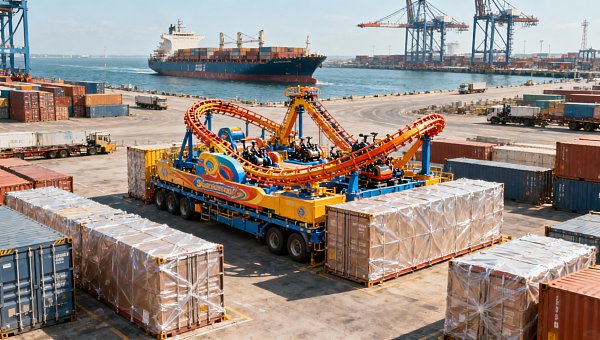
On 16 May 2026, the revised European standard EN 1176-1:2026 entered into mandatory force for all new outdoor play equipment placed on the EU market. This regulatory shift directly impacts global manufacturers, exporters, and supply chain actors engaged in the design, production, and distribution of outdoor rides — particularly those sourcing from Asia. The enforcement reflects tightening safety governance in public recreation infrastructure, driven by updated risk assessments and rising consumer expectations on durability, accessibility, and traceability.
Event Overview
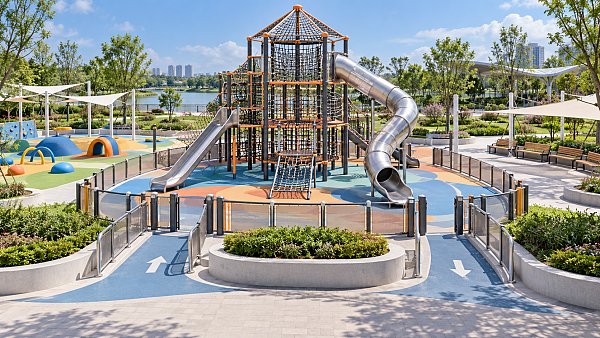
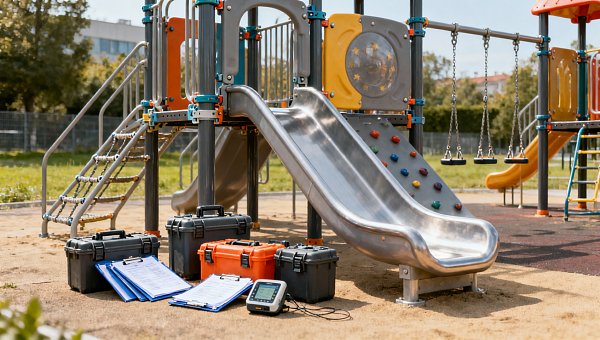
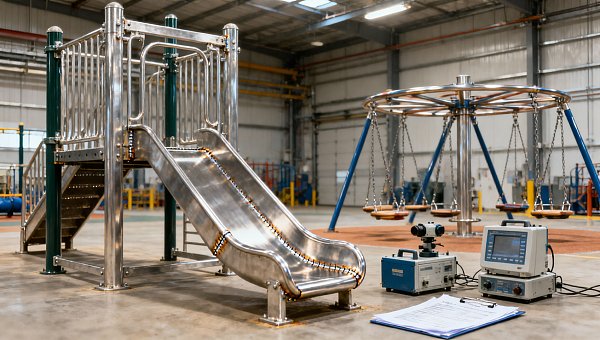
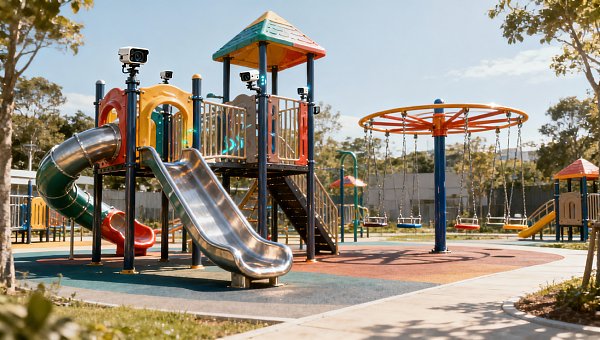
The European standard EN 1176-1:2026 became legally binding across all EU member states on 16 May 2026. It applies to all newly introduced outdoor play equipment (‘Outdoor Rides’), including swings, slides, climbing frames, and rotating structures intended for public or semi-public use. Key technical updates include stricter structural integrity requirements, enhanced anti-crush and pinch-point mitigation, improved material resistance to UV exposure and temperature cycling, and mandatory digital traceability of components via unique identification markers. Products lacking valid type examination certification under EN 1176-1:2026 will be denied customs clearance or removed from sale within the EU as of that date.
Industries Affected
Direct Trading Enterprises
Export-oriented trading companies acting as intermediaries between Chinese manufacturers and EU buyers face immediate contractual and compliance pressure. Since EN 1176-1:2026 mandates full-system certification — not just component-level conformity — pre-shipment verification must now cover complete assembled units and updated technical documentation. Failure to confirm certification status before order confirmation may result in shipment rejection, financial penalties, or loss of buyer trust, especially given the 72-hour turnaround requirement for issuing new certificates.
Raw Material Procurement Firms
Suppliers of polymers, coated steels, rubberized surfacing, and fasteners used in outdoor rides must now align with revised material specifications — notably UV stabilisation, non-toxicity under prolonged weathering, and flame-retardant performance under EN ISO 5660-1. Procurement teams are required to verify supplier test reports against EN 1176-1:2026 Annex C criteria, not prior editions. Shifts in material grades or sourcing regions (e.g., switching from domestic to imported resins) may trigger retesting, delaying downstream certification timelines.
Manufacturing Enterprises
Contract manufacturers and OEMs producing outdoor rides for export must revise both physical product design and internal quality systems. Structural redesigns — such as reinforced anchoring points or modified joint geometries to eliminate finger-trap zones — are often necessary. Additionally, factories must upgrade documentation practices to meet EN 1176-1:2026’s traceability clause, including digital logs linking serial numbers to batch records, weld certifications, and third-party lab reports. Notably, certification requires testing of final assembled products, not prototypes or subassemblies alone.
Supply Chain Service Providers
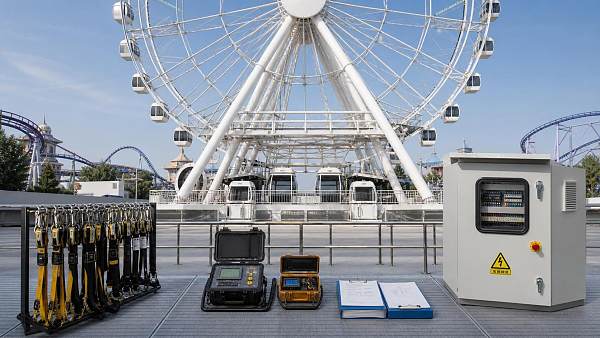
Certification bodies, testing laboratories, logistics coordinators, and technical consultants serving the playground equipment sector are experiencing increased demand for expedited EN 1176-1:2026 validation services. Lead times for full-system testing have extended beyond typical 10–14 days due to lab capacity constraints; some notified bodies now require pre-submission engineering reviews. Service providers must also update their audit checklists and training modules to reflect the 2026 revision’s emphasis on dynamic load simulation and long-term corrosion assessment protocols.
Key Focus Areas and Recommended Actions
Verify Certification Status Before Order Finalisation
Buyers and importers should request dated, scope-specific certificates issued by EU-notified bodies (e.g., TÜV Rheinland, SGS, Intertek) confirming compliance with EN 1176-1:2026 — not earlier versions. Certificates must explicitly list the tested model configuration, materials, and assembly instructions.
Allocate Minimum 72 Hours for Certificate Issuance
Given the regulation’s stipulation that new certifications must be completed within 72 hours of test completion, manufacturers should schedule final testing no later than three working days before planned shipment. Buffer time must account for documentation reconciliation and potential minor non-conformities requiring corrective action.
Update Technical Files to Include Digital Traceability Records
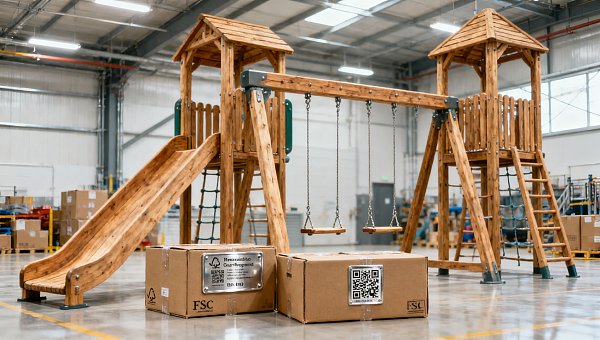
Manufacturers must integrate digital identifiers (e.g., QR-coded nameplates, blockchain-backed batch logs) into production workflows. EN 1176-1:2026 requires traceability down to raw material lots and welding procedure specifications — a step beyond previous documentation norms.
Review Supplier Contracts for Compliance Liability Clauses
Trading firms and brand owners should amend procurement agreements to assign responsibility for EN 1176-1:2026 compliance to the manufacturing party, including cost-bearing for retesting, redesign, or certification delays. Explicit reference to ‘EN 1176-1:2026 only’ — excluding references to legacy standards — is advised.
Editorial Perspective / Industry Observation
Observably, EN 1176-1:2026 represents less a technical evolution and more a procedural hardening of market access rules. While many safety principles remain consistent with prior editions, the introduction of mandatory digital traceability and the 72-hour certification window signal a broader regulatory trend: shifting accountability upstream to manufacturers while compressing response cycles for compliance verification. Analysis shows this may accelerate consolidation among mid-tier suppliers unable to absorb rapid certification costs or IT system upgrades. From an industry perspective, the regulation is better understood not as a barrier, but as a catalyst for standardising quality management maturity across exporting ecosystems — particularly in regions where certification has historically been treated as a one-time box-ticking exercise.
Conclusion
The enforcement of EN 1176-1:2026 marks a structural inflection point for the global outdoor play equipment sector. It elevates baseline expectations for safety governance, material transparency, and post-market accountability. For stakeholders, success hinges less on reacting to the rule itself and more on embedding its requirements — especially traceability and integrated testing — into core operational rhythms. A rational interpretation is that compliance readiness is now inseparable from supply chain resilience.
Source Attribution
Official text published by CEN (European Committee for Standardization), reference document CWA 17809:2025 (informative guidance on EN 1176-1:2026 implementation). Confirmed via EU Commission Notice 2026/C 142/03. Ongoing monitoring recommended for national market surveillance authority updates (e.g., Germany’s BAuA, Netherlands’ NVWA) and potential transitional clarifications regarding legacy stock already in EU distribution channels.
Search News
Hot Articles
- Restaurant FurnitureFast-Casual Restaurant Interiors: Design Choices That Improve Speed and Guest FlowOct 04, 2026
- Outdoor RidesHow to Select Leisure Park Equipment for Safe, High-Throughput Visitor AreasOct 03, 2026
- Fashion & Gem JewelryDiamond Tester Wholesale: How to Vet Accuracy, Calibration, and MOQ Before OrderingOct 02, 2026
Popular Tags
Need ExpertConsultation?
Connect with our specialized leisureengineering team for procurementstrategies.
Recommended News
 Oct 03, 2026How to Select Leisure Park Equipment for Safe, High-Throughput Visitor AreasLeisure park equipment selection guide for safe, high-throughput venues—explore capacity, supervision, durability, accessibility, and supplier criteria.● Theme Park Strategist
 Sep 18, 2026What Drives Animatronic Dinosaur Manufacturer Prices for Theme Park Projects?Animatronic dinosaurs manufacturer price guide: compare motion, materials, controls, installation, and lifecycle costs to plan a durable theme park attraction.● Theme Park Strategist
 Sep 06, 2026Do Amusement Ride Safety Compliance Requirements Change Every Year?Do amusement safety compliance requirements change annually? Learn what really changes, from standards and inspections to permits, upgrades, and local approvals.● Theme Park Strategist
 Sep 02, 2026How Long Does It Take to Receive Full Safety Documents From an OEM?How long does it take to get full safety documentation from OEM partners? Discover realistic timelines, common delays, and practical steps to secure compliant files faster.● Theme Park Strategist
 Sep 03, 2026Designing Adventure Park Safety Systems for Zip Lines, Ropes Courses, and Daily InspectionsAdventure park safety systems: learn how to design safer zip lines and ropes courses with daily inspections, defect controls, rescue readiness, and staff training.● Theme Park Strategist
 Aug 22, 2026What to Look for When Choosing Three Seat Jet Skis for Rental or Resort UseThree seat jet skis for rental or resort use should balance stability, safety, maintenance, and guest comfort. Learn how to choose models that boost uptime and guest satisfaction.● Theme Park Strategist
 Aug 17, 2026What Parts Matter Most in a Roller Coaster and How Do They Affect Ride Safety?Roller coaster parts determine ride safety more than most riders realize. Explore how tracks, restraints, brakes, wheels, and control systems work together to protect every ride.● Theme Park Strategist
 Aug 15, 20262026 China Sports Expo Sees 45.74% More Overseas Pre-registered Buyers as POB Expands Procurement Matching2026 China Sports Expo boosts overseas pre-registered buyers by 45.74% as POB expands procurement matching for fitness, outdoor, and venue suppliers.● Theme Park Strategist
 Aug 14, 2026What Should Buyers Check Before Choosing a Flying Chair Ride Exporter?Flying chair ride exporter buyers should check safety, structure, export support, and spare parts before purchase to reduce risk and choose a reliable supplier.● Theme Park Strategist
 Aug 04, 2026EU Issues EN 1176-1:2026 for Playground SafetyEU Issues EN 1176-1:2026 for Playground Safety: learn how the new standard impacts Outdoor Rides, CE certification, inventory checks, and EU compliance before March 2027.● Theme Park Strategist
 Aug 03, 2026CPSC Adopts ASTM F1487-26 for Imported Outdoor RidesOutdoor Rides face a major U.S. compliance shift as CPSC adopts ASTM F1487-26. Learn the new certification, testing, and customs risks before November 1, 2026.● Theme Park Strategist
 Jul 26, 2026Revised EN 1176:2026 Triggers Re-Certification for Outdoor RidesOutdoor Rides face immediate EN 1176:2026 re-certification for new CE applications. Learn how testing, documentation, and EU market access rules now affect exports and delivery plans.● Theme Park Strategist
 Jul 21, 2026CPSC Recall Flags Structural Risk in Outdoor RidesCPSC recall flags structural risk in outdoor rides: learn how ASTM F1487-23 failures affect importers, distributors, and compliance teams across the U.S., Canada, and Australia.● Theme Park Strategist
 Jul 19, 2026How to Choose Outdoor Fitness Equipment for Parks Based on Users, Space, and BudgetOutdoor fitness equipment for parks: learn how to choose the right mix based on users, space, and budget to improve safety, usage, and long-term value.● Theme Park Strategist
 Jul 15, 2026Ocean Freight Spike Pressures Outdoor Rides ExportsOcean Freight Spike Pressures Outdoor Rides Exports as Shanghai-Rotterdam rates surge 42%. See how rising freight costs, delays, and rerouting risks could reshape Europe-bound delivery plans.● Theme Park Strategist
 Jul 14, 2026EN 1176 Revision Takes Effect for Outdoor Ride Weld TestingEN 1176 revision takes effect for outdoor ride weld testing from Sept 1, 2026. Learn ISO 5817 level B, third-party NDT report rules, and key EU compliance steps.● Theme Park Strategist
 Jul 12, 2026Vietnam Requires AI Anti-Collision Systems for Imported Outdoor RidesVietnam Requires AI Anti-Collision Systems for Imported Outdoor Rides from Sept. 15, 2026. Learn compliance rules, VAST certification needs, and how importers can avoid delays.● Theme Park Strategist
 Jul 11, 2026Vietnam Tightens Rules for Imported Outdoor RidesVietnam Tightens Rules for Imported Outdoor Rides: learn how Vietnam’s 2026 compliance update adds AI anti-collision, Vietnamese logs, and local maintenance duties for importers and manufacturers.● Theme Park Strategist
 Jul 09, 2026How to Evaluate a Lazy River Equipment Supplier for Safety, Flow Design, and MaintenanceLazy river equipment supplier selection affects safety, flow design, and maintenance costs. Learn what to compare, what to ask, and how to choose a reliable partner.● Theme Park Strategist
 Jul 08, 2026RCEP Update Cuts ASEAN Tariffs to Zero for Outdoor RidesRCEP update cuts ASEAN tariffs to zero for outdoor rides from China. Learn how FSC-CoC, PEFC traceability, and e-CO compliance affect exports, sourcing, and buyer decisions.● Theme Park Strategist
 Jul 07, 2026RCEP Guide Adds Dual Wood Traceability for Outdoor RidesOutdoor Rides exporters face a new RCEP traceability rule: dual FSC-CoC and PEFC-STS 2023 codes for wood components. See what changes before Oct. 1, 2026.● Theme Park Strategist
 Jul 06, 2026Vietnam Tightens RCEP Rules for Wooden Ride PartsVietnam Tightens RCEP Rules for Wooden Ride Parts: learn how FSC Chain-of-Custody and QR code requirements now affect outdoor rides, RCEP imports, and shipment compliance.● Theme Park Strategist
 Jul 06, 2026How to Evaluate a Bumper Cars on Ice Manufacturer for Safety, Capacity, and ROIBumper cars on ice manufacturer selection starts with safety, capacity, and ROI. Learn how to compare suppliers, reduce risk, and choose a partner built for long-term commercial success.● Theme Park Strategist
 Jul 04, 2026Electric Drift Bumper Cars vs Traditional Bumper Cars: Which Fits Your Venue Better?Electric drift bumper cars or traditional bumper cars? Compare installation, safety, maintenance, guest appeal, and ROI to choose the best fit for your venue.● Theme Park Strategist