Office Coffee Machines: Bean-to-Cup or Pod for Shared Spaces?
Choosing the right office coffee machines for shared spaces can directly affect employee satisfaction, operating costs, and daily efficiency. For procurement teams comparing bean-to-cup and pod systems, the decision goes beyond taste alone—it also involves maintenance, capacity, hygiene, sustainability, and long-term value. This guide helps buyers evaluate both options for modern offices with confidence.
What is the real difference between bean-to-cup and pod office coffee machines?
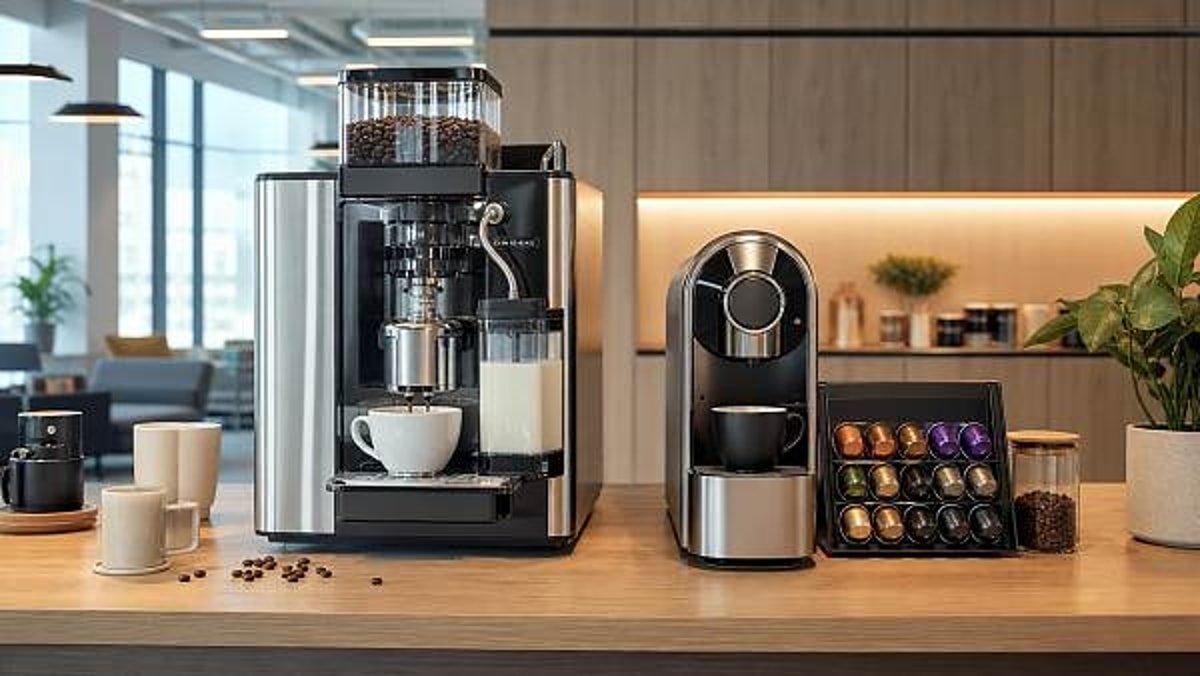
At a basic level, bean-to-cup office coffee machines grind whole beans for each drink, then brew coffee on demand. Pod machines use pre-portioned capsules or pods that contain sealed coffee. Both are designed to simplify beverage service in shared spaces, but they solve different procurement problems.
Bean-to-cup systems are typically chosen when buyers want a more premium coffee experience, broader drink customization, and a fresh-brew positioning that supports workplace culture or client hospitality. Pod machines are often selected when speed, consistency, and ease of use matter more than barista-style performance. In practical terms, the decision is less about which technology is “better” and more about which one aligns with headcount, consumption patterns, cleaning resources, and total operating model.
For procurement teams, this distinction is important because office coffee machines are not just breakroom appliances. In many organizations, they are part of the employee experience strategy, visitor-facing presentation, and facilities management plan. A machine that performs well in a boutique meeting lounge may fail in a high-traffic pantry, while a unit built for volume may feel excessive in a small satellite office.
Which type of office coffee machine works better in shared office spaces?
The answer depends on how the shared space is used. In offices with frequent daily traffic, multiple departments, and repeated drink demand throughout the day, bean-to-cup office coffee machines often deliver stronger long-term value. They can serve espresso-based drinks, black coffee, and milk beverages without relying on a large inventory of single-use pods. For companies that view coffee quality as part of workplace retention or visitor impression, bean-to-cup may be the stronger fit.
Pod systems usually work better in lower-volume environments, executive suites, flexible workspaces, serviced offices, or meeting rooms where convenience and low training requirements matter most. They are especially practical when different users operate the machine independently and facilities teams need predictable cleaning routines. In these settings, a pod machine can reduce user error and help maintain a tidy beverage area.
Shared spaces also create a specific challenge: user behavior is inconsistent. Some employees clean after use, others do not. Some want a quick black coffee, while others expect cappuccino-style options. The more varied the user base, the more important it becomes to choose office coffee machines that match actual workplace habits rather than idealized assumptions.
Quick comparison for procurement screening
How should buyers compare cost, maintenance, and total value?
Many buyers make the mistake of comparing only purchase price. In reality, office coffee machines should be assessed through total cost of ownership. That means equipment price, coffee supply model, maintenance visits, spare parts, cleaning materials, energy use, user downtime, and expected machine lifespan. In larger organizations, hidden labor costs can become just as important as beverage cost.
Bean-to-cup systems usually require higher upfront investment and more structured maintenance. They contain grinders, brewing mechanisms, milk systems in some cases, and internal components that need regular care. However, when daily consumption is high, the lower cost per serving can offset this complexity. Bulk beans and fresh milk or milk alternatives may deliver better economics than premium-branded pods over a multi-year period.
Pod machines often appear cost-effective because the machine itself may be less expensive and setup is easy. But the recurring cost of pods can be significant, especially in fast-growing offices. Procurement teams should model realistic cup volume, not ideal vendor estimates. A machine serving 20 drinks per day has a very different financial profile from one serving 150.
Maintenance is another dividing line. Bean-to-cup office coffee machines may need descaling, grinder cleaning, milk line sanitation, and periodic technical servicing. Pod systems are simpler, but they are not maintenance-free. Waste bins fill quickly in busy locations, water systems still require care, and some lower-end units are not designed for sustained commercial demand.
A sound procurement review should include expected cups per day, refill frequency, cleaning ownership, service response time, warranty terms, and availability of local after-sales support. For international buyers or multi-site businesses, supply chain continuity for beans, pods, filters, and replacement parts should also be verified before approval.
What operational factors matter most in high-use shared spaces?
In shared environments, operational fit often matters more than beverage marketing claims. Office coffee machines should be judged on throughput, reliability, refill intervals, cleaning workflow, and how well they tolerate varied users. A machine that produces excellent coffee but frequently stops for maintenance can create frustration and service tickets across the workplace.
Capacity is critical. Buyers should assess bean hopper size, water tank or plumbed-in options, grounds container capacity, pod waste storage, milk storage method, and peak-use performance. In an office where many employees grab coffee between 8:30 and 9:30 a.m., queue times can affect adoption and satisfaction. If the machine is too slow, employees may return to external cafés, undermining the intended workplace benefit.
Hygiene is another practical issue. Pod machines reduce direct contact with coffee ingredients, which may simplify shared use. Bean-to-cup units, particularly those with fresh milk systems, demand stricter cleaning discipline. That is not necessarily a reason to avoid them, but it means procurement should confirm whether facilities teams, pantry staff, or outsourced service providers will manage sanitation consistently.
Noise may also affect the decision. Grinder-based systems can be louder, which matters in open-plan workplaces, executive floors, libraries, or educational administration spaces. If the machine sits near meeting rooms or reception, acoustic impact should be considered alongside output quality.
Common buyer questions and practical answers
Are bean-to-cup office coffee machines always the more sustainable choice?
Not automatically, but they often provide a stronger sustainability profile when managed well. Bean-to-cup office coffee machines typically use bulk ingredients and generate coffee grounds rather than individual capsule waste. That can reduce packaging volume and support office sustainability programs, especially where grounds can enter organic waste streams.
Pod systems, on the other hand, create a visible single-serve waste stream. Some suppliers offer recyclable or compostable formats, but actual sustainability depends on local waste handling infrastructure and user compliance. If employees do not separate pods correctly, the environmental benefit may remain theoretical.
That said, sustainability should be viewed broadly. A bean-to-cup machine that is oversized, poorly maintained, or replaced prematurely may not outperform a durable pod solution in every context. Buyers should compare product life expectancy, energy efficiency, packaging intensity, consumables sourcing, and service network reliability. The best sustainability outcome usually comes from a machine that fits actual use, avoids waste, and remains in service for years.
What mistakes do procurement teams often make when sourcing office coffee machines?
One common mistake is buying based on executive preference instead of workplace-wide behavior. A leadership team may prefer premium espresso, but if most employees drink simple coffee quickly between meetings, a complex setup may be underused or poorly maintained. Another mistake is underestimating volume growth. As companies expand hybrid attendance policies or increase on-site collaboration, beverage demand can change rapidly.
Buyers also sometimes overlook the supply model. Office coffee machines are only as dependable as the replenishment system behind them. Bean quality, pod availability, lead times, service contracts, and local technical support all influence continuity. A good machine paired with weak supply support can become a facilities problem instead of a workplace benefit.
Another risk is ignoring user experience. Touchscreens, drink menu clarity, cup clearance, accessibility, and cleaning prompts all affect day-to-day satisfaction. In shared spaces, simplicity matters. If staff find the machine confusing, they may misuse it, create unnecessary service issues, or stop using it entirely.
Finally, some procurement teams fail to pilot before rollout. A short live trial in a real office setting can reveal whether office coffee machines match traffic flow, cleaning capacity, and user expectations. For multi-site organizations, testing in both high-volume and low-volume locations is especially valuable.
So, how should a buyer decide between bean-to-cup and pod systems?
A practical decision framework starts with five questions: how many cups will be served daily, what beverage quality is expected, who will clean and maintain the machine, what sustainability goals apply, and how important is long-term cost control? If the office has high usage, wants a premium experience, and can support maintenance discipline, bean-to-cup office coffee machines are often the better strategic choice. If the office needs speed, consistency, low training burden, and simpler upkeep, pod systems may be more appropriate.
For procurement professionals, the strongest approach is evidence-based sourcing rather than brand-led assumptions. Request duty cycle data, servicing schedules, consumables pricing, water requirements, and realistic throughput benchmarks. Ask vendors to explain what happens during peak use, how faults are resolved, and how machine performance changes over time.
In global commercial sourcing, the best office coffee machines are those that combine user satisfaction with dependable operational performance. The right choice should support workplace experience, protect budget efficiency, and reduce avoidable service friction across the life of the equipment.
If you need to confirm a specific solution, parameters, sourcing direction, rollout cycle, pricing model, or supplier cooperation method, start by discussing cup volume, service coverage, cleaning ownership, beverage expectations, installation conditions, and consumables availability. Those answers will make the bean-to-cup versus pod decision far clearer—and far more defensible at procurement level.
Search News
Hot Articles
Popular Tags
Need ExpertConsultation?
Connect with our specialized leisureengineering team for procurementstrategies.
Recommended News
 May 07, 2026Office Coffee Machines: Bean-to-Cup or Pod for Shared Spaces?Office coffee machines compared: bean-to-cup vs pod for shared spaces. Explore cost, maintenance, sustainability, and productivity to choose the best fit for your office.● Institutional Buyer
 May 07, 2026Water Coolers Wholesale: Hidden Costs in Bulk PurchasingWater coolers wholesale may look cost-saving, but hidden expenses can hurt ROI. Discover installation, maintenance, energy, and compliance risks before buying in bulk.● Institutional Buyer
 May 07, 2026Commercial Air Conditioners for Offices: When Sizing Goes WrongCommercial air conditioners office sizing affects comfort, humidity, energy use, and lifespan. Learn how wrong sizing raises costs and what evaluators should check before buying.● Institutional Buyer
 May 07, 2026Office Coffee Machines: Bean-to-Cup or Pod for Shared Spaces?Office coffee machines compared: bean-to-cup vs pod for shared spaces. Explore cost, maintenance, sustainability, and productivity to choose the best fit for your office.● Institutional Buyer
 May 07, 2026Water Coolers Wholesale: Hidden Costs in Bulk PurchasingWater coolers wholesale may look cost-saving, but hidden expenses can hurt ROI. Discover installation, maintenance, energy, and compliance risks before buying in bulk.● Institutional Buyer
 May 07, 2026Commercial Air Conditioners for Offices: When Sizing Goes WrongCommercial air conditioners office sizing affects comfort, humidity, energy use, and lifespan. Learn how wrong sizing raises costs and what evaluators should check before buying.● Institutional Buyer
 May 06, 2026Office tape dispensers that stay stable on fast-paced desksOffice tape dispensers that stay stable on fast-paced desks improve workflow, reduce tape waste, and support one-handed use. Compare smart, durable options now.● Institutional Buyer
 May 06, 2026Bubble envelopes bulk: the size mismatch that wastes shipping spendBubble envelopes bulk can cut costs—or quietly increase them. Learn how size mismatch drives shipping waste, damage risk, and packing delays, and how right-sizing protects margins.● Institutional Buyer
 May 06, 2026Office staplers bulk orders: why jam rates matter more than priceOffice staplers bulk buyers should compare jam rates before unit price. Learn how reliability, durability, and staple compatibility reduce hidden costs and improve workflow.● Institutional Buyer
 May 06, 2026Custom rubber stamps: what affects imprint clarity the mostCustom rubber stamps deliver the best imprint clarity when material quality, engraving depth, ink performance, and surface match work together. Learn what to compare before you buy.● Institutional Buyer
 May 06, 2026When paper guillotines become a safety risk in daily usePaper guillotines can become serious daily safety risks in offices, schools, and print rooms. Learn how to spot hazards, improve compliance, and choose safer models.● Institutional Buyer
 May 06, 2026Why wholesale packing tape performance changes by climateWholesale packing tape performance shifts with cold, heat, and humidity. Learn how climate affects adhesion, unwind, and seal reliability to choose the right tape and reduce shipping failures.● Institutional Buyer
 May 06, 2026Self inking stamps wholesale: what users notice after six monthsSelf inking stamps wholesale buyers often learn the truth after six months. Discover what users notice about durability, imprint quality, refills, and supplier reliability before you source.● Institutional Buyer
 May 06, 2026Hole punches wholesale: metal build or low-cost plastic?Hole punches wholesale: compare durable metal and low-cost plastic models for offices, schools, and bulk buyers. Discover which option delivers better value, fit, and long-term savings.● Institutional Buyer
 May 05, 2026Cork bulletin boards: why frame quality matters over board sizeCork bulletin boards deliver better long-term value when frame quality comes first. Learn how stronger materials, secure corners, and stable mounting improve durability, safety, and appearance.● Institutional Buyer
 May 05, 2026Soundproof phone booths: when sound ratings mislead office plansSoundproof phone booths can mislead office plans when ratings are taken at face value. Learn how to compare privacy, ventilation, placement, and compliance before you buy.● Institutional Buyer
 May 05, 2026Laser printer toner bulk: what affects page yield mostLaser printer toner bulk page yield depends on more than toner volume. Discover the top factors affecting real output and make smarter, lower-cost sourcing decisions.● Institutional Buyer
 May 05, 2026Science lab furniture: small design choices with big safety impactScience lab furniture shapes lab safety in ways many teams overlook. Discover smart design choices that reduce risk, improve compliance, and support efficient long-term performance.● Institutional Buyer
 May 05, 2026Wholesale ink cartridges: remanufactured vs compatible in real useWholesale ink cartridges compared in real use: remanufactured vs compatible on print quality, yield, firmware risk, and sourcing value—helping procurement teams buy smarter.● Institutional Buyer
 May 05, 2026Cash drawers wholesale: what causes jams at checkoutCash drawers wholesale guide: uncover the real causes of checkout jams, from latch design to POS compatibility, and learn how to source reliable drawers that reduce downtime.● Institutional Buyer
 May 05, 2026Office acoustic pods or open booths: which solves noise betterOffice acoustic pods vs. open booths: discover which solution controls noise better for privacy, focus, and hybrid calls, and make a smarter office planning decision.● Institutional Buyer
 May 05, 2026Office LED panel lights that cut glare without dim workspacesOffice LED panel lights that reduce glare without sacrificing brightness. Discover how to choose low-glare, high-comfort lighting for productive, compliant, and modern office spaces.● Institutional Buyer
 May 05, 2026Chemical resistant lab tops: which materials hold up bestChemical resistant lab tops compared: discover whether epoxy resin, phenolic resin, or stainless steel holds up best for harsh chemicals, heat, and daily lab demands.● Institutional Buyer
 May 05, 2026How to compare drafting tables wholesale without overbuyingDrafting tables wholesale comparison starts with MOQ, specs, and supplier reliability. Learn how to avoid overbuying, reduce inventory risk, and choose better-value sourcing options.● Institutional Buyer