Lazy River Equipment: Where Energy Use Adds Up Fast
Lazy river equipment can quietly become one of the biggest energy drains in aquatic facilities, especially when pumps, filtration, and water features run for long hours. For technical evaluators, understanding where energy use accelerates is essential to balancing performance, operating cost, and system reliability. This article explores the key equipment factors that drive consumption and what to assess before making sourcing or upgrade decisions.
Why does lazy river equipment consume more energy than expected?
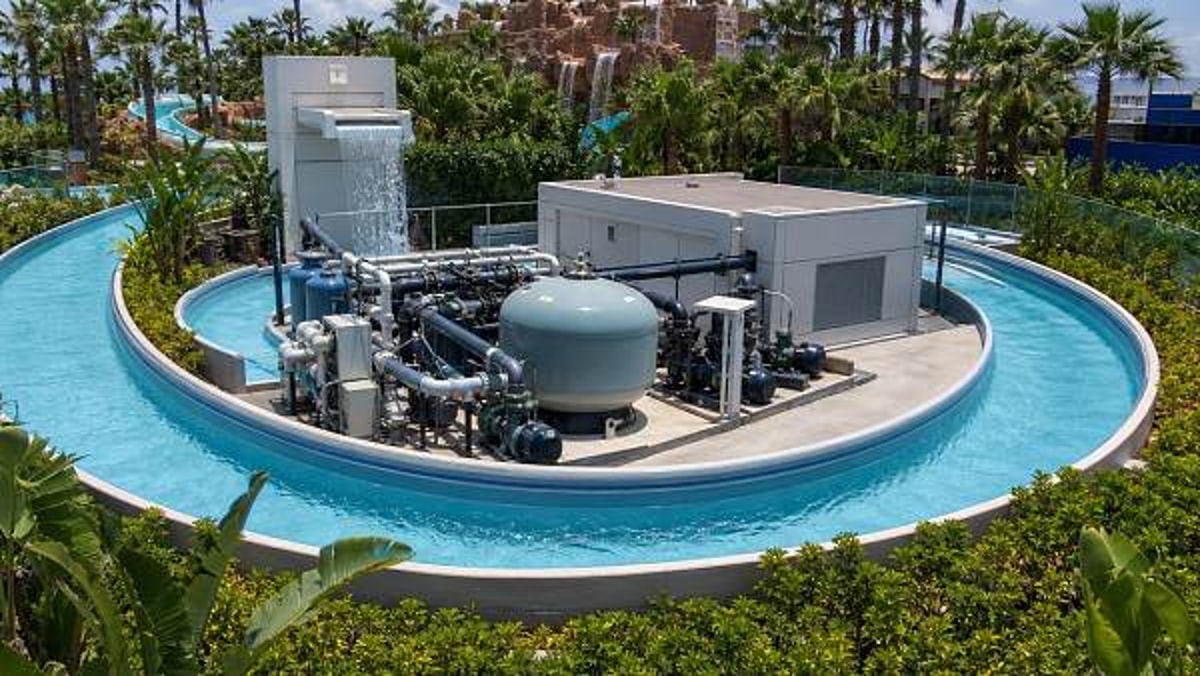
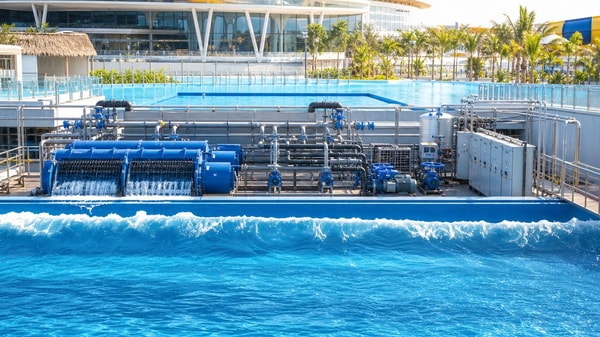
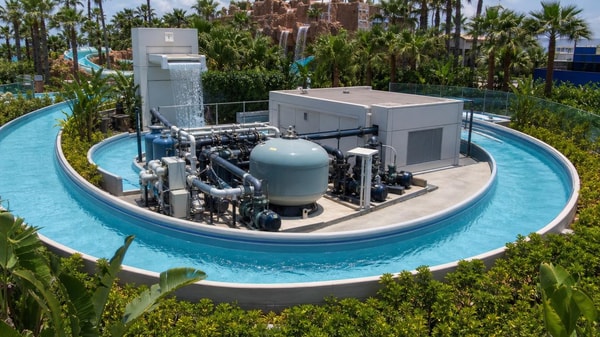
In many resorts, waterparks, hotels, and mixed-use leisure projects, lazy river equipment is specified for guest experience first and operating efficiency second. That is where costs begin to climb. A lazy river is not just a channel of moving water. It is an integrated hydraulic loop made up of circulation pumps, filtration systems, sanitation equipment, return inlets, skimmers, level control, feature pumps, and often heating or supplemental water treatment.
Unlike a standard pool with relatively stable turnover and limited hydraulic demand, a lazy river needs continuous directional flow across a long path. Technical evaluators must therefore assess not only pump horsepower, but also head loss, control logic, duty cycle, flow uniformity, and whether decorative features are tied to the same energy budget. Small design inefficiencies, multiplied across long operating hours, create a large annual utility burden.
From a sourcing perspective, this is where Global Commercial Trade supports commercial buyers. GCT’s strength is not limited to listing suppliers. It helps procurement teams compare commercial solutions through a cross-sector lens: performance, compliance, maintainability, and supply chain reliability. For technical evaluators, that means better visibility into whether a lower purchase price will actually lead to higher lifecycle cost.
- Long daily runtime, often extending from early opening to late closing hours.
- High hydraulic friction losses due to channel length, bends, fittings, and flow control devices.
- Additional feature loads such as waterfalls, spray effects, wave interaction zones, or themed propulsion elements.
- Oversized equipment selected as a safety margin without matching variable control strategy.
The hidden issue: design flow is often confused with practical operating flow
One common mistake in lazy river equipment selection is assuming that higher flow automatically improves guest experience. In reality, excessive flow may create uneven ride comfort, increase splash-out, raise chemical demand, and stress mechanical components. Technical evaluators should separate target velocity in the river from pump capacity at the equipment room. The relationship is shaped by channel geometry, inlet placement, and hydraulic balancing, not by nameplate power alone.
Which equipment categories add up fastest on the energy bill?
When reviewing lazy river equipment, it helps to break consumption into equipment blocks rather than treating the attraction as one system. The table below highlights the main contributors that technical evaluators should examine during specification, retrofit planning, or supplier comparison.
For most facilities, the pump-and-filter combination dominates annual consumption. However, feature systems are often the most overlooked source of avoidable waste because they may be installed by a different contractor or controlled separately from the central plant. A robust technical review should map every electrical load connected to the lazy river equipment package, including auxiliary systems that are not obvious in the main mechanical schedule.
Pumps are not the only issue
It is easy to focus only on motor size. Yet poor hydraulic design can force a moderate pump to behave like an expensive one. Excessive elbows, undersized pipework, restrictive strainers, and imbalanced inlets all raise resistance. This means the most useful sourcing question is not “How many kilowatts?” but “At what flow, under what head, and under which operating profile?”
How should technical evaluators compare lazy river equipment options?
Comparing suppliers only by initial quotation can be misleading. In commercial aquatic projects, especially those attached to hospitality or leisure destinations, technical evaluators need a structured matrix that balances engineering performance with procurement realities such as delivery risk, documentation quality, and spare parts support.
The comparison table below is useful when shortlisting lazy river equipment packages from multiple manufacturers or system integrators.
This comparison approach matters because many energy problems are locked in before the first guest enters the water. GCT adds value here by helping buyers move from product shopping to sourcing intelligence. In a fragmented global supply environment, technical evaluators benefit from curated vendor screening, stronger documentation review, and a more realistic view of total ownership cost.
- Ask for the expected operating duty point, not only the maximum rated capacity.
- Request motor and control details that affect partial-load efficiency.
- Confirm whether filtration, features, and sanitation are on separate or shared control logic.
- Check whether the supplier can support regional electrical standards and documentation requirements.
What technical parameters matter most before sourcing or upgrading?
Flow, head, and turn-down capability
For lazy river equipment, one of the most important technical decisions is whether the system can operate efficiently across different occupancy levels. A facility may not need full propulsion intensity during low-traffic hours, cleaning cycles, or shoulder seasons. If pumps can only run effectively at one point, the operator pays for unused capacity every day.
Filter pressure and maintenance profile
Filtration is a major driver of pressure loss. A filter that performs well when clean may become expensive as loading increases. Technical evaluators should review clean-bed pressure drop, expected fouling behavior, backwash volume, and the impact of maintenance intervals on uptime. This is especially important for commercial attractions with strict opening hours and limited shutdown windows.
Control logic and monitoring points
A modern lazy river equipment package should allow operators to manage schedules, setpoints, alarms, and performance tracking. Monitoring pressure differential, pump speed, energy draw, and water quality trends enables early intervention. Without instrumentation, even a well-designed system can drift into inefficient operation because no one sees the rising resistance or unnecessary full-load runtime.
- Verify the design flow needed to achieve target river movement, not just the supplier’s standard package size.
- Review total dynamic head assumptions and request clarification on pipe friction, fittings, and filter losses.
- Check whether variable frequency drives are included, optional, or excluded.
- Assess maintainability: access clearances, valve layout, drain points, and service isolation.
- Confirm availability of replacement motors, seals, control components, and filter consumables.
Which project scenarios create the highest sourcing risk?
Not every lazy river project has the same energy profile. Technical evaluators should classify the operating environment before comparing equipment. This avoids applying the wrong benchmark across very different commercial settings.
Resort and hotel attractions
These projects often prioritize ambiance, low noise, and visual integration. Energy issues usually come from extended runtime and the addition of decorative features that are never fully shut down. Guest expectations remain high even during off-peak periods, so variable control and quiet hydraulic design become critical.
Standalone waterparks
Waterparks face heavy seasonal demand, higher bather loads, and more aggressive wear cycles. Here, lazy river equipment must withstand operational intensity while still allowing energy management during partial opening days. Filtration resilience and service access tend to matter more than decorative integration.
Mixed-use commercial developments
In mixed-use destinations, the aquatic zone may share utility planning with hospitality, retail, or entertainment components. This makes coordination essential. Control integration, power distribution compatibility, and maintenance scheduling can affect costs as much as equipment efficiency itself. GCT’s broader commercial sourcing perspective is especially useful in these multi-stakeholder projects.
How can buyers reduce lifecycle cost without compromising guest experience?
Reducing operating cost does not always mean replacing the entire lazy river equipment package. In many cases, targeted upgrades produce meaningful savings while preserving the attraction concept and most hydraulic infrastructure.
The table below outlines practical cost and upgrade pathways that technical evaluators can discuss with operators, consultants, and suppliers.
The best strategy depends on plant condition, budget timing, and shutdown windows. For buyers managing multiple sites, the right answer may be a phased program rather than a single capital event. GCT can support that process by helping teams compare OEM and ODM capabilities, shortlist technically aligned suppliers, and evaluate whether retrofit-friendly options are available within the desired delivery schedule.
What standards and compliance points should not be overlooked?
Commercial aquatic systems operate under overlapping mechanical, electrical, water treatment, and safety expectations. Exact requirements vary by jurisdiction, but technical evaluators should still request documentation that demonstrates disciplined engineering and compatibility with local approval pathways.
- Electrical conformity appropriate to the destination market, including motor and control cabinet suitability.
- Material compatibility for corrosion resistance in chlorinated or treated water environments.
- Pump room safety considerations such as access, drainage, ventilation, and maintenance isolation.
- Water quality integration, including sanitation dosing coordination and filtration performance assumptions.
For international sourcing, incomplete documentation can delay approvals, installation, or operator training. That is why buyers should not wait until shipping to request technical files. GCT’s commercial sourcing model is useful here because it emphasizes upstream verification of product information, manufacturing capability, and delivery readiness before procurement risk becomes expensive.
Common mistakes and FAQ about lazy river equipment
Is bigger pump capacity always safer?
No. Oversizing may appear conservative, but it often leads to waste, noise, and unnecessary strain on valves and filters. A better approach is to validate the hydraulic duty point and combine adequate capacity with flexible control. Safety margin should be engineered, not guessed.
What should be prioritized in a retrofit with limited budget?
Start with the components that run the longest and have the biggest effect on system resistance. In many facilities, that means reviewing main pump control, filtration pressure drop, and feature scheduling before replacing cosmetic elements. A modest controls upgrade can deliver better value than a large mechanical replacement if the core hydraulics remain sound.
How do technical evaluators judge whether supplier data is decision-ready?
Look for complete duty-point data, not just brochure claims. Useful supplier information should include pump curves, motor specifications, control architecture, electrical loads, maintenance requirements, and installation assumptions. If a quotation lacks these details, comparing total lifecycle cost becomes difficult.
Are decorative water features worth separating from the main lazy river equipment package?
Often yes. Separate control improves operational flexibility and allows the operator to preserve guest appeal while reducing unnecessary runtime. This is especially valuable in hotel and resort settings where visual effect matters, but occupancy varies across the day.
Why choose us for commercial lazy river equipment sourcing?
Global Commercial Trade helps technical evaluators move beyond fragmented vendor outreach and incomplete quotations. Our strength lies in connecting sourcing decisions with commercial reality: hydraulic performance, operating cost exposure, compliance expectations, supplier documentation, and project delivery constraints. For buyers in leisure, hospitality, and mixed-use developments, this reduces the gap between design intent and field performance.
If you are reviewing lazy river equipment for a new project or upgrade, you can consult GCT on practical decision points such as parameter confirmation, pump and filtration selection, OEM or ODM capability screening, estimated delivery timeline, documentation requirements for approval, sample or component evaluation, and quotation comparison across multiple suppliers.
A productive sourcing discussion starts with clear technical inputs. Share your target flow conditions, project type, operating hours, available plant space, certification expectations, and budget stage. With that information, GCT can help structure a more reliable supplier shortlist and support a procurement process that protects both guest experience and long-term operating efficiency.
Search News
Hot Articles
Popular Tags
Need ExpertConsultation?
Connect with our specialized leisureengineering team for procurementstrategies.
Recommended News
 May 07, 2026Shen Jing on Trade Rumors: Implications for Basketball Equipment ManufacturingBasketball equipment manufacturing gains strategic clarity as Shen Jing’s trade rumor response boosts OEM confidence—Dongguan & Suzhou suppliers see strengthened NBA facility credibility and smart gear demand.● Theme Park Strategist
 May 07, 2026Ferris Wheel Manufacturer Shortlists Often Miss This RiskFerris wheel manufacturer shortlists often miss lifecycle compliance risk. Learn how to avoid costly delays, safety gaps, and weak after-sales support before you buy.● Theme Park Strategist
 May 07, 2026Lazy River Equipment: Where Energy Use Adds Up FastLazy river equipment can drive energy costs higher than expected. Learn what technical evaluators should check before sourcing or upgrading for better efficiency and lifecycle value.● Theme Park Strategist
 May 07, 2026Water Playground Structures: Design Choices That Reduce Queue TimeWater playground structures that cut queue time: discover layout, capacity, and feature strategies that improve guest flow, safety, and ROI for commercial aquatic projects.● Theme Park Strategist
 May 07, 2026Bumper Cars Wholesale: Battery Options That Change Operating CostsBumper cars wholesale decisions depend heavily on battery choice. Compare lead-acid vs. lithium to cut downtime, lower operating costs, and improve long-term ROI.● Theme Park Strategist
![]() May 07, 2026Pirate Ship Amusement Rides: What Impacts Ride Smoothness Most?Pirate ship amusement ride smoothness depends on structure, drive control, bearings, balancing, and installation. Discover the key checks buyers need for safer, smoother, long-lasting performance.● Theme Park Strategist
May 07, 2026Pirate Ship Amusement Rides: What Impacts Ride Smoothness Most?Pirate ship amusement ride smoothness depends on structure, drive control, bearings, balancing, and installation. Discover the key checks buyers need for safer, smoother, long-lasting performance.● Theme Park Strategist![]() May 07, 2026How to Vet a Water Park Equipment Manufacturer for Large ProjectsWater park equipment manufacturer vetting guide for large projects: compare safety, compliance, capacity, customization, and delivery support to reduce risk and choose with confidence.● Theme Park Strategist
May 07, 2026How to Vet a Water Park Equipment Manufacturer for Large ProjectsWater park equipment manufacturer vetting guide for large projects: compare safety, compliance, capacity, customization, and delivery support to reduce risk and choose with confidence.● Theme Park Strategist May 07, 2026Drop Tower Rides: The Safety Checks That Matter MostDrop tower rides safety starts with the checks that matter most. Learn how restraints, brakes, sensors, and structural reviews support safer approval and smarter sourcing.● Theme Park Strategist
![]() May 07, 2026Flying Chair Ride Capacity Limits That Affect Daily ThroughputFlying chair ride capacity limits shape daily throughput, queue performance, and revenue. Learn the key factors buyers should assess before sourcing or planning layout.● Theme Park Strategist
May 07, 2026Flying Chair Ride Capacity Limits That Affect Daily ThroughputFlying chair ride capacity limits shape daily throughput, queue performance, and revenue. Learn the key factors buyers should assess before sourcing or planning layout.● Theme Park Strategist![]() May 07, 2026Fiberglass Water Slides: Common Surface Issues After InstallationFiberglass water slides can develop blisters, fading, rough spots, and hairline cracks after installation. Learn key causes, early warning signs, and what to inspect in the first 90 days.● Theme Park Strategist
May 07, 2026Fiberglass Water Slides: Common Surface Issues After InstallationFiberglass water slides can develop blisters, fading, rough spots, and hairline cracks after installation. Learn key causes, early warning signs, and what to inspect in the first 90 days.● Theme Park Strategist May 07, 2026How to Compare a Carousel Rides Manufacturer Beyond PriceCarousel rides manufacturer selection should go beyond price. Learn how to compare safety, compliance, customization, and after-sales support to choose a reliable supplier.● Theme Park Strategist
 May 07, 2026Roller Coaster Parts With the Highest Replacement FrequencyRoller coaster parts buyers: discover which components need the most frequent replacement, from wheels and bearings to sensors and restraints, to cut downtime and source smarter.● Theme Park Strategist
 May 07, 2026Electric Trackless Trains or Road Trains for Large Venues?Electric trackless trains for large venues: compare them with road trains to improve guest experience, reduce noise and emissions, and choose a smarter, future-ready mobility solution.● Theme Park Strategist
 May 07, 2026Wave Pool Equipment Failures That Disrupt Peak SeasonWave pool equipment failures can shut down peak-season operations fast. Learn the top breakdown risks, business impacts, and practical ways to reduce downtime and protect revenue.● Theme Park Strategist
 May 07, 2026Ferris Wheel Manufacturer Shortlists Often Miss This RiskFerris wheel manufacturer shortlists often miss lifecycle compliance risk. Learn how to avoid costly delays, safety gaps, and weak after-sales support before you buy.● Theme Park Strategist
 May 07, 2026Lazy River Equipment: Where Energy Use Adds Up FastLazy river equipment can drive energy costs higher than expected. Learn what technical evaluators should check before sourcing or upgrading for better efficiency and lifecycle value.● Theme Park Strategist
 May 07, 2026Water Playground Structures: Design Choices That Reduce Queue TimeWater playground structures that cut queue time: discover layout, capacity, and feature strategies that improve guest flow, safety, and ROI for commercial aquatic projects.● Theme Park Strategist
 May 07, 2026Bumper Cars Wholesale: Battery Options That Change Operating CostsBumper cars wholesale decisions depend heavily on battery choice. Compare lead-acid vs. lithium to cut downtime, lower operating costs, and improve long-term ROI.● Theme Park Strategist
![]() May 07, 2026Pirate Ship Amusement Rides: What Impacts Ride Smoothness Most?Pirate ship amusement ride smoothness depends on structure, drive control, bearings, balancing, and installation. Discover the key checks buyers need for safer, smoother, long-lasting performance.● Theme Park Strategist
May 07, 2026Pirate Ship Amusement Rides: What Impacts Ride Smoothness Most?Pirate ship amusement ride smoothness depends on structure, drive control, bearings, balancing, and installation. Discover the key checks buyers need for safer, smoother, long-lasting performance.● Theme Park Strategist![]() May 07, 2026How to Vet a Water Park Equipment Manufacturer for Large ProjectsWater park equipment manufacturer vetting guide for large projects: compare safety, compliance, capacity, customization, and delivery support to reduce risk and choose with confidence.● Theme Park Strategist
May 07, 2026How to Vet a Water Park Equipment Manufacturer for Large ProjectsWater park equipment manufacturer vetting guide for large projects: compare safety, compliance, capacity, customization, and delivery support to reduce risk and choose with confidence.● Theme Park Strategist May 07, 2026Drop Tower Rides: The Safety Checks That Matter MostDrop tower rides safety starts with the checks that matter most. Learn how restraints, brakes, sensors, and structural reviews support safer approval and smarter sourcing.● Theme Park Strategist
![]() May 07, 2026Flying Chair Ride Capacity Limits That Affect Daily ThroughputFlying chair ride capacity limits shape daily throughput, queue performance, and revenue. Learn the key factors buyers should assess before sourcing or planning layout.● Theme Park Strategist
May 07, 2026Flying Chair Ride Capacity Limits That Affect Daily ThroughputFlying chair ride capacity limits shape daily throughput, queue performance, and revenue. Learn the key factors buyers should assess before sourcing or planning layout.● Theme Park Strategist![]() May 07, 2026Fiberglass Water Slides: Common Surface Issues After InstallationFiberglass water slides can develop blisters, fading, rough spots, and hairline cracks after installation. Learn key causes, early warning signs, and what to inspect in the first 90 days.● Theme Park Strategist
May 07, 2026Fiberglass Water Slides: Common Surface Issues After InstallationFiberglass water slides can develop blisters, fading, rough spots, and hairline cracks after installation. Learn key causes, early warning signs, and what to inspect in the first 90 days.● Theme Park Strategist May 07, 2026How to Compare a Carousel Rides Manufacturer Beyond PriceCarousel rides manufacturer selection should go beyond price. Learn how to compare safety, compliance, customization, and after-sales support to choose a reliable supplier.● Theme Park Strategist