Bumper Cars Wholesale: Battery Options That Change Operating Costs
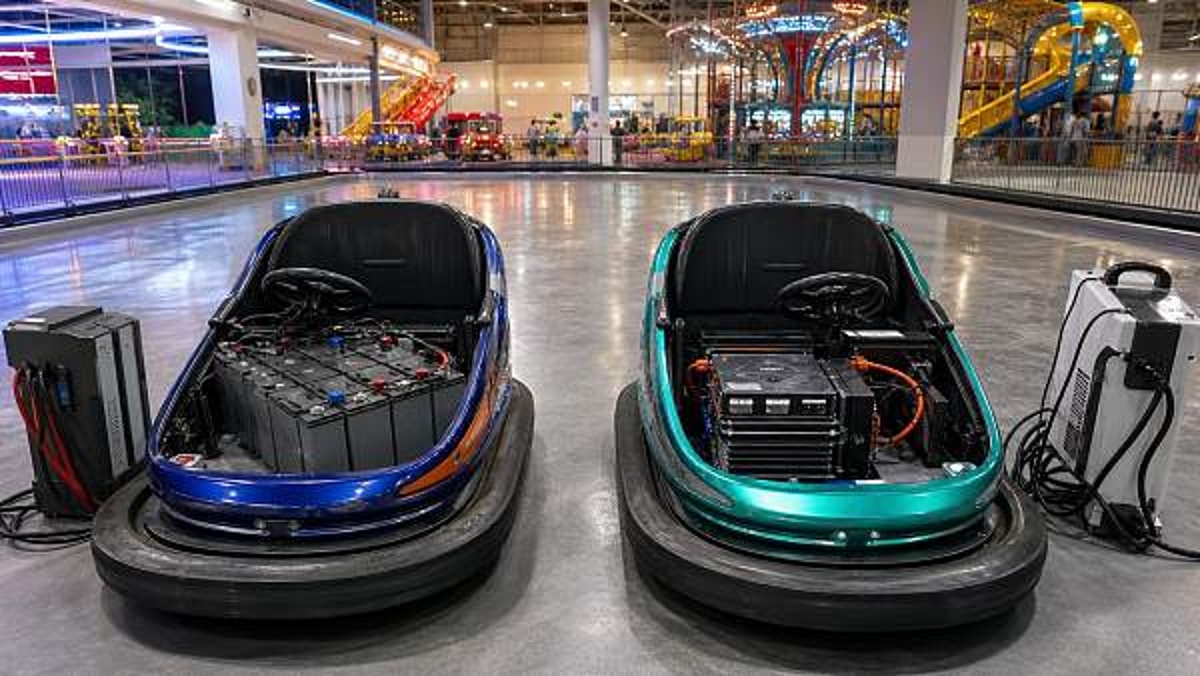
For procurement teams evaluating bumper cars wholesale, battery choice is more than a technical detail—it directly affects operating costs, maintenance schedules, ride uptime, and long-term ROI. From lead-acid to lithium options, understanding the real cost impact helps buyers compare suppliers more accurately and make sourcing decisions that support safer, more efficient amusement operations.
Battery decisions are becoming a bigger sourcing issue in bumper cars wholesale
A clear shift is happening in the amusement and leisure equipment market: buyers are no longer evaluating bumper cars mainly by exterior design, track layout, or unit price. In bumper cars wholesale, the battery system is moving to the center of commercial evaluation because operators are under pressure to reduce downtime, improve safety consistency, and control lifetime costs rather than just acquisition cost.
This change is especially visible among family entertainment centers, indoor parks, shopping mall attractions, tourism venues, and multi-site operators. These buyers increasingly compare total operating cost per car, charging labor, replacement frequency, floor staffing, and service interruption risk. As power costs, labor costs, and guest expectations rise, battery chemistry becomes a business model issue, not just an engineering option.
For procurement personnel, this means traditional quote comparison is no longer enough. Two bumper cars wholesale offers can look similar on purchase price yet create very different maintenance burdens over three to five years. The market signal is straightforward: battery selection now influences supplier credibility, operating resilience, and long-term asset performance.
What is changing in the market and why it matters now
Several industry signals explain why battery options are receiving more attention in bumper cars wholesale. First, many operators want longer daily running hours without adding excessive spare units. Second, venue managers are trying to simplify maintenance because trained technical staff are harder to retain. Third, international buyers are increasingly sensitive to safety documentation, charging system quality, and after-sales support when importing ride equipment.
Another important change is the growing difference between “cheap to buy” and “efficient to operate.” In the past, some buyers accepted frequent battery replacement as a normal part of ride ownership. Today, operators are more likely to model electricity use, labor hours, charging cycles, ventilation demands, and replacement timing. This is particularly relevant for buyers sourcing bumper cars wholesale for high-traffic venues where every hour of downtime reduces ticket revenue and customer satisfaction.
At the same time, equipment suppliers are widening their product range. Instead of offering one standard lead-acid package, many manufacturers now provide multiple battery configurations, battery management systems, fast-charging compatibility, and upgraded electrical protection. For buyers, the wider choice is helpful, but it also increases the need for a more disciplined comparison framework.
The main battery options and how they change operating costs
In bumper cars wholesale, the most common comparison is between lead-acid batteries and lithium battery systems. Some suppliers may also position upgraded sealed variants or different capacity packages, but the commercial discussion usually centers on these two directions. The core question is not which battery is universally better, but which cost structure fits the venue’s usage pattern.
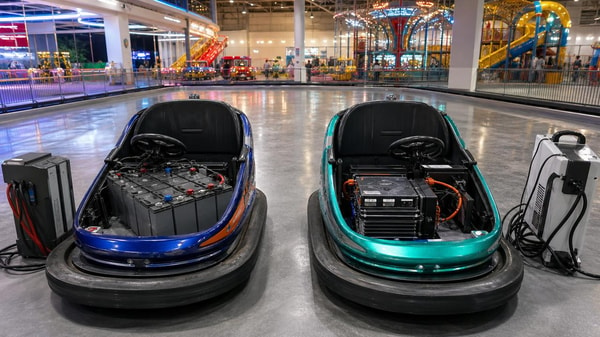
Lead-acid remains attractive because it reduces initial capital outlay. For some projects, especially smaller venues or seasonal operations, this still makes commercial sense. However, the trade-off often appears later through shorter service life, more frequent replacement cycles, performance inconsistency, and additional labor for monitoring and charging routines.
Lithium systems, by contrast, usually shift cost from operations to procurement. Buyers pay more at the start, but may gain from longer cycle life, less maintenance intervention, stronger energy efficiency, and better uptime. In bumper cars wholesale, this is why lithium is increasingly evaluated not as a luxury upgrade, but as a practical tool for reducing hidden operating expenses.
Why this shift is accelerating across amusement procurement
The battery conversation is accelerating because several pressures are converging at once. Labor is one of the strongest drivers. Operators want equipment that requires fewer daily checks, fewer battery swaps, and less corrective maintenance. A ride system that saves only a small amount of technician time each day can still create meaningful annual savings across a fleet.
Guest experience is another driver. When bumper cars lose responsiveness late in the day, customers notice. In premium entertainment settings, uneven performance can affect reviews, repeat visits, and brand perception. Procurement teams sourcing bumper cars wholesale are therefore more likely to ask about discharge stability, charging turnaround, and consistency during peak hours.
There is also a compliance and risk-management dimension. Buyers increasingly prefer suppliers that can clearly explain electrical protection, charging procedures, battery enclosure design, spare parts access, and documentation support. Even when local regulations differ, commercial buyers want systems that are easier to audit, train, and operate safely.
Who feels the impact most in a bumper cars wholesale decision
Battery choice affects more than the purchasing department. It changes cost allocation, staffing requirements, maintenance planning, and operational flexibility across the business. That is why bumper cars wholesale evaluation increasingly involves cross-functional review rather than a simple equipment purchase approval.
This broader impact explains why experienced buyers no longer treat batteries as a line-item accessory. In bumper cars wholesale, the battery package influences whether the final system matches the commercial reality of the venue, especially in locations with long operating hours or limited technical staffing.
What procurement teams should examine beyond the battery label
One of the most common sourcing mistakes is comparing “lead-acid versus lithium” without examining the full operating environment. A stronger approach is to assess the surrounding system. Buyers should ask how the charging solution is configured, what the battery replacement procedure looks like, how the controller manages power delivery, and whether spare parts support is realistic in the destination market.
In bumper cars wholesale, the following factors often matter more than expected:
- Actual cycle life under commercial use rather than ideal laboratory claims
- Charging time and how it fits the venue’s opening schedule
- Battery performance consistency during peak traffic hours
- Ease of diagnostics and replacement procedures
- Warranty scope, exclusions, and local service support
- Electrical safety features and documentation quality
This is where supplier transparency becomes a major trust signal. A credible supplier should be able to explain not only the battery type, but also the assumptions behind operating cost claims. If a quote highlights low price but avoids lifecycle detail, buyers should treat that as a signal for closer review.
How to judge the right battery direction by operating stage
Not every venue should make the same decision. Battery strategy should follow operating intensity, staffing structure, and financial horizon. The best bumper cars wholesale choice often depends on where the business is in its growth cycle and how predictable usage demand will be.
This staged view helps procurement teams avoid both extremes: overpaying for specifications that the venue does not need, or underbuying and absorbing unnecessary operating friction later. In other words, the best bumper cars wholesale decision is context-based, not trend-following for its own sake.
Key signals worth watching over the next sourcing cycle
Looking ahead, buyers should monitor several signals. First, pay attention to how suppliers present battery lifecycle evidence. The market is moving toward more detailed commercial justification rather than broad technical claims. Second, watch for stronger integration between battery systems, controllers, and diagnostics, because these combinations can reduce failure rates and simplify maintenance.
Third, expect buyers to place more value on operational documentation, training support, and replacement planning. In bumper cars wholesale, post-purchase support is increasingly part of the product itself. Finally, premium operators are likely to continue favoring solutions that improve consistency and lower labor dependence, even if initial pricing is higher.
A practical sourcing response for procurement teams
For procurement professionals, the most effective response is to shift from unit-price comparison to scenario-based evaluation. Ask suppliers to quote battery options separately, estimate replacement intervals, clarify charging requirements, and explain how performance changes over time. Where possible, compare cost per operating year rather than cost per delivered car.
It is also wise to align the battery decision with the venue’s actual business model. If the attraction runs short sessions with limited daily demand, lower-cost configurations may remain viable. If the venue depends on high throughput, weekend peaks, and reduced staffing complexity, a more advanced battery solution may support better financial outcomes. In bumper cars wholesale, the winning procurement strategy is the one that links technical choice to operating reality.
Final judgment: battery choice is now a strategic cost signal
The biggest trend is not simply that lithium is gaining attention or that lead-acid still has a place. The deeper market change is that battery selection has become a visible indicator of how mature a bumper cars wholesale sourcing process really is. Buyers are being asked to think beyond purchase price and evaluate uptime, labor, maintenance, replacement cycles, and guest experience together.
If your team wants to judge how this trend affects your own project, focus on a few questions: How many hours will the ride actually run each day? How costly is downtime in your venue? How much technical labor can you realistically support? How important is performance consistency during peak periods? And which supplier can document lifecycle assumptions with the clearest operational evidence? Those answers will do more to improve bumper cars wholesale decisions than any headline price comparison alone.
Search News
Hot Articles
Popular Tags
Need ExpertConsultation?
Connect with our specialized leisureengineering team for procurementstrategies.
Recommended News
 May 07, 2026Shen Jing on Trade Rumors: Implications for Basketball Equipment ManufacturingBasketball equipment manufacturing gains strategic clarity as Shen Jing’s trade rumor response boosts OEM confidence—Dongguan & Suzhou suppliers see strengthened NBA facility credibility and smart gear demand.● Theme Park Strategist
 May 07, 2026Ferris Wheel Manufacturer Shortlists Often Miss This RiskFerris wheel manufacturer shortlists often miss lifecycle compliance risk. Learn how to avoid costly delays, safety gaps, and weak after-sales support before you buy.● Theme Park Strategist
 May 07, 2026Lazy River Equipment: Where Energy Use Adds Up FastLazy river equipment can drive energy costs higher than expected. Learn what technical evaluators should check before sourcing or upgrading for better efficiency and lifecycle value.● Theme Park Strategist
 May 07, 2026Water Playground Structures: Design Choices That Reduce Queue TimeWater playground structures that cut queue time: discover layout, capacity, and feature strategies that improve guest flow, safety, and ROI for commercial aquatic projects.● Theme Park Strategist
 May 07, 2026Bumper Cars Wholesale: Battery Options That Change Operating CostsBumper cars wholesale decisions depend heavily on battery choice. Compare lead-acid vs. lithium to cut downtime, lower operating costs, and improve long-term ROI.● Theme Park Strategist
![]() May 07, 2026Pirate Ship Amusement Rides: What Impacts Ride Smoothness Most?Pirate ship amusement ride smoothness depends on structure, drive control, bearings, balancing, and installation. Discover the key checks buyers need for safer, smoother, long-lasting performance.● Theme Park Strategist
May 07, 2026Pirate Ship Amusement Rides: What Impacts Ride Smoothness Most?Pirate ship amusement ride smoothness depends on structure, drive control, bearings, balancing, and installation. Discover the key checks buyers need for safer, smoother, long-lasting performance.● Theme Park Strategist![]() May 07, 2026How to Vet a Water Park Equipment Manufacturer for Large ProjectsWater park equipment manufacturer vetting guide for large projects: compare safety, compliance, capacity, customization, and delivery support to reduce risk and choose with confidence.● Theme Park Strategist
May 07, 2026How to Vet a Water Park Equipment Manufacturer for Large ProjectsWater park equipment manufacturer vetting guide for large projects: compare safety, compliance, capacity, customization, and delivery support to reduce risk and choose with confidence.● Theme Park Strategist May 07, 2026Drop Tower Rides: The Safety Checks That Matter MostDrop tower rides safety starts with the checks that matter most. Learn how restraints, brakes, sensors, and structural reviews support safer approval and smarter sourcing.● Theme Park Strategist
![]() May 07, 2026Flying Chair Ride Capacity Limits That Affect Daily ThroughputFlying chair ride capacity limits shape daily throughput, queue performance, and revenue. Learn the key factors buyers should assess before sourcing or planning layout.● Theme Park Strategist
May 07, 2026Flying Chair Ride Capacity Limits That Affect Daily ThroughputFlying chair ride capacity limits shape daily throughput, queue performance, and revenue. Learn the key factors buyers should assess before sourcing or planning layout.● Theme Park Strategist![]() May 07, 2026Fiberglass Water Slides: Common Surface Issues After InstallationFiberglass water slides can develop blisters, fading, rough spots, and hairline cracks after installation. Learn key causes, early warning signs, and what to inspect in the first 90 days.● Theme Park Strategist
May 07, 2026Fiberglass Water Slides: Common Surface Issues After InstallationFiberglass water slides can develop blisters, fading, rough spots, and hairline cracks after installation. Learn key causes, early warning signs, and what to inspect in the first 90 days.● Theme Park Strategist May 07, 2026How to Compare a Carousel Rides Manufacturer Beyond PriceCarousel rides manufacturer selection should go beyond price. Learn how to compare safety, compliance, customization, and after-sales support to choose a reliable supplier.● Theme Park Strategist
 May 07, 2026Roller Coaster Parts With the Highest Replacement FrequencyRoller coaster parts buyers: discover which components need the most frequent replacement, from wheels and bearings to sensors and restraints, to cut downtime and source smarter.● Theme Park Strategist
 May 07, 2026Electric Trackless Trains or Road Trains for Large Venues?Electric trackless trains for large venues: compare them with road trains to improve guest experience, reduce noise and emissions, and choose a smarter, future-ready mobility solution.● Theme Park Strategist
 May 07, 2026Wave Pool Equipment Failures That Disrupt Peak SeasonWave pool equipment failures can shut down peak-season operations fast. Learn the top breakdown risks, business impacts, and practical ways to reduce downtime and protect revenue.● Theme Park Strategist
 May 07, 2026Ferris Wheel Manufacturer Shortlists Often Miss This RiskFerris wheel manufacturer shortlists often miss lifecycle compliance risk. Learn how to avoid costly delays, safety gaps, and weak after-sales support before you buy.● Theme Park Strategist
 May 07, 2026Lazy River Equipment: Where Energy Use Adds Up FastLazy river equipment can drive energy costs higher than expected. Learn what technical evaluators should check before sourcing or upgrading for better efficiency and lifecycle value.● Theme Park Strategist
 May 07, 2026Water Playground Structures: Design Choices That Reduce Queue TimeWater playground structures that cut queue time: discover layout, capacity, and feature strategies that improve guest flow, safety, and ROI for commercial aquatic projects.● Theme Park Strategist
 May 07, 2026Bumper Cars Wholesale: Battery Options That Change Operating CostsBumper cars wholesale decisions depend heavily on battery choice. Compare lead-acid vs. lithium to cut downtime, lower operating costs, and improve long-term ROI.● Theme Park Strategist
![]() May 07, 2026Pirate Ship Amusement Rides: What Impacts Ride Smoothness Most?Pirate ship amusement ride smoothness depends on structure, drive control, bearings, balancing, and installation. Discover the key checks buyers need for safer, smoother, long-lasting performance.● Theme Park Strategist
May 07, 2026Pirate Ship Amusement Rides: What Impacts Ride Smoothness Most?Pirate ship amusement ride smoothness depends on structure, drive control, bearings, balancing, and installation. Discover the key checks buyers need for safer, smoother, long-lasting performance.● Theme Park Strategist![]() May 07, 2026How to Vet a Water Park Equipment Manufacturer for Large ProjectsWater park equipment manufacturer vetting guide for large projects: compare safety, compliance, capacity, customization, and delivery support to reduce risk and choose with confidence.● Theme Park Strategist
May 07, 2026How to Vet a Water Park Equipment Manufacturer for Large ProjectsWater park equipment manufacturer vetting guide for large projects: compare safety, compliance, capacity, customization, and delivery support to reduce risk and choose with confidence.● Theme Park Strategist May 07, 2026Drop Tower Rides: The Safety Checks That Matter MostDrop tower rides safety starts with the checks that matter most. Learn how restraints, brakes, sensors, and structural reviews support safer approval and smarter sourcing.● Theme Park Strategist
![]() May 07, 2026Flying Chair Ride Capacity Limits That Affect Daily ThroughputFlying chair ride capacity limits shape daily throughput, queue performance, and revenue. Learn the key factors buyers should assess before sourcing or planning layout.● Theme Park Strategist
May 07, 2026Flying Chair Ride Capacity Limits That Affect Daily ThroughputFlying chair ride capacity limits shape daily throughput, queue performance, and revenue. Learn the key factors buyers should assess before sourcing or planning layout.● Theme Park Strategist![]() May 07, 2026Fiberglass Water Slides: Common Surface Issues After InstallationFiberglass water slides can develop blisters, fading, rough spots, and hairline cracks after installation. Learn key causes, early warning signs, and what to inspect in the first 90 days.● Theme Park Strategist
May 07, 2026Fiberglass Water Slides: Common Surface Issues After InstallationFiberglass water slides can develop blisters, fading, rough spots, and hairline cracks after installation. Learn key causes, early warning signs, and what to inspect in the first 90 days.● Theme Park Strategist May 07, 2026How to Compare a Carousel Rides Manufacturer Beyond PriceCarousel rides manufacturer selection should go beyond price. Learn how to compare safety, compliance, customization, and after-sales support to choose a reliable supplier.● Theme Park Strategist