Ferris Wheel Manufacturer Shortlists Often Miss This Risk
Choosing a ferris wheel manufacturer is not just about price, capacity, or design appeal. Many procurement teams build shortlists around visible specs and delivery promises, yet overlook a critical risk: whether the supplier can consistently meet international safety, certification, and lifecycle support requirements. Missing this factor can turn a promising project into a costly long-term liability.
Why This Risk Is Becoming More Important Now
The procurement environment for amusement and leisure park equipment has changed significantly. In the past, many buyers evaluated a ferris wheel manufacturer mainly through engineering visuals, ride height, passenger capacity, and quoted lead time. Today, those visible metrics still matter, but they no longer tell the full story. Operators, developers, insurers, and regulators are placing far greater emphasis on documented compliance, traceable quality systems, and dependable after-sales support over the full operating life of the ride.
This shift is being driven by three converging trends. First, public safety expectations are higher across all location-based entertainment formats. Second, cross-border sourcing has become more common, which means project teams often compare suppliers from different compliance cultures and manufacturing standards. Third, financing and insurance reviews are becoming more rigorous, especially for projects attached to commercial real estate, tourism investments, mixed-use destinations, or municipal attractions.
As a result, the most important question is no longer simply, “Who can build the ride?” It is increasingly, “Which ferris wheel manufacturer can support safe, certifiable, auditable, and serviceable operations for years after installation?” For procurement professionals, that change affects shortlist criteria, contract language, factory audits, and even internal approval workflows.
The Market Signal: Visible Specifications Are Losing Their Dominance
In many sourcing discussions, visible specifications are still the easiest elements to compare. Height, cabin count, lighting effects, loading efficiency, and steel structure design are tangible and marketable. Yet buyers are learning that two manufacturers offering similar outer specifications may carry very different operational risk profiles. One may have mature documentation systems, stable control component sourcing, and proven support for international inspection. The other may rely on subcontracting, inconsistent quality records, or weak spare parts planning.
That gap is especially relevant when procurement teams are under pressure to launch new attractions quickly. A ferris wheel manufacturer may appear highly competitive during tender evaluation but become difficult during design review, shipment documentation, site acceptance, or post-handover troubleshooting. In practice, the hidden risk is less about the machine at delivery and more about the supplier’s ability to support the asset throughout commissioning, operation, maintenance, upgrades, and regulatory review.
Trend comparison in current procurement evaluation
What Is Driving the Change in Ferris Wheel Manufacturer Selection
Several deeper forces are reshaping how a ferris wheel manufacturer should be assessed. None of them are temporary, which is why procurement teams need to adjust their frameworks rather than make case-by-case exceptions.
- Regulatory complexity is increasing. Safety expectations differ by country, region, and project type. A supplier must not only build a ride but also provide documentation and technical cooperation suitable for local inspection and approval processes.
- Insurance scrutiny is stronger. Underwriters increasingly want confidence in maintenance planning, component traceability, training, and incident response preparedness.
- Destination projects are becoming more premium. Mixed-use developments, waterfront entertainment zones, tourism landmarks, and urban renewal projects require attractions that protect long-term brand value, not just opening-day marketing impact.
- Supply chains are more exposed. Buyers now understand that electrical controls, drive systems, specialty steel inputs, and critical components can affect delivery reliability and future servicing.
- Digital service expectations are rising. Remote diagnostics, documentation access, software support, and predictive maintenance are becoming more relevant in ride operations.
These drivers mean that procurement decisions are moving from a transaction mindset to an asset stewardship mindset. The ferris wheel manufacturer is increasingly judged not only as a vendor, but as a long-term technical partner.
The Most Commonly Missed Risk: Lifecycle Compliance Capability
The overlooked risk in many shortlists is lifecycle compliance capability. This is broader than having a few certificates on file. It includes the manufacturer’s ability to design to relevant standards, document material and component choices, coordinate testing, support third-party review, maintain revision control, supply replacement parts consistently, and provide technical assistance when regulations, inspections, or operating conditions change.
For buyers, this matters because a ferris wheel is not a disposable purchase. It is a long-life attraction operating in a public-facing environment where downtime, safety incidents, or unresolved inspection issues can damage revenue, reputation, and legal standing. A ferris wheel manufacturer with weak lifecycle compliance capability may still win on quote comparison, but the cost can reappear later through project delays, retrofits, documentation gaps, expensive site corrections, or reduced insurability.
This is also where procurement teams sometimes rely too heavily on sales presentations. A polished proposal is not the same as a mature engineering and compliance system. Buyers need evidence that the supplier can sustain performance beyond factory acceptance.
Who Feels the Impact Most Across the Buying Chain
The consequences of choosing the wrong ferris wheel manufacturer are rarely isolated to one department. The impact spreads across project planning, operations, finance, and commercial performance.
Signals That a Ferris Wheel Manufacturer May Not Be Ready for International Procurement
Not every risk appears in the formal quotation. Procurement professionals should pay attention to warning signals during prequalification and negotiation. A ferris wheel manufacturer may require deeper scrutiny if the team struggles to explain which standards apply to the target market, offers inconsistent answers about critical components, or cannot provide a clear process for inspection support and technical handover.
Other signals include unclear subcontracting responsibilities, generic maintenance documentation, weak revision control on drawings, overly broad warranty promises without service detail, and spare parts recommendations that seem disconnected from actual operating conditions. Another common issue is overconfidence on custom design without equal clarity on testing, load assumptions, or future maintenance access.
These red flags do not automatically disqualify a supplier, but they indicate that the shortlist should not be built on aesthetics and price alone. The right procurement response is deeper verification, not faster selection.
How Buyer Priorities Are Shifting in the Next Procurement Cycle
The next wave of sourcing decisions is likely to reward manufacturers that combine engineering capability with transparency, system discipline, and service readiness. Buyers are increasingly asking not just whether a ferris wheel manufacturer can deliver a ride, but whether the supplier can support a resilient operating model. This changes how tenders are written and how bid scoring should work.
Expect more procurement teams to formalize weighted criteria around documentation completeness, component traceability, operator training, remote support capability, and the supplier’s willingness to define post-installation obligations in measurable terms. A lower upfront price may still be attractive, but only if the manufacturer can demonstrate credible lifecycle value.
This is particularly relevant for buyers in tourism-led commercial projects, urban landmarks, theme parks, and entertainment complexes where the ferris wheel is both an attraction and a brand symbol. In those contexts, reliability and compliance are not back-office details. They directly affect ticketing continuity, guest trust, and long-term asset performance.
A Practical Judgment Framework for Shortlisting
Search News
Hot Articles
Popular Tags
Need ExpertConsultation?
Connect with our specialized leisureengineering team for procurementstrategies.
Recommended News
 May 07, 2026Shen Jing on Trade Rumors: Implications for Basketball Equipment ManufacturingBasketball equipment manufacturing gains strategic clarity as Shen Jing’s trade rumor response boosts OEM confidence—Dongguan & Suzhou suppliers see strengthened NBA facility credibility and smart gear demand.● Theme Park Strategist
 May 07, 2026Ferris Wheel Manufacturer Shortlists Often Miss This RiskFerris wheel manufacturer shortlists often miss lifecycle compliance risk. Learn how to avoid costly delays, safety gaps, and weak after-sales support before you buy.● Theme Park Strategist
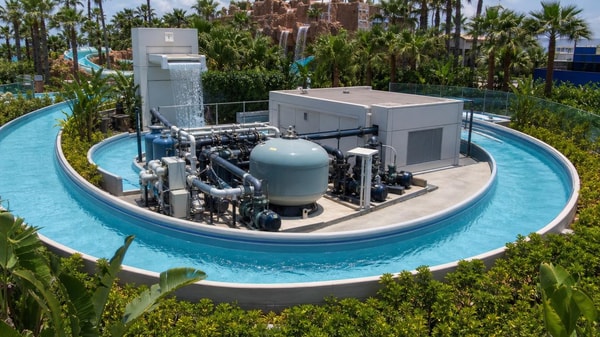
 May 07, 2026Lazy River Equipment: Where Energy Use Adds Up FastLazy river equipment can drive energy costs higher than expected. Learn what technical evaluators should check before sourcing or upgrading for better efficiency and lifecycle value.● Theme Park Strategist
 May 07, 2026Water Playground Structures: Design Choices That Reduce Queue TimeWater playground structures that cut queue time: discover layout, capacity, and feature strategies that improve guest flow, safety, and ROI for commercial aquatic projects.● Theme Park Strategist
 May 07, 2026Bumper Cars Wholesale: Battery Options That Change Operating CostsBumper cars wholesale decisions depend heavily on battery choice. Compare lead-acid vs. lithium to cut downtime, lower operating costs, and improve long-term ROI.● Theme Park Strategist
![]() May 07, 2026Pirate Ship Amusement Rides: What Impacts Ride Smoothness Most?Pirate ship amusement ride smoothness depends on structure, drive control, bearings, balancing, and installation. Discover the key checks buyers need for safer, smoother, long-lasting performance.● Theme Park Strategist
May 07, 2026Pirate Ship Amusement Rides: What Impacts Ride Smoothness Most?Pirate ship amusement ride smoothness depends on structure, drive control, bearings, balancing, and installation. Discover the key checks buyers need for safer, smoother, long-lasting performance.● Theme Park Strategist![]() May 07, 2026How to Vet a Water Park Equipment Manufacturer for Large ProjectsWater park equipment manufacturer vetting guide for large projects: compare safety, compliance, capacity, customization, and delivery support to reduce risk and choose with confidence.● Theme Park Strategist
May 07, 2026How to Vet a Water Park Equipment Manufacturer for Large ProjectsWater park equipment manufacturer vetting guide for large projects: compare safety, compliance, capacity, customization, and delivery support to reduce risk and choose with confidence.● Theme Park Strategist May 07, 2026Drop Tower Rides: The Safety Checks That Matter MostDrop tower rides safety starts with the checks that matter most. Learn how restraints, brakes, sensors, and structural reviews support safer approval and smarter sourcing.● Theme Park Strategist
![]() May 07, 2026Flying Chair Ride Capacity Limits That Affect Daily ThroughputFlying chair ride capacity limits shape daily throughput, queue performance, and revenue. Learn the key factors buyers should assess before sourcing or planning layout.● Theme Park Strategist
May 07, 2026Flying Chair Ride Capacity Limits That Affect Daily ThroughputFlying chair ride capacity limits shape daily throughput, queue performance, and revenue. Learn the key factors buyers should assess before sourcing or planning layout.● Theme Park Strategist![]() May 07, 2026Fiberglass Water Slides: Common Surface Issues After InstallationFiberglass water slides can develop blisters, fading, rough spots, and hairline cracks after installation. Learn key causes, early warning signs, and what to inspect in the first 90 days.● Theme Park Strategist
May 07, 2026Fiberglass Water Slides: Common Surface Issues After InstallationFiberglass water slides can develop blisters, fading, rough spots, and hairline cracks after installation. Learn key causes, early warning signs, and what to inspect in the first 90 days.● Theme Park Strategist May 07, 2026How to Compare a Carousel Rides Manufacturer Beyond PriceCarousel rides manufacturer selection should go beyond price. Learn how to compare safety, compliance, customization, and after-sales support to choose a reliable supplier.● Theme Park Strategist
 May 07, 2026Roller Coaster Parts With the Highest Replacement FrequencyRoller coaster parts buyers: discover which components need the most frequent replacement, from wheels and bearings to sensors and restraints, to cut downtime and source smarter.● Theme Park Strategist
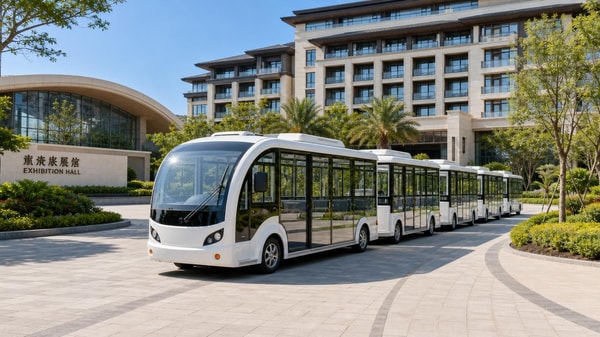
 May 07, 2026Electric Trackless Trains or Road Trains for Large Venues?Electric trackless trains for large venues: compare them with road trains to improve guest experience, reduce noise and emissions, and choose a smarter, future-ready mobility solution.● Theme Park Strategist
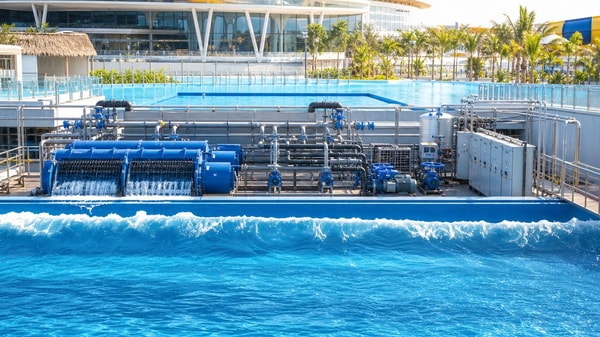
 May 07, 2026Wave Pool Equipment Failures That Disrupt Peak SeasonWave pool equipment failures can shut down peak-season operations fast. Learn the top breakdown risks, business impacts, and practical ways to reduce downtime and protect revenue.● Theme Park Strategist
 May 07, 2026Ferris Wheel Manufacturer Shortlists Often Miss This RiskFerris wheel manufacturer shortlists often miss lifecycle compliance risk. Learn how to avoid costly delays, safety gaps, and weak after-sales support before you buy.● Theme Park Strategist
 May 07, 2026Lazy River Equipment: Where Energy Use Adds Up FastLazy river equipment can drive energy costs higher than expected. Learn what technical evaluators should check before sourcing or upgrading for better efficiency and lifecycle value.● Theme Park Strategist
 May 07, 2026Water Playground Structures: Design Choices That Reduce Queue TimeWater playground structures that cut queue time: discover layout, capacity, and feature strategies that improve guest flow, safety, and ROI for commercial aquatic projects.● Theme Park Strategist
 May 07, 2026Bumper Cars Wholesale: Battery Options That Change Operating CostsBumper cars wholesale decisions depend heavily on battery choice. Compare lead-acid vs. lithium to cut downtime, lower operating costs, and improve long-term ROI.● Theme Park Strategist
![]() May 07, 2026Pirate Ship Amusement Rides: What Impacts Ride Smoothness Most?Pirate ship amusement ride smoothness depends on structure, drive control, bearings, balancing, and installation. Discover the key checks buyers need for safer, smoother, long-lasting performance.● Theme Park Strategist
May 07, 2026Pirate Ship Amusement Rides: What Impacts Ride Smoothness Most?Pirate ship amusement ride smoothness depends on structure, drive control, bearings, balancing, and installation. Discover the key checks buyers need for safer, smoother, long-lasting performance.● Theme Park Strategist![]() May 07, 2026How to Vet a Water Park Equipment Manufacturer for Large ProjectsWater park equipment manufacturer vetting guide for large projects: compare safety, compliance, capacity, customization, and delivery support to reduce risk and choose with confidence.● Theme Park Strategist
May 07, 2026How to Vet a Water Park Equipment Manufacturer for Large ProjectsWater park equipment manufacturer vetting guide for large projects: compare safety, compliance, capacity, customization, and delivery support to reduce risk and choose with confidence.● Theme Park Strategist May 07, 2026Drop Tower Rides: The Safety Checks That Matter MostDrop tower rides safety starts with the checks that matter most. Learn how restraints, brakes, sensors, and structural reviews support safer approval and smarter sourcing.● Theme Park Strategist
![]() May 07, 2026Flying Chair Ride Capacity Limits That Affect Daily ThroughputFlying chair ride capacity limits shape daily throughput, queue performance, and revenue. Learn the key factors buyers should assess before sourcing or planning layout.● Theme Park Strategist
May 07, 2026Flying Chair Ride Capacity Limits That Affect Daily ThroughputFlying chair ride capacity limits shape daily throughput, queue performance, and revenue. Learn the key factors buyers should assess before sourcing or planning layout.● Theme Park Strategist![]() May 07, 2026Fiberglass Water Slides: Common Surface Issues After InstallationFiberglass water slides can develop blisters, fading, rough spots, and hairline cracks after installation. Learn key causes, early warning signs, and what to inspect in the first 90 days.● Theme Park Strategist
May 07, 2026Fiberglass Water Slides: Common Surface Issues After InstallationFiberglass water slides can develop blisters, fading, rough spots, and hairline cracks after installation. Learn key causes, early warning signs, and what to inspect in the first 90 days.● Theme Park Strategist May 07, 2026How to Compare a Carousel Rides Manufacturer Beyond PriceCarousel rides manufacturer selection should go beyond price. Learn how to compare safety, compliance, customization, and after-sales support to choose a reliable supplier.● Theme Park Strategist