Water Playground Structures: Design Choices That Reduce Queue Time
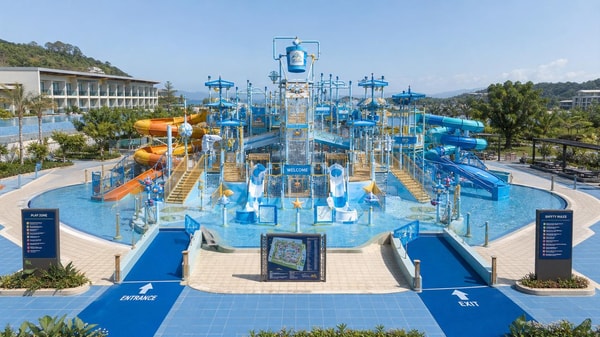
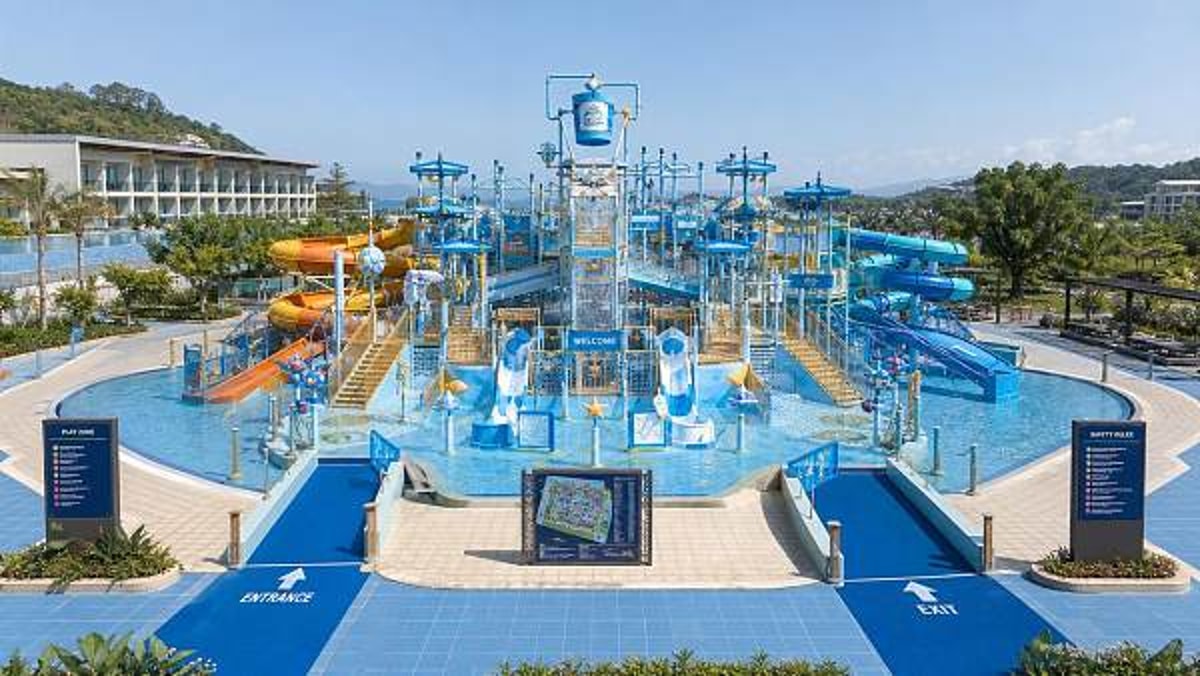
For project managers under pressure to improve guest flow, water playground structures are more than visual attractions—they are operational assets. The right design choices can reduce queue time, balance user distribution, and improve safety without sacrificing play value. This article explores practical layout, capacity, and feature selection strategies that help commercial aquatic projects deliver smoother experiences and stronger performance.
Why project teams should use a checklist before approving design
Queue problems in aquatic venues rarely come from one obvious mistake. More often, they result from a combination of attractive but poorly distributed features, narrow circulation routes, inconsistent spray timing, weak visibility for supervision, or a mismatch between user age groups and play intensity. For project managers, this means selecting water playground structures should never be based on appearance alone. A checklist-based review helps teams connect design choices to operational outcomes such as throughput, guest dwell time, staffing efficiency, and incident prevention.
In commercial projects, every square meter must justify its cost. A tower that looks impressive but creates a single bottleneck can reduce guest satisfaction and increase complaints during peak periods. By contrast, water playground structures designed with multiple points of engagement, distributed excitement, and balanced circulation can keep guests moving naturally. The result is lower perceived waiting time, better capacity utilization, and a stronger return on capital investment.
First-pass checklist: what to confirm before comparing suppliers
Before reviewing drawings, themed concepts, or material finishes, project leaders should confirm the operational targets that the water playground structures must support. These baseline questions prevent design revisions later in procurement or engineering.
- What is the peak hourly user load, and how many active play positions are needed to keep average wait time acceptable?
- Which age groups will use the zone most heavily: toddlers, mixed-family users, school-age children, or a broad resort audience?
- Will the installation operate as a destination anchor, a secondary attraction, or a flow-balancing feature near other aquatic assets?
- How much deck area, splash zone clearance, and supervised circulation space are available around the structure?
- What local and international safety standards, water treatment requirements, and material certifications must be met?
- How important are maintenance access, part replacement lead time, and OEM/ODM customization for the project schedule?
For procurement-driven developments, these points also make supplier comparisons more objective. Instead of asking which water playground structures look more exciting, teams can ask which option delivers the best distribution of play events, the best circulation logic, and the lowest risk of localized queue buildup.
Core design choices that directly reduce queue time
1. Prioritize distributed attractions over one dominant feature
A common error is concentrating guest attention on one highly visible slide, tipping bucket, or climbing route. Signature elements matter, but if too much demand centers on one feature, all surrounding circulation begins to stall. Better-performing water playground structures use several medium-intensity attractions positioned across different sides and elevations. This encourages guests to self-distribute rather than form a single queue line.
2. Increase simultaneous play points
Simultaneous play points are one of the clearest indicators of throughput. Spray loops, ground effects, crawl-through zones, low-level slides, water cannons, and interactive panels can all engage users at the same time. Project teams should calculate whether the structure offers enough active positions for the expected user load, not just enough visual mass. The best water playground structures allow many children to play at once without competing for the same access route.
3. Separate access and exit paths
Where possible, climbing access should not intersect with slide exits, bucket splash zones, or standing play clusters. Cross-traffic slows movement and increases supervision difficulty. A strong layout gives users a clear progression: enter, engage, move upward or outward, and leave without retracing steps. Even small adjustments in stairs, bridge locations, and deck transitions can significantly improve flow.
4. Use varied intensity to spread demand
Not every guest wants the highest-thrill feature. Water playground structures that combine calm sprays, medium-energy interactive features, and a few high-interest events keep more visitors occupied across the zone. This is especially important in hotels, mixed-use leisure projects, and family waterparks where comfort levels vary widely. A balanced intensity profile reduces crowding near only the most dramatic attraction.
5. Design for visibility and intuitive wayfinding
If users cannot quickly understand where to go next, they hesitate, cluster, or follow others into the same route. Good sightlines, obvious entry points, visible stairs, and readable feature sequencing make movement more natural. For operations teams, better visibility also improves staff oversight, helping identify congestion before it becomes a safety issue.
A practical evaluation table for water playground structures
When reviewing concept packages or factory proposals, project managers can use the following table to keep discussions tied to measurable decisions rather than subjective preferences.
How layout strategy changes by project type
Hotels and resorts
In hospitality environments, water playground structures often serve mixed-age family groups and must support a relaxed, premium experience. Queue reduction here is less about maximum adrenaline and more about avoiding guest frustration. Designers should emphasize broad accessibility, shaded waiting-adjacent areas, gentle play points for younger children, and enough distributed attractions that siblings of different ages remain engaged in the same zone.
Municipal or school-linked aquatic facilities
These projects often face heavier peak bursts from group arrivals. Water playground structures should support durable circulation, easy supervision, and predictable throughput. Wider access stairs, reinforced impact zones, and simple but numerous play interactions typically outperform highly complex scenic concepts that slow movement and increase maintenance demands.
Commercial waterparks and leisure destinations
In higher-volume venues, the structure may need to absorb waiting pressure from nearby rides. Here, project teams should treat water playground structures as flow-balancing assets. The ideal design offers layered discovery, multiple entry routes, and a mix of short-duration and repeatable activities so guests can circulate rather than queue in a fixed line.
Commonly overlooked issues that create hidden bottlenecks
- Oversized tipping bucket focus: A dramatic bucket can become a crowd magnet if there are not enough nearby secondary features to hold users before and after each cycle.
- Underestimating family behavior: Parents often stop near stairs, exits, or splash zones to supervise or take photos, unintentionally narrowing flow paths.
- Poor age mixing: If toddlers and older children share the same route to the most exciting feature, pace differences immediately create delays and safety concerns.
- Inadequate shade or comfort planning: Guests may cluster in a few comfortable areas, turning rest spaces into circulation obstructions.
- Ignoring maintenance shutdown scenarios: If one key feature goes offline and all attraction value disappears, queue stress shifts to adjacent assets across the venue.
Execution advice for project managers during specification and sourcing
To move from concept to procurement efficiently, project teams should request more than renderings. Ask suppliers of water playground structures for throughput assumptions, recommended user age profiles, structural material details, coating systems, anti-slip treatments, flow diagrams, maintenance access plans, and reference installations with similar attendance patterns. If a supplier cannot explain how the layout reduces queue concentration, the design may not be operationally mature.
It is also useful to review OEM or custom fabrication capability in relation to your site constraints. In many commercial builds, queue reduction depends on adapting the structure to available deck geometry, sightline requirements, or the relationship to nearby pools and amenities. A generic off-the-shelf layout may save design time at first but cost more later in user-flow inefficiency.
From an engineering standpoint, involve operations and lifeguard supervisors early. They often identify practical issues that are easy to miss in design meetings, such as where guests actually stop, where supervision becomes difficult, and where exits create slip-risk congestion. This cross-functional review is especially valuable when selecting water playground structures for premium hospitality or high-capacity public venues.
Final decision checklist before sign-off
- Confirm that attraction demand is distributed, not concentrated in one hero element.
- Verify that the number of simultaneous play positions matches the expected peak user load.
- Check that entry, climb, play, and exit routes do not create repeated crossing points.
- Review age suitability and whether younger and older users can coexist without delaying each other.
- Assess operator sightlines, maintenance access, and shutdown impact on overall venue flow.
- Request evidence from previous projects, compliance documentation, and realistic lead-time commitments.
Next-step guidance for commercial buyers
For project managers and engineering leads, the most effective next step is to prepare a concise sourcing brief before engaging manufacturers or trade intelligence partners. Include target age mix, estimated peak occupancy, available footprint, local compliance requirements, water depth conditions, thematic direction, maintenance expectations, opening deadline, and budget range. With that information, suppliers can recommend water playground structures that are not only visually compelling but also operationally sound.
If the project is moving toward specification, prioritize discussions around capacity logic, customization options, installation sequencing, spare parts strategy, and how the design will perform under real crowd conditions. That is where better sourcing decisions turn attractive aquatic concepts into reliable commercial experiences.
Search News
Hot Articles
Popular Tags
Need ExpertConsultation?
Connect with our specialized leisureengineering team for procurementstrategies.
Recommended News
 May 07, 2026Shen Jing on Trade Rumors: Implications for Basketball Equipment ManufacturingBasketball equipment manufacturing gains strategic clarity as Shen Jing’s trade rumor response boosts OEM confidence—Dongguan & Suzhou suppliers see strengthened NBA facility credibility and smart gear demand.● Theme Park Strategist
 May 07, 2026Ferris Wheel Manufacturer Shortlists Often Miss This RiskFerris wheel manufacturer shortlists often miss lifecycle compliance risk. Learn how to avoid costly delays, safety gaps, and weak after-sales support before you buy.● Theme Park Strategist
 May 07, 2026Lazy River Equipment: Where Energy Use Adds Up FastLazy river equipment can drive energy costs higher than expected. Learn what technical evaluators should check before sourcing or upgrading for better efficiency and lifecycle value.● Theme Park Strategist
 May 07, 2026Water Playground Structures: Design Choices That Reduce Queue TimeWater playground structures that cut queue time: discover layout, capacity, and feature strategies that improve guest flow, safety, and ROI for commercial aquatic projects.● Theme Park Strategist
 May 07, 2026Bumper Cars Wholesale: Battery Options That Change Operating CostsBumper cars wholesale decisions depend heavily on battery choice. Compare lead-acid vs. lithium to cut downtime, lower operating costs, and improve long-term ROI.● Theme Park Strategist
![]() May 07, 2026Pirate Ship Amusement Rides: What Impacts Ride Smoothness Most?Pirate ship amusement ride smoothness depends on structure, drive control, bearings, balancing, and installation. Discover the key checks buyers need for safer, smoother, long-lasting performance.● Theme Park Strategist
May 07, 2026Pirate Ship Amusement Rides: What Impacts Ride Smoothness Most?Pirate ship amusement ride smoothness depends on structure, drive control, bearings, balancing, and installation. Discover the key checks buyers need for safer, smoother, long-lasting performance.● Theme Park Strategist![]() May 07, 2026How to Vet a Water Park Equipment Manufacturer for Large ProjectsWater park equipment manufacturer vetting guide for large projects: compare safety, compliance, capacity, customization, and delivery support to reduce risk and choose with confidence.● Theme Park Strategist
May 07, 2026How to Vet a Water Park Equipment Manufacturer for Large ProjectsWater park equipment manufacturer vetting guide for large projects: compare safety, compliance, capacity, customization, and delivery support to reduce risk and choose with confidence.● Theme Park Strategist May 07, 2026Drop Tower Rides: The Safety Checks That Matter MostDrop tower rides safety starts with the checks that matter most. Learn how restraints, brakes, sensors, and structural reviews support safer approval and smarter sourcing.● Theme Park Strategist
![]() May 07, 2026Flying Chair Ride Capacity Limits That Affect Daily ThroughputFlying chair ride capacity limits shape daily throughput, queue performance, and revenue. Learn the key factors buyers should assess before sourcing or planning layout.● Theme Park Strategist
May 07, 2026Flying Chair Ride Capacity Limits That Affect Daily ThroughputFlying chair ride capacity limits shape daily throughput, queue performance, and revenue. Learn the key factors buyers should assess before sourcing or planning layout.● Theme Park Strategist![]() May 07, 2026Fiberglass Water Slides: Common Surface Issues After InstallationFiberglass water slides can develop blisters, fading, rough spots, and hairline cracks after installation. Learn key causes, early warning signs, and what to inspect in the first 90 days.● Theme Park Strategist
May 07, 2026Fiberglass Water Slides: Common Surface Issues After InstallationFiberglass water slides can develop blisters, fading, rough spots, and hairline cracks after installation. Learn key causes, early warning signs, and what to inspect in the first 90 days.● Theme Park Strategist May 07, 2026How to Compare a Carousel Rides Manufacturer Beyond PriceCarousel rides manufacturer selection should go beyond price. Learn how to compare safety, compliance, customization, and after-sales support to choose a reliable supplier.● Theme Park Strategist
 May 07, 2026Roller Coaster Parts With the Highest Replacement FrequencyRoller coaster parts buyers: discover which components need the most frequent replacement, from wheels and bearings to sensors and restraints, to cut downtime and source smarter.● Theme Park Strategist
 May 07, 2026Electric Trackless Trains or Road Trains for Large Venues?Electric trackless trains for large venues: compare them with road trains to improve guest experience, reduce noise and emissions, and choose a smarter, future-ready mobility solution.● Theme Park Strategist
 May 07, 2026Wave Pool Equipment Failures That Disrupt Peak SeasonWave pool equipment failures can shut down peak-season operations fast. Learn the top breakdown risks, business impacts, and practical ways to reduce downtime and protect revenue.● Theme Park Strategist
 May 07, 2026Ferris Wheel Manufacturer Shortlists Often Miss This RiskFerris wheel manufacturer shortlists often miss lifecycle compliance risk. Learn how to avoid costly delays, safety gaps, and weak after-sales support before you buy.● Theme Park Strategist
 May 07, 2026Lazy River Equipment: Where Energy Use Adds Up FastLazy river equipment can drive energy costs higher than expected. Learn what technical evaluators should check before sourcing or upgrading for better efficiency and lifecycle value.● Theme Park Strategist
 May 07, 2026Water Playground Structures: Design Choices That Reduce Queue TimeWater playground structures that cut queue time: discover layout, capacity, and feature strategies that improve guest flow, safety, and ROI for commercial aquatic projects.● Theme Park Strategist
 May 07, 2026Bumper Cars Wholesale: Battery Options That Change Operating CostsBumper cars wholesale decisions depend heavily on battery choice. Compare lead-acid vs. lithium to cut downtime, lower operating costs, and improve long-term ROI.● Theme Park Strategist
![]() May 07, 2026Pirate Ship Amusement Rides: What Impacts Ride Smoothness Most?Pirate ship amusement ride smoothness depends on structure, drive control, bearings, balancing, and installation. Discover the key checks buyers need for safer, smoother, long-lasting performance.● Theme Park Strategist
May 07, 2026Pirate Ship Amusement Rides: What Impacts Ride Smoothness Most?Pirate ship amusement ride smoothness depends on structure, drive control, bearings, balancing, and installation. Discover the key checks buyers need for safer, smoother, long-lasting performance.● Theme Park Strategist![]() May 07, 2026How to Vet a Water Park Equipment Manufacturer for Large ProjectsWater park equipment manufacturer vetting guide for large projects: compare safety, compliance, capacity, customization, and delivery support to reduce risk and choose with confidence.● Theme Park Strategist
May 07, 2026How to Vet a Water Park Equipment Manufacturer for Large ProjectsWater park equipment manufacturer vetting guide for large projects: compare safety, compliance, capacity, customization, and delivery support to reduce risk and choose with confidence.● Theme Park Strategist May 07, 2026Drop Tower Rides: The Safety Checks That Matter MostDrop tower rides safety starts with the checks that matter most. Learn how restraints, brakes, sensors, and structural reviews support safer approval and smarter sourcing.● Theme Park Strategist
![]() May 07, 2026Flying Chair Ride Capacity Limits That Affect Daily ThroughputFlying chair ride capacity limits shape daily throughput, queue performance, and revenue. Learn the key factors buyers should assess before sourcing or planning layout.● Theme Park Strategist
May 07, 2026Flying Chair Ride Capacity Limits That Affect Daily ThroughputFlying chair ride capacity limits shape daily throughput, queue performance, and revenue. Learn the key factors buyers should assess before sourcing or planning layout.● Theme Park Strategist![]() May 07, 2026Fiberglass Water Slides: Common Surface Issues After InstallationFiberglass water slides can develop blisters, fading, rough spots, and hairline cracks after installation. Learn key causes, early warning signs, and what to inspect in the first 90 days.● Theme Park Strategist
May 07, 2026Fiberglass Water Slides: Common Surface Issues After InstallationFiberglass water slides can develop blisters, fading, rough spots, and hairline cracks after installation. Learn key causes, early warning signs, and what to inspect in the first 90 days.● Theme Park Strategist May 07, 2026How to Compare a Carousel Rides Manufacturer Beyond PriceCarousel rides manufacturer selection should go beyond price. Learn how to compare safety, compliance, customization, and after-sales support to choose a reliable supplier.● Theme Park Strategist