Wave Pool Equipment Failures That Disrupt Peak Season
When wave pool equipment fails during peak season, project managers face more than downtime—they face safety risks, lost revenue, and urgent repair coordination. From hydraulic breakdowns to control system faults, understanding the most disruptive failure points is essential for keeping operations stable. This article outlines the common issues, their operational impact, and what engineering teams can do to reduce unplanned interruptions.
Why Failure Risk Looks Different Across Operating Scenarios
For project managers and engineering leads, wave pool equipment should never be assessed as a single technical package disconnected from business context. A resort wave lagoon, a municipal aquatic center, a destination waterpark, and a mixed-use leisure development may all rely on similar core systems, yet the consequences of failure are very different. In one scenario, a two-hour outage mainly causes guest complaints. In another, it can trigger evacuation, refund claims, staffing inefficiency, and reputational damage across an entire tourism cluster.
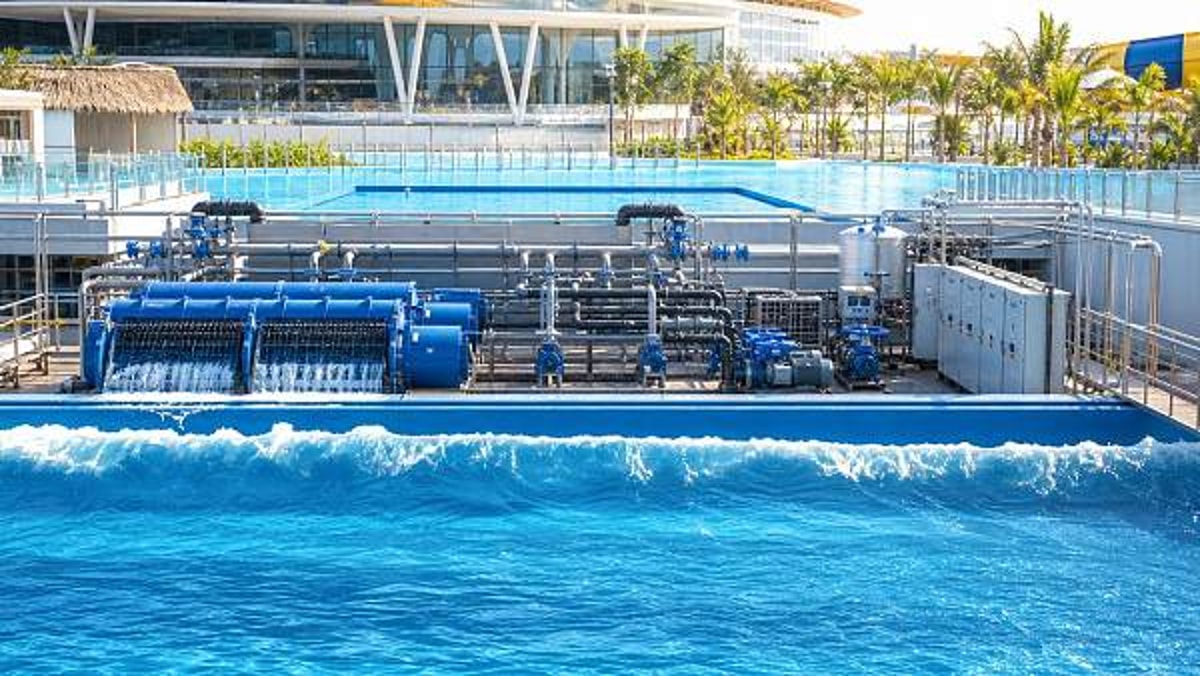
That is why the most useful way to evaluate wave pool equipment failures is through application scenarios. Peak season puts maximum stress on pumps, actuators, valves, filtration, sensors, programmable logic controls, and wave-generation mechanisms. However, the operational pain point changes depending on bather load, maintenance window length, redundancy design, local climate, and the commercial model behind the facility. A project manager responsible for uptime must therefore ask not only “what can fail,” but also “which failures matter most in my operating environment.”
Typical Business Scenarios Where Wave Pool Equipment Failures Hurt the Most
In practice, wave pool equipment failures become most disruptive in high-utilization, time-sensitive settings. The following scenarios help clarify where engineering teams should focus prevention budgets and monitoring effort.
Scenario 1: High-Throughput Waterparks Need Reliability More Than Raw Wave Performance
In large commercial waterparks, wave pools are often anchor attractions. The challenge here is not whether the system can create dramatic wave profiles on paper, but whether the wave pool equipment can repeat that performance for long operating hours with minimal intervention. During peak season, attendance compresses maintenance windows and amplifies the cost of every unscheduled stop.
The most disruptive failures in this scenario are usually central pump overload, motor overheating, valve sticking, or control logic trips that halt the entire wave cycle. Because large parks depend on synchronized operations, one wave pool shutdown can spill guests into lazy rivers, children’s splash zones, and food service areas, causing site-wide congestion.
For this scenario, project managers should prioritize wave pool equipment with robust duty-cycle ratings, spare critical components on site, and vendor support agreements that define emergency response times. High-throughput parks are less forgiving of bespoke systems that look impressive but require specialist intervention for routine faults.
What to Check in This Scenario
- Pump and motor thermal performance under sustained peak load
- Availability of backup PLC modules, sensors, and actuators
- Restart procedures after E-stop or power disturbance
- Fault logging quality for root-cause investigation
Scenario 2: Resorts and Premium Leisure Projects Must Protect Experience Consistency
In resort environments, the operational objective is often different. Guests may not tolerate visible mechanical issues, irregular wave timing, unusual noise, or repeated closures for troubleshooting. Here, wave pool equipment failure is not only a maintenance issue but also a brand experience issue. A premium property sells seamless leisure, not engineering excuses.
Typical failures in this setting include fluctuating hydraulic pressure, calibration drift in sensors, intermittent communication faults between the supervisory control system and field devices, and poor synchronization between wave patterns and water treatment cycles. Such failures may not always create a full shutdown, but partial degradation can still damage guest perception and trigger negative reviews.
Project managers in this scenario should place strong emphasis on predictive maintenance, acoustic control, stable automation architecture, and supplier training for local staff. A system that can “still run” after a fault is not enough if the guest-facing performance becomes noticeably inconsistent.
Scenario 3: Public Aquatic Facilities Need Safety-Critical Dependability and Documentation
Municipal and public venues often operate under tighter inspection obligations and greater scrutiny from regulators, community stakeholders, and insurance providers. In these environments, wave pool equipment failures are especially serious when they involve emergency stop systems, water-level detection, safety interlocks, or filtration interaction that can affect swimmer safety.
A control malfunction that would be considered an inconvenience in a resort may become a reportable incident in a public facility. Likewise, deferred maintenance can quickly become unacceptable when operators must demonstrate compliance history. This changes procurement and lifecycle decisions. The best fit may not be the most advanced wave form package, but the one with transparent documentation, standardized parts, and maintainable architecture.
For project managers, the key question is whether the wave pool equipment supports clear inspection routines, testable fail-safe behavior, and traceable service records. Systems that depend too heavily on proprietary diagnostics can be a poor fit if local teams cannot verify safety functions independently.
Scenario 4: Newly Built or Expanded Facilities Often Suffer from Commissioning-Stage Weaknesses
Not all peak-season failures are caused by wear. In new projects, many disruptions come from incomplete commissioning, rushed handover, or unresolved integration gaps between mechanical, electrical, and control systems. This is common when developers open before all performance scenarios have been tested under realistic guest loads.
In this scenario, wave pool equipment may fail because setpoints were never optimized, sensors were poorly positioned, PLC logic was modified without proper validation, or contractor coordination left hidden defects in cabling, drainage, or hydraulic balancing. The result is a frustrating pattern of “small” issues that repeatedly interrupt operation.
Engineering leads should treat commissioning records as a live operational tool, not just a closeout document. Acceptance testing should include simulated peak demand, restart drills, alarm verification, and fault escalation pathways. If the site depends on seasonal revenue, every unresolved commissioning gap becomes more expensive once guests arrive.
The Most Common Failure Points in Wave Pool Equipment
Across these scenarios, several failure categories appear repeatedly. Understanding them helps project managers align maintenance resources with actual risk.
Hydraulic and Mechanical Failures
These include pump cavitation, seal degradation, valve wear, actuator fatigue, and pressure imbalance. They often begin as performance irregularities before escalating into shutdowns. Sites with aggressive duty cycles or insufficient pre-season inspection are especially vulnerable.
Electrical and Power Quality Problems
Voltage fluctuation, overheating panels, failing drives, and poor cable termination can knock out wave pool equipment unexpectedly. In outdoor leisure environments, moisture ingress and corrosion also contribute to repeated faults.
Controls, Sensors, and Automation Faults
Sensor drift, communication loss, PLC programming errors, and HMI alarm confusion are common. These are particularly disruptive because they can be difficult to diagnose under live operating pressure, especially when the fault appears intermittently.
Water Quality and Interdependent System Triggers
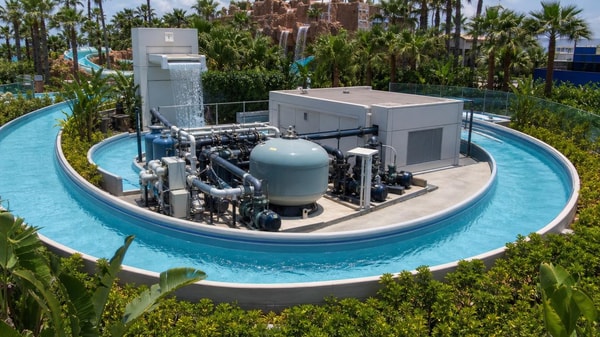
Wave pool equipment does not operate in isolation. Filtration, disinfection, surge systems, and level management can all trigger protective stoppages. If engineering and operations teams treat these as separate silos, repeat downtime becomes likely.
How Scenario-Based Planning Reduces Unplanned Interruptions
The most effective facilities do not rely on generic maintenance calendars alone. They match their prevention strategy to operating scenario. That means identifying which wave pool equipment components are single points of failure, which alarms require immediate escalation, and which seasonal conditions increase vulnerability.
Common Misjudgments Project Managers Should Avoid
One common mistake is assuming that if wave pool equipment passed installation tests, it is ready for peak season. Laboratory or low-load acceptance does not replicate real-world guest density, operating duration, and staffing pressure. Another misjudgment is overemphasizing initial purchase cost while underestimating serviceability, parts lead times, and software support dependency.
Some teams also separate maintenance decisions from guest operations planning. In reality, shutdown timing, queue management, lifeguard deployment, and communication protocols all affect the cost of technical failure. Finally, many facilities wait for visible breakdown instead of acting on weak warning signs such as irregular cycle timing, unexplained alarm resets, or rising motor temperature trends.
FAQ for Engineering and Project Teams
Which wave pool equipment failure causes the fastest revenue loss?
In most commercial parks, a total wave generation shutdown creates the fastest revenue and satisfaction impact because it affects a signature attraction immediately and pushes crowd pressure elsewhere on site.
Are control system faults more dangerous than mechanical failures?
Not always, but control system faults can be more disruptive because they may mask root causes, trigger repeated trips, and complicate safe restart procedures. Their operational impact is often larger than the apparent hardware issue.
How should a project manager prioritize upgrades?
Start with scenario-specific single points of failure: critical pumps, drives, PLC hardware, safety interlocks, and spare parts exposure. Then assess whether the current wave pool equipment supports monitoring, quick diagnosis, and maintainable operation under your actual peak-season workload.
Turning Failure Analysis Into a Better Sourcing and Operations Plan
For commercial buyers, the real value of reviewing wave pool equipment failures is not fear-driven troubleshooting. It is better specification, better vendor selection, and better operational planning. The right solution depends on whether your site prioritizes throughput, premium guest experience, compliance assurance, or post-construction stabilization. Each scenario demands a different balance of redundancy, automation sophistication, maintainability, and supplier responsiveness.
If you are planning upgrades, opening a new attraction, or reviewing seasonal reliability, begin with a scenario audit: identify your highest-cost failure mode, map the affected systems, confirm critical spare availability, and verify that your service model matches business risk. For project managers and engineering leaders, that approach turns wave pool equipment from a recurring disruption point into a controlled commercial asset.
Search News
Hot Articles
Popular Tags
Need ExpertConsultation?
Connect with our specialized leisureengineering team for procurementstrategies.
Recommended News
 May 07, 2026Shen Jing on Trade Rumors: Implications for Basketball Equipment ManufacturingBasketball equipment manufacturing gains strategic clarity as Shen Jing’s trade rumor response boosts OEM confidence—Dongguan & Suzhou suppliers see strengthened NBA facility credibility and smart gear demand.● Theme Park Strategist
 May 07, 2026Ferris Wheel Manufacturer Shortlists Often Miss This RiskFerris wheel manufacturer shortlists often miss lifecycle compliance risk. Learn how to avoid costly delays, safety gaps, and weak after-sales support before you buy.● Theme Park Strategist
 May 07, 2026Lazy River Equipment: Where Energy Use Adds Up FastLazy river equipment can drive energy costs higher than expected. Learn what technical evaluators should check before sourcing or upgrading for better efficiency and lifecycle value.● Theme Park Strategist
 May 07, 2026Water Playground Structures: Design Choices That Reduce Queue TimeWater playground structures that cut queue time: discover layout, capacity, and feature strategies that improve guest flow, safety, and ROI for commercial aquatic projects.● Theme Park Strategist
 May 07, 2026Bumper Cars Wholesale: Battery Options That Change Operating CostsBumper cars wholesale decisions depend heavily on battery choice. Compare lead-acid vs. lithium to cut downtime, lower operating costs, and improve long-term ROI.● Theme Park Strategist
![]() May 07, 2026Pirate Ship Amusement Rides: What Impacts Ride Smoothness Most?Pirate ship amusement ride smoothness depends on structure, drive control, bearings, balancing, and installation. Discover the key checks buyers need for safer, smoother, long-lasting performance.● Theme Park Strategist
May 07, 2026Pirate Ship Amusement Rides: What Impacts Ride Smoothness Most?Pirate ship amusement ride smoothness depends on structure, drive control, bearings, balancing, and installation. Discover the key checks buyers need for safer, smoother, long-lasting performance.● Theme Park Strategist![]() May 07, 2026How to Vet a Water Park Equipment Manufacturer for Large ProjectsWater park equipment manufacturer vetting guide for large projects: compare safety, compliance, capacity, customization, and delivery support to reduce risk and choose with confidence.● Theme Park Strategist
May 07, 2026How to Vet a Water Park Equipment Manufacturer for Large ProjectsWater park equipment manufacturer vetting guide for large projects: compare safety, compliance, capacity, customization, and delivery support to reduce risk and choose with confidence.● Theme Park Strategist May 07, 2026Drop Tower Rides: The Safety Checks That Matter MostDrop tower rides safety starts with the checks that matter most. Learn how restraints, brakes, sensors, and structural reviews support safer approval and smarter sourcing.● Theme Park Strategist
![]() May 07, 2026Flying Chair Ride Capacity Limits That Affect Daily ThroughputFlying chair ride capacity limits shape daily throughput, queue performance, and revenue. Learn the key factors buyers should assess before sourcing or planning layout.● Theme Park Strategist
May 07, 2026Flying Chair Ride Capacity Limits That Affect Daily ThroughputFlying chair ride capacity limits shape daily throughput, queue performance, and revenue. Learn the key factors buyers should assess before sourcing or planning layout.● Theme Park Strategist![]() May 07, 2026Fiberglass Water Slides: Common Surface Issues After InstallationFiberglass water slides can develop blisters, fading, rough spots, and hairline cracks after installation. Learn key causes, early warning signs, and what to inspect in the first 90 days.● Theme Park Strategist
May 07, 2026Fiberglass Water Slides: Common Surface Issues After InstallationFiberglass water slides can develop blisters, fading, rough spots, and hairline cracks after installation. Learn key causes, early warning signs, and what to inspect in the first 90 days.● Theme Park Strategist May 07, 2026How to Compare a Carousel Rides Manufacturer Beyond PriceCarousel rides manufacturer selection should go beyond price. Learn how to compare safety, compliance, customization, and after-sales support to choose a reliable supplier.● Theme Park Strategist
 May 07, 2026Roller Coaster Parts With the Highest Replacement FrequencyRoller coaster parts buyers: discover which components need the most frequent replacement, from wheels and bearings to sensors and restraints, to cut downtime and source smarter.● Theme Park Strategist
 May 07, 2026Electric Trackless Trains or Road Trains for Large Venues?Electric trackless trains for large venues: compare them with road trains to improve guest experience, reduce noise and emissions, and choose a smarter, future-ready mobility solution.● Theme Park Strategist
 May 07, 2026Wave Pool Equipment Failures That Disrupt Peak SeasonWave pool equipment failures can shut down peak-season operations fast. Learn the top breakdown risks, business impacts, and practical ways to reduce downtime and protect revenue.● Theme Park Strategist
 May 07, 2026Ferris Wheel Manufacturer Shortlists Often Miss This RiskFerris wheel manufacturer shortlists often miss lifecycle compliance risk. Learn how to avoid costly delays, safety gaps, and weak after-sales support before you buy.● Theme Park Strategist
 May 07, 2026Lazy River Equipment: Where Energy Use Adds Up FastLazy river equipment can drive energy costs higher than expected. Learn what technical evaluators should check before sourcing or upgrading for better efficiency and lifecycle value.● Theme Park Strategist
 May 07, 2026Water Playground Structures: Design Choices That Reduce Queue TimeWater playground structures that cut queue time: discover layout, capacity, and feature strategies that improve guest flow, safety, and ROI for commercial aquatic projects.● Theme Park Strategist
 May 07, 2026Bumper Cars Wholesale: Battery Options That Change Operating CostsBumper cars wholesale decisions depend heavily on battery choice. Compare lead-acid vs. lithium to cut downtime, lower operating costs, and improve long-term ROI.● Theme Park Strategist
![]() May 07, 2026Pirate Ship Amusement Rides: What Impacts Ride Smoothness Most?Pirate ship amusement ride smoothness depends on structure, drive control, bearings, balancing, and installation. Discover the key checks buyers need for safer, smoother, long-lasting performance.● Theme Park Strategist
May 07, 2026Pirate Ship Amusement Rides: What Impacts Ride Smoothness Most?Pirate ship amusement ride smoothness depends on structure, drive control, bearings, balancing, and installation. Discover the key checks buyers need for safer, smoother, long-lasting performance.● Theme Park Strategist![]() May 07, 2026How to Vet a Water Park Equipment Manufacturer for Large ProjectsWater park equipment manufacturer vetting guide for large projects: compare safety, compliance, capacity, customization, and delivery support to reduce risk and choose with confidence.● Theme Park Strategist
May 07, 2026How to Vet a Water Park Equipment Manufacturer for Large ProjectsWater park equipment manufacturer vetting guide for large projects: compare safety, compliance, capacity, customization, and delivery support to reduce risk and choose with confidence.● Theme Park Strategist May 07, 2026Drop Tower Rides: The Safety Checks That Matter MostDrop tower rides safety starts with the checks that matter most. Learn how restraints, brakes, sensors, and structural reviews support safer approval and smarter sourcing.● Theme Park Strategist
![]() May 07, 2026Flying Chair Ride Capacity Limits That Affect Daily ThroughputFlying chair ride capacity limits shape daily throughput, queue performance, and revenue. Learn the key factors buyers should assess before sourcing or planning layout.● Theme Park Strategist
May 07, 2026Flying Chair Ride Capacity Limits That Affect Daily ThroughputFlying chair ride capacity limits shape daily throughput, queue performance, and revenue. Learn the key factors buyers should assess before sourcing or planning layout.● Theme Park Strategist![]() May 07, 2026Fiberglass Water Slides: Common Surface Issues After InstallationFiberglass water slides can develop blisters, fading, rough spots, and hairline cracks after installation. Learn key causes, early warning signs, and what to inspect in the first 90 days.● Theme Park Strategist
May 07, 2026Fiberglass Water Slides: Common Surface Issues After InstallationFiberglass water slides can develop blisters, fading, rough spots, and hairline cracks after installation. Learn key causes, early warning signs, and what to inspect in the first 90 days.● Theme Park Strategist May 07, 2026How to Compare a Carousel Rides Manufacturer Beyond PriceCarousel rides manufacturer selection should go beyond price. Learn how to compare safety, compliance, customization, and after-sales support to choose a reliable supplier.● Theme Park Strategist