How to Vet a Water Park Equipment Manufacturer for Large Projects
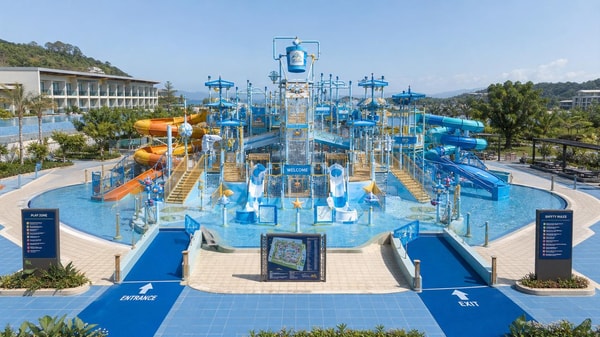
Choosing the right water park equipment manufacturer can determine whether a large-scale project stays on schedule, meets safety standards, and delivers long-term value. For project managers and engineering leaders, proper vetting goes beyond price—it requires a clear review of compliance, production capacity, customization ability, installation support, and global project experience.
Why vetting a water park equipment manufacturer is a project risk decision
In large commercial leisure projects, the supplier decision affects far more than equipment procurement. A water park equipment manufacturer influences design coordination, civil interface requirements, utility loads, safety documentation, commissioning timelines, and post-opening maintenance. For project managers, a weak manufacturer can trigger redesigns, shipping delays, rework on site, and compliance gaps that are expensive to fix late in the schedule.
This is especially true in mixed-use hospitality and entertainment developments, where water play attractions must align with architectural intent, guest flow, local code expectations, and long-term operating costs. In that environment, supplier vetting becomes a structured due diligence exercise rather than a simple vendor comparison.
- Schedule risk: Can the manufacturer support design freeze dates, fabrication milestones, and phased delivery?
- Compliance risk: Can it provide traceable materials, engineering documents, and test records relevant to the destination market?
- Commercial risk: Is the quotation transparent on freight, installation scope, spare parts, and warranty exclusions?
- Operational risk: Will the finished attraction be easy to maintain, inspect, and repair over a multi-year lifecycle?
What project managers should check first before shortlisting suppliers
Before issuing detailed RFQs, narrow the field using practical screening criteria. A capable water park equipment manufacturer should be able to explain how it handles concept design, load calculations, material selection, corrosion resistance, packaging, installation guidance, and spare parts planning. If these answers are vague, the risk profile is already visible.
The table below gives a useful first-pass screening framework for large projects involving resort water parks, municipal aquatic centers, destination leisure parks, or integrated family entertainment developments.
A supplier that performs well in all four areas is worth moving into deeper technical and commercial review. One that fails early screening may still offer low pricing, but often at the cost of hidden schedule exposure.
How to assess compliance, safety, and documentation quality
Look beyond certificates and ask how compliance is built into the process
For a large project, a water park equipment manufacturer should not only mention safety standards; it should show how design review, fabrication, finishing, assembly, and testing support safe operation. Project teams should ask for material grades, coating systems, fastener specifications, anti-slip details, rider restriction signage logic, and maintenance access provisions.
Depending on the market, relevant frameworks may include general amusement ride requirements, aquatic facility safety expectations, electrical safety rules, and local building approval procedures. The exact applicable standards vary by country and authority, so the key question is whether the manufacturer can coordinate with your consultant, code advisor, or local approval body.
Documents that should be available during evaluation
- Preliminary layouts showing footprint, rider circulation, splash zones, and clearances.
- Structural and anchoring requirements coordinated with civil and MEP design.
- Material and finish information suitable for chlorinated, humid, and UV-exposed environments.
- Inspection, operation, and maintenance manuals for handover planning.
- Commissioning checklists and training scope for operators and maintenance staff.
If the manufacturer delays document release until after deposit, project managers should be cautious. Late documentation slows consultant review and can disrupt downstream procurement packages.
Which technical and manufacturing capabilities matter most on large projects?
Not every water park equipment manufacturer is built for high-value, multi-attraction developments. Large projects require repeatable engineering, controlled fabrication, modular packaging, and installation coordination across many interfaces. Capacity is not only about factory size; it is about whether the supplier can manage complexity without losing quality.
Use the following comparison to separate a basic supplier from one suited to complex commercial delivery.
This distinction matters because large projects rarely fail due to one big mistake. They fail through many small coordination gaps. A project-ready manufacturer reduces those gaps through process discipline.
How to evaluate customization without losing control of budget and timeline
Customization should solve business and site problems
Many owners want signature attractions, local storytelling, or branding that differentiates the venue. That can create value, but custom work also raises engineering hours, mold changes, approval time, and replacement part complexity. A strong water park equipment manufacturer will explain which elements are truly custom and which can be standardized to protect lead time.
Questions to ask during design review
- Which components are standard catalog items, and which require new engineering or tooling?
- Will customization change structural loads, water flow requirements, or access for maintenance?
- Can replacement parts be sourced quickly if a custom element is damaged after opening?
- What design freeze date is needed to protect manufacturing and shipping milestones?
For project managers, the right balance is often a standard engineering platform with selective theming upgrades. This approach preserves reliability while still supporting a differentiated guest experience.
What procurement teams should compare besides unit price
A low initial quotation from a water park equipment manufacturer may exclude important scope items. When comparing bids, normalize the commercial package. That means checking transport terms, taxes, installation assumptions, local labor interfaces, spare parts, training, and warranty response obligations.
The table below helps teams compare total delivered value instead of headline price alone.
For high-value projects, total lifecycle visibility usually matters more than the cheapest purchase figure. This is one reason strategic sourcing platforms such as GCT add value: they help buyers compare suppliers through structured criteria, not just sales claims.
How global project experience changes delivery reliability
A water park equipment manufacturer with export and international coordination experience is often better prepared for language differences, shipping documentation, consultant review cycles, and cross-border quality expectations. That does not automatically make every global supplier suitable, but it often indicates stronger internal process maturity.
For complex resort, municipal, and developer-led projects, look for experience in the following areas:
- Coordinating with architects, MEP consultants, and local contractors during design development.
- Preparing export packing suitable for long transit and staged unloading on site.
- Managing phased shipments when civil completion and attraction installation are not synchronized.
- Supporting remote troubleshooting when spare parts or service teams must cross borders.
GCT’s industry focus is particularly useful here because buyers in amusement and leisure parks often need market intelligence, supplier validation, and procurement comparisons that are deeper than a normal trading directory can provide.
Common mistakes when selecting a water park equipment manufacturer
Mistake 1: Approving a concept before checking utility and civil impact
Attractions may look attractive in renderings but create unexpected demands for pump rooms, drainage, electrical capacity, or structural support. Always tie concept approval to technical interface review.
Mistake 2: Treating all coatings and materials as equal
Outdoor aquatic equipment faces UV exposure, water chemistry, abrasion, and heavy use. Ask how the manufacturer selects materials for these conditions and how maintenance affects finish life.
Mistake 3: Waiting too long to define spare parts and service strategy
Opening-day readiness is not enough. The real test starts in the first operating season. A qualified water park equipment manufacturer should help define opening spares, inspection routines, and escalation contacts before handover.
FAQ for project managers evaluating water park equipment manufacturers
How early should a water park equipment manufacturer be involved in a large project?
Ideally during concept or schematic design. Early engagement helps align attraction mix, circulation, utilities, foundations, and budget assumptions before major design decisions are locked. Late involvement often leads to redesign and procurement compression.
What is the most important document to request during supplier evaluation?
There is no single document, but a coordinated package matters most: preliminary drawings, material specifications, interface requirements, and a milestone schedule. Together, these reveal whether the manufacturer can support real project execution.
How can buyers compare manufacturers if project scopes differ?
Standardize the comparison matrix. Use the same criteria for compliance, customization, lead time, installation support, warranty scope, and spare parts planning. This avoids being misled by attractive but incomplete quotations.
Are custom designs always better for commercial water parks?
Not necessarily. Customization should support business goals such as branding, age targeting, or premium guest experience. If it adds engineering complexity without clear revenue or experience value, a semi-standard solution may be the smarter option.
Why choose us for supplier evaluation and sourcing support
For large leisure and hospitality developments, GCT helps project teams move from broad supplier search to informed procurement action. Our value is not limited to listing manufacturers. We help commercial buyers assess sourcing risks, compare capability depth, and identify which water park equipment manufacturer is better aligned with timeline, technical scope, and market expectations.
If you are screening suppliers for a new build, renovation, resort expansion, or municipal aquatic project, you can consult us on practical topics that directly affect project delivery:
- Parameter confirmation for attraction types, footprint limits, water demand, and utility interfaces.
- Product selection based on age group, guest capacity, positioning, and operational model.
- Lead time and delivery planning for phased construction or multi-package procurement.
- Custom solution review to balance branding impact with engineering practicality.
- Certification and documentation expectations for destination-market approval processes.
- Sample, quotation, and supplier comparison support for commercial negotiations.
When the cost of a poor supplier decision is measured in months, rework, and lost opening revenue, structured vetting becomes essential. If your team needs a clearer shortlist, a comparison framework, or guidance on how to evaluate a water park equipment manufacturer for a complex project, GCT can help you turn fragmented market information into a decision-ready sourcing plan.
Search News
Hot Articles
Popular Tags
Need ExpertConsultation?
Connect with our specialized leisureengineering team for procurementstrategies.
Recommended News
 May 07, 2026Shen Jing on Trade Rumors: Implications for Basketball Equipment ManufacturingBasketball equipment manufacturing gains strategic clarity as Shen Jing’s trade rumor response boosts OEM confidence—Dongguan & Suzhou suppliers see strengthened NBA facility credibility and smart gear demand.● Theme Park Strategist
 May 07, 2026Ferris Wheel Manufacturer Shortlists Often Miss This RiskFerris wheel manufacturer shortlists often miss lifecycle compliance risk. Learn how to avoid costly delays, safety gaps, and weak after-sales support before you buy.● Theme Park Strategist
 May 07, 2026Lazy River Equipment: Where Energy Use Adds Up FastLazy river equipment can drive energy costs higher than expected. Learn what technical evaluators should check before sourcing or upgrading for better efficiency and lifecycle value.● Theme Park Strategist
 May 07, 2026Water Playground Structures: Design Choices That Reduce Queue TimeWater playground structures that cut queue time: discover layout, capacity, and feature strategies that improve guest flow, safety, and ROI for commercial aquatic projects.● Theme Park Strategist
 May 07, 2026Bumper Cars Wholesale: Battery Options That Change Operating CostsBumper cars wholesale decisions depend heavily on battery choice. Compare lead-acid vs. lithium to cut downtime, lower operating costs, and improve long-term ROI.● Theme Park Strategist
![]() May 07, 2026Pirate Ship Amusement Rides: What Impacts Ride Smoothness Most?Pirate ship amusement ride smoothness depends on structure, drive control, bearings, balancing, and installation. Discover the key checks buyers need for safer, smoother, long-lasting performance.● Theme Park Strategist
May 07, 2026Pirate Ship Amusement Rides: What Impacts Ride Smoothness Most?Pirate ship amusement ride smoothness depends on structure, drive control, bearings, balancing, and installation. Discover the key checks buyers need for safer, smoother, long-lasting performance.● Theme Park Strategist![]() May 07, 2026How to Vet a Water Park Equipment Manufacturer for Large ProjectsWater park equipment manufacturer vetting guide for large projects: compare safety, compliance, capacity, customization, and delivery support to reduce risk and choose with confidence.● Theme Park Strategist
May 07, 2026How to Vet a Water Park Equipment Manufacturer for Large ProjectsWater park equipment manufacturer vetting guide for large projects: compare safety, compliance, capacity, customization, and delivery support to reduce risk and choose with confidence.● Theme Park Strategist May 07, 2026Drop Tower Rides: The Safety Checks That Matter MostDrop tower rides safety starts with the checks that matter most. Learn how restraints, brakes, sensors, and structural reviews support safer approval and smarter sourcing.● Theme Park Strategist
![]() May 07, 2026Flying Chair Ride Capacity Limits That Affect Daily ThroughputFlying chair ride capacity limits shape daily throughput, queue performance, and revenue. Learn the key factors buyers should assess before sourcing or planning layout.● Theme Park Strategist
May 07, 2026Flying Chair Ride Capacity Limits That Affect Daily ThroughputFlying chair ride capacity limits shape daily throughput, queue performance, and revenue. Learn the key factors buyers should assess before sourcing or planning layout.● Theme Park Strategist![]() May 07, 2026Fiberglass Water Slides: Common Surface Issues After InstallationFiberglass water slides can develop blisters, fading, rough spots, and hairline cracks after installation. Learn key causes, early warning signs, and what to inspect in the first 90 days.● Theme Park Strategist
May 07, 2026Fiberglass Water Slides: Common Surface Issues After InstallationFiberglass water slides can develop blisters, fading, rough spots, and hairline cracks after installation. Learn key causes, early warning signs, and what to inspect in the first 90 days.● Theme Park Strategist May 07, 2026How to Compare a Carousel Rides Manufacturer Beyond PriceCarousel rides manufacturer selection should go beyond price. Learn how to compare safety, compliance, customization, and after-sales support to choose a reliable supplier.● Theme Park Strategist
 May 07, 2026Roller Coaster Parts With the Highest Replacement FrequencyRoller coaster parts buyers: discover which components need the most frequent replacement, from wheels and bearings to sensors and restraints, to cut downtime and source smarter.● Theme Park Strategist
 May 07, 2026Electric Trackless Trains or Road Trains for Large Venues?Electric trackless trains for large venues: compare them with road trains to improve guest experience, reduce noise and emissions, and choose a smarter, future-ready mobility solution.● Theme Park Strategist
 May 07, 2026Wave Pool Equipment Failures That Disrupt Peak SeasonWave pool equipment failures can shut down peak-season operations fast. Learn the top breakdown risks, business impacts, and practical ways to reduce downtime and protect revenue.● Theme Park Strategist
 May 07, 2026Ferris Wheel Manufacturer Shortlists Often Miss This RiskFerris wheel manufacturer shortlists often miss lifecycle compliance risk. Learn how to avoid costly delays, safety gaps, and weak after-sales support before you buy.● Theme Park Strategist
 May 07, 2026Lazy River Equipment: Where Energy Use Adds Up FastLazy river equipment can drive energy costs higher than expected. Learn what technical evaluators should check before sourcing or upgrading for better efficiency and lifecycle value.● Theme Park Strategist
 May 07, 2026Water Playground Structures: Design Choices That Reduce Queue TimeWater playground structures that cut queue time: discover layout, capacity, and feature strategies that improve guest flow, safety, and ROI for commercial aquatic projects.● Theme Park Strategist
 May 07, 2026Bumper Cars Wholesale: Battery Options That Change Operating CostsBumper cars wholesale decisions depend heavily on battery choice. Compare lead-acid vs. lithium to cut downtime, lower operating costs, and improve long-term ROI.● Theme Park Strategist
![]() May 07, 2026Pirate Ship Amusement Rides: What Impacts Ride Smoothness Most?Pirate ship amusement ride smoothness depends on structure, drive control, bearings, balancing, and installation. Discover the key checks buyers need for safer, smoother, long-lasting performance.● Theme Park Strategist
May 07, 2026Pirate Ship Amusement Rides: What Impacts Ride Smoothness Most?Pirate ship amusement ride smoothness depends on structure, drive control, bearings, balancing, and installation. Discover the key checks buyers need for safer, smoother, long-lasting performance.● Theme Park Strategist![]() May 07, 2026How to Vet a Water Park Equipment Manufacturer for Large ProjectsWater park equipment manufacturer vetting guide for large projects: compare safety, compliance, capacity, customization, and delivery support to reduce risk and choose with confidence.● Theme Park Strategist
May 07, 2026How to Vet a Water Park Equipment Manufacturer for Large ProjectsWater park equipment manufacturer vetting guide for large projects: compare safety, compliance, capacity, customization, and delivery support to reduce risk and choose with confidence.● Theme Park Strategist May 07, 2026Drop Tower Rides: The Safety Checks That Matter MostDrop tower rides safety starts with the checks that matter most. Learn how restraints, brakes, sensors, and structural reviews support safer approval and smarter sourcing.● Theme Park Strategist
![]() May 07, 2026Flying Chair Ride Capacity Limits That Affect Daily ThroughputFlying chair ride capacity limits shape daily throughput, queue performance, and revenue. Learn the key factors buyers should assess before sourcing or planning layout.● Theme Park Strategist
May 07, 2026Flying Chair Ride Capacity Limits That Affect Daily ThroughputFlying chair ride capacity limits shape daily throughput, queue performance, and revenue. Learn the key factors buyers should assess before sourcing or planning layout.● Theme Park Strategist![]() May 07, 2026Fiberglass Water Slides: Common Surface Issues After InstallationFiberglass water slides can develop blisters, fading, rough spots, and hairline cracks after installation. Learn key causes, early warning signs, and what to inspect in the first 90 days.● Theme Park Strategist
May 07, 2026Fiberglass Water Slides: Common Surface Issues After InstallationFiberglass water slides can develop blisters, fading, rough spots, and hairline cracks after installation. Learn key causes, early warning signs, and what to inspect in the first 90 days.● Theme Park Strategist May 07, 2026How to Compare a Carousel Rides Manufacturer Beyond PriceCarousel rides manufacturer selection should go beyond price. Learn how to compare safety, compliance, customization, and after-sales support to choose a reliable supplier.● Theme Park Strategist