How to Compare a Carousel Rides Manufacturer Beyond Price
Choosing a carousel rides manufacturer on price alone can expose buyers to hidden risks in safety, compliance, customization, and long-term maintenance. For procurement teams, the real value lies in comparing engineering standards, certification records, project experience, after-sales support, and delivery reliability. This guide shows how to evaluate suppliers strategically to secure a ride investment that performs well commercially and operationally.
Why is price alone a weak way to compare a carousel rides manufacturer?
A low quotation often looks attractive at the bidding stage, but procurement professionals know that amusement equipment is a lifecycle purchase, not a one-time product transaction. When evaluating a carousel rides manufacturer, the real question is not only “How much does it cost today?” but also “What will it cost to operate, certify, maintain, and protect over the next 10 to 15 years?”
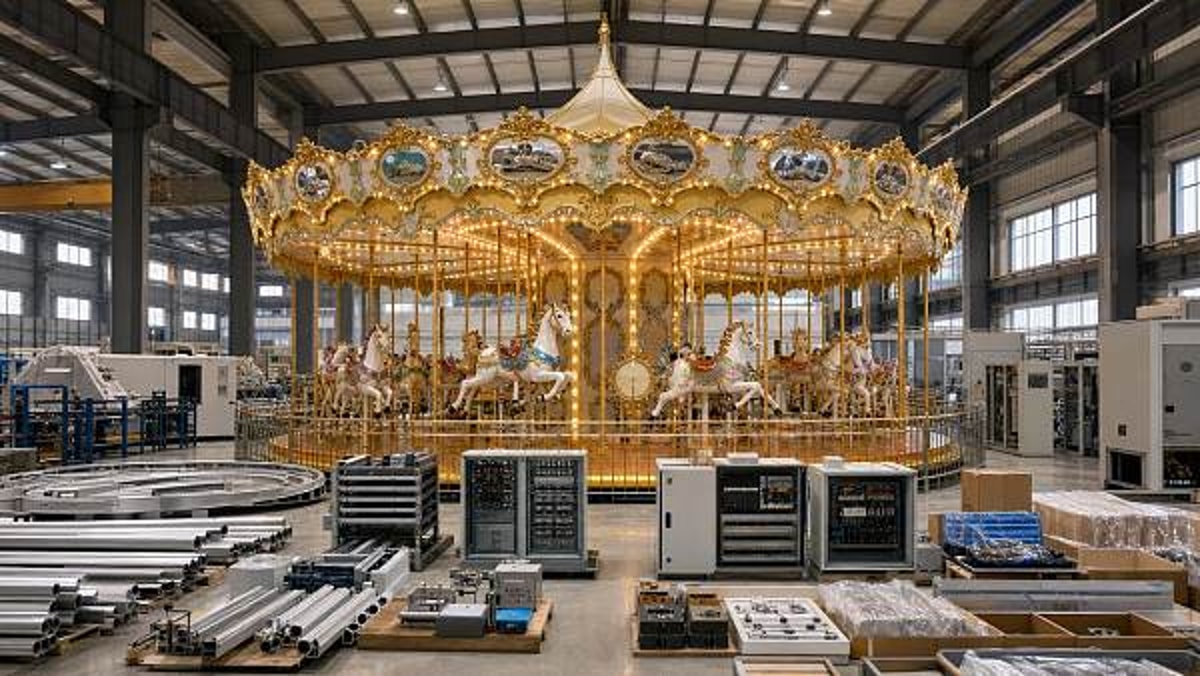
Two suppliers may offer similar-looking carousel rides, yet the underlying differences can be substantial. One may use thicker steel, branded motors, certified electrical systems, and traceable welding procedures. Another may reduce cost through lower-grade materials, simplified control cabinets, limited testing, or outsourced components with weaker documentation. These differences are not always obvious in a product photo or a short quotation sheet.
For buyers in theme parks, family entertainment centers, shopping complexes, resorts, or public leisure venues, the financial risk of choosing the wrong carousel rides manufacturer can include installation delays, failed inspections, higher spare-parts costs, more downtime, guest complaints, and even reputational damage. That is why experienced sourcing teams move beyond initial unit price and assess total value, compliance strength, and operational resilience.
What should procurement teams compare first when reviewing suppliers?
Start with a structured prequalification process. Before discussing decorative themes or optional features, compare each carousel rides manufacturer on fundamentals that directly affect safety, reliability, and delivery confidence. This early screening saves time and prevents low-fit suppliers from staying in the shortlist too long.
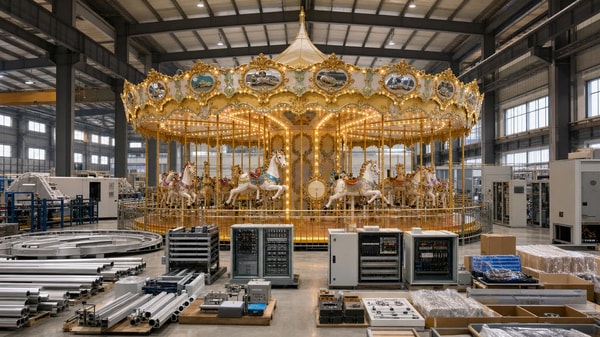
The first review should include manufacturing capability, relevant export history, quality control procedures, engineering documentation, and certification support. If the supplier cannot clearly explain how it designs, tests, and documents its carousel rides, pricing becomes irrelevant because the project risk is already too high.
This comparison framework is especially useful for buyers managing public tenders or international sourcing programs, because it creates a documented basis for supplier selection beyond headline price.
How do you assess safety and compliance without being an engineer?
You do not need to be a ride engineer to ask disciplined procurement questions. A qualified carousel rides manufacturer should be able to provide clear, reviewable evidence of its safety process. That includes material specifications, structural calculations, electrical layouts, safety interlock logic, load testing records, and maintenance guidance. If answers are vague, delayed, or inconsistent, treat that as a sourcing signal.
Buyers should also ask which market standards the manufacturer is familiar with. Depending on destination market, the project may need support related to CE marking, electrical conformity, local amusement ride inspection rules, or third-party certification procedures. A capable carousel rides manufacturer does not simply say “we can do certification”; it explains what documents will be supplied, who performs the inspection, what is included in the base offer, and what remains the buyer’s local responsibility.
Another practical way to compare suppliers is to review their attitude toward risk prevention. Do they discuss emergency stop systems, anti-slip platforms, access control, weather protection, passenger restraint options, and operator training? Serious manufacturers speak comfortably about risk reduction because safety is built into their workflow rather than added after the sale.
What project experience should a carousel rides manufacturer have for your application?
Not every supplier fits every venue. A carousel for an indoor mall has different design priorities from one for a destination theme park, seaside resort, cultural tourism site, or municipal plaza. Procurement teams should ask for case studies that match their intended operating environment, expected passenger volume, climate conditions, and branding requirements.
For example, if your project requires heavy seasonal use, then motor durability, finishing quality, corrosion resistance, and maintenance access become more important than decorative complexity alone. If the ride will be placed in a premium mixed-use development, then design integration, customized theming, lighting quality, and visual storytelling may strongly influence commercial performance. The best carousel rides manufacturer for one scenario may not be the best for another.
Ask to see completed projects, not only renderings. Request installation photos, operating videos, shipping records, and client references where possible. A reliable supplier should be able to demonstrate repeatability: similar projects delivered on time, functioning well, and supported after commissioning. This is particularly important for institutional buyers and developers who need confidence that the ride will align with opening schedules and public-use expectations.
How important are customization and design capability in supplier comparison?
Customization matters more than many buyers expect because a carousel is both an amusement asset and a visual centerpiece. It contributes to guest experience, dwell time, social sharing, and brand atmosphere. When comparing a carousel rides manufacturer, ask how flexible the supplier is on size, seating mix, canopy design, decorative themes, finishes, lighting, music integration, and accessibility features.
However, customization should never come at the expense of engineering discipline. The right supplier can adapt visual design while preserving structural safety, maintenance practicality, and inspection readiness. A weak supplier may promise unlimited customization but struggle to convert concepts into manufacturable, certifiable products. That gap often leads to redesigns, change orders, and timeline pressure.
Procurement teams should also check whether the manufacturer offers design coordination support. Can it provide 2D layout drawings, foundation data, power requirements, and installation interface details early in the project? For commercial developers and park operators, this coordination reduces clashes with architects, MEP teams, and site contractors. In many cases, strong technical communication is a bigger competitive advantage than a slightly lower purchase price.
What hidden costs can make a cheaper offer more expensive later?
This is one of the most important procurement questions. A cheaper carousel can become a more expensive asset if key costs are excluded or underestimated. Buyers should clarify what is included in the quoted scope and what will appear later as additional spending.
Common hidden costs include third-party inspection fees, export packaging upgrades, installation supervision, local assembly labor, commissioning support, spare-parts kits, operator training, translation of manuals, remote troubleshooting tools, software adjustments, and replacement of nonstandard components. In some cases, the lowest-price carousel rides manufacturer also has the longest lead time, which can create revenue loss if the venue opening is delayed.
Energy efficiency and maintenance frequency are also part of total cost of ownership. Ask how often key components require service, which wear parts are standard, what the average lead time is for replacements, and whether local sourcing of consumables is possible. Procurement teams should compare not just capex, but also operating burden over the ride’s useful life.
Quick warning signs of an unrealistically low quotation
- No clear bill of materials or component brands
- Limited mention of standards, testing, or technical documentation
- Very short validity period combined with pressure to confirm quickly
- No detail on installation, commissioning, or spare parts
- Decorative focus without discussion of structure and controls
How do after-sales service and delivery reliability affect the final decision?
For any carousel rides manufacturer, the sale is only the beginning. A ride that operates in a commercial setting must be supported throughout installation, testing, daily use, and periodic maintenance. Procurement teams should ask who provides remote support, how fault diagnosis is handled, whether spare parts are stocked, and how urgently critical failures can be addressed.
Delivery reliability is equally important. A strong manufacturer can explain its production schedule, procurement dependencies, quality checkpoints, packaging standards, and shipment planning. This matters because carousel rides are multi-component systems. Delays in decorative parts, electrical components, or final testing can affect the entire project handover. Buyers should request milestone-based progress updates and define document submission timelines in the contract.
For international sourcing, it is wise to compare how each carousel rides manufacturer manages communication. Fast, precise replies usually indicate mature project management. Slow or incomplete replies often predict future coordination problems. In B2B procurement, responsiveness is not a soft factor; it is an operating indicator.
What are the most common mistakes buyers make when selecting a carousel rides manufacturer?
The first mistake is treating all carousel suppliers as interchangeable. They are not. Differences in engineering rigor, export readiness, customization control, and post-installation support can be substantial. The second mistake is relying too heavily on visuals. A beautiful rendering says little about structural longevity, safety systems, or future serviceability.
Another common error is failing to define operational requirements before requesting quotations. Without clear inputs such as capacity target, site conditions, local regulations, power standards, climate exposure, and branding expectations, bids become difficult to compare. Suppliers will price different assumptions, and the apparent cheapest option may simply include less.
Buyers also sometimes overlook contract detail. Warranty scope, document delivery, acceptance criteria, spare-parts lists, penalty clauses, and technical change control should all be clarified. A dependable carousel rides manufacturer will usually welcome this level of clarity because it supports smoother execution and fewer disputes later.
What questions should you ask before requesting a final proposal?
Before moving to final commercial comparison, procurement teams should align internal priorities and ask each shortlisted carousel rides manufacturer the same core questions. This creates a fair evaluation basis and improves supplier transparency.
A professional sourcing decision balances technical reliability, commercial practicality, and guest-facing design impact. The best carousel rides manufacturer is rarely the cheapest line item. It is the supplier that can deliver a safe, attractive, supportable ride with predictable performance and defensible documentation.
Final takeaway: how should buyers move forward?
If you are comparing a carousel rides manufacturer beyond price, build your shortlist around evidence rather than promises. Review safety documentation, check certification familiarity, match project references to your venue type, test communication quality, and compare lifecycle support as carefully as purchase cost. This approach reduces procurement risk and improves the long-term return on a visible, guest-facing attraction.
If you need to confirm a practical sourcing direction, prioritize discussion around site conditions, target capacity, customization scope, required compliance pathway, lead time milestones, installation responsibilities, warranty terms, and spare-parts planning. Those questions will quickly reveal whether a carousel rides manufacturer is merely offering a product or is truly prepared to support a successful commercial project.
Search News
Hot Articles
Popular Tags
Need ExpertConsultation?
Connect with our specialized leisureengineering team for procurementstrategies.
Recommended News
 May 07, 2026Shen Jing on Trade Rumors: Implications for Basketball Equipment ManufacturingBasketball equipment manufacturing gains strategic clarity as Shen Jing’s trade rumor response boosts OEM confidence—Dongguan & Suzhou suppliers see strengthened NBA facility credibility and smart gear demand.● Theme Park Strategist
 May 07, 2026Ferris Wheel Manufacturer Shortlists Often Miss This RiskFerris wheel manufacturer shortlists often miss lifecycle compliance risk. Learn how to avoid costly delays, safety gaps, and weak after-sales support before you buy.● Theme Park Strategist
 May 07, 2026Lazy River Equipment: Where Energy Use Adds Up FastLazy river equipment can drive energy costs higher than expected. Learn what technical evaluators should check before sourcing or upgrading for better efficiency and lifecycle value.● Theme Park Strategist
 May 07, 2026Water Playground Structures: Design Choices That Reduce Queue TimeWater playground structures that cut queue time: discover layout, capacity, and feature strategies that improve guest flow, safety, and ROI for commercial aquatic projects.● Theme Park Strategist
 May 07, 2026Bumper Cars Wholesale: Battery Options That Change Operating CostsBumper cars wholesale decisions depend heavily on battery choice. Compare lead-acid vs. lithium to cut downtime, lower operating costs, and improve long-term ROI.● Theme Park Strategist
![]() May 07, 2026Pirate Ship Amusement Rides: What Impacts Ride Smoothness Most?Pirate ship amusement ride smoothness depends on structure, drive control, bearings, balancing, and installation. Discover the key checks buyers need for safer, smoother, long-lasting performance.● Theme Park Strategist
May 07, 2026Pirate Ship Amusement Rides: What Impacts Ride Smoothness Most?Pirate ship amusement ride smoothness depends on structure, drive control, bearings, balancing, and installation. Discover the key checks buyers need for safer, smoother, long-lasting performance.● Theme Park Strategist![]() May 07, 2026How to Vet a Water Park Equipment Manufacturer for Large ProjectsWater park equipment manufacturer vetting guide for large projects: compare safety, compliance, capacity, customization, and delivery support to reduce risk and choose with confidence.● Theme Park Strategist
May 07, 2026How to Vet a Water Park Equipment Manufacturer for Large ProjectsWater park equipment manufacturer vetting guide for large projects: compare safety, compliance, capacity, customization, and delivery support to reduce risk and choose with confidence.● Theme Park Strategist May 07, 2026Drop Tower Rides: The Safety Checks That Matter MostDrop tower rides safety starts with the checks that matter most. Learn how restraints, brakes, sensors, and structural reviews support safer approval and smarter sourcing.● Theme Park Strategist
![]() May 07, 2026Flying Chair Ride Capacity Limits That Affect Daily ThroughputFlying chair ride capacity limits shape daily throughput, queue performance, and revenue. Learn the key factors buyers should assess before sourcing or planning layout.● Theme Park Strategist
May 07, 2026Flying Chair Ride Capacity Limits That Affect Daily ThroughputFlying chair ride capacity limits shape daily throughput, queue performance, and revenue. Learn the key factors buyers should assess before sourcing or planning layout.● Theme Park Strategist![]() May 07, 2026Fiberglass Water Slides: Common Surface Issues After InstallationFiberglass water slides can develop blisters, fading, rough spots, and hairline cracks after installation. Learn key causes, early warning signs, and what to inspect in the first 90 days.● Theme Park Strategist
May 07, 2026Fiberglass Water Slides: Common Surface Issues After InstallationFiberglass water slides can develop blisters, fading, rough spots, and hairline cracks after installation. Learn key causes, early warning signs, and what to inspect in the first 90 days.● Theme Park Strategist May 07, 2026How to Compare a Carousel Rides Manufacturer Beyond PriceCarousel rides manufacturer selection should go beyond price. Learn how to compare safety, compliance, customization, and after-sales support to choose a reliable supplier.● Theme Park Strategist
 May 07, 2026Roller Coaster Parts With the Highest Replacement FrequencyRoller coaster parts buyers: discover which components need the most frequent replacement, from wheels and bearings to sensors and restraints, to cut downtime and source smarter.● Theme Park Strategist
 May 07, 2026Electric Trackless Trains or Road Trains for Large Venues?Electric trackless trains for large venues: compare them with road trains to improve guest experience, reduce noise and emissions, and choose a smarter, future-ready mobility solution.● Theme Park Strategist
 May 07, 2026Wave Pool Equipment Failures That Disrupt Peak SeasonWave pool equipment failures can shut down peak-season operations fast. Learn the top breakdown risks, business impacts, and practical ways to reduce downtime and protect revenue.● Theme Park Strategist
 May 07, 2026Ferris Wheel Manufacturer Shortlists Often Miss This RiskFerris wheel manufacturer shortlists often miss lifecycle compliance risk. Learn how to avoid costly delays, safety gaps, and weak after-sales support before you buy.● Theme Park Strategist
 May 07, 2026Lazy River Equipment: Where Energy Use Adds Up FastLazy river equipment can drive energy costs higher than expected. Learn what technical evaluators should check before sourcing or upgrading for better efficiency and lifecycle value.● Theme Park Strategist
 May 07, 2026Water Playground Structures: Design Choices That Reduce Queue TimeWater playground structures that cut queue time: discover layout, capacity, and feature strategies that improve guest flow, safety, and ROI for commercial aquatic projects.● Theme Park Strategist
 May 07, 2026Bumper Cars Wholesale: Battery Options That Change Operating CostsBumper cars wholesale decisions depend heavily on battery choice. Compare lead-acid vs. lithium to cut downtime, lower operating costs, and improve long-term ROI.● Theme Park Strategist
![]() May 07, 2026Pirate Ship Amusement Rides: What Impacts Ride Smoothness Most?Pirate ship amusement ride smoothness depends on structure, drive control, bearings, balancing, and installation. Discover the key checks buyers need for safer, smoother, long-lasting performance.● Theme Park Strategist
May 07, 2026Pirate Ship Amusement Rides: What Impacts Ride Smoothness Most?Pirate ship amusement ride smoothness depends on structure, drive control, bearings, balancing, and installation. Discover the key checks buyers need for safer, smoother, long-lasting performance.● Theme Park Strategist![]() May 07, 2026How to Vet a Water Park Equipment Manufacturer for Large ProjectsWater park equipment manufacturer vetting guide for large projects: compare safety, compliance, capacity, customization, and delivery support to reduce risk and choose with confidence.● Theme Park Strategist
May 07, 2026How to Vet a Water Park Equipment Manufacturer for Large ProjectsWater park equipment manufacturer vetting guide for large projects: compare safety, compliance, capacity, customization, and delivery support to reduce risk and choose with confidence.● Theme Park Strategist May 07, 2026Drop Tower Rides: The Safety Checks That Matter MostDrop tower rides safety starts with the checks that matter most. Learn how restraints, brakes, sensors, and structural reviews support safer approval and smarter sourcing.● Theme Park Strategist
![]() May 07, 2026Flying Chair Ride Capacity Limits That Affect Daily ThroughputFlying chair ride capacity limits shape daily throughput, queue performance, and revenue. Learn the key factors buyers should assess before sourcing or planning layout.● Theme Park Strategist
May 07, 2026Flying Chair Ride Capacity Limits That Affect Daily ThroughputFlying chair ride capacity limits shape daily throughput, queue performance, and revenue. Learn the key factors buyers should assess before sourcing or planning layout.● Theme Park Strategist![]() May 07, 2026Fiberglass Water Slides: Common Surface Issues After InstallationFiberglass water slides can develop blisters, fading, rough spots, and hairline cracks after installation. Learn key causes, early warning signs, and what to inspect in the first 90 days.● Theme Park Strategist
May 07, 2026Fiberglass Water Slides: Common Surface Issues After InstallationFiberglass water slides can develop blisters, fading, rough spots, and hairline cracks after installation. Learn key causes, early warning signs, and what to inspect in the first 90 days.● Theme Park Strategist May 07, 2026How to Compare a Carousel Rides Manufacturer Beyond PriceCarousel rides manufacturer selection should go beyond price. Learn how to compare safety, compliance, customization, and after-sales support to choose a reliable supplier.● Theme Park Strategist