Coin Operated Kiddie Rides That Stop Paying Back Too Soon
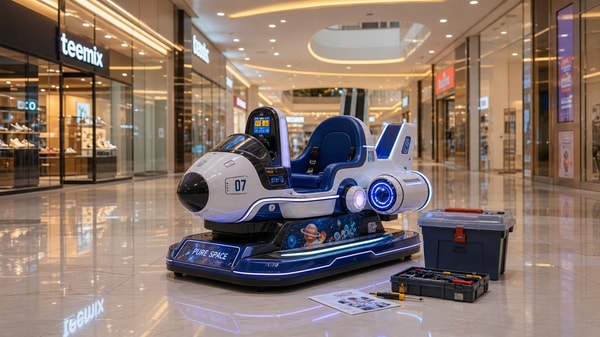
When coin operated kiddie rides stop delivering returns earlier than expected, operators face more than a maintenance issue—they face lost revenue, weaker customer engagement, and reduced site value. This article explores why payout periods shrink too soon, what hidden cost factors buyers often overlook, and how smarter sourcing decisions can improve long-term performance in commercial leisure environments.
Why do coin operated kiddie rides seem profitable at first, then stop paying back too soon?
This is one of the most common questions from operators, landlords, and procurement teams evaluating coin operated kiddie rides for malls, family entertainment centers, supermarkets, hotels, transit hubs, and mixed-use commercial venues. The short answer is that early revenue often reflects novelty, while later performance reveals the true quality of the asset, the placement strategy, and the service model behind it.
Many rides perform strongly during the first weeks because children are attracted by lights, movement, and sound. But if the ride has weak replay value, limited visual appeal, poor ride comfort, or frequent downtime, usage drops quickly. Operators then discover that the expected payback period was based on optimistic assumptions rather than durable customer behavior. In practical terms, a kiddie ride that looks affordable at purchase can become expensive if it loses earnings after only a short operating cycle.
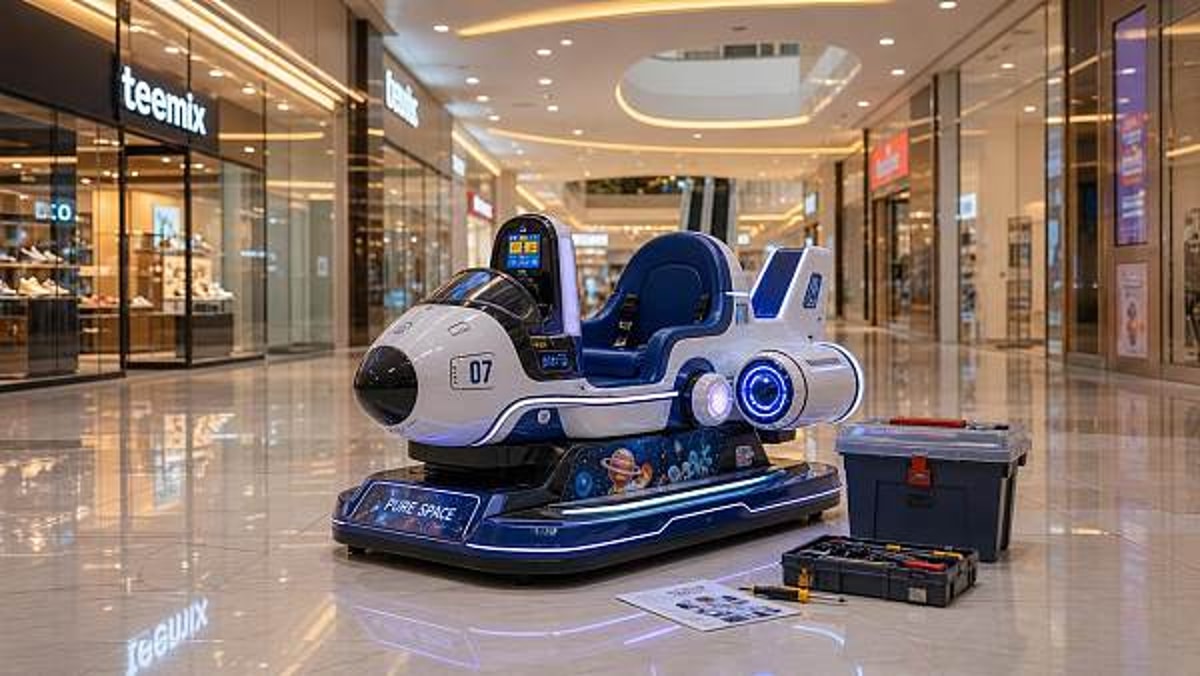
Another issue is mismatch between product and venue. Coin operated kiddie rides in a premium retail center need stronger design language, smoother motion, lower noise, and better safety finishing than units intended for low-cost temporary sites. When buyers source purely on unit price, they may secure a machine that functions, but not one that fits the environment well enough to sustain usage over time.
What hidden factors usually shorten the return cycle of coin operated kiddie rides?
The biggest hidden factors are rarely visible in a basic quotation. Buyers often compare cabinet design, ride theme, and ticket price potential, but overlook the structural and operational elements that determine lifecycle value.
First, mechanical durability matters more than launch-day appearance. A ride may have attractive fiberglass shells and colorful LEDs, yet still suffer from weak motors, inconsistent control boards, low-grade coin mechanisms, or unstable power systems. Small failures create frequent downtime, and downtime kills trust. Parents will not repeatedly bring a child to a machine that is out of order, jerky, or visibly worn.
Second, maintenance accessibility is often ignored. If routine servicing requires dismantling cosmetic panels, waiting for proprietary parts, or relying on distant after-sales support, the machine can sit idle longer than expected. Every idle day extends the payback period and reduces annual yield.
Third, content fatigue is real. Some coin operated kiddie rides offer only a basic rocking motion and repetitive audio loop. In high-footfall sites, children notice them quickly, but they also lose interest quickly. Rides with better interactivity, layered lighting sequences, gentle storytelling, or visual movement beyond simple rocking tend to hold attention for longer.
Fourth, poor compliance can create silent costs. Commercial buyers need to think beyond whether a ride “works.” Safety documentation, electrical compliance, material quality, edge finishing, seat restraint design, and stability testing all influence risk exposure. A cheaper unit that triggers complaints, insurance concerns, or venue rejection can become far more expensive than a higher-quality model sourced correctly from the start.
How can buyers tell whether a kiddie ride has strong long-term earning potential or only short-term appeal?
A practical way to assess coin operated kiddie rides is to separate “attraction value” from “operating value.” Attraction value is what wins the first impression. Operating value is what keeps the machine earning month after month.
To judge operating value, buyers should ask how the ride performs after repeated cycles, not how it looks on a showroom floor. Check the motion smoothness, seat ergonomics, finish resistance to scratches, control stability, audio quality, access panels, and cleaning convenience. Also ask whether the supplier can provide component lists, spare parts lead times, wiring diagrams, and after-sales response standards. Reliable documentation is often a stronger sign of commercial quality than glossy promotional images.
Venue fit is another major indicator. In a grocery entrance, compact coin operated kiddie rides with quick start-stop usage may outperform larger themed rides. In a shopping mall, stronger aesthetics and photo-friendly designs may improve footfall conversion. In hotels or premium family zones, low noise, design harmony, and child safety detailing matter more than flashy effects alone. Long-term performance comes from matching the product to traffic type, dwell time, brand environment, and parent spending behavior.
Are low-priced coin operated kiddie rides actually more expensive over time?
Often, yes. A low acquisition price can look attractive in procurement spreadsheets, especially when buyers are comparing multiple leisure assets across a larger commercial project. But total cost of ownership includes repair frequency, part replacement, labor time, cleaning effort, energy efficiency, downtime, compliance risk, and eventual resale or replacement value.
For example, a budget ride that needs repeated coin acceptor adjustments, speaker replacement, shell repainting, or motor servicing can absorb operating profits quickly. If a site manager must frequently post “out of order” notices, the machine also damages customer confidence. In commercial environments, reliability is part of the user experience, not merely a technical metric.
This is especially important for buyers operating at scale. A single underperforming ride is manageable. Ten or fifty underperforming rides across a chain become a recurring operational burden. That is why professional sourcing should compare landed value, support capability, and performance consistency rather than unit price alone.
What sourcing mistakes cause operators to overestimate payback on coin operated kiddie rides?
The first mistake is using unrealistic revenue assumptions. Some buyers calculate payback based on peak season traffic or ideal usage rates, without discounting for weather shifts, school calendars, maintenance interruptions, or declining novelty. A stronger model uses conservative traffic conversion and includes realistic downtime assumptions.
The second mistake is buying without venue data. Coin operated kiddie rides do not perform equally in every location. Entry zones, food courts, cinema corridors, and waiting areas each attract different parent-child behaviors. If the ride does not match the flow pattern and average dwell time, revenue may underperform from the start.
The third mistake is treating all suppliers as interchangeable. In reality, supplier quality affects product engineering, finish standards, OEM/ODM capability, compliance readiness, and response speed after installation. For global buyers, the ability to verify factory processes, inspect materials, and confirm quality control steps is crucial. A sourcing decision should examine not only the sample unit but also whether the manufacturer can deliver consistency across batches.
The fourth mistake is failing to define the commercial objective. Some venues use kiddie rides mainly to monetize idle space. Others use them to lengthen dwell time, increase family friendliness, or support broader tenant performance. When the objective is unclear, buyers may select the wrong size, theme, or quality tier, then judge the ride unfairly when results disappoint.
Which operating scenarios are most vulnerable to early revenue decline?
Early decline usually appears in environments where traffic is unstable, the customer base is highly repetitive, or the ride is not visually differentiated. Small neighborhood sites with repeat visitors may experience novelty decay faster than destination venues. Likewise, coin operated kiddie rides placed in corners with poor visibility may attract little spontaneous usage, regardless of product quality.
Another vulnerable scenario is premium commercial space using low-grade equipment. In upscale retail, hospitality, or curated leisure settings, customers unconsciously compare every asset to the surrounding environment. If the ride feels cheap, noisy, or visually inconsistent, parents may skip it altogether. In such settings, design integrity directly affects revenue.
Sites with limited maintenance supervision are also at risk. Even well-built coin operated kiddie rides need routine inspection, cleaning, and small preventive adjustments. Dust, loose fasteners, worn decals, sticky buttons, or weak sound output reduce perceived quality long before the machine technically fails. A neglected ride loses income through perception first and mechanical breakdown second.
What should commercial buyers ask suppliers before making a purchase?
To improve long-term return, buyers should ask questions that go beyond the brochure. Start with expected service life under commercial use, recommended maintenance intervals, and component replacement frequency. Then ask about compliance standards, materials, motor specifications, control system stability, and what parts are stocked for ongoing support.
It is also wise to ask for real project references by venue type. A supplier that has delivered coin operated kiddie rides to malls, resorts, leisure parks, or transit-linked retail can often provide more relevant guidance on placement, usage patterns, and durability expectations. For buyers working through OEM or customized development, clarify lead time, branding options, language support, packaging standards, and how design changes affect serviceability.
From a strategic sourcing perspective, procurement teams should request a full view of lifecycle support: installation guidance, spare parts policy, troubleshooting documentation, warranty terms, and escalation contacts. These details are not minor extras. They are the operating framework that determines whether the ride continues to earn or becomes a recurring issue on the site manager’s checklist.
What are the most common misconceptions about coin operated kiddie rides and return on investment?
One misconception is that children’s amusement products are inherently simple and therefore low risk. In reality, commercial amusement assets must balance child appeal, parental trust, safety, design, durability, and operating efficiency. Another misconception is that all earnings come from the machine itself. In some locations, coin operated kiddie rides also contribute indirect value by increasing family dwell time, supporting retail comfort, and improving site perception.
A third misconception is that revenue decline always means the venue is weak. Sometimes the real cause is a poor ride mix, outdated themes, insufficient maintenance, or a product that was sourced for price rather than fit. Operators who review data carefully often find that the asset strategy, not the market, needs adjustment.
How can buyers improve results before committing to a sourcing decision?
The best first step is to define the commercial role of the ride. Is it expected to generate direct revenue, activate underused floor space, enhance family experience, or complement a broader amusement offering? Once that is clear, evaluate coin operated kiddie rides by venue suitability, lifecycle cost, support readiness, and replay appeal rather than headline price.
For organizations sourcing internationally, it helps to work with suppliers or intelligence partners that understand both manufacturing capability and commercial application. In today’s market, strong procurement decisions combine product verification, compliance awareness, and operational context. That is particularly important in leisure and mixed-use environments where customer experience and equipment performance are tightly connected.
If you need to confirm a practical direction before moving forward, prioritize these questions: What payback model is realistic for this venue? Which ride specification best matches the site’s traffic and brand level? What maintenance burden can the location support? What certifications and after-sales systems are available? And if customization, volume purchasing, or global deployment is involved, what lead time, documentation, spare parts plan, and cooperation method should be agreed before placing the order?
Search News
Hot Articles
Popular Tags
Need ExpertConsultation?
Connect with our specialized leisureengineering team for procurementstrategies.
Recommended News
 May 07, 2026CCTV5 Broadcasts Key Sports Events on May 7, 2026CCTV5 broadcasts WTT Finals, CBA playoffs & AFC U-17 Women’s qualifiers on May 7, 2026—boosting global demand for FIBA/AFC/ITTF-certified sports equipment.● Theme Park Strategist
 May 07, 2026Snooker World Championship Boosts Chinese Billiards Table ExportsSnooker World Championship boosts Chinese billiards table exports — CE+UKCA-certified slate tables see 37% surge in UK, Germany & Saudi demand.● Theme Park Strategist
 May 07, 2026CPSC Recalls 3 Chinese-Made Kids' Climbing FramesCPSC recalls 3 Chinese-made kids' climbing frames—47,000 units over ASTM F1487-23 failures & pinch hazards. Act now to protect your supply chain.● Theme Park Strategist
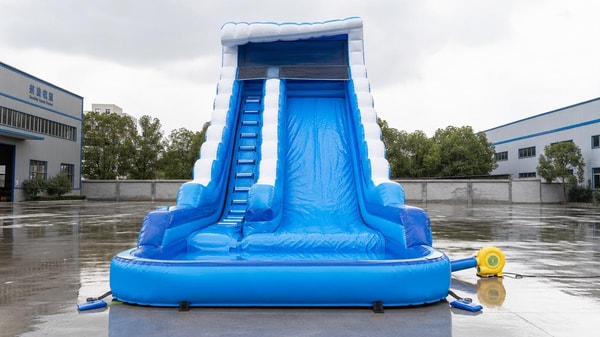
 May 07, 2026Inflatable Water Slides Wholesale: Which Features Cut Repair Rates?Inflatable water slides wholesale buyers: discover which features cut repair rates most—commercial PVC, reinforced seams, smart anchoring, matched blowers, and compliant design.● Theme Park Strategist
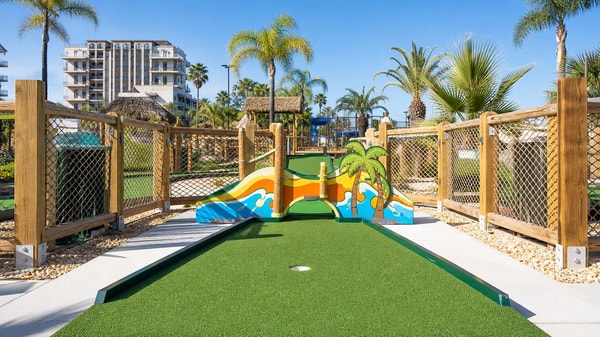
 May 07, 2026Mini Golf Course Equipment That Wears Out Faster OutdoorsMini golf course equipment wears out faster outdoors due to UV, moisture, and heavy traffic. Discover which parts fail first and how to choose longer-lasting solutions.● Theme Park Strategist
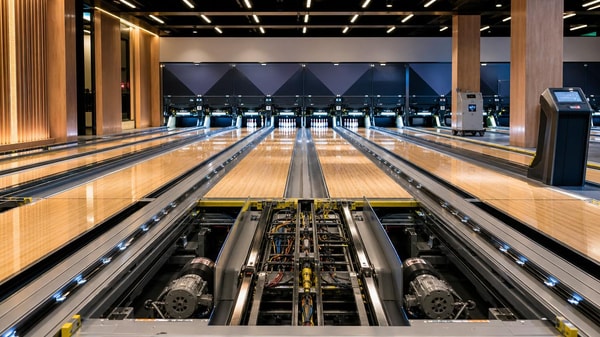
 May 07, 2026Bowling Alley Equipment Upgrades That Improve Lane ReliabilityBowling alley equipment upgrades that improve lane reliability: discover how smarter pinsetters, diagnostics, conditioning, and integration reduce downtime, cut costs, and boost player satisfaction.● Theme Park Strategist
 May 07, 2026Inflatable Obstacle Courses: Setup Mistakes That Hurt Event FlowInflatable obstacle courses can boost event energy, but setup mistakes can ruin flow. Discover the top errors to avoid and keep events safer, faster, and more efficient.● Theme Park Strategist
 May 07, 2026Coin Operated Kiddie Rides That Stop Paying Back Too SoonCoin operated kiddie rides can lose ROI fast when downtime, weak replay value, and poor sourcing add hidden costs. Learn how to choose models that earn longer.● Theme Park Strategist
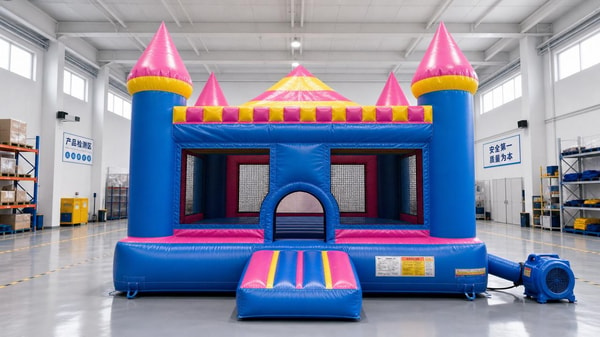
 May 07, 2026Commercial Bouncy Castles: Why Material Weight Is Not EnoughCommercial bouncy castles are not defined by material weight alone. Learn the key buying checklist for safety, durability, compliance, and smarter commercial sourcing.● Theme Park Strategist
 May 07, 2026Inflatable Water Slides Wholesale: Which Features Cut Repair Rates?Inflatable water slides wholesale buyers: discover which features cut repair rates most—commercial PVC, reinforced seams, smart anchoring, matched blowers, and compliant design.● Theme Park Strategist
 May 07, 2026Mini Golf Course Equipment That Wears Out Faster OutdoorsMini golf course equipment wears out faster outdoors due to UV, moisture, and heavy traffic. Discover which parts fail first and how to choose longer-lasting solutions.● Theme Park Strategist
 May 07, 2026Bowling Alley Equipment Upgrades That Improve Lane ReliabilityBowling alley equipment upgrades that improve lane reliability: discover how smarter pinsetters, diagnostics, conditioning, and integration reduce downtime, cut costs, and boost player satisfaction.● Theme Park Strategist
 May 07, 2026Inflatable Obstacle Courses: Setup Mistakes That Hurt Event FlowInflatable obstacle courses can boost event energy, but setup mistakes can ruin flow. Discover the top errors to avoid and keep events safer, faster, and more efficient.● Theme Park Strategist
 May 07, 2026Coin Operated Kiddie Rides That Stop Paying Back Too SoonCoin operated kiddie rides can lose ROI fast when downtime, weak replay value, and poor sourcing add hidden costs. Learn how to choose models that earn longer.● Theme Park Strategist
 May 07, 2026Commercial Bouncy Castles: Why Material Weight Is Not EnoughCommercial bouncy castles are not defined by material weight alone. Learn the key buying checklist for safety, durability, compliance, and smarter commercial sourcing.● Theme Park Strategist
 May 06, 2026Basketball hoops for school: portable convenience vs fixed stabilityBasketball hoops for school: compare portable convenience and fixed stability to choose safer, smarter, and more cost-effective solutions for campus courts.● Theme Park Strategist
 May 06, 2026Montessori wooden toys and the question of long-term durabilityMontessori wooden toys: discover what really determines long-term durability, safety, and value, and learn how buyers can choose options built for repeated use.● Theme Park Strategist
 May 06, 2026Wholesale ping pong tables for schools: what wears out firstWholesale ping pong tables for schools: learn what wears out first, from casters to locks, and use this buyer-focused guide to cut replacement costs and choose safer, longer-lasting tables.● Theme Park Strategist
 May 06, 2026Gymnastic mats wholesale: thickness claims vs real shock absorptionGymnastic mats wholesale buyers: learn why thickness claims alone can mislead. Compare real shock absorption, foam density, rebound control, and sourcing checks before you buy.● Theme Park Strategist
 May 06, 2026Abacus learning toys still matter when math goes digitalAbacus learning toys still matter in digital math, helping children build number sense, focus, and hands-on problem-solving. See why educators, parents, and buyers still choose them.● Theme Park Strategist
 May 06, 2026Liaoning Tieren Appoints Shin Jeong-won; K-League Training Gear Sourcing Shift PossibleLiaoning Tieren appoints K-League coach Shin Jeong-won — sparking Korean demand for ISO 10993-certified smart athletic wear, especially heart-rate & GPS training vests.● Theme Park Strategist
 May 06, 2026NBA LED Interactive Court System Enters Mass ProductionNBA LED interactive court system enters mass production in Q3 2026 — a breakthrough for smart sports venues, AR fan engagement, and global LED display suppliers.● Theme Park Strategist
 May 06, 2026NBA Adopts New LED Interactive Court Floors in 2026–27 SeasonNBA LED interactive court floors launch in 2026–27: AR fan engagement, real-time stats & certified hardware — game-changing for global sports tech suppliers.● Theme Park Strategist
 May 06, 2026HuaiBA Youth Basketball Arena Adopts Domestic Smart Floor SystemHuaiBA Youth Basketball Arena's domestic smart floor system sets a new benchmark—featuring real-time pressure sensing & acoustic feedback for global sports infrastructure buyers.● Theme Park Strategist