Bowling Alley Equipment Upgrades That Improve Lane Reliability
Reliable lanes are the backbone of a profitable bowling venue, and smart bowling alley equipment upgrades can significantly reduce downtime, maintenance costs, and performance inconsistencies. For project managers and engineering leads, understanding which systems most directly improve lane reliability is essential to planning efficient renovations, protecting operational continuity, and delivering a better player experience.
Lane reliability is becoming a strategic project issue, not just a maintenance concern
Across leisure, hospitality, and mixed-use entertainment environments, the role of bowling is shifting. Venues are no longer judged only by lane count or décor; they are increasingly evaluated by uptime, scoring consistency, speed of turnaround, and the ability to maintain a smooth customer experience during peak sessions. That shift is changing how decision-makers view bowling alley equipment. What used to be treated as a back-of-house replacement cycle is now becoming a visible capital planning priority.
For project managers, this trend matters because unreliable lanes create cascading problems: schedule delays for leagues and events, labor-intensive troubleshooting, customer complaints, excess parts consumption, and pressure on technical staff. In family entertainment centers, hotels, resort recreation zones, and commercial bowling venues, even short equipment interruptions can affect revenue per hour. As a result, upgrades that improve lane reliability are increasingly being justified through operational resilience rather than simple modernization.
This is also where the market is becoming more selective. Buyers are not just asking whether new bowling alley equipment looks advanced. They are asking whether it reduces repeat failures, simplifies diagnostics, supports preventive maintenance, and fits existing project constraints such as phased renovation, energy requirements, and technician skill levels.
What is changing in bowling alley equipment upgrade priorities
A noticeable industry signal is that upgrade discussions are moving away from isolated component replacement toward system reliability planning. Instead of treating lanes, pinsetters, scoring, and conditioning as separate budget lines, more operators are evaluating how these elements interact. This matters because many recurring faults are not caused by one failing part alone, but by poor integration, aging controls, inconsistent calibration, or difficult-to-service layouts.
For engineering leads, this means the best bowling alley equipment upgrades are often the ones that improve repeatability, visibility, and serviceability at the same time. A venue may not need the most expensive replacement package if targeted upgrades remove the root causes of recurring failures.
The strongest drivers behind reliability-focused upgrades
Several forces are pushing operators toward more disciplined equipment decisions. First, labor availability is changing. Many facilities cannot rely on large in-house technical teams with deep experience on legacy systems, so bowling alley equipment that is easier to diagnose and maintain has become more valuable. Simpler access, modular parts, clearer fault codes, and remote support compatibility all support this direction.
Second, customer expectations have risen. Guests who encounter lane stoppages, pinsetter errors, or inconsistent scoring are less tolerant than before, especially in premium hospitality environments where bowling is part of a broader branded experience. Reliability is therefore tied to reputation, reviews, and repeat visits.
Third, project economics are changing. Rising replacement costs and pressure on capital budgets make it harder to justify frequent reactive repairs. Operators want bowling alley equipment upgrades that extend asset life, reduce emergency callouts, and improve planned maintenance efficiency. In many cases, reliability improvements can produce stronger lifecycle value than purely cosmetic refurbishments.
Fourth, integration is becoming more important. Newer commercial venues often combine bowling with dining, events, arcades, and digital guest systems. That raises the cost of operational disruption. Equipment that communicates status clearly and supports coordinated maintenance planning fits this multi-revenue environment better than isolated legacy machinery.
Which bowling alley equipment upgrades most directly improve lane reliability
Not every upgrade delivers the same operational result. For project planning, the most reliable gains usually come from five equipment areas.
1. Pinsetter modernization and control upgrades
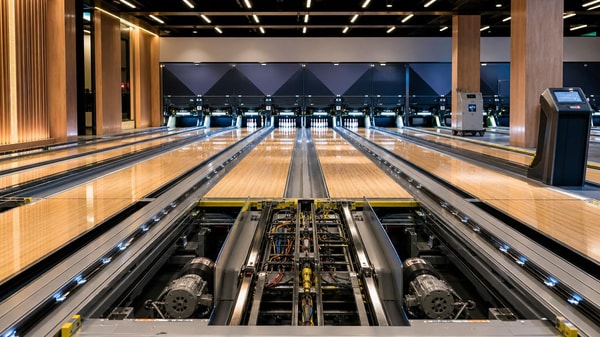
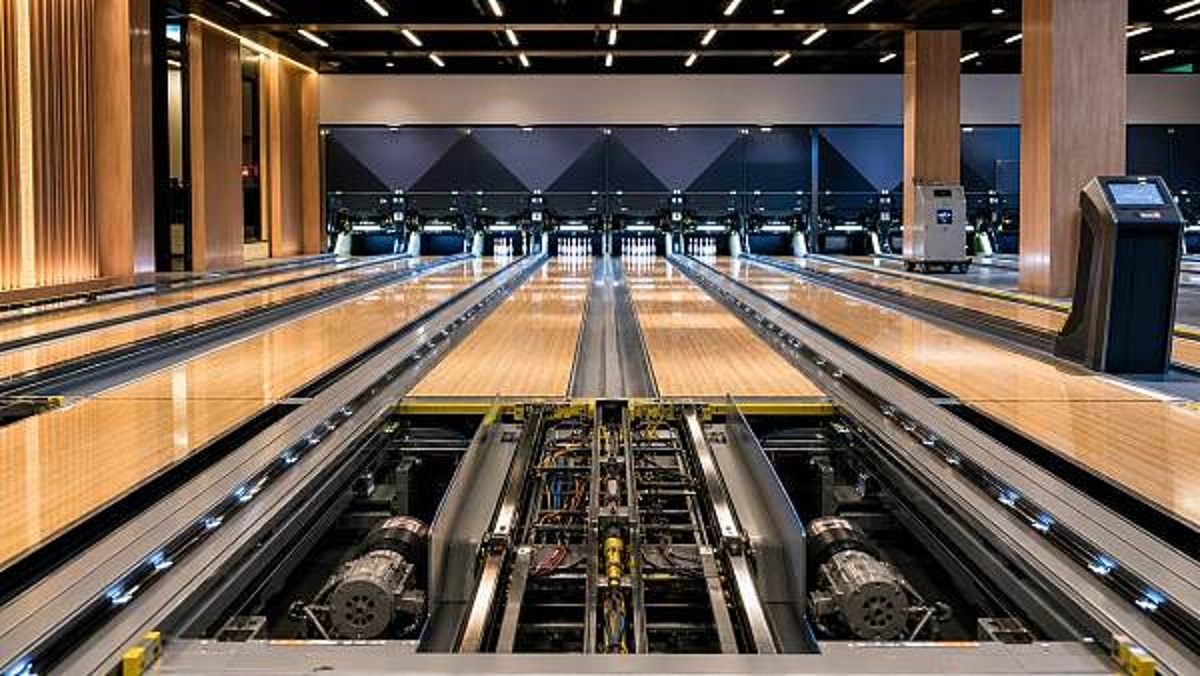
Pinsetters remain one of the biggest sources of stoppages. Upgrades that replace worn drive components, outdated control boards, unreliable sensors, and hard-to-source mechanisms can dramatically improve cycle stability. In trend terms, the market is moving toward controls that provide better fault identification rather than leaving technicians to diagnose issues manually under time pressure.
2. Lane surface refurbishment and structural correction
A lane that looks acceptable may still perform inconsistently if the surface wear pattern, seam quality, or sub-lane condition is compromised. Modern lane materials and refinishing approaches are increasingly evaluated for durability, predictable ball behavior, and resistance to environmental fluctuation. For venues in humid or variable climates, this is especially important.
3. Automatic lane conditioning systems
Conditioning technology is receiving renewed attention because pattern inconsistency can be mistaken for lane or scoring problems. Newer systems help standardize oil distribution and reduce operator variability. From a project perspective, reliability here is not only about player satisfaction; it also reduces the time spent correcting complaints that stem from inconsistent lane preparation.
4. Sensor packages, wiring, and diagnostic visibility
A common hidden issue in aging bowling alley equipment is not the main machine body but deteriorating sensors, connectors, and wiring paths. Small faults in these areas can create repeated intermittent failures that are expensive to trace. Upgrading to cleaner sensor architecture and more transparent diagnostics is one of the most practical ways to improve mean time to repair.
5. Scoring and lane status integration
Although scoring is often treated as a guest-facing feature, it can support reliability when linked to lane availability visibility, service notifications, and issue tracking. Better integration allows floor teams and technicians to respond faster, reducing the operational impact of faults even when they do occur.
The impact differs by stakeholder, and that should shape upgrade sequencing
One reason bowling alley equipment planning often becomes difficult is that different teams define success differently. A strong upgrade roadmap aligns those perspectives early.
What project leaders should evaluate before approving bowling alley equipment upgrades
A trend-aware decision framework is more useful than a simple feature checklist. First, confirm whether the reliability problem is concentrated in mechanical wear, lane condition inconsistency, control visibility, or maintenance process gaps. Many venues overspend because they replace large equipment groups before identifying where the failure pattern actually starts.
Second, assess service ecosystem strength. Bowling alley equipment should be judged not only on specification sheets but on parts availability, documentation quality, training support, and compatibility with local technical capabilities. A technically advanced system with weak support can create a new form of downtime risk.
Third, plan upgrade phasing around operational reality. For active venues, phased implementation by lane bank, by subsystem, or by seasonal demand window often produces better business continuity than one large shutdown. This is particularly relevant in hospitality properties and commercial leisure sites where the bowling area supports broader guest traffic.
Fourth, review data discipline. If a venue is not tracking stoppages, repair time, recurring fault types, and lane-by-lane performance, it becomes difficult to prioritize the right bowling alley equipment investments. Even a simple maintenance log can reveal whether the true issue is aged hardware, poor alignment, inconsistent conditioning, or repeated technician workarounds.
Emerging signals likely to shape the next round of upgrades
Looking ahead, several directions deserve attention. One is the continued move toward smarter diagnostics and remote service support. Venues increasingly want bowling alley equipment that helps smaller teams identify problems quickly without relying entirely on specialist intervention. Another is stronger emphasis on lifecycle predictability, including durable components, easier preventive maintenance access, and reduced reliance on obsolete parts.
There is also growing interest in integrating reliability decisions with venue repositioning. When operators refurbish bowling areas as part of broader entertainment upgrades, they are more likely to bundle lane systems, lighting controls, guest interfaces, and maintenance workflows into one strategic project. This creates a chance to correct long-standing infrastructure issues instead of masking them with cosmetic improvements.
Sustainability is another secondary but rising factor. While energy use may not be the first reason to replace bowling alley equipment, lower-maintenance systems, better motor efficiency, and longer-lasting components support both cost control and environmental performance goals.
Practical next steps for a more reliable renovation strategy
For project managers and engineering leads, the most effective response is to turn reliability into a formal upgrade criterion. Start with a lane reliability audit, rank recurring failure sources, and compare targeted upgrades against full replacement scenarios. Then test each bowling alley equipment option against four questions: Will it reduce repeat faults? Will it shorten repair time? Will it improve consistency for players? Will support remain available over the medium term?
A strong procurement process should also include supplier validation around technical training, spare parts planning, installation sequencing, and post-commissioning support. In today’s market, the most valuable upgrade is often not the one with the widest feature set, but the one that delivers stable operation under real commercial conditions.
If your team is evaluating bowling alley equipment for a renovation or new commercial entertainment project, the key is to judge each upgrade through the lens of change, impact, and readiness. Which reliability problems are becoming more costly? Which systems are creating the highest operational risk? Which supplier capabilities will still matter after installation? Those are the questions that turn equipment decisions into long-term operational gains.
Search News
Hot Articles
Popular Tags
Need ExpertConsultation?
Connect with our specialized leisureengineering team for procurementstrategies.
Recommended News
 May 07, 2026CCTV5 Broadcasts Key Sports Events on May 7, 2026CCTV5 broadcasts WTT Finals, CBA playoffs & AFC U-17 Women’s qualifiers on May 7, 2026—boosting global demand for FIBA/AFC/ITTF-certified sports equipment.● Theme Park Strategist
 May 07, 2026Snooker World Championship Boosts Chinese Billiards Table ExportsSnooker World Championship boosts Chinese billiards table exports — CE+UKCA-certified slate tables see 37% surge in UK, Germany & Saudi demand.● Theme Park Strategist
 May 07, 2026CPSC Recalls 3 Chinese-Made Kids' Climbing FramesCPSC recalls 3 Chinese-made kids' climbing frames—47,000 units over ASTM F1487-23 failures & pinch hazards. Act now to protect your supply chain.● Theme Park Strategist
 May 07, 2026Inflatable Water Slides Wholesale: Which Features Cut Repair Rates?Inflatable water slides wholesale buyers: discover which features cut repair rates most—commercial PVC, reinforced seams, smart anchoring, matched blowers, and compliant design.● Theme Park Strategist
 May 07, 2026Mini Golf Course Equipment That Wears Out Faster OutdoorsMini golf course equipment wears out faster outdoors due to UV, moisture, and heavy traffic. Discover which parts fail first and how to choose longer-lasting solutions.● Theme Park Strategist
 May 07, 2026Bowling Alley Equipment Upgrades That Improve Lane ReliabilityBowling alley equipment upgrades that improve lane reliability: discover how smarter pinsetters, diagnostics, conditioning, and integration reduce downtime, cut costs, and boost player satisfaction.● Theme Park Strategist
 May 07, 2026Inflatable Obstacle Courses: Setup Mistakes That Hurt Event FlowInflatable obstacle courses can boost event energy, but setup mistakes can ruin flow. Discover the top errors to avoid and keep events safer, faster, and more efficient.● Theme Park Strategist
 May 07, 2026Coin Operated Kiddie Rides That Stop Paying Back Too SoonCoin operated kiddie rides can lose ROI fast when downtime, weak replay value, and poor sourcing add hidden costs. Learn how to choose models that earn longer.● Theme Park Strategist
 May 07, 2026Commercial Bouncy Castles: Why Material Weight Is Not EnoughCommercial bouncy castles are not defined by material weight alone. Learn the key buying checklist for safety, durability, compliance, and smarter commercial sourcing.● Theme Park Strategist
 May 07, 2026Inflatable Water Slides Wholesale: Which Features Cut Repair Rates?Inflatable water slides wholesale buyers: discover which features cut repair rates most—commercial PVC, reinforced seams, smart anchoring, matched blowers, and compliant design.● Theme Park Strategist
 May 07, 2026Mini Golf Course Equipment That Wears Out Faster OutdoorsMini golf course equipment wears out faster outdoors due to UV, moisture, and heavy traffic. Discover which parts fail first and how to choose longer-lasting solutions.● Theme Park Strategist
 May 07, 2026Bowling Alley Equipment Upgrades That Improve Lane ReliabilityBowling alley equipment upgrades that improve lane reliability: discover how smarter pinsetters, diagnostics, conditioning, and integration reduce downtime, cut costs, and boost player satisfaction.● Theme Park Strategist
 May 07, 2026Inflatable Obstacle Courses: Setup Mistakes That Hurt Event FlowInflatable obstacle courses can boost event energy, but setup mistakes can ruin flow. Discover the top errors to avoid and keep events safer, faster, and more efficient.● Theme Park Strategist
 May 07, 2026Coin Operated Kiddie Rides That Stop Paying Back Too SoonCoin operated kiddie rides can lose ROI fast when downtime, weak replay value, and poor sourcing add hidden costs. Learn how to choose models that earn longer.● Theme Park Strategist
 May 07, 2026Commercial Bouncy Castles: Why Material Weight Is Not EnoughCommercial bouncy castles are not defined by material weight alone. Learn the key buying checklist for safety, durability, compliance, and smarter commercial sourcing.● Theme Park Strategist
 May 06, 2026Basketball hoops for school: portable convenience vs fixed stabilityBasketball hoops for school: compare portable convenience and fixed stability to choose safer, smarter, and more cost-effective solutions for campus courts.● Theme Park Strategist
 May 06, 2026Montessori wooden toys and the question of long-term durabilityMontessori wooden toys: discover what really determines long-term durability, safety, and value, and learn how buyers can choose options built for repeated use.● Theme Park Strategist
 May 06, 2026Wholesale ping pong tables for schools: what wears out firstWholesale ping pong tables for schools: learn what wears out first, from casters to locks, and use this buyer-focused guide to cut replacement costs and choose safer, longer-lasting tables.● Theme Park Strategist
 May 06, 2026Gymnastic mats wholesale: thickness claims vs real shock absorptionGymnastic mats wholesale buyers: learn why thickness claims alone can mislead. Compare real shock absorption, foam density, rebound control, and sourcing checks before you buy.● Theme Park Strategist
 May 06, 2026Abacus learning toys still matter when math goes digitalAbacus learning toys still matter in digital math, helping children build number sense, focus, and hands-on problem-solving. See why educators, parents, and buyers still choose them.● Theme Park Strategist
 May 06, 2026Liaoning Tieren Appoints Shin Jeong-won; K-League Training Gear Sourcing Shift PossibleLiaoning Tieren appoints K-League coach Shin Jeong-won — sparking Korean demand for ISO 10993-certified smart athletic wear, especially heart-rate & GPS training vests.● Theme Park Strategist
 May 06, 2026NBA LED Interactive Court System Enters Mass ProductionNBA LED interactive court system enters mass production in Q3 2026 — a breakthrough for smart sports venues, AR fan engagement, and global LED display suppliers.● Theme Park Strategist
 May 06, 2026NBA Adopts New LED Interactive Court Floors in 2026–27 SeasonNBA LED interactive court floors launch in 2026–27: AR fan engagement, real-time stats & certified hardware — game-changing for global sports tech suppliers.● Theme Park Strategist
 May 06, 2026HuaiBA Youth Basketball Arena Adopts Domestic Smart Floor SystemHuaiBA Youth Basketball Arena's domestic smart floor system sets a new benchmark—featuring real-time pressure sensing & acoustic feedback for global sports infrastructure buyers.● Theme Park Strategist