HuaiBA Youth Basketball Arena Adopts Domestic Smart Floor System
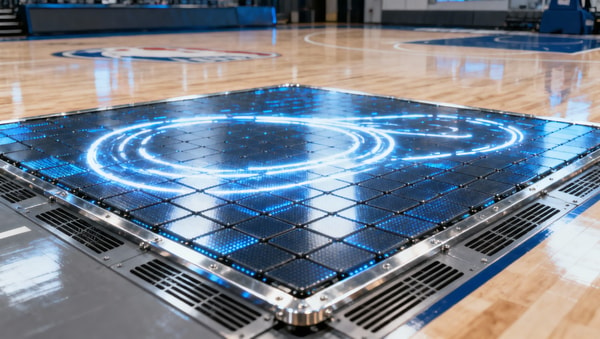
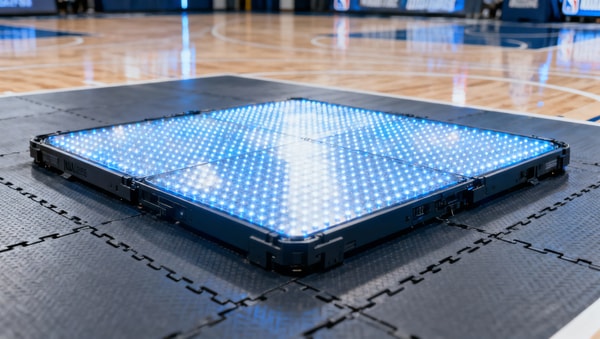
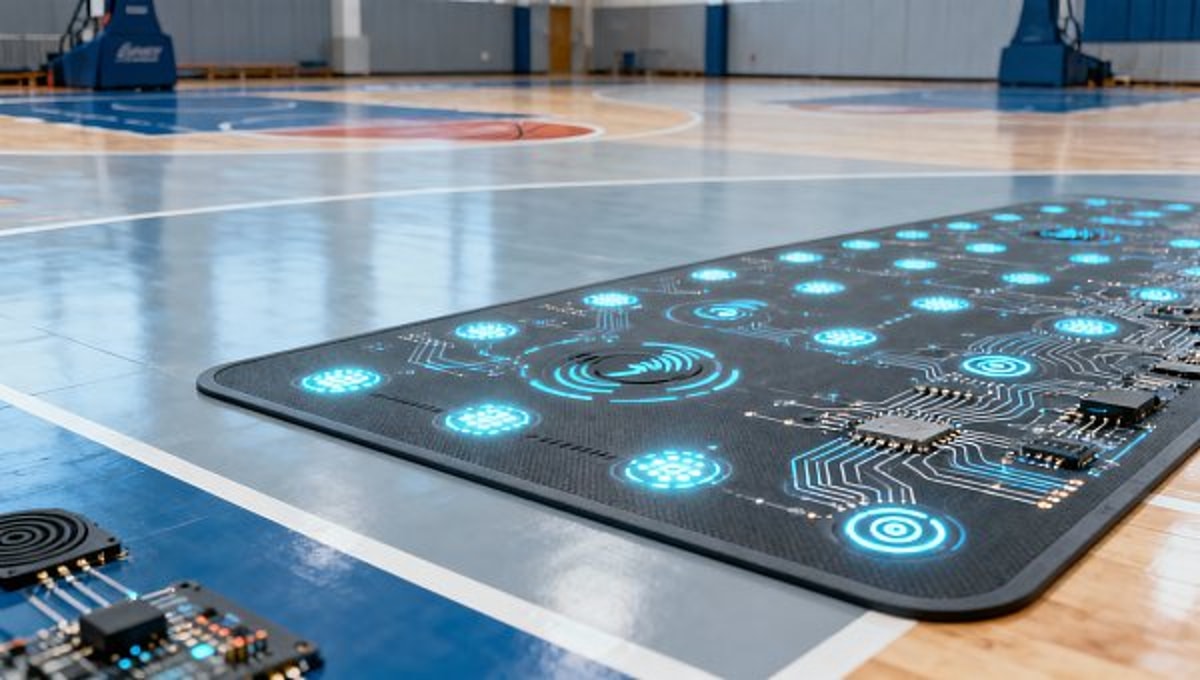
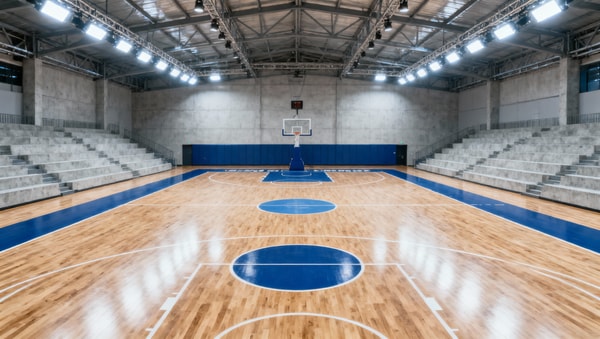
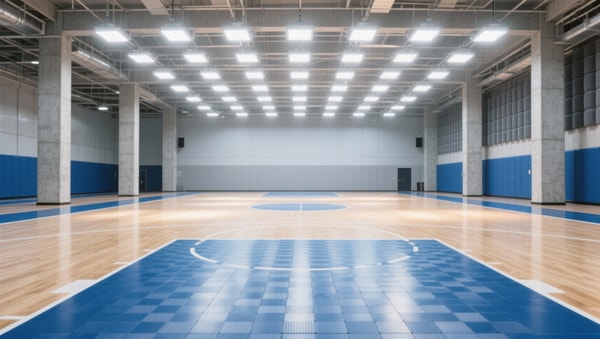
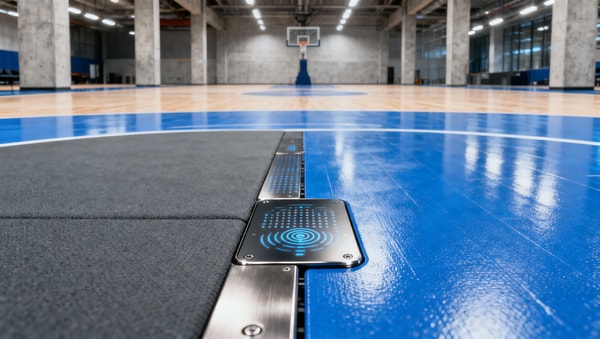
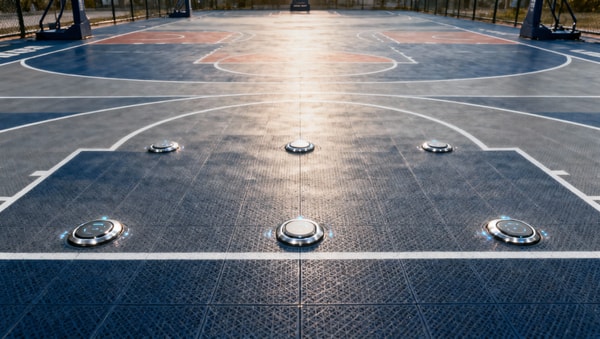
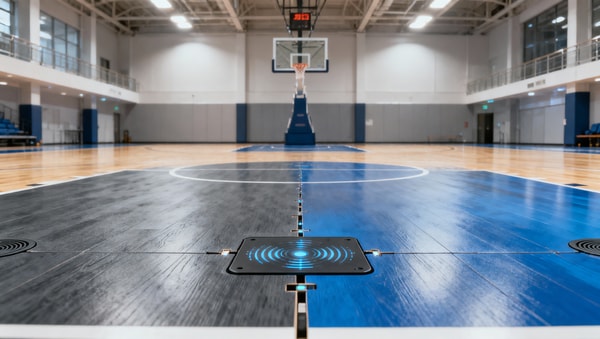
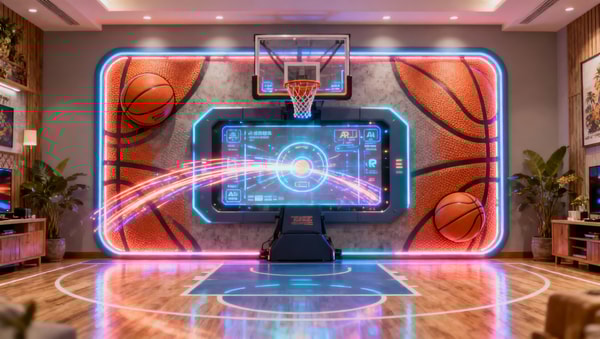
On May 1, 2026, the HuaiBA Youth Basketball League in Jinan’s Huaiyin District launched a domestically developed LED interactive smart sports floor system — featuring real-time pressure sensing and acoustic feedback modules. This deployment signals growing international attention to China-made intelligent sports infrastructure, particularly among education and facility procurement stakeholders in the Middle East. Direct trade enterprises, acoustic certification service providers, and smart flooring manufacturers should monitor downstream certification demands and regional compliance timelines closely.
Event Overview
On May 1, 2026, the HuaiBA Youth Basketball League in Huaiyin District, Jinan, officially deployed a domestically produced LED interactive smart sports floor system. The system includes real-time pressure sensing and acoustic feedback functionality. As of May 4, 2026, three school procurement entities in Saudi Arabia requested the Chinese supplier to submit additional SASO 5853 acoustic attenuation test reports. This requirement extended the certification cycle by 12 working days. The project has been listed as a reference case by the Abu Dhabi Department of Education.
Impact on Specific Industry Segments
Direct Trade Enterprises
These firms face immediate implications from the added SASO 5853 testing requirement. The 12-workday extension reflects increased lead time for market entry into Saudi Arabia — especially for products integrating acoustic performance features. Exporters must now treat acoustic certification not as optional but as a mandatory pre-shipment condition for Gulf education-sector tenders.
Acoustic Certification & Testing Service Providers
The request for SASO 5853 adds targeted demand for accredited acoustic attenuation testing aligned with Saudi standards. Providers with SASO-accredited labs — or partnerships with GCC-recognized testing bodies — are positioned to support faster turnaround. However, current capacity constraints may emerge if similar requests scale across other Gulf education projects referencing HuaiBA.
Smart Sports Flooring Manufacturers
Manufacturers incorporating acoustic feedback modules must now anticipate region-specific acoustic performance validation beyond standard mechanical or electrical safety tests. The HuaiBA case demonstrates that functional integration (e.g., pressure + sound) triggers cross-domain compliance requirements — making early-stage acoustic design verification essential, not post-production add-on.
Education Infrastructure Procurement Intermediaries
Intermediaries facilitating Chinese-GCC education facility deals must now explicitly scope acoustic certification readiness into technical evaluation checklists. The Abu Dhabi Department of Education’s reference status elevates HuaiBA as a de facto benchmark — meaning procurement teams may begin requesting SASO 5853 documentation proactively, even before formal tender issuance.
What Relevant Enterprises or Practitioners Should Focus On Now
Monitor official updates on SASO 5853 interpretation and enforcement
The current request stems from buyer-side interpretation, not a published regulatory mandate. Observably, SASO 5853 is a product standard for acoustic performance of building materials — not yet formally extended to sports flooring. Stakeholders should track whether Saudi authorities issue clarifications or guidance documents referencing this use case.
Map acoustic testing requirements by target GCC education project type
Not all school infrastructure projects carry identical acoustic expectations. Analysis shows gymnasiums with multi-use programming (e.g., assemblies, performances alongside sports) are more likely to trigger SASO 5853 scrutiny than dedicated training courts. Prioritize testing alignment for facilities with hybrid acoustic loads.
Distinguish between policy signal and operational implementation
The HuaiBA reference status is an institutional endorsement, not a binding procurement rule. Current impact is driven by buyer-initiated requests — not regulatory enforcement. Enterprises should avoid overgeneralizing this as a new market-wide requirement until broader tender language or government circulars confirm it.
Prepare internal documentation workflows for dual-module validation
Pressure-sensing and acoustic feedback are functionally linked but regulated separately. Suppliers should establish parallel documentation paths: one for mechanical/electrical safety (e.g., CE, CCC), another for acoustic attenuation (e.g., SASO 5853, ISO 354). Cross-functional review between R&D, QA, and export compliance teams is now operationally necessary.
Editorial Perspective / Industry Observation
This event is better understood as an emerging compliance signal — not yet a settled market requirement. Observably, it reflects how high-visibility domestic deployments (like HuaiBA) are becoming informal reference points for overseas buyers seeking assurance on integrated smart infrastructure performance. Analysis shows such cases often precede formal standardization efforts by 12–18 months. The key implication is not immediate regulatory change, but heightened due diligence expectations from end-buyers in education-sector infrastructure procurement — particularly where acoustic functionality is part of the value proposition.
Current monitoring priority lies less with the existence of SASO 5853 itself, and more with how frequently and consistently Gulf-based public-sector buyers cite HuaiBA as a benchmark — and whether that citation evolves into standardized tender clauses.
Conclusion
The HuaiBA smart floor deployment matters not because it introduces new regulations, but because it reveals a shift in buyer behavior: international education procurers are increasingly using nationally scaled pilot projects as practical benchmarks for technical and compliance readiness. For industry stakeholders, this is best interpreted as a prompt to align product documentation, testing strategy, and buyer communication around integrated performance claims — especially where acoustic behavior intersects with digital interactivity.
Information Sources
Main source: Public announcement from Huaiyin District Government (May 1, 2026); follow-up procurement communication from three Saudi schools (May 4, 2026); reference status confirmed by Abu Dhabi Department of Education (as cited in official project documentation). Ongoing observation required for SASO 5853 application scope clarification and recurrence of similar buyer requests across GCC education tenders.
Search News
Hot Articles
- Indoor PlaygroundLiaoning Tieren Appoints Shin Jeong-won; K-League Training Gear Sourcing Shift PossibleMay 06, 2026
- Indoor PlaygroundNBA LED Interactive Court System Enters Mass ProductionMay 06, 2026
- Smart Campus TechIOC Selects Chinese University’s Athlete Support Model as Global Procurement BenchmarkMay 06, 2026
Popular Tags
Need ExpertConsultation?
Connect with our specialized leisureengineering team for procurementstrategies.
Recommended News
 May 06, 2026Liaoning Tieren Appoints Shin Jeong-won; K-League Training Gear Sourcing Shift PossibleLiaoning Tieren appoints K-League coach Shin Jeong-won — sparking Korean demand for ISO 10993-certified smart athletic wear, especially heart-rate & GPS training vests.● Theme Park Strategist
 May 06, 2026NBA LED Interactive Court System Enters Mass ProductionNBA LED interactive court system enters mass production in Q3 2026 — a breakthrough for smart sports venues, AR fan engagement, and global LED display suppliers.● Theme Park Strategist
 May 06, 2026NBA Adopts New LED Interactive Court Floors in 2026–27 SeasonNBA LED interactive court floors launch in 2026–27: AR fan engagement, real-time stats & certified hardware — game-changing for global sports tech suppliers.● Theme Park Strategist
 May 06, 2026HuaiBA Youth Basketball Arena Adopts Domestic Smart Floor SystemHuaiBA Youth Basketball Arena's domestic smart floor system sets a new benchmark—featuring real-time pressure sensing & acoustic feedback for global sports infrastructure buyers.● Theme Park Strategist
 May 06, 2026Swedish Team’s Historic Win Spurs EU Demand for Chinese AI Ping-Pong MachinesAI ping-pong machines surge in EU demand after Sweden’s historic win over China—explore CE-compliant Chinese smart training tech now.● Theme Park Strategist
 May 06, 2026Snooker World Championship Boosts Billiards Table DemandSnooker World Championship drives global demand for billiards tables—especially smart-scoring & carbon-fiber models with FIBA-compatibility and multilingual UI.● Theme Park Strategist
 May 06, 2026FIBA 2026 Basketball Court Standards: LED Lighting & Acoustic Flooring Now MandatoryFIBA 2026 mandates LED lighting uniformity ≥0.8 & acoustic flooring ≥35 dB—key for exporters targeting CE, SASO, GOST markets. Act now to align.● Theme Park Strategist
 May 05, 2026FIBA 2026 Court Guidelines Enforce LED Uniformity & Floor AcousticsFIBA 2026 Court Guidelines mandate LED uniformity ≥0.8 & floor acoustics ≥35 dB @ 63 Hz—key for exporters targeting Qatar, Indonesia, Mexico tenders.● Theme Park Strategist
 May 05, 2026Sweden’s 26-Year Win Over China Spurs EU Demand for SpinMaster X9SpinMaster X9 AI table tennis robot surges in EU demand after Sweden’s historic 26-year win over China—CE & TÜV-certified units now priority for clubs and suppliers.● Theme Park Strategist
 May 05, 2026Wu Yize’s Snooker Final Surge Drives 37% Global Inquiry Spike for Regulation TablesRegulation snooker tables see 37% global B2B inquiry surge amid Wu Yize’s historic World Championship final — act now on WPBSA-compliant demand from UAE, KSA, Brazil & Thailand.● Theme Park Strategist
 May 05, 2026HuaiBA Basketball Arena Adopts Chinese Smart Flooring, Triggers SASO 5853 Acoustic TestingHuaiBA Basketball Arena adopts Chinese smart flooring—triggers SASO 5853 acoustic testing. Key insight for sports flooring exporters, GCC compliance, and ISO 10137 vibration analysis.● Theme Park Strategist
 May 04, 2026HuaiBA Basketball Court in Jinan Adopts Chinese Smart FlooringHuaiBA Basketball Court in Jinan adopts Chinese smart flooring — a breakthrough for ISO 20342 & SASO 5853-compliant sports surfaces in GCC markets.● Theme Park Strategist
 May 03, 2026CBA Game Triggers SASO 5853 Acoustic Certification Demand for Smart Basketball FloorsCBA game sparks SASO 5853 acoustic certification demand for smart basketball floors—key for GCC exporters, labs & specifiers. Act now.● Theme Park Strategist
 May 03, 2026Raptors G6 Barrett Buzzer-Beater Triggers FCC Part 15B Re-Testing for Commercial Rim-Vibration ModulesRaptors G6 Barrett buzzer-beater exposed FCC Part 15B compliance gaps for commercial rim-vibration modules—urgent re-testing now required across US, CA, MX markets.● Theme Park Strategist
 May 02, 20262026 Jiujiang Guokong Cup Tennis Open Spurs ASEAN Demand for AI Ball MachinesAI ball machines surge 165% amid 2026 Jiujiang Guokong Cup — urgent ASEAN MRA certification needed for Thailand/Vietnam exports.● Theme Park Strategist
 May 02, 2026China's Speed Relay Record Boosts EN 15613-Compliant Climbing Gear ExportsEN 15613-compliant climbing gear exports surge 140% after China’s Dubai speed relay record—key insights for manufacturers, labs & logistics providers.● Theme Park Strategist
 May 01, 2026Playground Borders That Reduce Mess and Keep Zones ClearPlayground borders reduce mess, define activity zones, and improve maintenance control. Discover durable, site-smart solutions for safer, cleaner, more organized play areas.● Theme Park Strategist
 May 01, 2026Inclusive Playground Features Families Notice Right AwayInclusive playground features families notice first: step-free access, stable surfacing, sensory balance, and shared play. Use this practical guide to evaluate safer, truly welcoming spaces.● Theme Park Strategist
 May 01, 2026Toddler Playground Layout Mistakes That Limit Safe PlayToddler playground layout mistakes can quietly increase risk. Learn how better zoning, circulation, and visibility create safer, compliant play spaces for every project.● Theme Park Strategist
 May 01, 2026What Makes a Sensory Playground Feel Inclusive in Real UseSensory playground design feels truly inclusive when access, calm zones, shared play, and caregiver comfort work in real use. Discover what makes spaces more welcoming.● Theme Park Strategist
 May 01, 2026How Playground Swings Affect Safety Zones and Site PlanningPlayground swings shape safety zones, circulation, and site efficiency. Learn how to plan compliant, high-performing layouts that reduce redesign risk and improve project value.● Theme Park Strategist
 Apr 30, 2026CBA Game Sparks Southeast Asia Demand for Chinese Interactive Playground WallsCBA game sparks urgent demand for Chinese basketball-themed interactive playground walls across Southeast Asia—AR, pressure-sensor tech, SNI/IEC-certified.● Theme Park Strategist
 Apr 30, 2026Vietnam Mandates Anti-Pinch Sensors for Indoor Playground EquipmentAnti-pinch sensors now mandatory for indoor playground equipment in Vietnam — comply by July 1, 2026 to avoid customs rejection and market access delays.● Theme Park Strategist
 Apr 30, 2026When a playground consultant saves more than an in-house planPlayground consultant advice can prevent costly design errors, compliance gaps, and vendor mistakes. See when expert support beats an in-house plan and protects budget.● Theme Park Strategist