Commercial Bouncy Castles: Why Material Weight Is Not Enough
When evaluating commercial bouncy castles, many buyers assume heavier material automatically means better durability and safety. In reality, material weight is only one factor among fabric quality, stitching strength, coating performance, airflow design, and compliance standards. Understanding these details helps information-focused buyers make smarter sourcing decisions and avoid costly mistakes in commercial inflatable selection.
Why a checklist approach works better than a single-number comparison
For information researchers comparing commercial bouncy castles, the biggest risk is oversimplification. A supplier may promote 18 oz PVC, 0.55 mm fabric, or “heavy-duty material” as proof of quality, yet two inflatables with the same nominal weight can perform very differently in commercial use. That is because real-world durability depends on the interaction between base fabric, coating, seam construction, anchoring design, blower compatibility, repairability, and certification.
A checklist is useful because it forces buyers to review what actually affects lifecycle cost and operating safety. This matters for rental companies, indoor play operators, leisure venues, schools, hotels, and event organizers that need dependable equipment rather than attractive specifications on paper. Instead of asking only “How heavy is the material?”, the better question is “Does this inflatable system match my operating load, climate, user profile, inspection needs, and compliance obligations?”
First checks: what to confirm before comparing suppliers
Before reviewing quotations for commercial bouncy castles, confirm the operational basics. These early checks prevent wasted time and help you compare offers on the same basis.
- Use environment: Indoor or outdoor use changes UV exposure, moisture risk, anchoring demands, and blower requirements.
- User profile: Age range, maximum occupancy, and expected traffic affect stress points, safety wall height, and material wear.
- Operating frequency: Weekend hire use differs from daily commercial operation at a family entertainment center or resort.
- Regulatory market: Destination country determines standards, test documentation, labeling, and importer responsibilities.
- Maintenance capacity: If your team cannot perform regular inspection and patch repair, serviceability becomes a major selection criterion.
- Transport and setup limits: Product weight still matters, but in relation to handling, manpower, storage, and installation time.
These inputs create a practical framework for evaluating commercial inflatables. Without them, even a technically strong product may be wrong for the buyer’s real use case.
Core evaluation checklist for commercial bouncy castles
1. Check the fabric structure, not just the material weight
Material weight is a reference point, not a complete quality verdict. Ask whether the supplier uses woven base fabric with PVC coating on both sides, and request details on yarn density, tear strength, and abrasion resistance. In many commercial bouncy castles, long-term failure starts with tearing at stress points rather than uniform wear across the whole panel. A slightly lighter but better-engineered fabric can outperform a heavier but weaker construction.
2. Review coating performance for weathering and cleaning
For outdoor or high-turnover applications, the coating should resist UV degradation, mildew, dirt penetration, and repeated cleaning. A commercial buyer should ask whether the surface treatment supports colorfastness and easy sanitation. This is especially important for operators serving children, hospitality groups, and event venues where appearance affects customer perception.
3. Inspect seam and stitching design
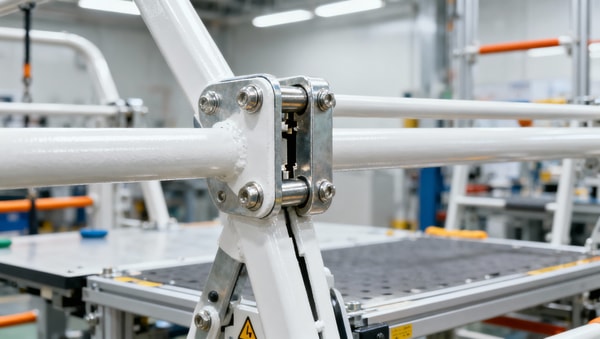
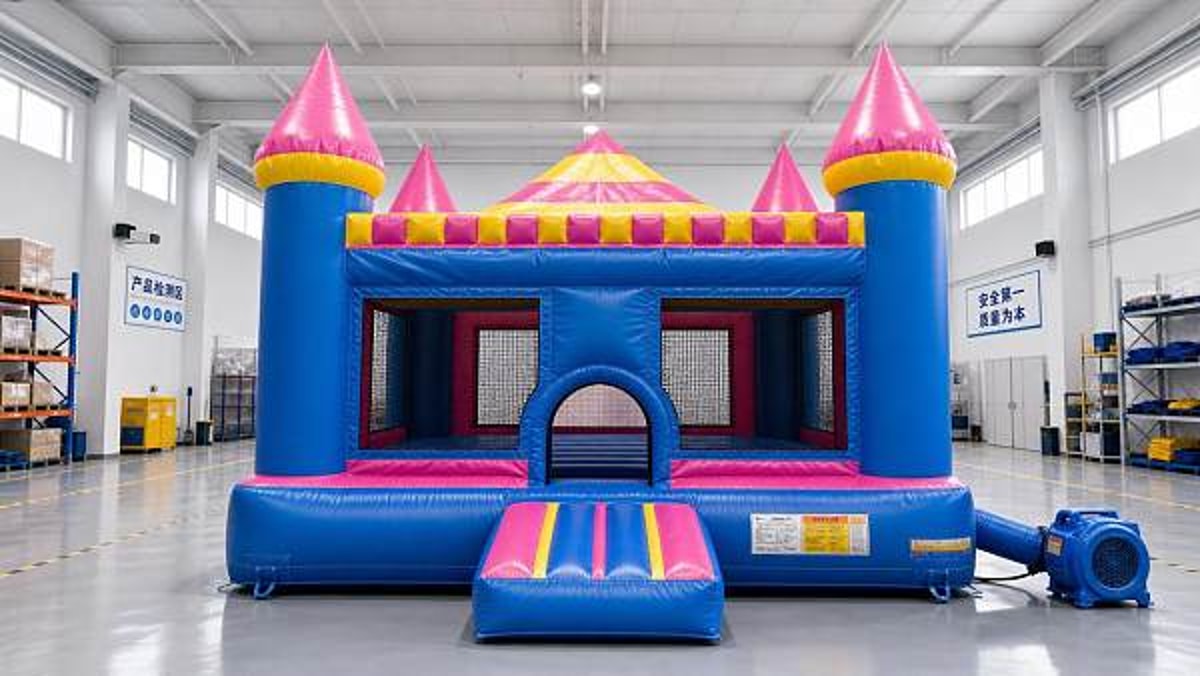
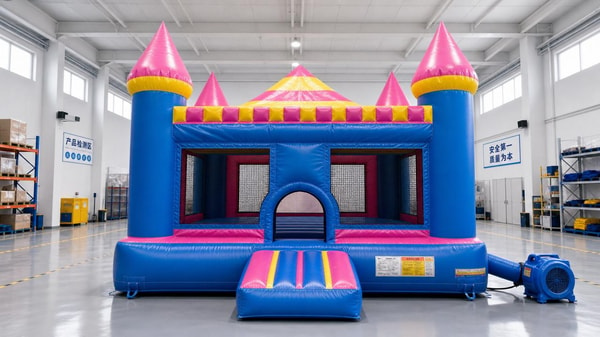
Many sourcing mistakes happen because buyers focus on fabric and overlook workmanship. Good commercial bouncy castles typically show reinforced seams at high-load zones, neat stitching, protected corners, and stress-distribution patches. Ask for close-up photos or production videos of entrance steps, bounce bed corners, netting joints, slide transitions, and anchor points. These are common failure areas in heavy-use inflatables.
4. Confirm airflow design and blower compatibility
Commercial inflatable performance depends on stable internal pressure. If air leakage is excessive or the blower is mismatched, the unit may feel soft, wear faster, or create unstable play conditions. Buyers should verify blower power rating, voltage compatibility, air inlet layout, and whether the inflatable maintains shape under maximum user load. In short, a stronger material cannot compensate for poor airflow engineering.
5. Examine safety features as a system
Safety is not a single feature. Evaluate entrance design, impact zones, wall height, slide side barriers, netting quality, emergency exit logic, and anchor point placement together. For commercial bouncy castles, the best designs reduce risky behavior before it starts. Wide openings without proper supervision control, low side walls, or weak net panels can undermine safety even if the fabric itself is thick.
6. Request compliance documents early
Commercial buyers should ask for relevant testing and manufacturing documentation before entering final price negotiation. Depending on market and application, this may include material test reports, flame-retardant claims, electrical compliance for blowers, user manuals, warning labels, and standards alignment. Documentation quality often reveals how mature the supplier is as a partner for regulated projects.
A practical comparison table for buyer research
Use the following table when comparing commercial bouncy castles from different manufacturers. It helps turn technical claims into sourcing decisions.
Different use cases require different priorities
Not all commercial bouncy castles should be evaluated the same way. The right decision depends on where and how the inflatable will be used.
Rental companies
For rental operators, setup speed, cleaning ease, transport weight, and repairability are major priorities. Heavier material may improve perceived durability, but it can also slow handling and raise labor costs. Reinforced carrying points, clear labeling, and durable storage bags may matter more than a small increase in fabric weight.
Indoor play centers
Indoor venues should prioritize hygiene, seam durability under frequent use, and blower noise control. UV resistance may be less important, while surface cleanability and stable airflow become more significant. Consistent appearance is also essential for branded family entertainment settings.
Hotels, resorts, and event venues
These buyers often need commercial bouncy castles that balance safety with aesthetics. Color quality, custom branding, guest-facing finish, and compliance confidence may carry more weight than purely industrial ruggedness. For premium hospitality projects, a cleaner visual presentation and dependable documentation can influence procurement decisions strongly.
Schools and public institutions
Institutional buyers typically need transparent documentation, clear operating instructions, and conservative safety design. Procurement teams may also require evidence of material claims and maintenance guidance. In these settings, traceability and risk management often outweigh design novelty.
Common oversights that lead to poor purchasing decisions
- Confusing thickness with strength: A thicker-looking panel does not guarantee better tear resistance or longer lifespan.
- Ignoring reinforcement maps: Without targeted reinforcement, high-impact zones wear out early.
- Overlooking blower quality: Inadequate blowers reduce performance and may create safety issues.
- Skipping after-sales questions: Spare parts, patch materials, and repair guidance are part of the real commercial package.
- Relying only on catalog photos: Buyers should request detail images, videos, test information, and operational references.
- Comparing prices without standardizing specs: Quotes are meaningless if dimensions, blower scope, accessories, and compliance claims differ.
Execution advice: how to run a smarter sourcing process
To evaluate commercial bouncy castles efficiently, create a sourcing file with the following information before supplier outreach:
- Target application, user age, and expected daily traffic.
- Required dimensions, feature layout, and branding needs.
- Country of use and any compliance or insurance expectations.
- Preferred material range, but with equal focus on seam, coating, and reinforcement details.
- Questions on blower specification, accessories, repair kits, packaging, and lead time.
- Request for close-up production photos, test reports, manuals, and project references.
This method is especially valuable in global sourcing, where buyers must compare suppliers across different quality cultures and documentation standards. A disciplined checklist reduces the risk of buying a product that looks impressive in a quotation but performs poorly during operation.
Final takeaway for information-focused buyers
The most reliable way to assess commercial bouncy castles is to treat material weight as one data point, not the final answer. A well-informed buyer should prioritize fabric construction, coating quality, seam reinforcement, airflow design, safety features, compliance evidence, and maintenance practicality. That broader evaluation gives a more accurate picture of performance, risk, and long-term value.
If your team wants to move from research to supplier comparison, the next step is to prepare a clear inquiry sheet covering application scenario, dimensions, occupancy, market compliance, blower requirements, repair expectations, and documentation needs. In commercial sourcing, better questions lead to better products. For buyers navigating complex global supply chains, that is the difference between a basic purchase and a dependable commercial solution.
Search News
Hot Articles
Popular Tags
Need ExpertConsultation?
Connect with our specialized leisureengineering team for procurementstrategies.
Recommended News
 May 07, 2026CCTV5 Broadcasts Key Sports Events on May 7, 2026CCTV5 broadcasts WTT Finals, CBA playoffs & AFC U-17 Women’s qualifiers on May 7, 2026—boosting global demand for FIBA/AFC/ITTF-certified sports equipment.● Theme Park Strategist
 May 07, 2026Snooker World Championship Boosts Chinese Billiards Table ExportsSnooker World Championship boosts Chinese billiards table exports — CE+UKCA-certified slate tables see 37% surge in UK, Germany & Saudi demand.● Theme Park Strategist
 May 07, 2026CPSC Recalls 3 Chinese-Made Kids' Climbing FramesCPSC recalls 3 Chinese-made kids' climbing frames—47,000 units over ASTM F1487-23 failures & pinch hazards. Act now to protect your supply chain.● Theme Park Strategist
 May 07, 2026Inflatable Water Slides Wholesale: Which Features Cut Repair Rates?Inflatable water slides wholesale buyers: discover which features cut repair rates most—commercial PVC, reinforced seams, smart anchoring, matched blowers, and compliant design.● Theme Park Strategist
 May 07, 2026Mini Golf Course Equipment That Wears Out Faster OutdoorsMini golf course equipment wears out faster outdoors due to UV, moisture, and heavy traffic. Discover which parts fail first and how to choose longer-lasting solutions.● Theme Park Strategist
 May 07, 2026Bowling Alley Equipment Upgrades That Improve Lane ReliabilityBowling alley equipment upgrades that improve lane reliability: discover how smarter pinsetters, diagnostics, conditioning, and integration reduce downtime, cut costs, and boost player satisfaction.● Theme Park Strategist
 May 07, 2026Inflatable Obstacle Courses: Setup Mistakes That Hurt Event FlowInflatable obstacle courses can boost event energy, but setup mistakes can ruin flow. Discover the top errors to avoid and keep events safer, faster, and more efficient.● Theme Park Strategist
 May 07, 2026Coin Operated Kiddie Rides That Stop Paying Back Too SoonCoin operated kiddie rides can lose ROI fast when downtime, weak replay value, and poor sourcing add hidden costs. Learn how to choose models that earn longer.● Theme Park Strategist
 May 07, 2026Commercial Bouncy Castles: Why Material Weight Is Not EnoughCommercial bouncy castles are not defined by material weight alone. Learn the key buying checklist for safety, durability, compliance, and smarter commercial sourcing.● Theme Park Strategist
 May 07, 2026Inflatable Water Slides Wholesale: Which Features Cut Repair Rates?Inflatable water slides wholesale buyers: discover which features cut repair rates most—commercial PVC, reinforced seams, smart anchoring, matched blowers, and compliant design.● Theme Park Strategist
 May 07, 2026Mini Golf Course Equipment That Wears Out Faster OutdoorsMini golf course equipment wears out faster outdoors due to UV, moisture, and heavy traffic. Discover which parts fail first and how to choose longer-lasting solutions.● Theme Park Strategist
 May 07, 2026Bowling Alley Equipment Upgrades That Improve Lane ReliabilityBowling alley equipment upgrades that improve lane reliability: discover how smarter pinsetters, diagnostics, conditioning, and integration reduce downtime, cut costs, and boost player satisfaction.● Theme Park Strategist
 May 07, 2026Inflatable Obstacle Courses: Setup Mistakes That Hurt Event FlowInflatable obstacle courses can boost event energy, but setup mistakes can ruin flow. Discover the top errors to avoid and keep events safer, faster, and more efficient.● Theme Park Strategist
 May 07, 2026Coin Operated Kiddie Rides That Stop Paying Back Too SoonCoin operated kiddie rides can lose ROI fast when downtime, weak replay value, and poor sourcing add hidden costs. Learn how to choose models that earn longer.● Theme Park Strategist
 May 07, 2026Commercial Bouncy Castles: Why Material Weight Is Not EnoughCommercial bouncy castles are not defined by material weight alone. Learn the key buying checklist for safety, durability, compliance, and smarter commercial sourcing.● Theme Park Strategist
 May 06, 2026Basketball hoops for school: portable convenience vs fixed stabilityBasketball hoops for school: compare portable convenience and fixed stability to choose safer, smarter, and more cost-effective solutions for campus courts.● Theme Park Strategist
 May 06, 2026Montessori wooden toys and the question of long-term durabilityMontessori wooden toys: discover what really determines long-term durability, safety, and value, and learn how buyers can choose options built for repeated use.● Theme Park Strategist
 May 06, 2026Wholesale ping pong tables for schools: what wears out firstWholesale ping pong tables for schools: learn what wears out first, from casters to locks, and use this buyer-focused guide to cut replacement costs and choose safer, longer-lasting tables.● Theme Park Strategist
 May 06, 2026Gymnastic mats wholesale: thickness claims vs real shock absorptionGymnastic mats wholesale buyers: learn why thickness claims alone can mislead. Compare real shock absorption, foam density, rebound control, and sourcing checks before you buy.● Theme Park Strategist
 May 06, 2026Abacus learning toys still matter when math goes digitalAbacus learning toys still matter in digital math, helping children build number sense, focus, and hands-on problem-solving. See why educators, parents, and buyers still choose them.● Theme Park Strategist
 May 06, 2026Liaoning Tieren Appoints Shin Jeong-won; K-League Training Gear Sourcing Shift PossibleLiaoning Tieren appoints K-League coach Shin Jeong-won — sparking Korean demand for ISO 10993-certified smart athletic wear, especially heart-rate & GPS training vests.● Theme Park Strategist
 May 06, 2026NBA LED Interactive Court System Enters Mass ProductionNBA LED interactive court system enters mass production in Q3 2026 — a breakthrough for smart sports venues, AR fan engagement, and global LED display suppliers.● Theme Park Strategist
 May 06, 2026NBA Adopts New LED Interactive Court Floors in 2026–27 SeasonNBA LED interactive court floors launch in 2026–27: AR fan engagement, real-time stats & certified hardware — game-changing for global sports tech suppliers.● Theme Park Strategist
 May 06, 2026HuaiBA Youth Basketball Arena Adopts Domestic Smart Floor SystemHuaiBA Youth Basketball Arena's domestic smart floor system sets a new benchmark—featuring real-time pressure sensing & acoustic feedback for global sports infrastructure buyers.● Theme Park Strategist