Arcade Game Machines Wholesale: Which Units Need Less Service?
For procurement teams evaluating arcade game machines wholesale, low-service units can reduce downtime, cut maintenance costs, and improve long-term ROI. From simpler mechanical designs to proven electronic platforms, choosing the right machines means balancing player appeal with operational reliability. This guide explores which arcade units typically require less service and what buyers should assess before placing bulk orders.
Which arcade game machines wholesale categories usually need less service?
In commercial entertainment venues, service demand is driven less by cabinet appearance and more by moving parts, impact loads, heat buildup, payment system complexity, and software stability. For buyers managing arcade game machines wholesale projects across family entertainment centers, hotel game zones, malls, or mixed-use leisure spaces, the most reliable units are usually those built on mature components and straightforward play mechanics.
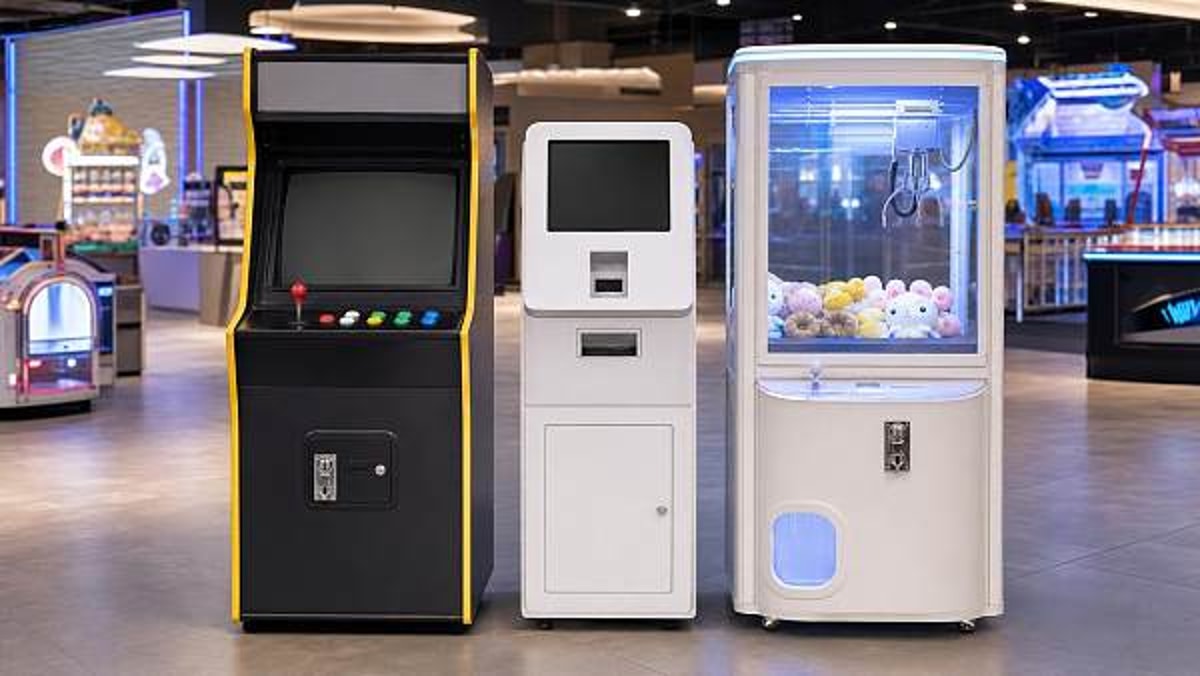
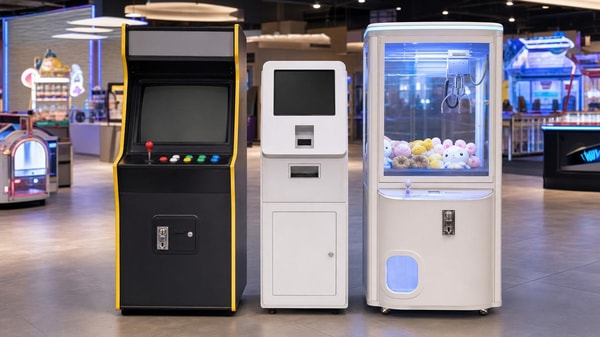
As a practical rule, redemption machines with simple sensor logic, video arcade cabinets using proven mainboards, and compact prize or ticket units with limited mechanical stress often outperform large motion-based attractions in service intervals. Procurement teams should not ask only which machine is popular today. They should ask which unit can stay operational with limited technician time for the next three to five years.
- Low-service machines usually have fewer high-impact moving assemblies, less vibration, and easier access to standard spare parts.
- Machines with stable power requirements and common display, button, joystick, or ticket components are easier to maintain in multi-site operations.
- Units that allow quick front or rear maintenance access reduce labor cost during routine inspections and part replacement.
Low-service does not mean low-earning
Many buyers assume high visual impact automatically delivers better returns. In reality, the best wholesale mix often includes dependable mid-complexity machines that earn consistently because they are available to players more often. A machine that generates moderate revenue every day can outperform a premium attraction that frequently sits idle waiting for technical support.
Comparison table: which unit types are easier to operate at scale?
The table below helps procurement teams compare common arcade game machines wholesale categories by service profile, fault exposure, and operating fit. This is especially useful when building a diversified machine lineup for commercial entertainment environments.
For most arcade game machines wholesale programs, classic video cabinets and simple redemption units are the safest low-service foundation. They are easier to standardize, easier to train staff on, and usually less dependent on specialized field technicians.
What technical features reduce maintenance risk?
Procurement teams often compare price and appearance first, but service burden is more closely linked to engineering details. A machine can look premium yet be difficult to maintain because internal layout, parts access, and component compatibility were not designed for commercial use.
Key design features to prioritize
- Modular parts layout. Power supplies, control boards, ticket systems, and displays should be replaceable without dismantling half the cabinet.
- Commercial-grade controls. Buttons, joysticks, pedals, and gun triggers should be rated for repeated public use rather than light-duty retail demonstration.
- Stable software architecture. Mature firmware and proven game boards reduce crash frequency and simplify remote troubleshooting.
- Thermal management. Proper ventilation and fan placement matter, especially in hot amusement halls and compact indoor entertainment corners.
- Standardized payment interfaces. Card readers, coin systems, and ticket dispensers should support common integration practices used across commercial venues.
Common weak points buyers should inspect
During supplier evaluation, ask for internal photos or videos showing harness routing, access panels, fan placement, and wear components. Look closely at hinges, locks, cable strain relief, monitor mounting, and the placement of high-touch components. Small assembly details often predict future service frequency better than brochure claims.
How should procurement teams evaluate arcade game machines wholesale before bulk ordering?
Bulk sourcing decisions should combine technical screening, commercial terms, and after-sales planning. For buyers in hospitality, leisure parks, educational entertainment spaces, and specialty commercial venues, the objective is not just to secure units at a workable price. It is to create a machine portfolio that can be maintained consistently across different locations and staffing conditions.
Global Commercial Trade supports this process by helping buyers compare sourcing options through an operational lens: service complexity, compliance considerations, spare parts continuity, and suitability for the intended guest experience. This approach is especially useful when one project combines family play, hotel recreation, and public-access environments with different usage intensity.
Use the following procurement checklist to compare arcade game machines wholesale offers in a disciplined way rather than relying on appearance or initial unit cost alone.
This checklist helps procurement teams move from general interest to measurable supplier comparison. It also makes internal approval easier because each sourcing decision is linked to service cost, uptime, and operational practicality.
Which machines fit different commercial scenarios best?
The right arcade game machines wholesale mix depends on venue traffic, user age profile, staffing depth, and the expected guest experience. A low-service unit in one scenario may become a poor choice in another if usage intensity or environmental conditions change.
Hotels and resorts
Hotels usually benefit from compact video cabinets, basketball-style skill games with durable sensors, and simple redemption units that do not need constant operator intervention. These venues often have limited in-house technical teams, so easy-access service design matters more than feature complexity.
Family entertainment centers
Family entertainment centers can absorb a mix of low-service staples and a few medium-complexity anchor attractions. The key is to ensure the profit base comes from dependable units, while premium machines remain a controlled portion of the floor rather than the operational backbone.
Shopping malls and temporary leisure zones
For mall pop-ups and seasonal recreational spaces, buyers should prioritize machines with simpler installation, low power complexity, and minimal calibration needs. Compact redemption and classic cabinets are often easier to relocate and recommission than simulator-based products.
- Low-staff venues should avoid machine mixes that rely on daily mechanical adjustment.
- High-turnover public locations should prioritize rugged player interfaces and easy surface cleaning.
- Multi-country projects should favor models with export-ready electrical and documentation support.
Cost, downtime, and replacement strategy: what affects total ownership most?
When evaluating arcade game machines wholesale, the cheapest unit is not always the most economical. Total ownership includes shipping, commissioning, floor space, operator training, preventive maintenance, downtime, and parts replacement. Machines with lower headline prices can become expensive if they need frequent service calls or extended shutdowns.
For procurement teams, it is useful to divide machines into three cost layers: purchase cost, operating cost, and interruption cost. Interruption cost is often undercounted, especially in hospitality or premium leisure settings where an out-of-service machine can affect guest perception as well as direct revenue.
Practical cost-control strategies
- Build a standardized spare kit for each 10 to 20 units, focusing on common wear items such as buttons, switches, readers, power supplies, fans, and ticket parts.
- Limit the number of unrelated machine platforms in the first rollout phase so training and troubleshooting remain manageable.
- Request a recommended preventive maintenance cycle from the supplier and compare whether it matches your staffing reality.
- Ask whether a simpler alternative model can deliver similar player appeal with fewer motors, actuators, or specialty assemblies.
What compliance and delivery factors should buyers not overlook?
Even when the main question is service frequency, commercial buyers should also review electrical safety, labeling, age-appropriateness, material durability, and destination-market compliance. Requirements vary by region, but procurement teams should ask suppliers what export documentation and testing support can be provided for the target market.
It is also wise to confirm packaging method, cabinet protection, moisture control during shipping, and whether the unit ships partially assembled. Machines damaged in transit often create early service issues that are mistakenly blamed on design quality.
Questions to ask before order confirmation
- What operating voltage options are available, and are they factory configured or field adjustable?
- What spare parts are recommended for initial bulk purchase?
- How are software updates, board replacements, or technical fault reports handled after shipment?
- What assembly or installation support is provided for first deployment?
FAQ: arcade game machines wholesale questions procurement teams ask most
How do I identify a low-service arcade machine during supplier review?
Start with internal structure, not graphics. Ask for service manuals, parts lists, and maintenance videos. Check how many motors, belts, sensors, and impact points the unit has. Review whether key components are standard and easy to access. A supplier that can clearly explain maintenance routines is usually easier to work with after delivery.
Are redemption games generally easier to maintain than simulators?
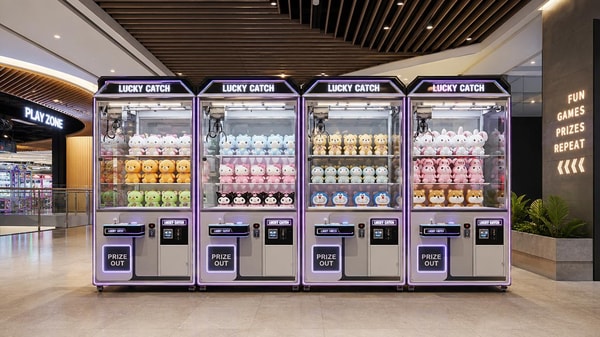
In many cases, yes. Simple redemption games often use lighter mechanics and proven sensor systems, while simulators add force feedback, large displays, seating structures, or motion assemblies that increase service complexity. However, not all redemption games are equal. Machines with unstable ticket systems or heavy prize handling can still create recurring faults if build quality is inconsistent.
What order size makes sense for a first arcade game machines wholesale purchase?
That depends on venue count, testing confidence, and support capacity. Many buyers reduce risk by starting with a pilot batch that includes a few standardized machine categories rather than a large, highly mixed order. This approach helps confirm uptime, player response, payment compatibility, and actual service needs before expansion.
Which mistake causes the most unexpected service cost?
A common mistake is buying for novelty without planning for parts, training, and environment fit. Another is selecting too many unique machine types in one rollout. Operational simplicity matters. Standardization often saves more than a small reduction in purchase price.
Why work with us for arcade game machines wholesale sourcing?
Global Commercial Trade helps procurement teams make better sourcing decisions by connecting product selection with real commercial operating conditions. Instead of evaluating arcade game machines wholesale offers only on catalog appeal, we focus on service burden, parts continuity, installation realities, and venue-specific suitability across hospitality, leisure, and specialty commercial projects.
You can consult us on practical issues that directly affect your project outcome, including parameter confirmation, machine category selection, spare parts planning, delivery cycle expectations, payment system compatibility, export documentation needs, sample evaluation support, and quotation comparison across suppliers. If your project includes mixed-use entertainment spaces, we can also help you build a machine mix that balances guest appeal with lower maintenance exposure.
For buyers who need arcade game machines wholesale with stronger operational reliability, the right next step is a structured sourcing review. Share your target venue type, planned order volume, technical requirements, and destination market, and we can help you narrow down unit types that are easier to maintain, simpler to deploy, and more aligned with long-term commercial performance.
Search News
Hot Articles
Popular Tags
Need ExpertConsultation?
Connect with our specialized leisureengineering team for procurementstrategies.
Recommended News
 May 07, 2026EU Tightens Phthalates Testing for VR Sportswear, REACH Rescreening Hits Chinese ExportsEU tightens phthalates testing for VR sportswear—REACH rescreening impacts Chinese OEMs. Act now to avoid Q3 2026 export delays & penalties.● Theme Park Strategist
 May 07, 2026VR Simulator Rides: Why Repeat Visits Drop After the First MonthVR simulator rides often lose repeat traffic after launch. Discover the real causes behind the first-month drop and how buyers can choose higher-retention, revenue-ready attractions.● Theme Park Strategist
 May 07, 2026Arcade Game Machines Wholesale: Which Units Need Less Service?Arcade game machines wholesale guide: discover which units need less service, reduce downtime, cut maintenance costs, and choose reliable machines for better long-term ROI.● Theme Park Strategist
 May 07, 20269D VR Cinema Equipment That Looks Impressive but Ages Fast9D VR cinema equipment may wow at first, but some systems age fast. Discover how to avoid high maintenance, outdated features, and weak ROI before you buy.● Theme Park Strategist
 May 07, 2026Laser Tag Equipment OEM: What to Confirm Before Custom ProductionLaser tag equipment OEM buyers should confirm hardware durability, software integration, RF reliability, compliance, and service support before custom production. Read the key checks now.● Theme Park Strategist
 May 07, 2026Claw Crane Machines That Earn Well Often Share These TraitsClaw crane machines that earn well often share durable hardware, smart settings, strong visual appeal, and prize strategies that boost replay, traffic, and long-term revenue.● Theme Park Strategist
 May 07, 2026What Makes a Surf Simulator Machine Expensive to Maintain?Surf simulator machine maintenance costs come from pumps, water systems, wear parts, safety checks, and spare parts access. Learn how to compare suppliers and reduce long-term operating risk.● Theme Park Strategist
 May 07, 2026VR Simulator Rides: Why Repeat Visits Drop After the First MonthVR simulator rides often lose repeat traffic after launch. Discover the real causes behind the first-month drop and how buyers can choose higher-retention, revenue-ready attractions.● Theme Park Strategist
 May 07, 2026Arcade Game Machines Wholesale: Which Units Need Less Service?Arcade game machines wholesale guide: discover which units need less service, reduce downtime, cut maintenance costs, and choose reliable machines for better long-term ROI.● Theme Park Strategist
 May 07, 20269D VR Cinema Equipment That Looks Impressive but Ages Fast9D VR cinema equipment may wow at first, but some systems age fast. Discover how to avoid high maintenance, outdated features, and weak ROI before you buy.● Theme Park Strategist
 May 07, 2026Laser Tag Equipment OEM: What to Confirm Before Custom ProductionLaser tag equipment OEM buyers should confirm hardware durability, software integration, RF reliability, compliance, and service support before custom production. Read the key checks now.● Theme Park Strategist
 May 07, 2026Claw Crane Machines That Earn Well Often Share These TraitsClaw crane machines that earn well often share durable hardware, smart settings, strong visual appeal, and prize strategies that boost replay, traffic, and long-term revenue.● Theme Park Strategist
 May 07, 2026What Makes a Surf Simulator Machine Expensive to Maintain?Surf simulator machine maintenance costs come from pumps, water systems, wear parts, safety checks, and spare parts access. Learn how to compare suppliers and reduce long-term operating risk.● Theme Park Strategist
 May 06, 2026EU Proposes Stricter Phthalate Testing for VR Haptic SuitsEU proposes stricter phthalate testing for VR haptic suits—DEHP, BBP, DBP, DIBP limits now target smart athletic apparel. Act now to avoid EU shipment delays & rejections.● Theme Park Strategist
 May 05, 2026EU Tightens REACH Rules for Sportswear Colorfastness & PhthalatesEU tightens REACH rules for sportswear: stricter phthalates limits (0.01%) & mandatory colorfastness testing — critical for VR haptic suits, smart athletic apparel & esports wear exporters.● Theme Park Strategist
 May 04, 2026Tianma Sports’ 0.42‰ Complaint Rate Sets New B2B Quality BenchmarkTianma Sports’ 0.42‰ complaint rate redefines B2B quality in sportswear—backed by pre-shipment risk control, QR traceability & 3-tier QC. See why global buyers are benchmarking against it.● Theme Park Strategist
 May 03, 2026NBA VR Viewing Pods Face NTSC Compatibility Demand in Latin AmericaNBA VR viewing pods face urgent NTSC compatibility demands in Latin America—learn how manufacturers, certifiers, and channel partners can respond fast.● Theme Park Strategist
 May 03, 2026Guangdong Super League VR Booth Drives SEA InquiriesGuangdong Super League VR booth sparks 17 SEA distributor inquiries—focus on Tagalog/Vietnamese UI, offline stability & PSE/PSB certification readiness.● Theme Park Strategist
 May 02, 2026Langlangshan VR Attractions Seek PEGI 12+ Certification After Annecy NominationLanglangshan VR Attractions seek PEGI 12+ certification after Annecy nomination—key for EU theme parks, VR hardware vendors & IP licensors targeting compliant immersive experiences.● Theme Park Strategist
 May 02, 2026Wu Yize’s World Snooker Championship Run Boosts VR Viewing Pod DemandVR viewing pod demand surges 210% amid Wu Yize’s World Snooker Championship semi-final run — key for hotels, bars & esports venues seeking certified immersive solutions.● Theme Park Strategist
 May 01, 2026Langlangshan VR Rides Gain IP Licensing Momentum After Annecy InclusionLanglangshan VR Rides: IP licensing surges after Annecy 2026 selection—unlock co-dev opportunities for VR arcade & motion-based systems in SEA/LATAM.● Theme Park Strategist
 May 01, 2026Volvo China Open Boosts Golf Simulator Exports to Middle EastVolvo China Open drives Middle East demand for certified golf simulators — USGA/EGF-compliant, Arabic UI, and rapid-delivery indoor simulation systems now in high inquiry.● Theme Park Strategist
 May 01, 2026Wu Yize vs. Selby Sparks VR Viewing Booth Export SurgeWu Yize vs. Selby Sparks VR Viewing Booth Export Surge: CE/UKCA-compliant VR cabins see 210% export inquiry surge amid snooker-driven global demand.● Theme Park Strategist
 Apr 30, 2026VR Sports Viewing Capsules Face New EU Latency Rules Post-PSG–Bayern MatchVR Sports Viewing Capsules face new EU latency rules after PSG–Bayern’s record 12-goal match — discover how ≤80ms RED compliance impacts exporters, OEMs & AI-driven live sports tech.● Theme Park Strategist