Claw Crane Machines That Earn Well Often Share These Traits
Not all claw crane machines perform the same in commercial settings. The models that earn well often combine durable hardware, balanced game settings, eye-catching design, and prize strategies that keep players engaged. For buyers and operators researching better returns, understanding these shared traits can help identify machines that attract traffic, improve repeat play, and support more reliable revenue over time.
Why a checklist approach works better when evaluating claw crane machines
For information researchers, the biggest mistake is judging claw crane machines by appearance alone. A bright cabinet and a popular theme may attract initial attention, but earnings depend on a wider mix of factors: build quality, payout control, prize visibility, foot traffic fit, maintenance frequency, and long-term player psychology. A checklist-based review helps separate machines that merely look modern from claw crane machines that are actually designed to perform in demanding commercial environments.
This matters across amusement venues, family entertainment centers, arcades, retail zones, mixed-use commercial spaces, and hospitality-linked leisure areas. In all of these settings, operators need machines that can withstand repeated use, create repeat-play behavior, and maintain an attractive return without constant intervention. The best sourcing decisions are usually made by checking a series of practical traits rather than relying on a single sales claim.
First screening: the traits most profitable claw crane machines usually share
Before comparing suppliers or requesting quotations, start with the following core checklist. These are the traits commonly seen in claw crane machines that earn well over time rather than peaking briefly and then losing appeal.
- They use durable cabinets, quality joysticks, stable power systems, and reliable claw assemblies that reduce downtime.
- They allow precise adjustment of claw strength, grab timing, payout intervals, and difficulty settings without making gameplay feel unfair.
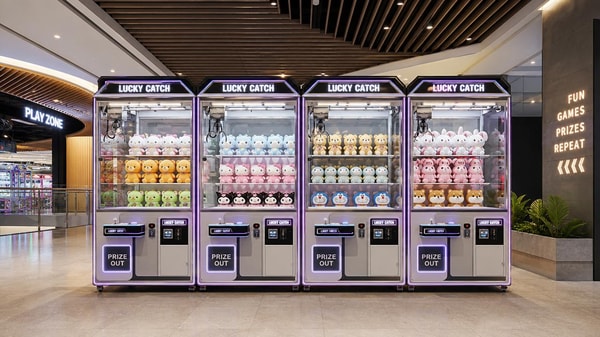
- They display prizes clearly through effective lighting, cabinet depth, and product arrangement, encouraging impulse play.
- They are designed for strong visual presence, using colors, sound, and movement that stand out in competitive commercial environments.
- They support a prize strategy matched to target users, location spending power, and expected replay frequency.
- They are easy to restock, clean, and service, which protects revenue continuity.
- They fit the venue’s audience profile instead of copying a generic machine trend.
Core hardware checks buyers should prioritize
Among all selection factors, hardware consistency is one of the most important. Even attractive claw crane machines can quickly become poor investments if the crane mechanism drifts, coin or payment systems fail, or LED features deteriorate after a short operating period. Information researchers should ask for technical details rather than marketing language.
1. Cabinet strength and finish
Look for a cabinet structure that resists vibration, surface wear, and frequent door access. Thin materials may lower purchase cost but often increase long-term repair rates. In busy arcades and leisure parks, robust framing and durable coatings matter more than cosmetic novelty.
2. Claw motor and rail stability
The movement system should feel smooth, accurate, and repeatable. Inconsistent travel or unstable drop alignment affects player trust. If claw crane machines feel “broken” rather than “challenging,” repeat play drops quickly. Ask whether the rail system and motor components are tested for high-cycle operation.
3. Payment compatibility
Modern commercial settings increasingly require multi-payment support, including coins, tokens, bills, and cashless modules. For operators serving malls, hotel entertainment areas, or smart amusement sites, flexible payment systems improve accessibility and can raise total play volume.
4. Maintenance access
A profitable machine is not only one that earns well when working, but one that returns to operation quickly when service is needed. Check door access, internal layout, replacement part availability, and whether the supplier provides technical guidance, spare components, or remote troubleshooting support.
Game-setting checks that directly affect earnings
Many claw crane machines fail not because the cabinet is weak, but because the game is either too easy, too hard, or too obviously controlled. The goal is not maximum difficulty. The goal is believable challenge with visible near-win moments that encourage another attempt.
For commercial buyers, the best claw crane machines usually give operators enough configuration control to adapt by season, location, and audience. A machine that cannot be tuned carefully often creates unstable earnings or avoidable customer frustration.
Visual design traits that increase foot traffic and replay
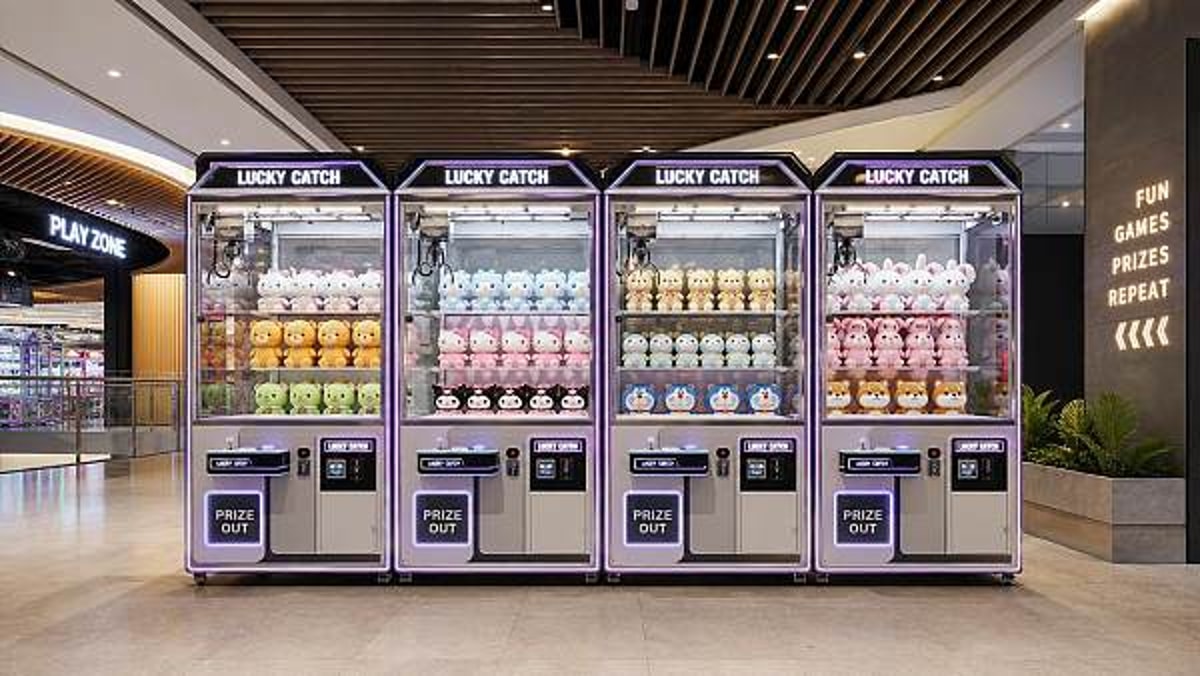
In high-traffic venues, visual competition is intense. Claw crane machines that earn well tend to be readable from a distance and exciting up close. Good design is not only about color; it is about traffic conversion. People should quickly understand what the machine offers, see the prizes clearly, and feel encouraged to try.
Useful design checks include cabinet height relative to target users, LED brightness that highlights rather than overwhelms, sound effects that attract without becoming annoying, and front-facing visibility of premium prizes. If a machine is intended for younger players, a lower control area and friendlier visual language may improve participation. If it targets teens or adults, cleaner styling and stronger product focus often work better.
Prize strategy is often the hidden difference between average and strong results
Even well-built claw crane machines can underperform if the prize mix is wrong. Prize selection influences perceived value, social sharing, and repeat play. Operators should evaluate not only product cost, but also grab suitability, packaging size, replenishment speed, and local demand trends.
Prize planning checklist
- Use prizes that are visually recognizable within seconds.
- Mix entry-level and premium items to create layered excitement.
- Match prize dimensions and weight to the claw’s actual gripping performance.
- Refresh prize themes regularly so returning visitors notice change.
- Avoid overfilling the bin, which can make gameplay look chaotic rather than inviting.
- Track which prizes trigger repeat attempts, not just one-time wins.
For sourcing teams, this is where supplier flexibility becomes valuable. Some buyers need standard plush programs, while others may want custom merchandise tied to branding, events, tourism, or seasonal campaigns. The most commercially useful claw crane machines can support those evolving prize strategies without major redesign.
How venue type changes what you should check first
Not every location rewards the same machine traits equally. A profitable setup in a family entertainment center may not be the best fit for a premium retail environment or a hotel leisure zone. When researching claw crane machines, align the checklist with the operating scenario.
Arcades and amusement centers
Prioritize durability, high play volume tolerance, easy maintenance, and visually competitive design. These venues often need strong uptime and frequent prize rotation.
Shopping malls and retail corridors
Focus on visual attraction, fast understanding, cashless payment support, and prizes that convert impulse interest into immediate play. Noise balance also matters because the machine sits near broader commercial activity.
Hotels, resorts, and mixed leisure spaces
Aesthetic integration, moderate sound design, and reliable operation become especially important. In hospitality-linked spaces, claw crane machines must support guest experience, not disrupt it. Premium finish and serviceability may outweigh aggressive visual styling.
Commonly overlooked risks that reduce machine performance
Researchers often compare price, appearance, and basic functions, but several overlooked details can undermine returns after installation.
- Ignoring after-sales support. If spare parts or technical responses are slow, downtime can erase the savings of a lower purchase cost.
- Assuming all software settings are equally usable. Some systems appear flexible on paper but are inconvenient for daily operator adjustments.
- Choosing prize sizes that do not match claw opening, grip force, or playfield layout.
- Overlooking local safety and electrical compliance requirements, especially for international sourcing projects.
- Not testing real player behavior. A machine can pass technical inspection and still fail commercially if gameplay feels unsatisfying.
Practical sourcing steps before you shortlist claw crane machines
To make research more efficient, prepare a structured comparison process. This is particularly useful for B2B buyers, commercial project planners, and operators evaluating multiple suppliers across different regions.
- Define the venue type, target player group, and expected daily traffic.
- Estimate preferred prize categories, restocking frequency, and target spend per play.
- Request machine specifications, payment options, compliance details, and operator setting controls.
- Ask for demonstration videos that show movement accuracy, claw behavior, and cabinet lighting in use.
- Compare maintenance access, parts support, and lead time alongside ex-factory price.
- If possible, test the machine with actual prize types rather than empty or idealized samples.
FAQ: quick questions researchers often ask
Are more expensive claw crane machines always more profitable?
No. Higher price can reflect better materials, software, or design, but profitability depends on venue fit, settings, prize strategy, and support quality. The best choice is the machine with the strongest operational match, not simply the highest price tag.
What is the first feature to verify?
Start with setting control and hardware reliability together. If claw crane machines cannot maintain stable operation or fair-feeling gameplay, other features will not compensate.
How important is customization?
It depends on the project. Standard models may suit traditional arcades, while branded environments, tourism venues, and premium leisure spaces may benefit from custom cabinet graphics, themed prizes, or integrated payment systems.
What to prepare before speaking with suppliers or project partners
If you want clearer proposals and faster decision-making, prepare a concise requirement brief. Include venue type, target demographics, power requirements, payment preferences, prize categories, expected order quantity, lead time expectations, and any compliance needs. For larger projects, also note brand style, noise limits, service response expectations, and whether OEM or ODM support is required.
When evaluating claw crane machines in a commercial sourcing context, the strongest candidates usually share a practical combination of reliable engineering, adjustable gameplay, strong visual merchandising, and a prize system built for repeat engagement. If you need to move from research to comparison, prioritize discussions around operating parameters, parts support, scenario fit, customization scope, delivery timeline, and total cost of ownership rather than purchase price alone.
Search News
Hot Articles
Popular Tags
Need ExpertConsultation?
Connect with our specialized leisureengineering team for procurementstrategies.
Recommended News
 May 07, 2026EU Tightens Phthalates Testing for VR Sportswear, REACH Rescreening Hits Chinese ExportsEU tightens phthalates testing for VR sportswear—REACH rescreening impacts Chinese OEMs. Act now to avoid Q3 2026 export delays & penalties.● Theme Park Strategist
 May 07, 2026VR Simulator Rides: Why Repeat Visits Drop After the First MonthVR simulator rides often lose repeat traffic after launch. Discover the real causes behind the first-month drop and how buyers can choose higher-retention, revenue-ready attractions.● Theme Park Strategist
 May 07, 2026Arcade Game Machines Wholesale: Which Units Need Less Service?Arcade game machines wholesale guide: discover which units need less service, reduce downtime, cut maintenance costs, and choose reliable machines for better long-term ROI.● Theme Park Strategist
 May 07, 20269D VR Cinema Equipment That Looks Impressive but Ages Fast9D VR cinema equipment may wow at first, but some systems age fast. Discover how to avoid high maintenance, outdated features, and weak ROI before you buy.● Theme Park Strategist
 May 07, 2026Laser Tag Equipment OEM: What to Confirm Before Custom ProductionLaser tag equipment OEM buyers should confirm hardware durability, software integration, RF reliability, compliance, and service support before custom production. Read the key checks now.● Theme Park Strategist
 May 07, 2026Claw Crane Machines That Earn Well Often Share These TraitsClaw crane machines that earn well often share durable hardware, smart settings, strong visual appeal, and prize strategies that boost replay, traffic, and long-term revenue.● Theme Park Strategist
 May 07, 2026What Makes a Surf Simulator Machine Expensive to Maintain?Surf simulator machine maintenance costs come from pumps, water systems, wear parts, safety checks, and spare parts access. Learn how to compare suppliers and reduce long-term operating risk.● Theme Park Strategist
 May 07, 2026VR Simulator Rides: Why Repeat Visits Drop After the First MonthVR simulator rides often lose repeat traffic after launch. Discover the real causes behind the first-month drop and how buyers can choose higher-retention, revenue-ready attractions.● Theme Park Strategist
 May 07, 2026Arcade Game Machines Wholesale: Which Units Need Less Service?Arcade game machines wholesale guide: discover which units need less service, reduce downtime, cut maintenance costs, and choose reliable machines for better long-term ROI.● Theme Park Strategist
 May 07, 20269D VR Cinema Equipment That Looks Impressive but Ages Fast9D VR cinema equipment may wow at first, but some systems age fast. Discover how to avoid high maintenance, outdated features, and weak ROI before you buy.● Theme Park Strategist
 May 07, 2026Laser Tag Equipment OEM: What to Confirm Before Custom ProductionLaser tag equipment OEM buyers should confirm hardware durability, software integration, RF reliability, compliance, and service support before custom production. Read the key checks now.● Theme Park Strategist
 May 07, 2026Claw Crane Machines That Earn Well Often Share These TraitsClaw crane machines that earn well often share durable hardware, smart settings, strong visual appeal, and prize strategies that boost replay, traffic, and long-term revenue.● Theme Park Strategist
 May 07, 2026What Makes a Surf Simulator Machine Expensive to Maintain?Surf simulator machine maintenance costs come from pumps, water systems, wear parts, safety checks, and spare parts access. Learn how to compare suppliers and reduce long-term operating risk.● Theme Park Strategist
 May 06, 2026EU Proposes Stricter Phthalate Testing for VR Haptic SuitsEU proposes stricter phthalate testing for VR haptic suits—DEHP, BBP, DBP, DIBP limits now target smart athletic apparel. Act now to avoid EU shipment delays & rejections.● Theme Park Strategist
 May 05, 2026EU Tightens REACH Rules for Sportswear Colorfastness & PhthalatesEU tightens REACH rules for sportswear: stricter phthalates limits (0.01%) & mandatory colorfastness testing — critical for VR haptic suits, smart athletic apparel & esports wear exporters.● Theme Park Strategist
 May 04, 2026Tianma Sports’ 0.42‰ Complaint Rate Sets New B2B Quality BenchmarkTianma Sports’ 0.42‰ complaint rate redefines B2B quality in sportswear—backed by pre-shipment risk control, QR traceability & 3-tier QC. See why global buyers are benchmarking against it.● Theme Park Strategist
 May 03, 2026NBA VR Viewing Pods Face NTSC Compatibility Demand in Latin AmericaNBA VR viewing pods face urgent NTSC compatibility demands in Latin America—learn how manufacturers, certifiers, and channel partners can respond fast.● Theme Park Strategist
 May 03, 2026Guangdong Super League VR Booth Drives SEA InquiriesGuangdong Super League VR booth sparks 17 SEA distributor inquiries—focus on Tagalog/Vietnamese UI, offline stability & PSE/PSB certification readiness.● Theme Park Strategist
 May 02, 2026Langlangshan VR Attractions Seek PEGI 12+ Certification After Annecy NominationLanglangshan VR Attractions seek PEGI 12+ certification after Annecy nomination—key for EU theme parks, VR hardware vendors & IP licensors targeting compliant immersive experiences.● Theme Park Strategist
 May 02, 2026Wu Yize’s World Snooker Championship Run Boosts VR Viewing Pod DemandVR viewing pod demand surges 210% amid Wu Yize’s World Snooker Championship semi-final run — key for hotels, bars & esports venues seeking certified immersive solutions.● Theme Park Strategist
 May 01, 2026Langlangshan VR Rides Gain IP Licensing Momentum After Annecy InclusionLanglangshan VR Rides: IP licensing surges after Annecy 2026 selection—unlock co-dev opportunities for VR arcade & motion-based systems in SEA/LATAM.● Theme Park Strategist
 May 01, 2026Volvo China Open Boosts Golf Simulator Exports to Middle EastVolvo China Open drives Middle East demand for certified golf simulators — USGA/EGF-compliant, Arabic UI, and rapid-delivery indoor simulation systems now in high inquiry.● Theme Park Strategist
 May 01, 2026Wu Yize vs. Selby Sparks VR Viewing Booth Export SurgeWu Yize vs. Selby Sparks VR Viewing Booth Export Surge: CE/UKCA-compliant VR cabins see 210% export inquiry surge amid snooker-driven global demand.● Theme Park Strategist
 Apr 30, 2026VR Sports Viewing Capsules Face New EU Latency Rules Post-PSG–Bayern MatchVR Sports Viewing Capsules face new EU latency rules after PSG–Bayern’s record 12-goal match — discover how ≤80ms RED compliance impacts exporters, OEMs & AI-driven live sports tech.● Theme Park Strategist