What Makes a Surf Simulator Machine Expensive to Maintain?
For procurement teams evaluating a surf simulator machine, maintenance cost is often where the real long-term investment becomes clear. Beyond the purchase price, factors such as water system upkeep, mechanical wear, safety inspections, spare parts availability, and technician support can significantly affect total operating costs. Understanding what drives these expenses helps buyers compare suppliers more accurately and make smarter sourcing decisions.
Why Maintenance Is Becoming a More Strategic Buying Question
A notable shift is taking place in the amusement and leisure equipment market: buyers are no longer judging a surf simulator machine mainly by visual appeal, rider excitement, or installation footprint. The market is moving toward lifecycle thinking. Operators of resorts, waterparks, family entertainment centers, cruise venues, and mixed-use commercial projects increasingly want predictable uptime, easier service planning, and lower total cost of ownership.
This change is happening because surf attractions now sit inside more demanding commercial environments. Facilities face stricter safety expectations, rising utility costs, tighter labor availability, and stronger pressure to avoid downtime during peak seasons. In that context, an expensive-to-maintain surf simulator machine is not just a technical burden. It can affect revenue continuity, guest satisfaction, insurance discussions, and even brand reputation.
For procurement professionals, the real question is not simply, “Why does one machine cost more to maintain than another?” The better question is, “What current market and operating changes are making maintenance complexity more visible, and how should that influence supplier selection?”
The Cost Drivers Are Shifting from Hidden Technical Issues to Visible Business Risks
Historically, many buyers treated maintenance as a post-purchase service matter. Today, it is becoming a pre-purchase evaluation category. That is because several cost drivers that used to remain hidden in engineering documents now show up quickly in operations.
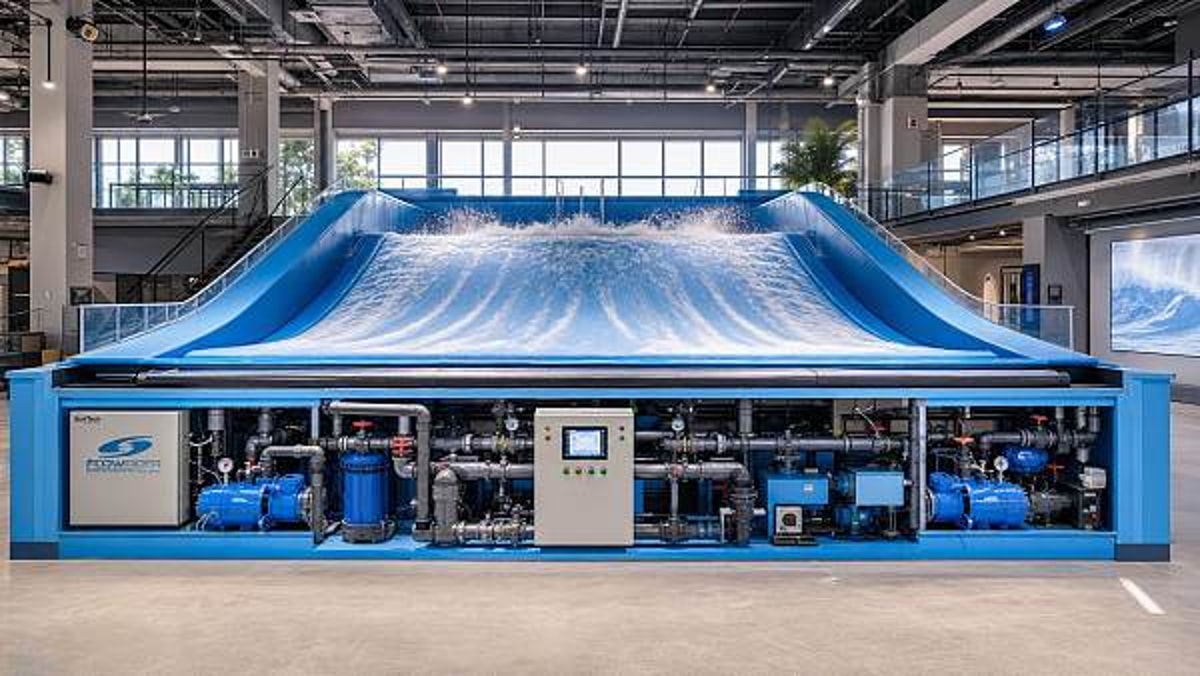
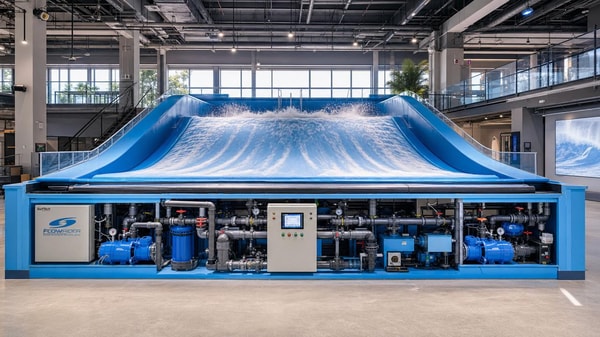
First, water management has become a larger cost center. A surf simulator machine depends on high-volume water circulation, filtration, chemical balance, and pump performance. If the hydraulic design is inefficient or difficult to clean, maintenance labor rises. If water treatment components are undersized or proprietary, replacement intervals become more expensive. Water quality problems also accelerate wear on pumps, seals, nozzles, and ride surfaces.
Second, mechanical stress is becoming more important as venues demand longer daily operating hours. High-throughput attractions face repeated impact loads, vibration, and heavy use cycles. Components such as pumps, motors, bearings, liners, ride membranes, and control systems degrade faster when a unit is used continuously for commercial throughput rather than occasional promotional use.
Third, maintenance costs rise sharply when equipment design lacks service accessibility. A surf simulator machine may appear efficient on paper, but if technicians must remove multiple panels, disassemble surrounding structures, or rely on factory-only procedures for routine service, labor costs and downtime increase. In procurement terms, design for serviceability now matters almost as much as performance design.
Trend Signals Procurement Teams Should Notice
What Actually Makes a Surf Simulator Machine Expensive to Maintain
The biggest maintenance costs usually come from a combination of engineering intensity and operational dependency. A surf simulator machine is expensive to maintain when several high-risk systems interact at once: water flow, rider safety, mechanical motion, electrical control, and surface durability. If one system underperforms, the effects spread quickly to the others.
1. High-performance pump and flow systems
Creating a stable wave or sheet flow requires powerful pumping systems. These systems consume energy, generate heat, and operate under continuous load. When pumps are oversized, poorly matched, or difficult to service, maintenance expenses rise through bearing wear, seal replacement, motor issues, and emergency shutdowns. For many operators, the pump room is where long-term cost becomes most visible.
2. Specialized ride surfaces and consumable components
Ride surfaces absorb repeated rider impact and constant water exposure. Some materials last well under commercial conditions; others require frequent patching, resurfacing, or full replacement. A surf simulator machine that relies on custom membranes, liners, coatings, or foam structures may perform impressively, but procurement teams should calculate replacement cycles carefully. Consumables can turn a low upfront price into a high operational burden.
3. Proprietary control architecture
Control systems are increasingly digital, with sensors, automation, remote diagnostics, and safety interlocks. This is a positive trend when support is strong. However, if a surf simulator machine uses closed software, unique boards, or supplier-exclusive programming tools, even minor faults may require factory intervention. That increases service cost and extends downtime, especially for international buyers.
4. Safety-related inspection and compliance obligations
As venues become more professionalized, maintenance is no longer just repair work. It includes documented inspections, staff training, emergency stop verification, water hygiene control, and routine testing. The more complex the safety architecture of a surf simulator machine, the more structured the maintenance program must be. That is not necessarily a negative sign, but it must be budgeted correctly.
5. Limited spare parts ecosystems
One of the clearest warning signals in procurement is dependence on a narrow spare parts channel. If key parts are only available from one factory, one region, or one distributor, the machine becomes expensive to maintain not because every part is costly, but because every delay is costly. Lost operating days often exceed the value of the component itself.
Why These Changes Affect Different Buyers in Different Ways
Not every operator experiences maintenance pressure in the same way. The business model behind the attraction changes the risk profile.
The Market Is Rewarding Serviceable Design, Not Just Spectacle
A clear industry direction is emerging: buyers increasingly prefer a surf simulator machine that is easier to service, easier to document, and easier to support regionally. This does not mean high-performance designs are losing relevance. It means performance alone is no longer enough. Suppliers that can prove maintainability are better positioned in serious procurement discussions.
In practical terms, maintainability now includes modular component access, transparent spare parts lists, realistic preventive maintenance intervals, local technician training, and remote troubleshooting capability. These are becoming competitive advantages. In many commercial projects, they are also decision accelerators because procurement teams can explain them clearly to finance, operations, and risk stakeholders.
How Procurement Teams Should Evaluate Maintenance Risk Before Purchase
A more disciplined sourcing process can reduce surprises later. When comparing a surf simulator machine, buyers should move beyond general warranty claims and ask for operating evidence.
- Request preventive maintenance schedules by daily, weekly, monthly, and annual tasks.
- Ask which components are consumables, their expected life, and whether they are stocked regionally.
- Clarify whether pumps, motors, sensors, and control elements are standard industrial parts or supplier-exclusive items.
- Review technician training requirements and whether in-house teams can handle first-line service.
- Confirm water treatment design, filtration capacity, and cleaning access points.
- Evaluate response time for emergency technical support across your operating region.
These questions matter because a surf simulator machine may appear similar across suppliers at the concept level, while maintenance reality differs significantly once it enters full commercial use.
What Signals Suggest Lower Long-Term Maintenance Burden
Buyers should look for signals of operational maturity rather than marketing language alone. Positive signs include documented maintenance case studies, clear parts diagrams, realistic service intervals, transparent utility requirements, and references from comparable venues with similar visitor volume. If a supplier can explain not only how the surf simulator machine performs, but also how it fails, how it is repaired, and how quickly it returns to service, that usually indicates stronger long-term support capability.
Another useful signal is whether the supplier discusses lifecycle planning early in the sales process. Mature manufacturers understand that procurement teams need total cost visibility. They are usually prepared to discuss wear items, software support, upgrade paths, and service training without hesitation.
Looking Ahead: Maintenance Will Influence Buying Decisions Even More
The direction of the market suggests that maintenance cost will become even more central in surf simulator machine procurement. Rising operating expenses, stronger compliance expectations, and a greater focus on uptime all push buyers toward lifecycle-based sourcing. At the same time, digital monitoring, remote diagnostics, and modular service design may gradually reduce some maintenance burdens for well-engineered systems.
That means the procurement opportunity is not simply to find the lowest-maintenance machine in theory. It is to identify the surf simulator machine whose maintenance model best fits the venue’s staffing, technical capability, operating intensity, and service geography.
Final Sourcing Guidance for Commercial Buyers
If your team is evaluating a surf simulator machine, the most important next step is to test maintenance assumptions before signing, not after installation. Compare suppliers by lifecycle evidence, not brochure claims. Ask what has changed in service requirements over time, which components drive the highest annual cost, and how downtime is actually handled in live venues. Those answers will often tell you more than the purchase quote itself.
For organizations that want to judge the long-term fit of a surf simulator machine, the key questions are straightforward: How complex is the water and mechanical system? How accessible are routine service points? How dependent is the machine on proprietary parts and factory intervention? And can the supplier support your operation at commercial speed? When those issues are clarified early, procurement decisions become more accurate, more defensible, and far more resilient over the life of the asset.
Search News
Hot Articles
Popular Tags
Need ExpertConsultation?
Connect with our specialized leisureengineering team for procurementstrategies.
Recommended News
 May 07, 2026EU Tightens Phthalates Testing for VR Sportswear, REACH Rescreening Hits Chinese ExportsEU tightens phthalates testing for VR sportswear—REACH rescreening impacts Chinese OEMs. Act now to avoid Q3 2026 export delays & penalties.● Theme Park Strategist
 May 07, 2026VR Simulator Rides: Why Repeat Visits Drop After the First MonthVR simulator rides often lose repeat traffic after launch. Discover the real causes behind the first-month drop and how buyers can choose higher-retention, revenue-ready attractions.● Theme Park Strategist
 May 07, 2026Arcade Game Machines Wholesale: Which Units Need Less Service?Arcade game machines wholesale guide: discover which units need less service, reduce downtime, cut maintenance costs, and choose reliable machines for better long-term ROI.● Theme Park Strategist
 May 07, 20269D VR Cinema Equipment That Looks Impressive but Ages Fast9D VR cinema equipment may wow at first, but some systems age fast. Discover how to avoid high maintenance, outdated features, and weak ROI before you buy.● Theme Park Strategist
 May 07, 2026Laser Tag Equipment OEM: What to Confirm Before Custom ProductionLaser tag equipment OEM buyers should confirm hardware durability, software integration, RF reliability, compliance, and service support before custom production. Read the key checks now.● Theme Park Strategist
 May 07, 2026Claw Crane Machines That Earn Well Often Share These TraitsClaw crane machines that earn well often share durable hardware, smart settings, strong visual appeal, and prize strategies that boost replay, traffic, and long-term revenue.● Theme Park Strategist
 May 07, 2026What Makes a Surf Simulator Machine Expensive to Maintain?Surf simulator machine maintenance costs come from pumps, water systems, wear parts, safety checks, and spare parts access. Learn how to compare suppliers and reduce long-term operating risk.● Theme Park Strategist
 May 07, 2026VR Simulator Rides: Why Repeat Visits Drop After the First MonthVR simulator rides often lose repeat traffic after launch. Discover the real causes behind the first-month drop and how buyers can choose higher-retention, revenue-ready attractions.● Theme Park Strategist
 May 07, 2026Arcade Game Machines Wholesale: Which Units Need Less Service?Arcade game machines wholesale guide: discover which units need less service, reduce downtime, cut maintenance costs, and choose reliable machines for better long-term ROI.● Theme Park Strategist
 May 07, 20269D VR Cinema Equipment That Looks Impressive but Ages Fast9D VR cinema equipment may wow at first, but some systems age fast. Discover how to avoid high maintenance, outdated features, and weak ROI before you buy.● Theme Park Strategist
 May 07, 2026Laser Tag Equipment OEM: What to Confirm Before Custom ProductionLaser tag equipment OEM buyers should confirm hardware durability, software integration, RF reliability, compliance, and service support before custom production. Read the key checks now.● Theme Park Strategist
 May 07, 2026Claw Crane Machines That Earn Well Often Share These TraitsClaw crane machines that earn well often share durable hardware, smart settings, strong visual appeal, and prize strategies that boost replay, traffic, and long-term revenue.● Theme Park Strategist
 May 07, 2026What Makes a Surf Simulator Machine Expensive to Maintain?Surf simulator machine maintenance costs come from pumps, water systems, wear parts, safety checks, and spare parts access. Learn how to compare suppliers and reduce long-term operating risk.● Theme Park Strategist
 May 06, 2026EU Proposes Stricter Phthalate Testing for VR Haptic SuitsEU proposes stricter phthalate testing for VR haptic suits—DEHP, BBP, DBP, DIBP limits now target smart athletic apparel. Act now to avoid EU shipment delays & rejections.● Theme Park Strategist
 May 05, 2026EU Tightens REACH Rules for Sportswear Colorfastness & PhthalatesEU tightens REACH rules for sportswear: stricter phthalates limits (0.01%) & mandatory colorfastness testing — critical for VR haptic suits, smart athletic apparel & esports wear exporters.● Theme Park Strategist
 May 04, 2026Tianma Sports’ 0.42‰ Complaint Rate Sets New B2B Quality BenchmarkTianma Sports’ 0.42‰ complaint rate redefines B2B quality in sportswear—backed by pre-shipment risk control, QR traceability & 3-tier QC. See why global buyers are benchmarking against it.● Theme Park Strategist
 May 03, 2026NBA VR Viewing Pods Face NTSC Compatibility Demand in Latin AmericaNBA VR viewing pods face urgent NTSC compatibility demands in Latin America—learn how manufacturers, certifiers, and channel partners can respond fast.● Theme Park Strategist
 May 03, 2026Guangdong Super League VR Booth Drives SEA InquiriesGuangdong Super League VR booth sparks 17 SEA distributor inquiries—focus on Tagalog/Vietnamese UI, offline stability & PSE/PSB certification readiness.● Theme Park Strategist
 May 02, 2026Langlangshan VR Attractions Seek PEGI 12+ Certification After Annecy NominationLanglangshan VR Attractions seek PEGI 12+ certification after Annecy nomination—key for EU theme parks, VR hardware vendors & IP licensors targeting compliant immersive experiences.● Theme Park Strategist
 May 02, 2026Wu Yize’s World Snooker Championship Run Boosts VR Viewing Pod DemandVR viewing pod demand surges 210% amid Wu Yize’s World Snooker Championship semi-final run — key for hotels, bars & esports venues seeking certified immersive solutions.● Theme Park Strategist
 May 01, 2026Langlangshan VR Rides Gain IP Licensing Momentum After Annecy InclusionLanglangshan VR Rides: IP licensing surges after Annecy 2026 selection—unlock co-dev opportunities for VR arcade & motion-based systems in SEA/LATAM.● Theme Park Strategist
 May 01, 2026Volvo China Open Boosts Golf Simulator Exports to Middle EastVolvo China Open drives Middle East demand for certified golf simulators — USGA/EGF-compliant, Arabic UI, and rapid-delivery indoor simulation systems now in high inquiry.● Theme Park Strategist
 May 01, 2026Wu Yize vs. Selby Sparks VR Viewing Booth Export SurgeWu Yize vs. Selby Sparks VR Viewing Booth Export Surge: CE/UKCA-compliant VR cabins see 210% export inquiry surge amid snooker-driven global demand.● Theme Park Strategist
 Apr 30, 2026VR Sports Viewing Capsules Face New EU Latency Rules Post-PSG–Bayern MatchVR Sports Viewing Capsules face new EU latency rules after PSG–Bayern’s record 12-goal match — discover how ≤80ms RED compliance impacts exporters, OEMs & AI-driven live sports tech.● Theme Park Strategist