EU Tightens Phthalates Testing for VR Sportswear, REACH Rescreening Hits Chinese Exports
On May 6, 2026, the European Chemicals Agency (ECHA) updated its REACH enforcement guidance to explicitly include VR-enabled motion-sensing sportswear and smart fitness apparel — particularly those containing elastic fibers — in its targeted phthalates screening list. This development directly affects manufacturers in Guangdong and Zhejiang provinces supplying over 120 OEM facilities for VR-integrated athletic wear, triggering a wave of mandatory third-party REACH retesting ahead of Q3 2026.
Event Overview
On May 6, 2026, the European Chemicals Agency (ECHA) published an update to its REACH regulation enforcement guidance. The update specifies that VR immersive sportswear and smart fitness compression garments — especially those incorporating elastomeric fibers — are now subject to mandatory phthalates (phthalate esters) screening under REACH Annex XVII. Effective from Q3 2026, all new export batches destined for the EU must be accompanied by full phthalates test reports issued by ISO/IEC 17025-accredited laboratories.
Industries Affected
Contract Manufacturing Firms (OEM/ODM)
These firms — concentrated in Guangdong and Zhejiang — produce VR-integrated sportswear for international brands. They are directly impacted because compliance responsibility now rests with the exporter of record, and many lack in-house chemical testing protocols or documented material declarations for elastic components (e.g., TPU-coated spandex, thermoplastic elastomer laminates). Impact manifests as delayed shipments, increased lab costs, and potential order cancellations if reports are unavailable by Q3 2026.
Raw Material Suppliers
Suppliers of elastic yarns, coated fabrics, and sensor-integrated trims face heightened scrutiny: downstream clients are now requesting full phthalates declarations (including DEHP, BBP, DBP, DIBP) for every lot supplied. Absence of such documentation may lead to rejection at the fabric or trim level — even if final garment testing passes — due to traceability requirements under REACH Article 33.
Export Trading Companies & Brand Importers
Trading companies acting as EU-based importers (e.g., “Only Representative” or OR-appointed entities) bear legal liability for REACH compliance. They must verify report authenticity, ensure alignment between declared materials and tested samples, and retain records for 10 years. Failure to do so risks customs detention and non-compliance penalties under EU Regulation (EC) No 1907/2006.
What Stakeholders Should Monitor and Do Now
Track official ECHA guidance updates and national transposition timelines
The May 6, 2026 update is a guidance revision — not a formal annex amendment. Member States may implement enforcement with slight variations in timing or sampling frequency. Stakeholders should monitor national competent authorities’ (e.g., Germany’s BAuA, France’s ANSES) notices for operational details on sampling scope and enforcement start dates.
Prioritize verification for high-risk product categories and components
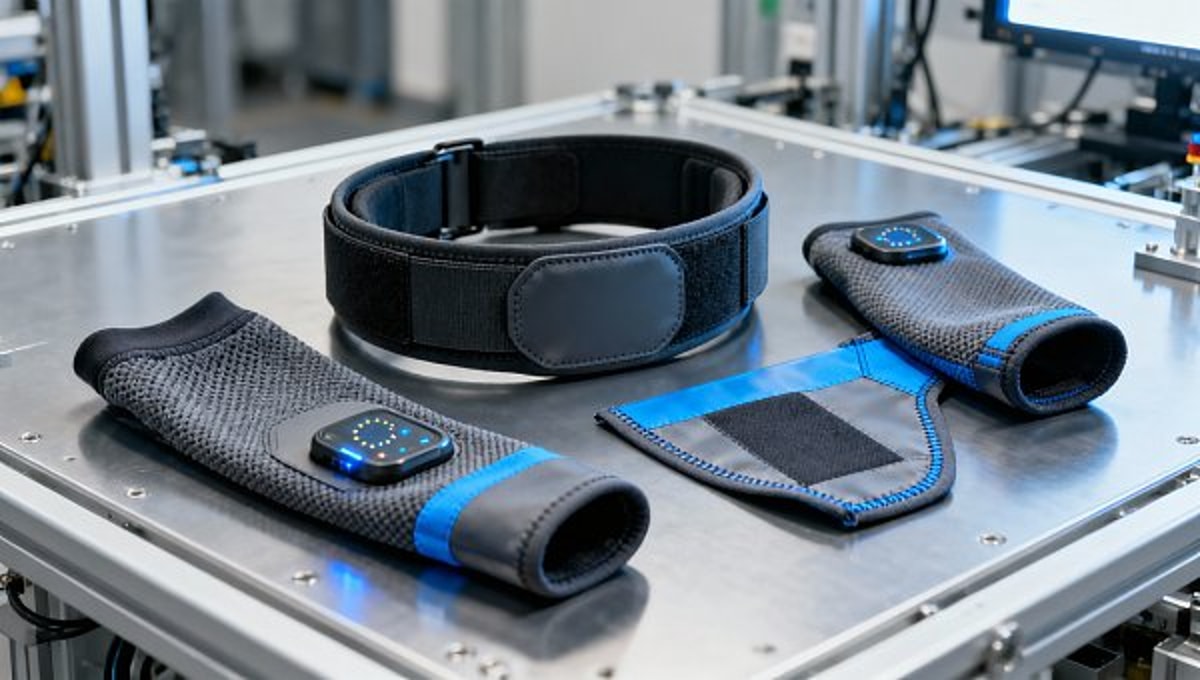
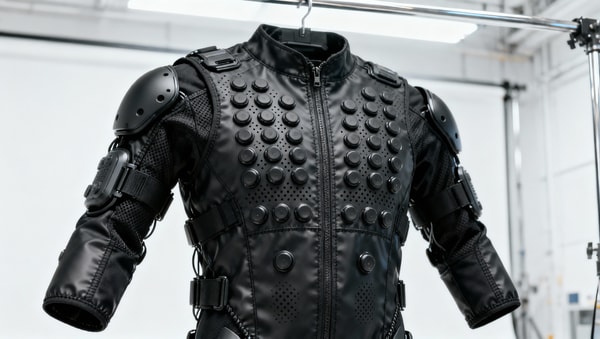
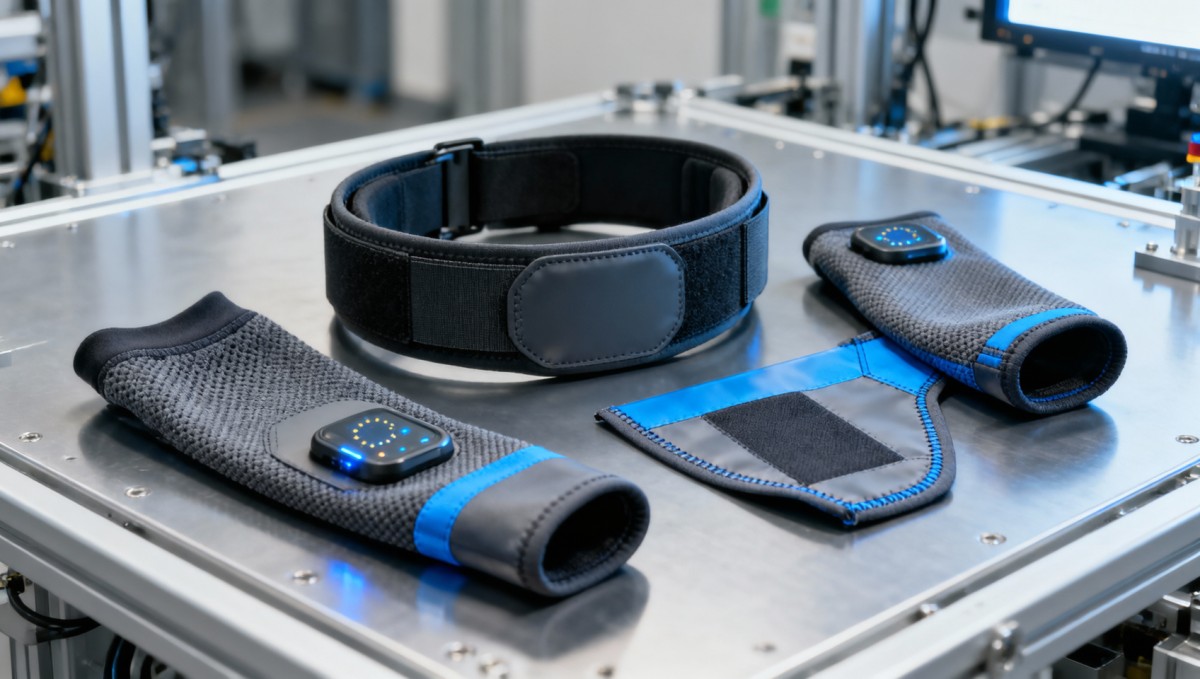
VR sportswear with integrated haptic feedback modules, heat-sealed seams, or PVC/TPU-laminated zones carries elevated phthalates risk. Focus initial testing on elastic waistbands, sleeve cuffs, sensor housing gaskets, and any thermoplastic-bonded layers — not just the main fabric.
Distinguish regulatory signal from immediate operational requirement
While the Q3 2026 deadline applies to new batches, existing inventory shipped before that date is not retroactively subject to this guidance — unless imported after Q3 and held in EU bonded warehouses. Companies should confirm shipment dates and customs clearance windows with logistics partners to avoid unintended non-compliance.
Initiate supplier engagement and internal documentation upgrades
Manufacturers should request updated Declarations of Conformity (DoC) and substance-level data sheets from all raw material suppliers — especially for elastomers and coatings. Internally, revise bill-of-materials (BOM) templates to flag phthalates-relevant components and assign internal REACH coordinators to manage lab report archiving and audit readiness.
Editorial Perspective / Industry Observation
This update is best understood as a regulatory signal — not yet a binding legal change — but one with high enforcement likelihood. Analysis shows ECHA is progressively narrowing REACH enforcement to functional subcategories within broader textile classifications, moving beyond generic ‘clothing’ toward performance-driven use cases (e.g., VR interaction, biometric feedback). Observably, this reflects growing attention to chemical exposure pathways unique to wearable tech: repeated skin contact, localized heating, and mechanical stress that may accelerate phthalates migration. From an industry perspective, it signals a shift toward component-level accountability rather than finished-product-only assessment — a trend likely to extend to other restricted substances (e.g., PFAS, NPEs) in upcoming guidance revisions.
Conclusion
This development underscores that REACH compliance for smart apparel is evolving from a static certification exercise into an ongoing supply chain governance process. It does not represent an abrupt policy reversal, but rather a targeted calibration of enforcement focus — one that elevates traceability, material transparency, and pre-shipment verification as non-negotiable elements for EU market access. Current interpretation should emphasize preparedness over panic: the timeline allows for structured response, but delay in documentation alignment or supplier coordination will compound operational risk.
Information Sources
Primary source: European Chemicals Agency (ECHA), REACH Enforcement Guidance Update, published May 6, 2026.
Note: Implementation timelines, national enforcement interpretations, and possible future annex amendments remain under observation and are not yet confirmed.
Search News
Hot Articles
Popular Tags
Need ExpertConsultation?
Connect with our specialized leisureengineering team for procurementstrategies.
Recommended News
 May 07, 2026EU Tightens Phthalates Testing for VR Sportswear, REACH Rescreening Hits Chinese ExportsEU tightens phthalates testing for VR sportswear—REACH rescreening impacts Chinese OEMs. Act now to avoid Q3 2026 export delays & penalties.● Theme Park Strategist
 May 07, 2026VR Simulator Rides: Why Repeat Visits Drop After the First MonthVR simulator rides often lose repeat traffic after launch. Discover the real causes behind the first-month drop and how buyers can choose higher-retention, revenue-ready attractions.● Theme Park Strategist
 May 07, 2026Arcade Game Machines Wholesale: Which Units Need Less Service?Arcade game machines wholesale guide: discover which units need less service, reduce downtime, cut maintenance costs, and choose reliable machines for better long-term ROI.● Theme Park Strategist
 May 07, 20269D VR Cinema Equipment That Looks Impressive but Ages Fast9D VR cinema equipment may wow at first, but some systems age fast. Discover how to avoid high maintenance, outdated features, and weak ROI before you buy.● Theme Park Strategist
 May 07, 2026Laser Tag Equipment OEM: What to Confirm Before Custom ProductionLaser tag equipment OEM buyers should confirm hardware durability, software integration, RF reliability, compliance, and service support before custom production. Read the key checks now.● Theme Park Strategist
 May 07, 2026Claw Crane Machines That Earn Well Often Share These TraitsClaw crane machines that earn well often share durable hardware, smart settings, strong visual appeal, and prize strategies that boost replay, traffic, and long-term revenue.● Theme Park Strategist
 May 07, 2026What Makes a Surf Simulator Machine Expensive to Maintain?Surf simulator machine maintenance costs come from pumps, water systems, wear parts, safety checks, and spare parts access. Learn how to compare suppliers and reduce long-term operating risk.● Theme Park Strategist
 May 07, 2026VR Simulator Rides: Why Repeat Visits Drop After the First MonthVR simulator rides often lose repeat traffic after launch. Discover the real causes behind the first-month drop and how buyers can choose higher-retention, revenue-ready attractions.● Theme Park Strategist
 May 07, 2026Arcade Game Machines Wholesale: Which Units Need Less Service?Arcade game machines wholesale guide: discover which units need less service, reduce downtime, cut maintenance costs, and choose reliable machines for better long-term ROI.● Theme Park Strategist
 May 07, 20269D VR Cinema Equipment That Looks Impressive but Ages Fast9D VR cinema equipment may wow at first, but some systems age fast. Discover how to avoid high maintenance, outdated features, and weak ROI before you buy.● Theme Park Strategist
 May 07, 2026Laser Tag Equipment OEM: What to Confirm Before Custom ProductionLaser tag equipment OEM buyers should confirm hardware durability, software integration, RF reliability, compliance, and service support before custom production. Read the key checks now.● Theme Park Strategist
 May 07, 2026Claw Crane Machines That Earn Well Often Share These TraitsClaw crane machines that earn well often share durable hardware, smart settings, strong visual appeal, and prize strategies that boost replay, traffic, and long-term revenue.● Theme Park Strategist
 May 07, 2026What Makes a Surf Simulator Machine Expensive to Maintain?Surf simulator machine maintenance costs come from pumps, water systems, wear parts, safety checks, and spare parts access. Learn how to compare suppliers and reduce long-term operating risk.● Theme Park Strategist
 May 06, 2026EU Proposes Stricter Phthalate Testing for VR Haptic SuitsEU proposes stricter phthalate testing for VR haptic suits—DEHP, BBP, DBP, DIBP limits now target smart athletic apparel. Act now to avoid EU shipment delays & rejections.● Theme Park Strategist
 May 05, 2026EU Tightens REACH Rules for Sportswear Colorfastness & PhthalatesEU tightens REACH rules for sportswear: stricter phthalates limits (0.01%) & mandatory colorfastness testing — critical for VR haptic suits, smart athletic apparel & esports wear exporters.● Theme Park Strategist
 May 04, 2026Tianma Sports’ 0.42‰ Complaint Rate Sets New B2B Quality BenchmarkTianma Sports’ 0.42‰ complaint rate redefines B2B quality in sportswear—backed by pre-shipment risk control, QR traceability & 3-tier QC. See why global buyers are benchmarking against it.● Theme Park Strategist
 May 03, 2026NBA VR Viewing Pods Face NTSC Compatibility Demand in Latin AmericaNBA VR viewing pods face urgent NTSC compatibility demands in Latin America—learn how manufacturers, certifiers, and channel partners can respond fast.● Theme Park Strategist
 May 03, 2026Guangdong Super League VR Booth Drives SEA InquiriesGuangdong Super League VR booth sparks 17 SEA distributor inquiries—focus on Tagalog/Vietnamese UI, offline stability & PSE/PSB certification readiness.● Theme Park Strategist
 May 02, 2026Langlangshan VR Attractions Seek PEGI 12+ Certification After Annecy NominationLanglangshan VR Attractions seek PEGI 12+ certification after Annecy nomination—key for EU theme parks, VR hardware vendors & IP licensors targeting compliant immersive experiences.● Theme Park Strategist
 May 02, 2026Wu Yize’s World Snooker Championship Run Boosts VR Viewing Pod DemandVR viewing pod demand surges 210% amid Wu Yize’s World Snooker Championship semi-final run — key for hotels, bars & esports venues seeking certified immersive solutions.● Theme Park Strategist
 May 01, 2026Langlangshan VR Rides Gain IP Licensing Momentum After Annecy InclusionLanglangshan VR Rides: IP licensing surges after Annecy 2026 selection—unlock co-dev opportunities for VR arcade & motion-based systems in SEA/LATAM.● Theme Park Strategist
 May 01, 2026Volvo China Open Boosts Golf Simulator Exports to Middle EastVolvo China Open drives Middle East demand for certified golf simulators — USGA/EGF-compliant, Arabic UI, and rapid-delivery indoor simulation systems now in high inquiry.● Theme Park Strategist
 May 01, 2026Wu Yize vs. Selby Sparks VR Viewing Booth Export SurgeWu Yize vs. Selby Sparks VR Viewing Booth Export Surge: CE/UKCA-compliant VR cabins see 210% export inquiry surge amid snooker-driven global demand.● Theme Park Strategist
 Apr 30, 2026VR Sports Viewing Capsules Face New EU Latency Rules Post-PSG–Bayern MatchVR Sports Viewing Capsules face new EU latency rules after PSG–Bayern’s record 12-goal match — discover how ≤80ms RED compliance impacts exporters, OEMs & AI-driven live sports tech.● Theme Park Strategist