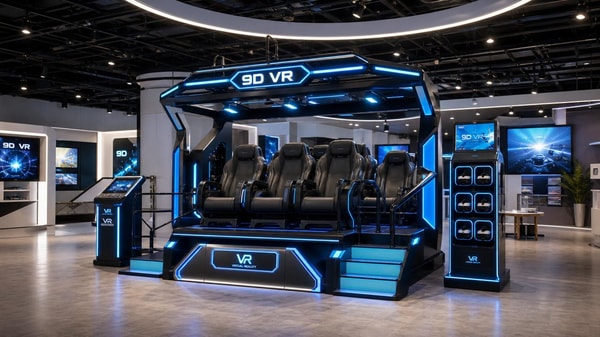
9D VR Cinema Equipment That Looks Impressive but Ages Fast
9D VR cinema equipment can create a striking first impression with motion seats, immersive effects, and futuristic styling, but not every setup is built for long-term value. For buyers researching commercial entertainment solutions, understanding why some systems age quickly is essential to avoiding high maintenance costs, outdated features, and weak ROI. This guide explores what makes certain products look impressive at launch yet lose appeal over time.
Understanding What 9D VR Cinema Equipment Really Includes
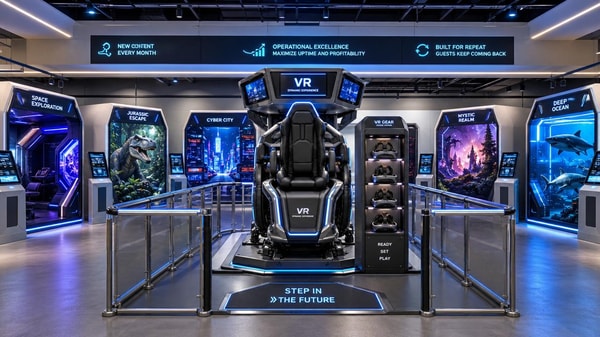
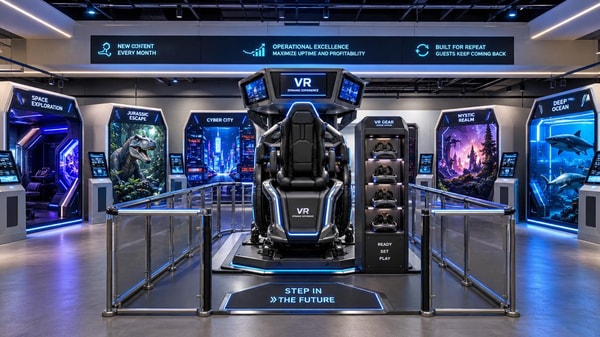
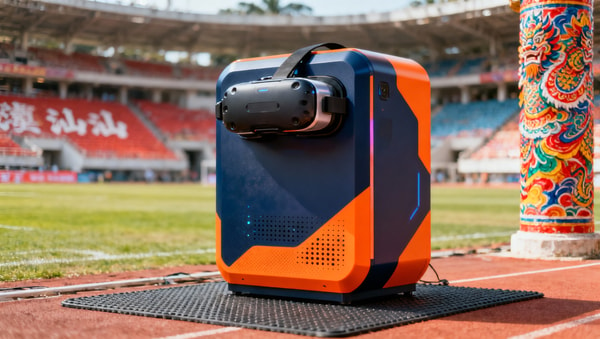
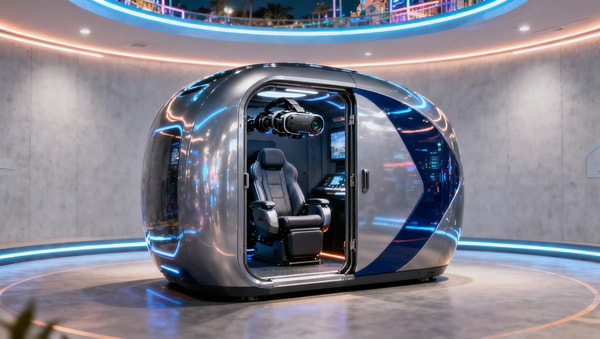
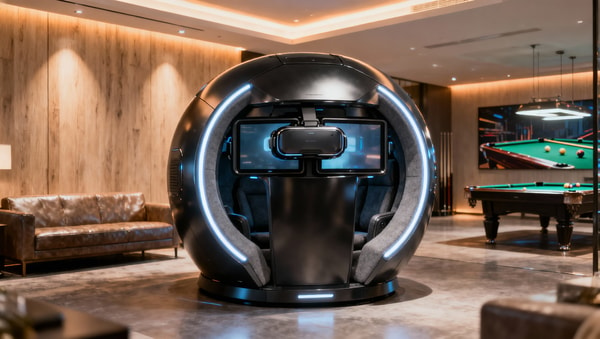
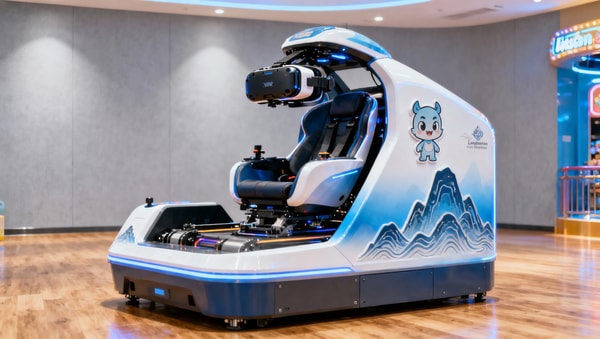
In commercial terms, 9D VR cinema equipment usually refers to a packaged entertainment system that combines virtual reality headsets, motion platforms or dynamic seats, environmental effects, and preloaded content into a compact attraction. The “9D” label is mostly a market-facing term rather than a strict technical standard. It often suggests a layered experience that goes beyond visuals and audio by adding vibration, wind, leg ticklers, flashing lights, or synchronized seat movement.
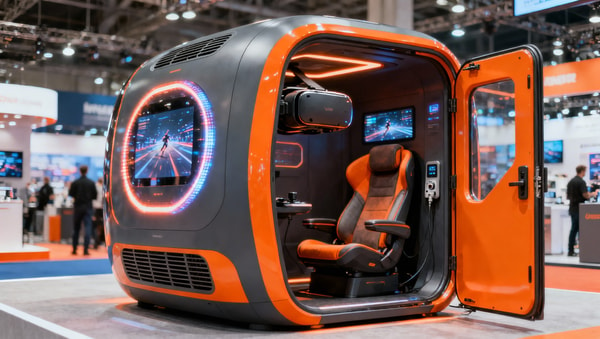
For information researchers, this distinction matters. A product may look advanced because it uses dramatic design language, LED lighting, racing-style shells, or cinematic branding, yet the real business value comes from build quality, content refresh capability, software stability, serviceability, and user throughput. In other words, the visible “wow factor” and the operational lifespan are not always aligned.
This is why 9D VR cinema equipment receives so much attention across amusement, leisure, and mixed-use commercial spaces. It sits at the intersection of immersive entertainment, experiential consumption, and compact attraction design. However, the same features that make a unit eye-catching on day one can also make it vulnerable to rapid aging if they are not supported by sound engineering and a long-term operating model.
Why the Industry Pays Attention to Fast Aging Systems
The broader commercial entertainment market has shifted from novelty-first buying to lifecycle-focused evaluation. Operators of family entertainment centers, shopping malls, arcade venues, tourism sites, and multi-use leisure facilities no longer assess attractions only by launch-day excitement. They also ask how quickly a product will feel outdated, how often it breaks down, whether content can be refreshed, and how easily replacement parts can be sourced internationally.
In this context, some 9D VR cinema equipment ages fast because it is optimized for display appeal rather than sustained commercial use. Suppliers may invest heavily in exterior styling but less in headset upgrade paths, safety systems, control software, or modular maintenance design. As a result, operators discover that after a short period the attraction still looks large and expensive, but customer excitement drops, downtime increases, and ticket conversion weakens.
For global sourcing platforms and B2B buyers, this is not a minor issue. It affects capital efficiency, brand image, safety perception, and the quality of the overall commercial experience. In high-standard sectors, a visually dramatic installation that becomes unreliable within a year can create more operational friction than value.
Common Reasons 9D VR Cinema Equipment Looks Impressive but Ages Poorly
The fastest-aging systems often share the same pattern: they are built to attract attention quickly, but not to remain relevant under real commercial pressure. Several factors usually explain the gap.
Heavy visual styling, limited technical depth
A cabinet can look futuristic while using low-grade seat mechanisms, unstable synchronization logic, or difficult-to-service electronics. Once the novelty fades, operators are left with a product whose appearance exceeds its engineering quality.
Closed content ecosystems
Many 9D VR cinema equipment packages ship with a small content library and no practical expansion path. If new films, game modules, or licensed experiences cannot be added easily, repeat visitors lose interest. In immersive attractions, stale content can age a product faster than cosmetic wear.
Consumer hardware dependence
Some systems rely on headsets or controllers that are consumer-oriented rather than commercial-grade. These may become obsolete quickly, suffer hygiene concerns, or lack long-term support. When replacement cycles are short and compatibility is uncertain, the overall installation ages with the accessory ecosystem.
Overcomplicated effect modules
Special effects such as wind, water spray, vibration, lighting, and impact feedback can be effective, but too many fragile components raise maintenance frequency. If these systems fail often, the attraction loses immersion and may operate in a reduced-function mode that no longer justifies its premium image.
Poor ergonomics and throughput design
A large platform may photograph well for marketing, yet perform poorly during busy operations. Slow onboarding, difficult headset adjustment, or limited accessibility can reduce capacity and create customer friction. Commercial aging is not only physical; it also happens when the experience no longer fits current service expectations.
A Practical Industry Overview of Aging Risk Factors
For buyers reviewing 9D VR cinema equipment, it helps to separate visible attraction value from operational durability. The following table highlights common risk areas in a standard commercial evaluation framework.
Where 9D VR Cinema Equipment Can Still Deliver Real Business Value
Despite the risks, 9D VR cinema equipment remains relevant when matched to the right commercial context. It can be an effective anchor attraction where operators need a compact footprint, clear ticketed entertainment value, and a visually marketable immersive offering. The key is choosing systems with lifecycle logic rather than surface drama.
In shopping centers, these installations can add experiential traffic and support short-stay entertainment. In family entertainment centers, they work best as one element in a wider activity mix rather than as the sole premium attraction. In tourism and scenic destinations, they can extend dwell time and provide weather-independent engagement. In educational or themed visitor settings, they may also support story-driven content when the software environment is adaptable.
For these applications, long-term value comes from uptime, easy operation, repeatability, and audience fit. A smaller, well-supported system with updatable content may outperform a larger, flashier installation that becomes difficult to maintain after the initial launch period.
Typical Commercial Use Cases and What They Need Most
Different venues expect different outcomes from 9D VR cinema equipment. Understanding these distinctions helps researchers evaluate product suitability beyond generic specifications.
How to Evaluate Long-Term Relevance Before Committing
A sound review process should test whether 9D VR cinema equipment can retain value after the launch phase. Instead of focusing only on appearance, buyers should examine the product as an operating asset.
First, ask about the content roadmap. How many experiences are included, how often new titles are released, and whether licensing or customization is available can strongly influence long-term appeal. Second, review the upgrade path for the VR hardware. A good system should not become commercially obsolete just because one headset model is discontinued.
Third, inspect maintainability. Can seats, actuators, effect modules, and interface components be replaced individually? Are spare parts standardized? Is remote technical support available across time zones? Fourth, verify compliance and safety readiness, especially for international deployment in regulated public venues. This is particularly important for operators working in premium hospitality, branded leisure spaces, or high-footfall commercial projects.
Finally, evaluate whether the attraction’s aesthetic will still fit the venue in two or three years. Extremely trend-driven styling may look dated faster than a more neutral, integrated commercial design. In many cases, understated hardware with stronger software and support performs better over the lifecycle.
Strategic Considerations for Global Sourcing and Commercial Buyers
For international buyers, the challenge is not only choosing impressive 9D VR cinema equipment, but choosing a supplier ecosystem that can sustain it. This is where B2B intelligence matters. Vendor credibility should be assessed through project references, documentation discipline, manufacturing consistency, after-sales responsiveness, and clarity around OEM or ODM capabilities.
Commercial buyers should also consider how the attraction fits broader experiential strategy. Is the system meant to be a hero attraction, a supporting revenue generator, or a marketing-led engagement tool? The answer affects how much visual spectacle is actually necessary. Not every venue benefits from the biggest or most dramatic installation. Often, what matters most is stable performance, manageable staffing, and a user experience that stays relevant rather than merely loud.
In sectors shaped by experience quality, premiumization, and international standards, short-lived novelty is rarely enough. Sustainable immersive entertainment depends on balancing design appeal with technical resilience and service infrastructure.
Conclusion: Look Beyond the Launch-Day Wow Factor
9D VR cinema equipment can absolutely play a useful role in modern commercial entertainment, but only when buyers understand the difference between immediate visual impact and durable operating value. Systems that age fast usually reveal the same weaknesses: limited content evolution, fragile effect-heavy design, consumer-grade dependencies, and weak after-sales support.
For researchers, developers, and venue planners, the most effective approach is to assess 9D VR cinema equipment as a long-term business asset. That means reviewing content scalability, maintenance logic, hardware refresh options, compliance readiness, and supplier trustworthiness before being persuaded by appearance alone. In a market increasingly defined by professional sourcing and experience quality, the smartest decision is not the unit that looks most impressive today, but the one that still performs convincingly years after installation.
If your organization is comparing immersive attractions for hospitality, leisure, retail, or mixed-use commercial projects, a lifecycle-based evaluation framework will lead to stronger sourcing decisions and more dependable ROI. That is the standard worth applying before any 9D VR cinema equipment moves from showroom promise to real-world operation.
Search News
Hot Articles
Popular Tags
Need ExpertConsultation?
Connect with our specialized leisureengineering team for procurementstrategies.
Recommended News
 May 07, 2026EU Tightens Phthalates Testing for VR Sportswear, REACH Rescreening Hits Chinese ExportsEU tightens phthalates testing for VR sportswear—REACH rescreening impacts Chinese OEMs. Act now to avoid Q3 2026 export delays & penalties.● Theme Park Strategist
 May 07, 2026VR Simulator Rides: Why Repeat Visits Drop After the First MonthVR simulator rides often lose repeat traffic after launch. Discover the real causes behind the first-month drop and how buyers can choose higher-retention, revenue-ready attractions.● Theme Park Strategist
 May 07, 2026Arcade Game Machines Wholesale: Which Units Need Less Service?Arcade game machines wholesale guide: discover which units need less service, reduce downtime, cut maintenance costs, and choose reliable machines for better long-term ROI.● Theme Park Strategist
 May 07, 20269D VR Cinema Equipment That Looks Impressive but Ages Fast9D VR cinema equipment may wow at first, but some systems age fast. Discover how to avoid high maintenance, outdated features, and weak ROI before you buy.● Theme Park Strategist
 May 07, 2026Laser Tag Equipment OEM: What to Confirm Before Custom ProductionLaser tag equipment OEM buyers should confirm hardware durability, software integration, RF reliability, compliance, and service support before custom production. Read the key checks now.● Theme Park Strategist
 May 07, 2026Claw Crane Machines That Earn Well Often Share These TraitsClaw crane machines that earn well often share durable hardware, smart settings, strong visual appeal, and prize strategies that boost replay, traffic, and long-term revenue.● Theme Park Strategist
 May 07, 2026What Makes a Surf Simulator Machine Expensive to Maintain?Surf simulator machine maintenance costs come from pumps, water systems, wear parts, safety checks, and spare parts access. Learn how to compare suppliers and reduce long-term operating risk.● Theme Park Strategist
 May 07, 2026VR Simulator Rides: Why Repeat Visits Drop After the First MonthVR simulator rides often lose repeat traffic after launch. Discover the real causes behind the first-month drop and how buyers can choose higher-retention, revenue-ready attractions.● Theme Park Strategist
 May 07, 2026Arcade Game Machines Wholesale: Which Units Need Less Service?Arcade game machines wholesale guide: discover which units need less service, reduce downtime, cut maintenance costs, and choose reliable machines for better long-term ROI.● Theme Park Strategist
 May 07, 20269D VR Cinema Equipment That Looks Impressive but Ages Fast9D VR cinema equipment may wow at first, but some systems age fast. Discover how to avoid high maintenance, outdated features, and weak ROI before you buy.● Theme Park Strategist
 May 07, 2026Laser Tag Equipment OEM: What to Confirm Before Custom ProductionLaser tag equipment OEM buyers should confirm hardware durability, software integration, RF reliability, compliance, and service support before custom production. Read the key checks now.● Theme Park Strategist
 May 07, 2026Claw Crane Machines That Earn Well Often Share These TraitsClaw crane machines that earn well often share durable hardware, smart settings, strong visual appeal, and prize strategies that boost replay, traffic, and long-term revenue.● Theme Park Strategist
 May 07, 2026What Makes a Surf Simulator Machine Expensive to Maintain?Surf simulator machine maintenance costs come from pumps, water systems, wear parts, safety checks, and spare parts access. Learn how to compare suppliers and reduce long-term operating risk.● Theme Park Strategist
 May 06, 2026EU Proposes Stricter Phthalate Testing for VR Haptic SuitsEU proposes stricter phthalate testing for VR haptic suits—DEHP, BBP, DBP, DIBP limits now target smart athletic apparel. Act now to avoid EU shipment delays & rejections.● Theme Park Strategist
 May 05, 2026EU Tightens REACH Rules for Sportswear Colorfastness & PhthalatesEU tightens REACH rules for sportswear: stricter phthalates limits (0.01%) & mandatory colorfastness testing — critical for VR haptic suits, smart athletic apparel & esports wear exporters.● Theme Park Strategist
 May 04, 2026Tianma Sports’ 0.42‰ Complaint Rate Sets New B2B Quality BenchmarkTianma Sports’ 0.42‰ complaint rate redefines B2B quality in sportswear—backed by pre-shipment risk control, QR traceability & 3-tier QC. See why global buyers are benchmarking against it.● Theme Park Strategist
 May 03, 2026NBA VR Viewing Pods Face NTSC Compatibility Demand in Latin AmericaNBA VR viewing pods face urgent NTSC compatibility demands in Latin America—learn how manufacturers, certifiers, and channel partners can respond fast.● Theme Park Strategist
 May 03, 2026Guangdong Super League VR Booth Drives SEA InquiriesGuangdong Super League VR booth sparks 17 SEA distributor inquiries—focus on Tagalog/Vietnamese UI, offline stability & PSE/PSB certification readiness.● Theme Park Strategist
 May 02, 2026Langlangshan VR Attractions Seek PEGI 12+ Certification After Annecy NominationLanglangshan VR Attractions seek PEGI 12+ certification after Annecy nomination—key for EU theme parks, VR hardware vendors & IP licensors targeting compliant immersive experiences.● Theme Park Strategist
 May 02, 2026Wu Yize’s World Snooker Championship Run Boosts VR Viewing Pod DemandVR viewing pod demand surges 210% amid Wu Yize’s World Snooker Championship semi-final run — key for hotels, bars & esports venues seeking certified immersive solutions.● Theme Park Strategist
 May 01, 2026Langlangshan VR Rides Gain IP Licensing Momentum After Annecy InclusionLanglangshan VR Rides: IP licensing surges after Annecy 2026 selection—unlock co-dev opportunities for VR arcade & motion-based systems in SEA/LATAM.● Theme Park Strategist
 May 01, 2026Volvo China Open Boosts Golf Simulator Exports to Middle EastVolvo China Open drives Middle East demand for certified golf simulators — USGA/EGF-compliant, Arabic UI, and rapid-delivery indoor simulation systems now in high inquiry.● Theme Park Strategist
 May 01, 2026Wu Yize vs. Selby Sparks VR Viewing Booth Export SurgeWu Yize vs. Selby Sparks VR Viewing Booth Export Surge: CE/UKCA-compliant VR cabins see 210% export inquiry surge amid snooker-driven global demand.● Theme Park Strategist
 Apr 30, 2026VR Sports Viewing Capsules Face New EU Latency Rules Post-PSG–Bayern MatchVR Sports Viewing Capsules face new EU latency rules after PSG–Bayern’s record 12-goal match — discover how ≤80ms RED compliance impacts exporters, OEMs & AI-driven live sports tech.● Theme Park Strategist