Why pearl jewelry wholesale prices vary more than expected
Pearl jewelry wholesale prices often vary much more than buyers expect because pearls are not standardized commodities. Two necklaces may appear similar in photos, yet differ sharply in origin, surface quality, matching consistency, nacre thickness, and production method.
For information-focused buyers researching pearl jewelry wholesale, the key takeaway is simple: price gaps usually reflect hidden quality variables, supply chain choices, and manufacturing details rather than random supplier markups alone.
That matters because comparing quotes without understanding these variables can lead to inaccurate cost benchmarks, weak negotiations, and sourcing decisions that look efficient upfront but create margin or quality problems later.
What is the real search intent behind “pearl jewelry wholesale” price variation?
Most readers searching this topic are not looking for a basic definition of pearls. They want to understand why similar-looking wholesale products carry very different prices and how to judge whether a quote is reasonable.
They are typically comparing suppliers, planning a private-label line, evaluating MOQ-driven costs, or trying to avoid overpaying for inconsistent quality. In short, they want a practical pricing framework, not generic jewelry background.
That means the most useful article is one that explains the major price drivers, shows how hidden quality differences affect wholesale value, and helps buyers ask smarter sourcing questions before placing orders.
Why similar pearl jewelry can have very different wholesale prices
The biggest reason wholesale pricing varies is that pearls are organic gems with natural variation. Unlike machine-made components, no two pearls are perfectly identical, so quality sorting and matching directly affect cost.
At the wholesale level, the price is not based only on “pearl jewelry” as a category. It reflects a combination of raw pearl value, labor intensity, design execution, defect tolerance, and commercial order structure.
In other words, when one supplier quotes far below another, the difference may come from lower-grade material, looser matching standards, thinner nacre, simpler metal findings, or less stringent quality control.
Pearl type is often the first and biggest pricing variable
Not all pearls occupy the same market tier. Freshwater pearls, Akoya pearls, Tahitian pearls, and South Sea pearls differ significantly in rarity, cultivation conditions, average size, luster profile, and market positioning.
Freshwater pearls usually offer the widest price range in pearl jewelry wholesale because they are produced in high volume and can span from commercial-grade fashion quality to near-fine-jewelry quality.
Akoya pearls are typically valued for sharper luster and more classic round shapes, making them popular in premium bridal and timeless retail programs. Their more uniform appearance can push prices higher than entry-level freshwater options.
Tahitian and South Sea pearls generally command higher wholesale prices because of larger average sizes, lower production volumes, and stronger luxury perception. A quote involving these pearl types should never be compared directly with standard freshwater pricing.
For buyers, the lesson is clear: if suppliers do not specify pearl type precisely, any price comparison is incomplete from the start.
Grading standards are not universal, which creates pricing confusion
One of the most overlooked issues in pearl jewelry wholesale is that grading language is not fully standardized across all suppliers. Terms such as AAA, AAAA, or premium may sound comparable, but often reflect internal systems.
That means two vendors can both describe a strand as “AAA” while offering very different levels of luster, cleanliness, shape consistency, and matching precision. The label alone does not guarantee equivalent quality.
Buyers should therefore look beyond simple grade tags and request specification details. Important criteria include luster strength, surface blemish ratio, shape classification, nacre quality, and color consistency within a lot.
If one quotation seems unusually low, the issue may not be supplier efficiency alone. It may reflect more generous defect tolerance or weaker grading discipline, both of which affect resale value and customer satisfaction.
Luster, surface quality, and nacre thickness change value fast
Among visual quality factors, luster is one of the strongest drivers of pearl pricing. Pearls with bright, sharp, reflective luster tend to look more premium and command higher wholesale values than duller material.
Surface quality also matters because natural pearls often contain spots, pits, wrinkles, or growth marks. Cleaner surfaces are harder to source in bulk, especially when uniformity is required across matched pieces.
Nacre thickness is another crucial but less visible factor. Thicker nacre usually supports better durability and a richer appearance, while thin nacre may reduce longevity and premium feel even if the item photographs well.
These details explain why low-cost offers can look attractive online yet underperform during in-person inspection. For serious sourcing, close-up video, macro photography, and sample evaluation are far more useful than descriptive claims.
Size and shape have a major impact on wholesale cost
Pearl size affects price in a non-linear way. As pearls become larger, they often become significantly more expensive because larger high-quality pearls are less common and harder to match consistently.
Shape matters as well. Near-round and round pearls usually carry a premium, especially in classic necklaces and earrings where symmetry strongly influences commercial appeal. Baroque or off-round pearls can reduce costs while supporting trend-led design stories.
For buyers developing a line, this opens an important strategic choice. If target customers value uniqueness and design character, baroque pearls may offer stronger margin flexibility than insisting on perfectly round matching sets.
So price variation is not always a warning sign. Sometimes it simply reflects different product positioning, from accessible fashion assortment to higher-end refined jewelry programs.
Color consistency and matching precision are expensive at scale
Matching is one of the least visible but most costly parts of pearl jewelry production. Even when pearls come from the same type and size range, aligning color tone, overtone, luster, and shape for a finished strand takes time and labor.
This is especially important for multi-piece programs, bridal assortments, and branded collections where consistency across SKUs matters. The more exact the matching requirement, the higher the labor and sorting cost.
A cheaper quote may therefore indicate broader tolerance for variation between pairs, strands, or production batches. That may be acceptable for artisanal or casual collections, but it becomes risky for standardized retail lines.
When evaluating suppliers, ask whether the quote includes strict pair matching, strand graduation control, and repeatable color consistency across future reorders. These details affect long-term supply reliability as much as initial cost.
Origin and supply chain structure influence price beyond material quality
Pearl origin can affect price because different producing regions have distinct output levels, reputation, farming conditions, and market demand. However, origin alone should not be treated as a shortcut for quality.
More important in wholesale is how the supply chain is organized. A vertically integrated supplier with direct access to farms, sorting, assembly, and export may price more competitively than a trader working through several intermediaries.
At the same time, lower pricing from a shorter supply chain does not always mean lower quality. In some cases, it reflects stronger control over sourcing and production rather than corner-cutting.
That is why buyers should separate two questions: first, what quality level is being offered; second, how many layers of margin exist between cultivation and final export quote.
Jewelry components and craftsmanship can quietly reshape the quote
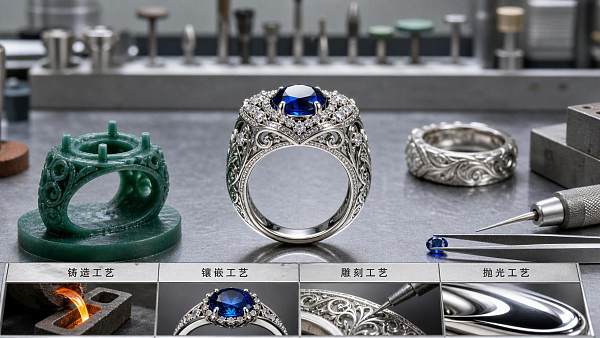
Many buyers focus on the pearls themselves but underestimate how much the finished jewelry structure affects wholesale pricing. Metal type, plating thickness, clasp quality, chain weight, stone accents, and hand-finishing all add cost.
A pearl necklace with a basic alloy clasp and simple stringing is not directly comparable to one using sterling silver, gold vermeil, magnetic safety clasps, silk knotting, or branded presentation hardware.
Earrings and rings can show even greater variation because findings quality influences durability, comfort, and perceived luxury. In B2B sourcing, these details matter not only for aesthetics but also for return rates and brand trust.
For accurate comparison, request a full bill of materials or at least a clear component breakdown. Otherwise, two “similar” pearl jewelry wholesale quotes may represent different products in practical commercial terms.
MOQ, customization, and packaging often explain quote gaps
Order volume plays a direct role in unit cost. Higher MOQs can reduce per-piece pricing by spreading sorting, labor setup, packaging, and logistics overhead across a larger production run.
Customization also changes cost more than new buyers often expect. Private labeling, exclusive pearl selection, branded clasps, custom lengths, gift boxes, and barcode-ready retail packaging all add operational complexity.
In some cases, a supplier offering a lower unit price may exclude packaging, labeling, quality reports, or export documentation that another supplier includes. This creates the illusion of a large price gap where the real difference is scope.
Buyers should always compare landed commercial value, not just the headline product price. A fuller quote may be better for total margin if it reduces downstream handling, rejection, and repackaging costs.
Certification, compliance, and quality assurance also carry a cost
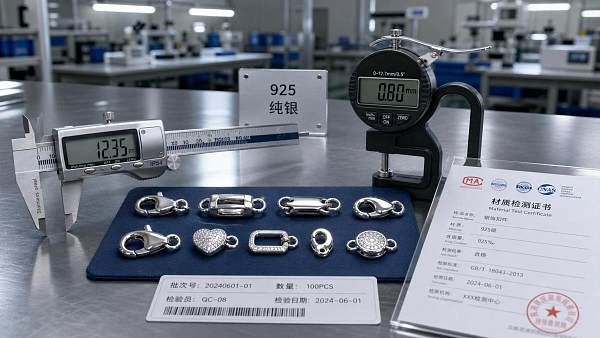
For many information-focused buyers, especially those serving premium retail or international channels, quality assurance is a major concern. Reliable suppliers invest in inspection systems, batch consistency controls, and documentation readiness.
While pearls do not follow the same certification model as diamonds, testing reports, material disclosures, plating compliance, and market-specific labeling can still affect cost and supplier selection.
If a supplier can support consistent QC standards, clear communication, and documented specifications, its pricing may be higher but more dependable. That premium often protects buyers from hidden costs linked to disputes or inconsistent deliveries.
In commercial sourcing, cheap failures are rarely cheap. Returns, customer complaints, and assortment instability can quickly outweigh modest savings achieved on the initial purchase order.
How buyers can compare pearl jewelry wholesale quotes more accurately
To compare suppliers fairly, create a structured quotation template. Ask each vendor to confirm pearl type, size range, shape, luster level, surface tolerance, matching standard, metal specification, MOQ, packaging, lead time, and QC terms.
Next, request sample photos under neutral lighting and, if possible, video showing movement and reflection. Pearls are highly sensitive to lighting tricks, so consistent visual proof is essential during supplier evaluation.
It is also useful to ask what percentage variation is acceptable within a lot. This clarifies whether the quoted price assumes tightly controlled matching or a broader commercial-grade range.
Finally, compare reordering capability, not only first-order price. A supplier that can reproduce a successful line with stable quality often creates more business value than one offering a low opening quote with poor continuity.
When a lower price is smart—and when it is a hidden risk
Not every lower quote is problematic. If your target market is trend-led, gift-oriented, or fashion-accessible, using off-round freshwater pearls with simpler components may be a commercially sound decision.
The risk appears when buyers expect premium visual consistency, stronger durability, or luxury positioning but source according to the cheapest available offer. In that case, price and product promise are misaligned.
A practical sourcing mindset is to define the intended retail tier first, then match pearl quality, craftsmanship, and packaging to that position. This prevents both overbuying and underbuying.
In other words, the best pearl jewelry wholesale price is not the lowest one. It is the one that fits your quality objective, customer expectation, and reorder strategy with the least hidden risk.
Conclusion: price variation makes sense once the hidden variables are visible
Pearl jewelry wholesale prices vary more than expected because pearls combine natural variation, subjective grading, labor-intensive matching, and multiple manufacturing choices in a single product category.
For information researchers and sourcing teams, the most important step is to stop comparing quotes at the surface level. Pearl type, grading clarity, luster, size, shape, matching, hardware, MOQ, and QC terms all influence true value.
Once these factors are made explicit, price differences become easier to interpret and negotiate. More importantly, buyers can identify which suppliers are offering real efficiency and which are simply reducing quality behind similar-looking descriptions.
In pearl jewelry wholesale, informed comparison is the foundation of better sourcing. The more precisely you define quality and scope, the more confidently you can judge whether a supplier’s price is fair, strategic, and commercially sustainable.
Search News
Hot Articles
- Fashion & Gem JewelryThermal Diamond Testers: How They Work and When They Can Misidentify StonesOct 07, 2026
- Commercial KitchenWhat Is Driving Demand for Commercial Hospitality Projects Across the GCC?Oct 06, 2026
- Hotel Room AmenitiesHow to Select Hotel Hair Dryers That Balance Guest Safety, Durability, and CostOct 05, 2026
Popular Tags
Need ExpertConsultation?
Connect with our specialized leisureengineering team for procurementstrategies.
Recommended News
 Oct 07, 2026Thermal Diamond Testers: How They Work and When They Can Misidentify StonesThermal diamond tester guide: learn how it works, spot false positives from moissanite, and choose reliable verification methods for jewelry trade and retail.● Luxury Retail Analyst
 Oct 02, 2026Diamond Tester Wholesale: How to Vet Accuracy, Calibration, and MOQ Before OrderingDiamond tester wholesale guide: verify accuracy, calibration records, supplier quality controls, and MOQ terms before ordering. Source reliable testers with confidence.● Luxury Retail Analyst
 Sep 09, 2026Wholesale Coral Earrings: How Buyers Can Assess Quality, Treatments, and Supply RiskCoral jewelry earrings wholesale guide for buyers: assess quality, treatments, secure settings, documentation, and supply risks before ordering.● Luxury Retail Analyst
 Sep 01, 2026How to Choose a Jewelry Laser Engraving Machine Manufacturer for Custom ProductionChoose a jewelry laser engraving machine manufacturer with proven sample testing, precision fixtures, workflow-ready software, and reliable support for custom production.● Luxury Retail Analyst
 Aug 27, 2026Evaluating Luxury Retail Accessories Suppliers: Quality, Lead Times, and Brand FitLuxury retail accessories supplier selection made clearer: assess quality, lead times, compliance, costs, and brand fit to protect premium launches and margins.● Luxury Retail Analyst
 Jul 29, 2026Fine Jewelry Price Guide: What Affects Cost and How to Judge Real ValueFine jewelry price guide for buyers: learn what drives cost in metals, gemstones, craftsmanship, certification, and branding so you can judge real value, reduce sourcing risk, and buy with confidence.● Luxury Retail Analyst
 Jul 14, 2026What to Ask an Enamel Jewelry Manufacturer Before Sampling and Mass ProductionEnamel jewelry manufacturer selection starts with the right questions. Learn what to ask about materials, color matching, MOQ, QC, compliance, and lead times before sampling and mass production.● Luxury Retail Analyst
 Jul 12, 2026Surgical Steel Belly Rings vs Titanium: Material Differences, Safety, and CostSurgical steel belly rings vs titanium: compare safety, nickel exposure, comfort, durability, and cost to choose the best option for sensitive skin or budget-friendly style.● Luxury Retail Analyst
 Jul 12, 2026Natural Coral Jewelry Guide: How to Identify Real Coral, Treatments, and QualityNatural coral jewelry guide covering how to identify real coral, spot treatments, assess quality, and buy with confidence. Learn the key signs before you choose.● Luxury Retail Analyst
 Jul 11, 2026Braided Leather Bracelets OEM: Material, Clasp, and MOQ Factors Before SamplingBraided leather bracelets OEM guide covering material grades, clasp options, and MOQ factors before sampling. Learn how to reduce sourcing risk, control cost, and choose the right supplier.● Luxury Retail Analyst
 Jul 09, 2026Jewelry Craftsmanship Gemstone Setting Methods Explained: Prong, Bezel, Pave, and MoreJewelry craftsmanship gemstone setting explained clearly: compare prong, bezel, pavé, channel, and more to choose secure, beautiful, and commercially smart jewelry designs.● Luxury Retail Analyst
 Jul 06, 2026Photo Locket Necklace Manufacturer Selection Guide: Materials, MOQ, and Custom OptionsPhoto locket necklace manufacturer selection guide covering materials, MOQ, custom options, compliance, and quality checks to help buyers source smarter and build stronger jewelry lines.● Luxury Retail Analyst
 Jul 05, 2026What to Check When Comparing a Sterling Silver Clasp ManufacturerChoosing a sterling silver clasp manufacturer? Learn what to check first: 925 silver claims, finish quality, testing, compliance, lead times, and hidden sourcing costs.● Luxury Retail Analyst
 Jul 02, 2026Jewelry Craftsmanship Techniques Explained: Casting, Stone Setting, Engraving, and PolishingJewelry craftsmanship techniques explained: discover how casting, stone setting, engraving, and polishing shape quality, durability, and sourcing confidence.● Luxury Retail Analyst
 Jul 01, 2026Lost Wax Casting Machines Explained: Types, Capacity, and Metal CompatibilityLost wax casting machines explained: compare types, real capacity, and metal compatibility to choose the right system for precision casting, higher quality, and smarter sourcing.● Luxury Retail Analyst
 Jun 29, 2026How to Evaluate a Luxury Accessories Online Store Before You BuyLuxury accessories online store buying guide: learn how to verify authenticity, compare policies, check reviews, and avoid costly mistakes before you place an order.● Luxury Retail Analyst
 Jun 22, 2026Matching Couple Rings: Popular Materials, Fit Differences, and How to ChooseMatching couple rings guide: compare popular materials, fit differences, comfort, durability, and resizing options to choose a stylish pair that truly lasts.● Luxury Retail Analyst
 Jun 19, 2026How to Build a Fashion Accessories Catalog That Improves Product Discovery and SalesFashion accessories catalog strategies that improve product discovery, filtering, and conversions. Learn how to structure pages, categories, and data to drive more qualified sales.● Luxury Retail Analyst
 Jun 19, 2026How to Choose Luxury Accessories for Women by Material, Style, and Price PointLuxury accessories for women: learn how to choose the right pieces by material, style, and price point for better value, timeless appeal, and smarter buying decisions.● Luxury Retail Analyst
 Jun 18, 2026Stainless Steel Rings Bulk: 304 vs 316L, Finishes, and Custom Order FactorsStainless steel rings bulk guide: compare 304 vs 316L, explore finish options, and learn key custom order factors to reduce sourcing risk and improve product value.● Luxury Retail Analyst
 Jun 18, 2026Body Piercing Jewelry Bulk Buying Guide: Materials, Sizes, and MOQ QuestionsBody piercing jewelry bulk buying guide covering safe materials, size checks, MOQ strategy, supplier screening, and compliance tips to reduce risk and source with confidence.● Luxury Retail Analyst
 Jun 18, 2026How to Evaluate a Luxury Jewelry Exporter for Quality, Compliance, and DeliveryLuxury jewelry exporter evaluation starts with more than design. Learn how to verify quality, compliance, and delivery control to source premium jewelry with less risk.● Luxury Retail Analyst
 Jun 17, 2026Iced Out Watches Wholesale: How to Compare MOQ, Stone Quality, and MarginsIced out watches wholesale guide: compare MOQ, stone quality, and real margins to choose reliable suppliers, reduce risk, and grow resale profits with smarter sourcing.● Luxury Retail Analyst
 Jun 15, 2026How to Evaluate an Amber Jewelry Manufacturer: Quality Grades, OEM Options, and Lead TimesAmber jewelry manufacturer selection starts with quality grades, OEM capability, and realistic lead times. Learn how to compare suppliers, reduce sourcing risk, and choose with confidence.● Luxury Retail Analyst