Are lab grown diamond jewelry prices really worth it now?
As buyers compare value, ethics, and long-term appeal, lab grown diamond jewelry is moving from niche curiosity to mainstream option. The price gap versus mined diamonds is now large enough to influence commercial and personal purchasing decisions. Yet lower ticket prices alone do not answer whether today’s offers are truly worth it.
Real value depends on more than carat cost. It includes cut quality, metal choice, design execution, grading transparency, after-sales service, resale expectations, and sourcing reliability. In sectors tied to luxury presentation and premium retail, those variables matter as much as the headline discount.
For jewelry displays, gifting programs, specialty retail, and branded collections, lab grown diamond jewelry can offer compelling economics. However, the best buying decision comes from a checklist-based review rather than a simple price comparison. That approach helps separate genuine value from marketing noise.
Why a checklist matters before judging lab grown diamond jewelry prices
Prices for lab grown diamond jewelry have fallen quickly as production scales improved. That trend creates opportunity, but it also creates uneven quality tiers. Two pieces with similar carat weights may differ sharply in brilliance, craftsmanship, and long-term commercial usefulness.
A checklist prevents overpaying for average goods or dismissing strong offers based only on broad market headlines. It also aligns diamond selection with practical goals such as retail turnover, brand positioning, gift value, and visual performance under showroom lighting.
Core checklist: how to decide if lab grown diamond jewelry prices are worth it now
- Compare certified like-for-like stones. Match carat, cut, color, clarity, fluorescence, and grading laboratory before judging whether one lab grown diamond jewelry offer is truly cheaper.
- Prioritize cut over headline size. A smaller well-cut stone often delivers stronger brilliance than a larger weakly cut alternative priced to look attractive online.
- Check whether the quote includes the full jewelry build. Metal purity, setting complexity, side stones, finishing, and branding can shift final value more than the center stone alone.
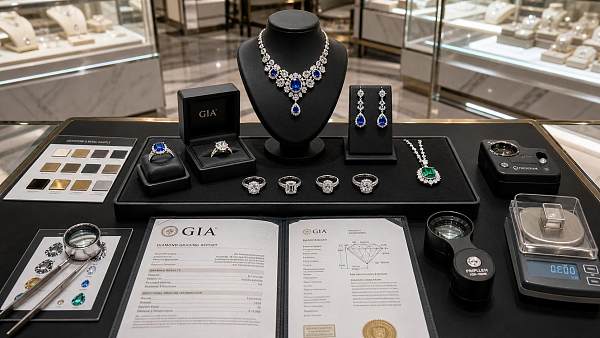
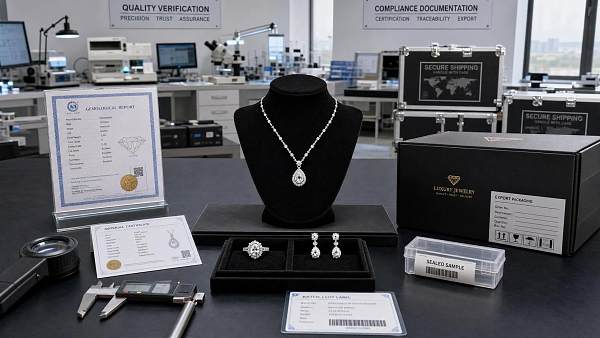
- Review certification source carefully. IGI and GIA documentation improves transparency, supports buyer confidence, and reduces disputes over the stated quality of lab grown diamond jewelry.
- Assess design consistency across batches. For commercial programs, matching stone appearance, prong work, polish, and plating quality is essential for repeatable presentation and reliable sell-through.
- Calculate price-per-look, not just price-per-carat. Visual impact on the body, under retail lighting, and inside display cases often determines whether a lower-cost piece actually performs better.
- Ask about origin disclosure and production method. CVD and HPHT diamonds can both be excellent, but clear disclosure adds trust and supports transparent merchandising.
- Measure after-sales terms. Resize policies, repair access, warranty coverage, and stone replacement options influence the real ownership value of lab grown diamond jewelry.
- Estimate depreciation realistically. Lab grown diamonds usually have weaker resale performance than mined diamonds, so value should be judged mainly by use, appearance, and margin potential.
- Benchmark against intended use. A fashion-forward capsule collection, hospitality gift piece, or bridal item each requires a different threshold for price sensitivity and perceived prestige.
What current pricing trends really mean
The strongest argument for lab grown diamond jewelry today is simple: buyers can access larger or better-looking stones for the same budget. In many categories, that creates better immediate value, especially when aesthetics and wearability matter more than rarity.
However, falling prices also mean inventory values can shift quickly. A piece purchased at a premium twelve months ago may face more intense comparison pressure today. That does not erase its beauty, but it changes how price fairness should be evaluated.
How value changes across different buying scenarios
Bridal and commitment jewelry
For engagement rings and anniversary pieces, lab grown diamond jewelry often scores well when visual size, clarity, and budget control are top priorities. It allows stronger specifications without crossing the budget line that mined diamonds often demand.
The trade-off is emotional and financial rather than visual. Anyone expecting strong resale or heirloom rarity may see less value. Anyone focused on wear, sparkle, and responsible sourcing may see excellent value.
Luxury-adjacent retail collections
In premium retail environments, lab grown diamond jewelry can improve assortment flexibility. Brands can introduce larger center stones, trend-led silhouettes, and entry luxury price points that attract younger customers without weakening visual appeal.
Worth depends on execution. If the setting, packaging, and narrative remain elevated, the category performs well. If presentation feels cost-cut, the lower diamond cost alone will not protect perceived value.
Hospitality gifting and special programs
For VIP gifting, loyalty milestones, and branded commemorative items, lab grown diamond jewelry offers a useful balance between prestige and budget discipline. It enables real diamond positioning while keeping program economics manageable across larger volumes.
Value rises when pieces are customized with strong design language, reliable packaging, and documented quality. In these settings, symbolic impact often matters more than secondary market value.
Fashion jewelry and seasonal drops
Fast-moving collections benefit from the flexibility of lab grown diamond jewelry. Lower stone costs free budget for innovative forms, mixed materials, and limited-edition concepts. That makes current prices especially attractive for trend-responsive launches.
Still, fashion cycles shorten product relevance. The best value comes from tightly edited designs and controlled inventory, not from loading volume simply because stones are cheaper than before.
Commonly overlooked factors that distort the value question
Ignoring craftsmanship quality
A low price can hide weak prongs, poor finishing, thin shanks, or inconsistent stone setting. In lab grown diamond jewelry, the diamond may be genuine and attractive, but the jewelry itself may not justify the offer.
Assuming all certifications are equal
Grading differences influence perceived savings. If one seller uses softer grading standards, the price advantage may be less impressive than it first appears. Certification quality remains central to fair comparison.
Overestimating investment potential
Current market behavior suggests lab grown diamond jewelry should be valued primarily as a consumption and brand-expression purchase. Expecting mined-diamond-style value retention often leads to disappointment.
Overlooking supply chain stability
In commercial sourcing, attractive pricing means little if replenishment is unstable or quality drifts between orders. Consistency, documentation, and production control are part of what makes a price worth accepting.
Practical steps to evaluate lab grown diamond jewelry offers
- Request side-by-side quotations using the same stone specs, metal type, and setting details before making any judgment about market competitiveness.
- Ask for macro images and videos under neutral lighting to judge brilliance, bow-tie effects, inclusions, and finish consistency.
- Confirm certification numbers, warranty terms, plating standards, and whether repairs or replacements can be handled without extended downtime.
- Run a small sample order first when sourcing collections, gifts, or private-label pieces that require repeatable quality over time.
- Align price evaluation with end use, whether the priority is emotional symbolism, retail margin, visual scale, or ethical positioning.
Final verdict: are lab grown diamond jewelry prices really worth it now?
In many cases, yes. Current lab grown diamond jewelry prices are worth it when the goal is maximum visual quality, responsible sourcing messaging, or strong design impact within a controlled budget. The category is especially persuasive where wearability and presentation matter more than rarity.
The answer becomes less favorable when buyers expect lasting resale strength or make decisions from carat size alone. True value comes from certified quality, solid craftsmanship, clear sourcing, and a use case that matches the product’s market reality.
The next step is straightforward: build a comparison sheet, verify grading and construction details, and evaluate lab grown diamond jewelry by appearance, reliability, and purpose rather than by discount headlines. That is how today’s prices become a smart decision instead of a temporary bargain.
Search News
Hot Articles
- Fashion & Gem JewelryThermal Diamond Testers: How They Work and When They Can Misidentify StonesOct 07, 2026
- Commercial KitchenWhat Is Driving Demand for Commercial Hospitality Projects Across the GCC?Oct 06, 2026
- Hotel Room AmenitiesHow to Select Hotel Hair Dryers That Balance Guest Safety, Durability, and CostOct 05, 2026
Popular Tags
Need ExpertConsultation?
Connect with our specialized leisureengineering team for procurementstrategies.
Recommended News
 Oct 07, 2026Thermal Diamond Testers: How They Work and When They Can Misidentify StonesThermal diamond tester guide: learn how it works, spot false positives from moissanite, and choose reliable verification methods for jewelry trade and retail.● Luxury Retail Analyst
 Oct 02, 2026Diamond Tester Wholesale: How to Vet Accuracy, Calibration, and MOQ Before OrderingDiamond tester wholesale guide: verify accuracy, calibration records, supplier quality controls, and MOQ terms before ordering. Source reliable testers with confidence.● Luxury Retail Analyst
 Sep 09, 2026Wholesale Coral Earrings: How Buyers Can Assess Quality, Treatments, and Supply RiskCoral jewelry earrings wholesale guide for buyers: assess quality, treatments, secure settings, documentation, and supply risks before ordering.● Luxury Retail Analyst
 Sep 01, 2026How to Choose a Jewelry Laser Engraving Machine Manufacturer for Custom ProductionChoose a jewelry laser engraving machine manufacturer with proven sample testing, precision fixtures, workflow-ready software, and reliable support for custom production.● Luxury Retail Analyst
 Aug 27, 2026Evaluating Luxury Retail Accessories Suppliers: Quality, Lead Times, and Brand FitLuxury retail accessories supplier selection made clearer: assess quality, lead times, compliance, costs, and brand fit to protect premium launches and margins.● Luxury Retail Analyst
 Jul 29, 2026Fine Jewelry Price Guide: What Affects Cost and How to Judge Real ValueFine jewelry price guide for buyers: learn what drives cost in metals, gemstones, craftsmanship, certification, and branding so you can judge real value, reduce sourcing risk, and buy with confidence.● Luxury Retail Analyst
 Jul 14, 2026What to Ask an Enamel Jewelry Manufacturer Before Sampling and Mass ProductionEnamel jewelry manufacturer selection starts with the right questions. Learn what to ask about materials, color matching, MOQ, QC, compliance, and lead times before sampling and mass production.● Luxury Retail Analyst
 Jul 12, 2026Surgical Steel Belly Rings vs Titanium: Material Differences, Safety, and CostSurgical steel belly rings vs titanium: compare safety, nickel exposure, comfort, durability, and cost to choose the best option for sensitive skin or budget-friendly style.● Luxury Retail Analyst
 Jul 12, 2026Natural Coral Jewelry Guide: How to Identify Real Coral, Treatments, and QualityNatural coral jewelry guide covering how to identify real coral, spot treatments, assess quality, and buy with confidence. Learn the key signs before you choose.● Luxury Retail Analyst
 Jul 11, 2026Braided Leather Bracelets OEM: Material, Clasp, and MOQ Factors Before SamplingBraided leather bracelets OEM guide covering material grades, clasp options, and MOQ factors before sampling. Learn how to reduce sourcing risk, control cost, and choose the right supplier.● Luxury Retail Analyst
 Jul 09, 2026Jewelry Craftsmanship Gemstone Setting Methods Explained: Prong, Bezel, Pave, and MoreJewelry craftsmanship gemstone setting explained clearly: compare prong, bezel, pavé, channel, and more to choose secure, beautiful, and commercially smart jewelry designs.● Luxury Retail Analyst
 Jul 06, 2026Photo Locket Necklace Manufacturer Selection Guide: Materials, MOQ, and Custom OptionsPhoto locket necklace manufacturer selection guide covering materials, MOQ, custom options, compliance, and quality checks to help buyers source smarter and build stronger jewelry lines.● Luxury Retail Analyst
 Jul 05, 2026What to Check When Comparing a Sterling Silver Clasp ManufacturerChoosing a sterling silver clasp manufacturer? Learn what to check first: 925 silver claims, finish quality, testing, compliance, lead times, and hidden sourcing costs.● Luxury Retail Analyst
 Jul 02, 2026Jewelry Craftsmanship Techniques Explained: Casting, Stone Setting, Engraving, and PolishingJewelry craftsmanship techniques explained: discover how casting, stone setting, engraving, and polishing shape quality, durability, and sourcing confidence.● Luxury Retail Analyst
 Jul 01, 2026Lost Wax Casting Machines Explained: Types, Capacity, and Metal CompatibilityLost wax casting machines explained: compare types, real capacity, and metal compatibility to choose the right system for precision casting, higher quality, and smarter sourcing.● Luxury Retail Analyst
 Jun 29, 2026How to Evaluate a Luxury Accessories Online Store Before You BuyLuxury accessories online store buying guide: learn how to verify authenticity, compare policies, check reviews, and avoid costly mistakes before you place an order.● Luxury Retail Analyst
 Jun 22, 2026Matching Couple Rings: Popular Materials, Fit Differences, and How to ChooseMatching couple rings guide: compare popular materials, fit differences, comfort, durability, and resizing options to choose a stylish pair that truly lasts.● Luxury Retail Analyst
 Jun 19, 2026How to Build a Fashion Accessories Catalog That Improves Product Discovery and SalesFashion accessories catalog strategies that improve product discovery, filtering, and conversions. Learn how to structure pages, categories, and data to drive more qualified sales.● Luxury Retail Analyst
 Jun 19, 2026How to Choose Luxury Accessories for Women by Material, Style, and Price PointLuxury accessories for women: learn how to choose the right pieces by material, style, and price point for better value, timeless appeal, and smarter buying decisions.● Luxury Retail Analyst
 Jun 18, 2026Stainless Steel Rings Bulk: 304 vs 316L, Finishes, and Custom Order FactorsStainless steel rings bulk guide: compare 304 vs 316L, explore finish options, and learn key custom order factors to reduce sourcing risk and improve product value.● Luxury Retail Analyst
 Jun 18, 2026Body Piercing Jewelry Bulk Buying Guide: Materials, Sizes, and MOQ QuestionsBody piercing jewelry bulk buying guide covering safe materials, size checks, MOQ strategy, supplier screening, and compliance tips to reduce risk and source with confidence.● Luxury Retail Analyst
 Jun 18, 2026How to Evaluate a Luxury Jewelry Exporter for Quality, Compliance, and DeliveryLuxury jewelry exporter evaluation starts with more than design. Learn how to verify quality, compliance, and delivery control to source premium jewelry with less risk.● Luxury Retail Analyst
 Jun 17, 2026Iced Out Watches Wholesale: How to Compare MOQ, Stone Quality, and MarginsIced out watches wholesale guide: compare MOQ, stone quality, and real margins to choose reliable suppliers, reduce risk, and grow resale profits with smarter sourcing.● Luxury Retail Analyst
 Jun 15, 2026How to Evaluate an Amber Jewelry Manufacturer: Quality Grades, OEM Options, and Lead TimesAmber jewelry manufacturer selection starts with quality grades, OEM capability, and realistic lead times. Learn how to compare suppliers, reduce sourcing risk, and choose with confidence.● Luxury Retail Analyst