Custom Cardboard Mailers: When Lower Unit Cost Becomes a Problem
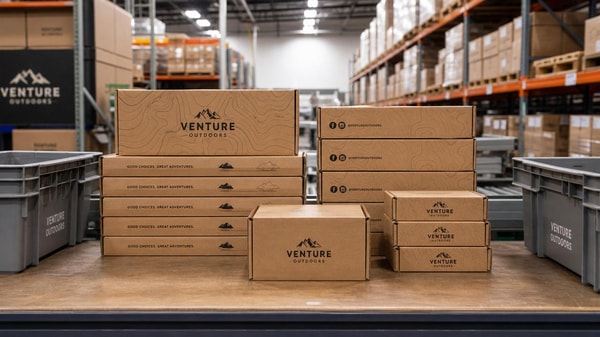
Custom cardboard mailers may look like a smart way to reduce packaging costs, but for procurement teams, the lowest unit price can quickly create bigger risks in product protection, brand presentation, and supply chain consistency. Understanding when cost savings turn into hidden losses is essential for making sourcing decisions that support both operational efficiency and long-term commercial value.
For buyers managing multi-market supply, packaging is rarely a standalone line item. It affects freight efficiency, damage rates, returns handling, shelf presentation, and the perception of quality at first touch. In sectors tied to hospitality, education, leisure, audio equipment, and luxury accessories, the wrong custom cardboard mailers can create friction far beyond the warehouse.
The issue is not whether lower-cost mailers are always a bad choice. The real question is where the cost threshold sits. When board strength, finish consistency, dieline accuracy, or supplier reliability drop below practical requirements, a saving of 3% to 8% on unit cost can trigger total losses that are 2 to 5 times higher across the order cycle.
Why Low Unit Cost Can Distort Procurement Decisions
In B2B sourcing, a low quoted price often looks attractive because it is measurable, comparable, and easy to report. Yet custom cardboard mailers are performance items. They must survive handling, stacking, parcel sorting, humidity shifts, and repeated touchpoints. If procurement evaluates only the per-piece cost, the decision model becomes incomplete from day one.
The visible saving versus the hidden cost stack
A mailer that costs $0.08 less per unit may seem efficient on a 50,000-piece order. That creates a direct saving of $4,000. However, if weaker material raises transit damage from 0.6% to 2.1%, and each replacement shipment costs $12 to $45 depending on product type, the packaging saving disappears quickly. For higher-value categories such as jewelry presentation kits or branded audio accessories, the commercial impact is even sharper.
This is especially relevant for procurement teams supplying customer-facing businesses. A dented box shipped to a hotel group, a university welcome pack with inconsistent print, or a premium retail item delivered in a soft, crushed mailer does not just create a logistics issue. It weakens the buying experience and can reduce reorder confidence.
Four common hidden loss areas
- Product damage and replacement handling, especially for fragile, coated, or presentation-sensitive items
- Brand inconsistency caused by color shift, poor print registration, or uneven surface finish
- Packing-line inefficiency when folding accuracy or adhesive performance is inconsistent across batches
- Supply disruption when low-cost vendors cannot maintain lead times of 3 to 6 weeks during peak periods
The table below shows how a lower unit price in custom cardboard mailers can change total procurement economics when operational risks are included.
The main lesson is simple: price compression only works when the supplier can still protect the required performance range. If the low quote is based on downgraded substrate, reduced burst strength, inconsistent converting, or unstable planning, the buyer is not reducing cost. The buyer is transferring cost into harder-to-track categories.
Why this matters across commercial sectors
Procurement teams in commercial environments often source packaging for more than shipping. A custom cardboard mailer may be used for onboarding kits, replacement parts, branded merchandise, guest amenities, event packs, educational supply sets, or luxury accessory dispatch. Each of these use cases has a different tolerance for compression, abrasion, moisture exposure, and visual defects.
For example, office and educational supply programs may prioritize stack efficiency and standardized dimensions. Hotel and catering programs may care more about presentation and repeat branding across properties. Pro audio shipments often require stronger edge crush performance and tighter fit to control movement. Jewelry and luxury accessory buyers usually need stronger print fidelity and cleaner opening experience than commodity e-commerce formats.
When Custom Cardboard Mailers Become a Procurement Risk
Not every low-cost mailer is problematic, but there are clear warning signs. Procurement teams should identify the point where specification reduction starts to interfere with commercial outcomes. In many projects, this threshold appears in 5 areas: structure, material, print control, fulfillment compatibility, and supplier discipline.
1. Structural strength no longer matches the shipping route
A mailer designed for local delivery and one designed for cross-border parcel systems should not be treated as equivalent. If an order will move through 3 to 5 handling nodes, stacked pallets, and climate variation, lighter board may not be enough. For many commercial shipments, buyers should review flute profile, caliper range, closure design, and crush resistance before approving a lower-cost alternative.
2. Print quality falls below brand expectations
In premium and customer-facing sectors, packaging is part of the product message. Cheap custom cardboard mailers may show visible issues such as color deviation, edge cracking on folds, lamination bubbles, or weak logo contrast. These flaws are minor in manufacturing cost terms, but major in guest experience and brand perception.
3. Packing efficiency starts to decline
A mailer that opens poorly, folds unevenly, or requires rework on the line can add 2 to 6 seconds per pack. That may sound small, but at 8,000 units per shift, the labor impact becomes significant. Procurement should ask not only what the mailer costs, but also how it performs in live fulfillment conditions.
4. Supplier consistency is weaker than the sample suggests
Many sourcing issues begin when approval is based on one good prototype, while production quality varies across later runs. This is common when the supplier relies on changing board sources, overloaded subcontracting, or limited process control. A procurement decision should test repeatability across at least 2 to 3 batches, not just a single submission sample.
The next table helps buyers map typical risk triggers against what to verify before placing larger custom cardboard mailers orders.
A low quote is not enough information. Procurement strength comes from linking the quote to measurable packaging performance, production discipline, and downstream operating cost. Without that link, the sourcing team is comparing numbers but not comparing outcomes.
How Procurement Teams Should Evaluate Custom Cardboard Mailers
A strong buying process should move from unit price to total delivered value. That requires technical review, commercial review, and operational review. In practice, buyers can simplify the decision through a structured evaluation model with 4 key layers.
Define the performance requirement first
Start with the product profile and shipping reality. What is the packed weight: 0.2 kg, 1.5 kg, or above 3 kg? Is the mailer used for a direct-to-recipient parcel, inner branded packaging, or a campaign kit with multiple components? What is the acceptable defect rate: under 0.5%, under 1%, or flexible? A supplier can only price accurately when the intended performance range is clear.
Use a total cost model, not a purchase price model
Procurement should calculate at least 6 cost lines: unit price, inbound freight, packing labor impact, storage efficiency, damage and return exposure, and replenishment flexibility. In many commercial programs, a mailer with a 5% higher purchase price can still deliver a lower annual cost once damage reduction and operational stability are included.
A practical 5-step sourcing checklist
- Confirm product dimensions, packed weight, and shipment route profile.
- Lock core specifications such as board type, print finish, and closure structure.
- Run a pilot order or transit simulation before annual volume commitment.
- Review supplier capacity, QC routine, and lead-time performance over 2 to 3 cycles.
- Measure total cost after first live deployment and refine the standard.
Segment sourcing by application value
Not all custom cardboard mailers in the same company need the same specification level. Procurement teams can often gain better control by separating packaging into 3 categories: basic operational shipments, branded customer-facing packs, and premium presentation deliveries. This prevents overbuying for low-risk uses and underbuying for high-visibility ones.
For example, replacement consumables for institutional supply may allow a simpler uncoated mailer. Event kits for leisure venues may need stronger print consistency and cleaner opening. Luxury accessory programs often justify thicker board, more precise converting, and stricter visual checks because the packaging directly supports perceived product value.
Specification Points Buyers Should Not Overlook
When comparing suppliers of custom cardboard mailers, several technical details often determine whether the price difference is reasonable or risky. These points should be written into the RFQ and confirmed before production approval.
Board and converting tolerances
Ask for material definition beyond generic wording such as “corrugated cardboard” or “rigid mailer board.” Buyers should confirm board composition, nominal thickness, tolerance range, and whether recycled content affects stiffness or print surface. Even a small downgrade can change corner strength and folding behavior.
Closure reliability and opening experience
Self-locking tabs, tear strips, and adhesive closures should be tested for real use, not just appearance. If the closure pops open under load, or the opening experience feels rough and uneven, the mailer stops functioning as a reliable commercial package. This is critical for sectors where recipient impression matters within the first 10 seconds of opening.
Print method and finish durability
Digital print, flexo, offset, and laminated finishes all serve different order sizes and branding demands. Short runs of 500 to 2,000 units may suit one process, while 20,000-plus units may justify another. Procurement should align print method with order volume, color expectations, and rub resistance requirements rather than selecting by quote alone.
Lead time, MOQ, and replenishment strategy
A low price can hide rigid commercial terms. Buyers should check minimum order quantity, artwork revision flexibility, safety stock options, and replenishment lead time. For campaign-driven or seasonal businesses, a 4-week standard lead time may be manageable, but an 8-week recovery lead time after a stock-out may not be.
Making Better Sourcing Decisions for Long-Term Value
The best procurement decisions do not chase the lowest number; they control risk while protecting commercial performance. In practical terms, that means defining the role of the custom cardboard mailer within the broader customer journey, not treating it as an interchangeable commodity.
For global commercial buyers, especially those supporting hospitality groups, institutional programs, premium retail, and experience-led brands, packaging quality influences more than shipment integrity. It shapes consistency across locations, reinforces brand standards, and helps prevent costly service failures that are far more expensive than a modest increase in packaging spend.
If you are reviewing suppliers for custom cardboard mailers, build your evaluation around total cost, application fit, and repeat production reliability. A disciplined sourcing approach can reduce damage, improve presentation, and stabilize replenishment across multiple markets. To explore tailored sourcing support, compare specification options, or discuss application-specific packaging requirements, contact GCT to get a customized solution and learn more about practical procurement strategies.
Search News
Hot Articles
Popular Tags
Need ExpertConsultation?
Connect with our specialized leisureengineering team for procurementstrategies.
Recommended News
 May 07, 2026Custom Cardboard Mailers: When Lower Unit Cost Becomes a ProblemCustom cardboard mailers can cut unit costs, but weak specs often raise damage, delays, and brand risk. Learn how to source smarter for long-term value.● Institutional Buyer
 May 07, 2026Why Shipping Labels Wholesale Quality Problems Hurt Fulfillment SpeedShipping labels wholesale quality issues can quietly slow fulfillment, trigger scan failures, and raise rework costs. Learn how better label choices protect speed and accuracy.● Institutional Buyer
 May 07, 2026Custom Cardboard Mailers: When Lower Unit Cost Becomes a ProblemCustom cardboard mailers can cut unit costs, but weak specs often raise damage, delays, and brand risk. Learn how to source smarter for long-term value.● Institutional Buyer
 May 07, 2026Why Shipping Labels Wholesale Quality Problems Hurt Fulfillment SpeedShipping labels wholesale quality issues can quietly slow fulfillment, trigger scan failures, and raise rework costs. Learn how better label choices protect speed and accuracy.● Institutional Buyer
 May 06, 2026Wholesale children books: how to judge value beyond unit priceWholesale children books should be judged by more than unit price. Discover how to compare quality, safety, content value, and supplier reliability for smarter buying.● Institutional Buyer
 May 06, 2026Math manipulatives bulk orders that support mixed-age classroomsMath manipulatives bulk solutions for mixed-age classrooms: compare durable, age-flexible, safety-focused options that improve teaching continuity, reduce waste, and simplify school purchasing.● Institutional Buyer
 May 06, 2026Wholesale compasses and dividers that stay accurate over timeWholesale compasses and dividers built for lasting accuracy. Discover how to evaluate hinge stability, material quality, and batch consistency to reduce replacement costs.● Institutional Buyer
 May 06, 2026Marching band uniforms that look sharp without raising repair billsMarching band uniforms that stay sharp and lower repair costs. Compare fabrics, construction, and supplier reliability to choose durable, budget-smart uniforms.● Institutional Buyer
 May 06, 2026Geometry sets wholesale: which pieces matter most in real useGeometry sets wholesale buying is easier when you know which pieces truly matter. Discover the essential tools, quality checks, and sourcing tips that improve value and reduce replacement costs.● Institutional Buyer
 May 06, 2026Clear pencil cases that last longer in busy school settingsClear pencil cases built for busy schools: discover how durable materials, safer construction, and reliable suppliers help cut replacements, support inspections, and improve long-term value.● Institutional Buyer
 May 06, 2026Flash cards manufacturer questions that affect print consistencyFlash cards manufacturer selection affects color accuracy, material stability, and batch consistency. Learn the key sourcing questions that help reduce risk and ensure reliable print quality.● Institutional Buyer
 May 06, 2026What makes educational posters bulk orders worth the priceEducational posters bulk orders cost more upfront, but they cut unit prices, improve classroom consistency, and last longer. See why schools and institutions view them as a smart investment.● Institutional Buyer
 May 06, 2026Why wholesale erasers and sharpeners vary so much in qualityWholesale erasers and sharpeners vary in quality due to materials, blade engineering, safety compliance, and production control. Learn how to source smarter and reduce risk.● Institutional Buyer
 May 05, 2026Shandong Lions Reject Tao Hanlin’s Retirement — Implications for Sportswear OEMsSportswear OEMs: Shandong Lions’ rejection of Tao Hanlin’s retirement signals growing buyer focus on supplier longevity, stability & cultural trust in global sourcing.● Institutional Buyer
 May 05, 2026Custom promotional pens that get used instead of thrown awayCustom promotional pens that people actually keep: learn how to choose quality, comfortable, brand-right pens that boost visibility, reduce waste, and deliver better long-term value.● Institutional Buyer
 May 05, 2026Custom graduation gowns: why fabric choice changes event photosCustom graduation gowns look dramatically different on camera depending on fabric. Learn how sheen, drape, and wrinkle resistance shape photo quality and smarter sourcing.● Institutional Buyer
 May 05, 2026Ballpoint pens bulk: why writing distance changes buyer satisfactionBallpoint pens bulk buyers often overlook writing distance, yet it strongly shapes user satisfaction, brand perception, and reorder value across offices, schools, promotions, and service counters.● Institutional Buyer
 May 05, 2026Watercolor paints bulk: student use reveals quality fastWatercolor paints bulk for schools: see how student use quickly exposes pigment, packaging, and durability issues. Learn what buyers should check before sourcing at scale.● Institutional Buyer
 May 05, 2026Wholesale sticky notes: which paper grades actually stay putWholesale sticky notes buyers: learn which paper grades truly stay put. Compare economy, office, premium, and recycled options to improve adhesion, writing quality, and repeat orders.● Institutional Buyer
 May 05, 2026Highlighter markers wholesale: why ink consistency matters moreHighlighter markers wholesale buyers should look beyond price: consistent ink flow improves writing performance, reduces complaints, and supports stronger repeat orders. Learn what reliable sourcing really requires.● Institutional Buyer
 May 05, 2026Wholesale school backpacks: when low price leads to high returnsWholesale school backpacks may look cost-saving, but low prices often mean higher returns, complaints, and hidden procurement costs. Learn how to compare suppliers smarter.● Institutional Buyer
 May 05, 2026Art supplies wholesale trends schools are paying attention toArt supplies wholesale trends schools are watching now: safer materials, smarter bulk buying, sustainable options, and reliable suppliers that protect budgets and improve classroom outcomes.● Institutional Buyer
 May 05, 2026Colored pencils wholesale: which specs matter beyond color countColored pencils wholesale buyers should look beyond color count. Compare core strength, pigment quality, safety, wood, and packaging to source better products with confidence.● Institutional Buyer
 May 05, 2026School uniforms wholesale: what causes fit issues at scaleSchool uniforms wholesale fit issues often start with sizing gaps, fabric behavior, and weak supplier coordination. Learn the key causes and how buyers can reduce returns and protect uniform program quality.● Institutional Buyer