AI Empowers Foreign Language Education: Shanghai Summit Explores New Paths for China's Language Training Exports Amid Translation Software Impact
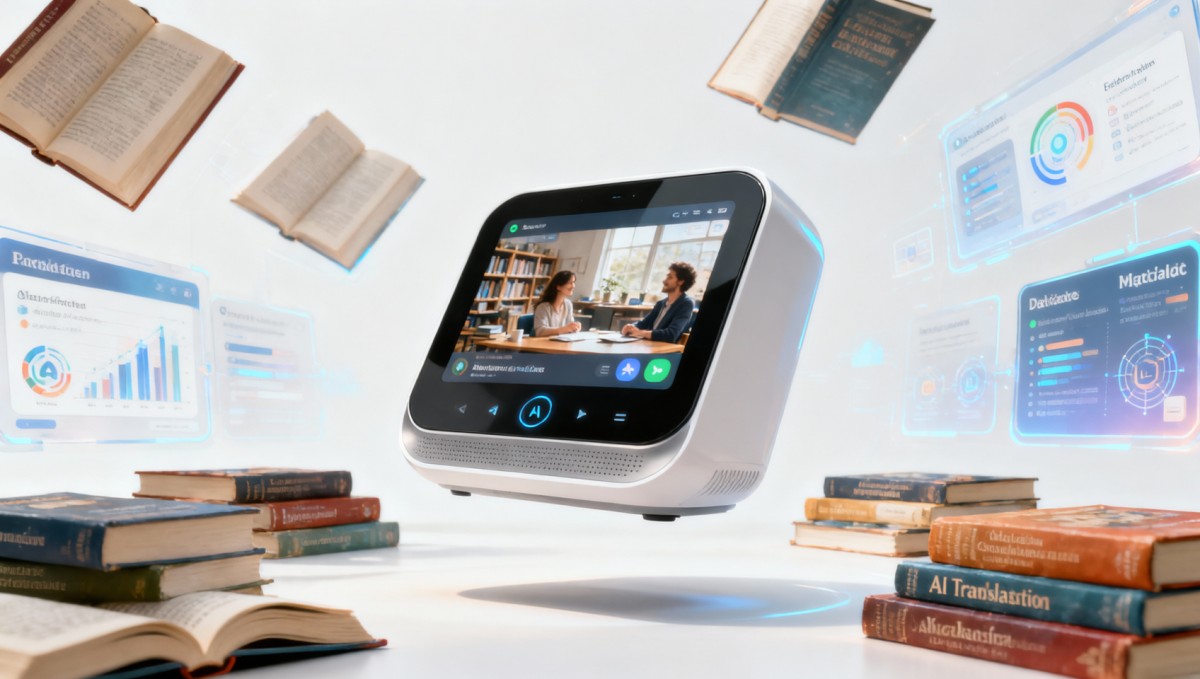
Introduction: On March 26, 2026, Shanghai Normal University hosted the 'AI Empowerment: The Future of Foreign Language Disciplines' summit, drawing attention from global educators and tech developers. Experts from over 20 institutions, including the Chinese Academy of Social Sciences, Fudan University, and Nanjing University, highlighted how AI translation tools are reshaping language education. While these tools enhance basic communication efficiency, they also drive demand for high-value services like cross-cultural instructional design and localized curriculum development. This shift is creating new opportunities for China's language training exports, particularly in SaaS platforms and teacher training solutions for欧美 markets. The event underscores the evolving dynamics between AI and human expertise in education.
Event Overview
The March 26 summit in Shanghai brought together academia and industry leaders to examine AI's disruptive role in foreign language education. Key confirmed takeaways include:
- AI translation tools now handle ~60% of routine communication tasks in language learning
- 欧美 institutions increasingly seek Chinese-developed SaaS for:
- Cross-cultural course customization (particularly for Asian languages)
- Teacher collaboration systems enabling跨国教研
- China's teacher training programs are being packaged as exportable solutions

Impact on Key Sectors
1. Language Training SaaS Providers
Chinese edtech firms specializing in modular, cloud-based teaching systems are seeing欧美demand surge for:
- Culture-adaptive learning algorithms
- Real-time teacher-AI协作 platforms
Impact: Requires redesign of existing products for localization compliance (e.g., GDPR in EU markets).
2. Teacher Training Institutions
China's师范院校 are being positioned as global trainers for:
- AI-assisted pedagogy certification
- Hybrid (human+AI) classroom management
Opportunity: Standardized train-the-trainer programs could become new export commodity.
3. Content Localization Services
Specialized firms helping adapt Chinese materials for海外 markets now face:
- 20-30% higher demand for文化适配咨询
- New requirements for AI-training dataset curation
Strategic Focus Areas
Prioritize Certification Systems
欧美 buyers increasingly require:
- ISO 29993 compliance for online learning
- Third-party evaluations of AI bias mitigation
Develop Modular Solutions
Current procurement trends favor:
- Plug-and-play curriculum components over monolithic systems
- API-accessible teaching resources
Monitor Policy Dualities
注意:
- While AI adoption accelerates, some EU markets are tightening human-teacher ratios
- US states show diverging regulations on AI educational use
Industry Perspective
Analysis shows this shift represents both disruption and opportunity:
- Signal vs. Trend: The summit confirms established demand rather than predicting future shifts
- Value Chain Impact: Moves China's role from content consumer to pedagogy exporter
- Critical Window: 12-18 month advantage before Western competitors develop comparable systems
Conclusion
The Shanghai summit crystallizes a pivotal moment where China's language education expertise converges with global AI adoption needs. Rather than viewing AI translation as a threat, the industry is adapting by packaging specialized human skills—cultural adaptation, curriculum design, and teacher development—as exportable services. For businesses, the immediate focus should be on certifying systems for海外 compliance while developing modular, interoperable solutions. This transition positions China uniquely at the intersection of technological and pedagogical innovation in global language education.
Information Sources
- Official release from Shanghai Normal University (2026-03-26)
- Presentation materials from CASS/Fudan University delegates
- Note: Specific procurement figures referenced are preliminary estimates pending Q2 industry reports
Search News
Hot Articles
- Restaurant FurnitureFast-Casual Restaurant Interiors: Design Choices That Improve Speed and Guest FlowOct 04, 2026
- Outdoor RidesHow to Select Leisure Park Equipment for Safe, High-Throughput Visitor AreasOct 03, 2026
- Fashion & Gem JewelryDiamond Tester Wholesale: How to Vet Accuracy, Calibration, and MOQ Before OrderingOct 02, 2026
Popular Tags
Need ExpertConsultation?
Connect with our specialized leisureengineering team for procurementstrategies.
Recommended News
 Sep 28, 2026How U.S. Schools Can Choose Laboratory Equipment for Safe, Compliant Science LabsSchool laboratory equipment USA: learn how to select safe, compliant lab furniture, ventilation, emergency systems, and durable tools for K–12 science labs.● Institutional Buyer
 Sep 16, 2026How to Source Educational Furniture Worldwide for Safe, Flexible Learning SpacesEducational furniture worldwide: learn how to source safe, flexible, durable learning-space solutions while controlling compliance, logistics, and lifecycle costs.● Institutional Buyer
 Aug 31, 2026How to Plan Smart Classroom Solutions That Improve Learning and IT ManageabilitySmart classroom solutions: learn how to plan secure, scalable teaching spaces that improve learning, simplify IT management, and reduce lifecycle costs.● Institutional Buyer
 Aug 01, 2026How to Specify an EN54 School PA System for Safe, Compliant Campus Voice EvacuationEN54 school PA system specification guide for safer, compliant campus voice evacuation. Learn zoning, intelligibility, monitoring, tender tips, and handover checks.● Institutional Buyer
 Jul 15, 2026Vietnam Tightens Import Rules for Smart Campus TechVietnam Tightens Import Rules for Smart Campus Tech: learn how MOIT’s 2026 data hosting and NEP connection rules may reshape import approval, sourcing timelines, and delivery planning.● Institutional Buyer
 Jul 14, 2026Thailand TISI Tightens Rules for Smart Campus TerminalsThailand TISI tightens rules for smart campus terminals, requiring Thai speech recognition and local biometric data storage. Learn the compliance impact, timeline risks, and what exporters must do now.● Institutional Buyer
 Jul 13, 2026Red Sea Rerouting Lifts Smart Campus Tech Shipping CostsRed Sea rerouting lifts Smart Campus Tech shipping costs, extends Asia-Europe booking lead times, and delays delivery. See what exporters, buyers, and logistics teams should do now.● Institutional Buyer
 Jul 12, 2026Event Technology for Live Venues: What Systems Matter Most for Seamless Operations?Event technology defines how live venues handle ticketing, AV, access, and monitoring. Discover which systems matter most for seamless operations, higher uptime, and better guest experiences.● Institutional Buyer
 Jul 11, 2026What Is a Campus Procurement Platform and How Does It Improve School Purchasing Workflows?Campus procurement platform explained: learn how it streamlines school purchasing workflows, improves approval control, boosts spend visibility, and reduces delays across campus buying.● Institutional Buyer
 Jul 10, 2026Vietnam Raises Smart Campus Tech Import Tariff to 12%Vietnam Raises Smart Campus Tech Import Tariff to 12%: explore how the new Vietnam smart campus tech tariff impacts pricing, sourcing, and local assembly strategies across Southeast Asia.● Institutional Buyer
 Jul 10, 2026Interactive Document Camera vs Webcam: Which Works Better for Smart Classrooms?Interactive document camera vs webcam: discover which delivers clearer content sharing, faster lesson flow, and better hybrid teaching performance for smart classrooms.● Institutional Buyer
 Jul 09, 2026RCEP Rule Adds Carbon Footprint Filings for Smart Campus Tech ExportsRCEP Rule reshapes Smart Campus Tech exports: learn how new carbon footprint filings for Singapore, Thailand, and Vietnam affect customs clearance, lead times, and compliance planning before October 1, 2026.● Institutional Buyer
 Jul 09, 2026Basketball Hoops for Campuses: Which Backboard, Rim, and Mounting Type Fits Your Site?Basketball hoops for campuses: compare backboard, rim, and mounting options by site needs. Learn how to choose safer, longer-lasting systems for outdoor courts, gyms, and multipurpose halls.● Institutional Buyer
 Jul 09, 2026Modular Educational Furniture: What to Check Before Planning Flexible ClassroomsModular educational furniture: learn what to check before planning flexible classrooms, from safety and durability to teaching fit, supplier quality, and long-term value.● Institutional Buyer
 Jul 08, 2026Shenzhen-Yokohama Port Delays Fall to 2.1 DaysShenzhen-Yokohama Port Delays fall to 2.1 days, cutting shipment cycles by 5–7 days for smart campus equipment. See how faster port efficiency can ease Q3 school delivery pressure.● Institutional Buyer
 Jul 07, 2026FBX Slide Pushes Smart Campus Freight Below $980/FEUFBX Slide Pushes Smart Campus Freight Below $980/FEU as Asia-Europe rates tumble. Discover what this means for smart campus shipments, booking risks, and cost-saving opportunities.● Institutional Buyer
 Jul 07, 2026Math Manipulatives Bulk Price Guide: Cost Drivers, Pack Sizes, and School Budget PlanningMath manipulatives bulk price explained: compare cost drivers, pack sizes, landed costs, and school budget planning tips to source smarter and avoid hidden expenses.● Institutional Buyer
 Jul 04, 2026RCEP Update Expands Indonesia Duty-Free Quota for Edu DevicesRCEP Update Expands Indonesia Duty-Free Quota for Edu Devices: learn how the new 80,000-unit quota reshapes export costs, compliance, and school procurement opportunities in Indonesia.● Institutional Buyer
 Jul 03, 2026Indonesia Enforces ID-SNI Labels on Smart Campus ImportsIndonesia Enforces ID-SNI Labels on Smart Campus Imports: learn how the new rule affects labeling, customs clearance, certification, and delivery readiness for compliant market entry.● Institutional Buyer
 Jul 03, 2026How to Choose Indoor School Sports Equipment for Age Groups, Space, and Safety NeedsIndoor school sports equipment buying guide for schools: learn how to match age groups, space limits, and safety standards to choose durable, efficient solutions.● Institutional Buyer
 Jul 02, 2026Chromebook Charging Stations for Schools: Cart vs Cabinet vs Wall-Mount OptionsChromebook charging stations for schools compared: cart, cabinet, and wall-mount options. Discover the best fit for security, space, mobility, and budget before you buy.● Institutional Buyer
 Jul 01, 2026Indonesia Opens RCEP Fast Track for Smart Campus IoTIndonesia opens an RCEP fast track for Smart Campus IoT, cutting Jakarta customs clearance to 12 hours for eligible HS 8517.62 devices. See who qualifies and how to prepare.● Institutional Buyer
 Jun 30, 2026Flexible Learning Spaces for K-12 and Higher Ed: Layout Ideas, Furniture, and Tech NeedsFlexible learning spaces for K-12 and higher ed: explore practical layout ideas, durable furniture, and smart tech strategies that improve teaching, flexibility, and long-term campus value.● Institutional Buyer
 Jun 30, 2026Campus Equipment Procurement Checklist: How to Compare Specs, Warranties, and Total CostCampus equipment procurement made practical: compare specs, warranty terms, supplier reliability, and total cost to avoid hidden expenses and make smarter campus buying decisions.● Institutional Buyer