Bongos and congas differ more than most buyers expect
Many first-time buyers assume bongos and congas are interchangeable, but the differences affect sound, playability, setup, and sourcing decisions more than expected. This guide explains how bongos and congas compare in size, tone, construction, and commercial use, helping researchers and buyers make more informed choices before selecting instruments for retail, education, performance, or hospitality projects.
For B2B buyers, the distinction matters beyond musicianship. A school music room, a resort entertainment venue, a specialty instrument retailer, and a rental backline provider each evaluate instruments through different lenses: durability, footprint, skill accessibility, visual impact, maintenance cycles, and supplier consistency.
When comparing bongos and congas, decision-makers should assess at least 4 dimensions before purchase: tonal role, user profile, installation space, and lifecycle cost. In many projects, the wrong percussion choice does not fail immediately, but it reduces engagement, complicates training, or shortens replacement intervals within 12 to 24 months.
What bongos and congas are, and why the difference matters in commercial buying
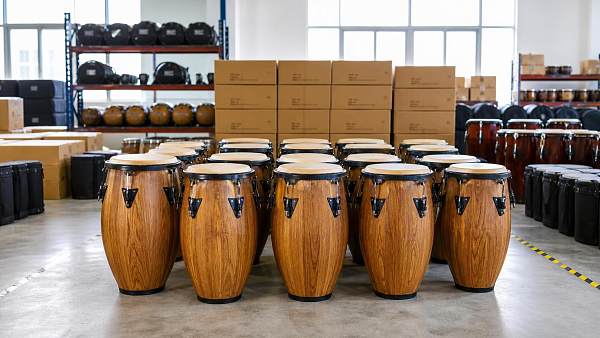
Both instruments belong to the hand drum family and are widely used in Latin, world, pop, jazz, and educational settings. However, bongos and congas serve different musical functions. Bongos are a paired set of 2 small drums connected together, while congas are taller single drums often used in sets of 1 to 3.
This size difference changes almost everything. Bongos typically emphasize bright, high-pitched articulation and quick rhythmic phrases. Congas produce deeper, fuller tones with stronger low-mid presence. For a buyer planning inventory, programming, or venue ambiance, that tonal gap influences audience perception as much as visual design.
Basic physical differences
A standard bongo set usually includes one smaller macho drum and one slightly larger hembra drum. Head diameters commonly fall around 6 to 7 inches and 7 to 9 inches. By contrast, congas often range from about 9.75 to 12.5 inches in head diameter, with shell heights near 28 to 30 inches.
Those measurements affect transport, display, teaching ergonomics, and storage density. A retail store may merchandise 3 to 5 bongo sets in the floor area required for 1 or 2 full-size congas. A hotel lounge stage, however, may prefer congas because their larger profile reads better in live performance settings.
The following comparison helps clarify where bongos and congas differ most for sourcing and application planning.
For information researchers, the key takeaway is that bongos and congas are not substitutes in most commercial contexts. They may overlap in percussion categories, but they differ in user learning curve, acoustic output, accessory requirements, and visual merchandising value.
Why tone and playing response change buyer outcomes
Bongos respond quickly to finger strikes and short accents. This makes them attractive for beginner engagement, compact lesson formats, and small ensemble use. Congas reward broader hand technique, controlled palm contact, and tonal variation across open, slap, and bass strokes, which often suits intermediate to advanced use.
In project planning terms, a music education program serving ages 7 to 12 may prioritize accessibility and lower instrument weight. A hospitality venue booking Latin trios 3 nights per week may value low-end projection and stage presence more. These are not cosmetic distinctions; they directly affect utilization rates.
Common buying misconception
- Assuming smaller drums are simply lower-cost versions of larger drums
- Overlooking stand, bag, and tuning hardware requirements
- Choosing based only on appearance rather than user environment
- Ignoring whether the instrument will be played solo, in an ensemble, or as décor-plus-function inventory
These errors often appear in early-stage procurement, especially when buyers group all hand percussion into one category. Separating bongos and congas at the specification stage usually improves quote accuracy, freight planning, and user satisfaction.
Construction, materials, and setup requirements buyers should compare
Construction quality influences not only sound but also maintenance load. Across both bongos and congas, the main variables include shell material, head material, rim design, tuning hardware, and stand compatibility. In commercial environments, these factors affect replacement cycles, staff handling, and after-sales support.
Shell and head materials
Common shell materials include wood, fiberglass, and other composite constructions. Wood often offers warmer resonance and a more traditional aesthetic, which suits boutique retail and premium hospitality settings. Fiberglass generally provides stronger resistance to humidity fluctuation, impact, and transport wear, making it practical for institutional or rental use.
Heads may use natural hide or synthetic materials. Natural hide can deliver nuanced tone, but it usually reacts more to temperature and humidity. Synthetic heads are often more stable across climate ranges such as 18°C to 30°C and may reduce emergency retuning in venues with air conditioning changes.
Hardware and tuning considerations
Bongos and congas both rely on metal tuning lugs, but congas generally place greater stress on stands, rims, and shell integrity because of their larger form and stronger projection. If instruments will be moved weekly, buyers should inspect lug alignment, hoop finish, and thread quality during supplier evaluation.
For multi-site buyers, a practical benchmark is to review 5 areas before approval: head replacement availability, hardware standardization, spare-part lead time, packaging protection, and assembly consistency across batches. These details matter more than minor cosmetic variations in mass procurement.
This material and setup matrix can support first-round supplier screening for bongos and congas.
In supplier discussions, buyers should not treat material choice as a purely acoustic issue. It is also a logistics and service issue. For example, instruments destined for humid coastal resorts or mobile education fleets often benefit from more stable construction and simpler parts replacement.
A simple 3-step technical review
- Confirm shell, head, and hardware materials in writing.
- Request packing details, accessory lists, and spare-part availability.
- Match the construction type to the expected use cycle: occasional, weekly, or high-frequency daily use.
Best-fit applications for retail, education, performance, and hospitality
The best commercial choice depends less on abstract quality and more on application fit. Bongos and congas each perform well in the right environment. Problems arise when buyers prioritize one variable, such as unit price, while neglecting usage frequency, user skill range, or environmental conditions.
Retail and e-commerce assortment planning
For retail, bongos often convert well among entry-level shoppers because they are approachable, compact, and easier to bundle with cases or learning accessories. Congas may generate stronger average order value, especially when sold with stands, padded bags, or matched percussion sets.
A balanced specialty assortment might include 2 to 3 bongo tiers and 2 conga tiers rather than one broad undifferentiated percussion category. This improves customer navigation and reduces the risk of returns caused by mismatched expectations around size or sound.
Schools, campuses, and institutional programs
Education buyers often need instruments that support group participation, fast setup, and manageable storage. Bongos can be effective for short-format rhythm classes, after-school clubs, or younger learners. Congas are often stronger for ensemble development, world music programs, and more advanced hand technique instruction.
If a program serves 20 to 30 students per session, a mix of both may be practical: bongos for rotation and introductory exercises, congas for sectional performance roles. This approach broadens tonal range without overcommitting budget to one instrument family.
The following use-case table helps identify where bongos and congas typically align best.
What stands out is not that one instrument is universally better, but that bongos and congas solve different commercial needs. The right portfolio often includes both, with quantities adjusted according to user profile, available space, and programming goals.
Hospitality and experience-led spaces
Hotels, resorts, theme venues, and premium lounges increasingly use live or semi-live music to reinforce atmosphere. In these settings, congas can contribute a visually recognizable performance anchor, while bongos can support lighter, more mobile entertainment formats or guest-interaction workshops.
A venue hosting 2-hour performances 4 times per week should evaluate not only sound but also storage, cleaning exposure, and staff handling. Drums kept near open-air bars or pool zones may face faster corrosion and head wear, which can influence material selection and spare-parts planning.
How to source bongos and congas with fewer surprises
For researchers moving toward quotation or vendor comparison, specification discipline is essential. Bongos and congas can vary significantly in head size, shell finish, included accessories, and packing method even within similar price bands. A vague product request often results in inconsistent offers.
Build a more useful RFQ
A strong RFQ should define at least 6 items: intended application, quantity range, shell material preference, head type, finish expectations, and whether stands or bags are required. Buyers should also note whether the project prioritizes entry-level value, mid-range durability, or presentation-grade appearance.
In practical sourcing cycles, sample review may take 7 to 14 days, while production and export preparation can range from 3 to 8 weeks depending on order size and customization. These are typical planning windows, not fixed guarantees, but they help buyers align project timelines early.
Useful supplier questions
- Are bongos and congas packed individually or master-cartoned for pallet shipping?
- Which accessories are included by default, and which are optional?
- Are replacement heads and tuning parts available for repeat orders?
- What finish variations should buyers expect between sample and bulk production?
- How is moisture protection handled during long-distance shipment?
Risk points to watch before approval
The main sourcing risks are usually not dramatic defects but specification drift. Examples include head material substitutions, mismatched stain color across sets, inconsistent hardware finish, or packaging that protects the shell but not the rim. In percussion products, these details influence both perceived value and return rates.
Buyers can reduce risk through 3 checkpoints: pre-production confirmation, carton and accessory verification, and final batch photos or inspection reports. Even for modest orders, these steps help ensure that bongos and congas arrive aligned with the intended user environment.
Should buyers choose one or both?
If the goal is a narrow beginner assortment, bongos may be the more efficient first category. If the goal is professional stage use or richer ensemble sound, congas may deserve priority. For institutions, specialty retailers, and hospitality groups, the better answer is often a layered mix rather than a single-category commitment.
That mix does not need to be large. Even a 60:40 or 70:30 allocation between bongos and congas can create broader use coverage, provided the ratio reflects actual user demand, space limitations, and budget structure.
Final decision guidance for information-stage buyers
Bongos and congas differ in size, tone, technique, footprint, and sourcing requirements more than many first-time buyers expect. Bongos generally favor portability, quick engagement, and compact retail or educational use. Congas more often support fuller sound, stronger stage presence, and deeper ensemble roles.
For commercial decision-makers, the most reliable path is to align the instrument with the use case first, then compare materials, accessories, packing quality, and supplier consistency. That approach improves buying clarity whether the project involves school procurement, specialty retail assortment, hospitality entertainment, or cross-border sourcing.
If you are evaluating bongos and congas for a retail line, venue program, education rollout, or sourcing brief, now is the right time to refine your specification sheet and supplier questions. Contact GCT to discuss product details, compare commercial options, or get a tailored sourcing solution for your next percussion project.
Search News
Hot Articles
- Restaurant FurnitureFast-Casual Restaurant Interiors: Design Choices That Improve Speed and Guest FlowOct 04, 2026
- Outdoor RidesHow to Select Leisure Park Equipment for Safe, High-Throughput Visitor AreasOct 03, 2026
- Fashion & Gem JewelryDiamond Tester Wholesale: How to Vet Accuracy, Calibration, and MOQ Before OrderingOct 02, 2026
Popular Tags
Need ExpertConsultation?
Connect with our specialized leisureengineering team for procurementstrategies.
Recommended News
 Sep 11, 2026How to Choose Touring Instrument Cases for Flights, Trucks, and Daily Load-InsInstrument cases for touring: learn how to balance flight protection, truck durability, weight, fit, and serviceable hardware for safer, faster load-ins.● Pro Audio Engineer
 Sep 07, 2026How to Choose Wood Frame Tambourines for Sound Quality and Long-Term UseWood frame tambourines: learn how to compare frame construction, jingle tone, head options, durability, and supplier quality for reliable long-term performance.● Pro Audio Engineer
 Sep 05, 2026How Often Should Music Education Equipment Be Serviced?How often should music education equipment be serviced? Explore practical schedules, maintenance tips, and lifecycle planning to keep instruments and audio systems reliable.● Pro Audio Engineer
 Aug 21, 2026How to Choose Marching Band Drums for Sound Projection, Weight, and DurabilityMarching band drums buying guide: learn how to balance sound projection, weight, and durability for better field performance, easier carrying, and longer-lasting value.● Pro Audio Engineer
 Aug 09, 2026How to Evaluate a MIDI Cable Manufacturer for Audio Quality and OEM ReliabilityMIDI cable manufacturer evaluation guide: learn how to assess signal stability, connector quality, OEM process control, and batch consistency to reduce failures and source with confidence.● Pro Audio Engineer
 Aug 08, 2026How to Evaluate a Trumpets OEM Manufacturer for Quality, MOQ, and Custom DesignTrumpets OEM manufacturer selection starts with quality, MOQ, and custom design control. Learn how to compare suppliers, reduce sourcing risk, and choose a reliable long-term factory partner.● Pro Audio Engineer
 Jul 27, 2026How to Source Conga Drums in Bulk for Schools, Bands, and Event ProgramsConga drums bulk sourcing for schools, bands, and event programs made easier. Learn how to compare quality, durability, compliance, and total cost before you place a large order.● Pro Audio Engineer
 Jul 24, 2026How to Choose Low Dust Violin Rosin for Cleaner Practice and Better Bow ControlLow dust violin rosin buying guide: learn how to compare formula, climate fit, grip, and string compatibility for cleaner practice, better bow control, and smarter purchase decisions.● Pro Audio Engineer
 Jul 15, 2026Plastic Tambourines Bulk Buying Guide: Sizes, Materials, and MOQ QuestionsPlastic tambourines bulk buying guide covering sizes, ABS vs PP materials, sound consistency, customization, and MOQ questions to help buyers cut risk and choose the right supplier.● Pro Audio Engineer
 Jul 13, 2026Acoustic Guitars Wholesale China: How to Evaluate Build Quality and OEM OptionsAcoustic guitars wholesale China guide: learn how to assess build quality, factory consistency, and OEM options to choose reliable suppliers and reduce sourcing risk.● Pro Audio Engineer
 Jul 12, 2026Mini Effect Pedals Wholesale: MOQ, OEM Options, Testing, and Supplier ComparisonMini effect pedals wholesale guide covering MOQ, OEM options, testing standards, and supplier comparison to help buyers reduce risk, improve margins, and choose reliable partners.● Pro Audio Engineer
 Jul 11, 2026DJ Turntables OEM Guide: Key Torque, Drive, and Build Specs to CompareDJ turntables OEM guide covering torque, drive type, speed stability, platter build, and manufacturing consistency. Compare the specs that impact performance, reliability, and sourcing confidence.● Pro Audio Engineer
 Jul 08, 2026Guitar Capos Wholesale: What Materials, Clamp Types, and MOQ Terms Should You Compare?Guitar capos wholesale buying starts with more than price. Compare materials, clamp types, quality checks, and MOQ terms to reduce returns, protect margins, and choose a supplier with confidence.● Pro Audio Engineer
 Jul 07, 2026Birch Drum Kits Manufacturer Comparison: Shell Construction, Hardware Quality, and OEM OptionsBirch drum kits manufacturer comparison covering shell construction, hardware quality, and OEM options to help buyers reduce sourcing risk and choose reliable suppliers.● Pro Audio Engineer
 Jul 06, 2026Spruce Top Acoustic Guitars Explained: Tone, Wood Grades, and Who They Suit BestSpruce top acoustic guitars explained: compare tone, wood grades, and build quality to find the best fit for players, retailers, and commercial buyers.● Pro Audio Engineer
 Jun 30, 2026Xylophones and Glockenspiels: Key Differences in Range, Tone, and Classroom UseXylophones and glockenspiels compared: discover key differences in range, tone, durability, and classroom use to choose the right instrument for teaching, buying, or school programs.● Pro Audio Engineer
 Jun 25, 2026Musical Instrument Industry Report: Key Market Segments, Demand Drivers, and Price TrendsMusical instrument industry report covering key market segments, demand drivers, and price trends. Explore sourcing risks, premium growth, and where buyer demand is shifting next.● Pro Audio Engineer
 Jun 23, 2026Metronomes and Tuners Explained: Types, Key Features, and Who Needs BothMetronomes and tuners explained: compare types, key features, and who needs both. Learn how to choose the right tool for better timing, pitch, and practical daily use.● Pro Audio Engineer
 Jun 22, 2026How the Musical Instrument Industry Supply Chain Affects Lead Times, Cost, and QualityMusical instrument industry supply chain trends now shape lead times, cost, and quality. Discover how smarter sourcing and supplier transparency reduce risk and improve buying outcomes.● Pro Audio Engineer
 Jun 20, 2026DJ Headphones Wholesale Buying Guide: OEM Options, MOQ, and Audio Specs to CompareDJ headphones wholesale guide covering OEM options, MOQ strategy, and key audio specs. Compare build quality, compliance, and total cost to source smarter and reduce returns.● Pro Audio Engineer
 Jun 19, 2026Acoustic Guitars Wholesale: 7 Specs Buyers Should Compare Before Placing an OrderAcoustic guitars wholesale buyers can compare 7 key specs before ordering, from tonewoods and playability to OEM, packaging, and QC, to reduce risk and protect margins.● Pro Audio Engineer
 Jun 15, 2026Tambourines Bulk Buying Guide: Materials, Sound Quality, and Pack Size DifferencesTambourines bulk buying guide covering material choices, sound consistency, and pack size differences. Compare suppliers smarter, reduce risk, and choose the best fit for schools, retail, and events.● Pro Audio Engineer
 Jun 14, 2026Professional Musical Instruments Explained: Types, Skill Levels, and Buying CriteriaProfessional musical instruments explained: discover key types, ideal skill levels, and practical buying criteria to choose reliable, high-performance instruments with confidence.● Pro Audio Engineer
 Jun 10, 2026Drum Kits Manufacturer Comparison: What to Check Before OEM or Bulk OrdersDrum kits manufacturer comparison guide for OEM and bulk buyers: check quality, compliance, lead times, packaging, and true cost before placing large orders.● Pro Audio Engineer