What affects Hotel & Catering Equipment replacement costs?
Hotel & Catering Equipment replacement costs rarely come from one simple price tag. They are shaped by wear cycles, operating intensity, energy targets, code updates, and sourcing decisions.
In hospitality projects, one unplanned replacement can affect kitchen flow, guest service, and capital budgets. Understanding what drives Hotel & Catering Equipment costs helps reduce delays and protect long-term asset value.
Why replacement costs change across hospitality settings
Not every property uses Hotel & Catering Equipment in the same way. A luxury hotel, airport lounge, school canteen, and resort banquet hall face very different demand patterns.
That is why replacement planning should start with the operating scene. The same combi oven may last years in one kitchen and fail early in another.
Global Commercial Trade tracks these differences through sourcing intelligence, compliance reviews, and commercial project analysis. This makes Hotel & Catering Equipment budgeting more precise and more defensible.
Scenario 1: High-volume hotel kitchens face faster replacement cycles
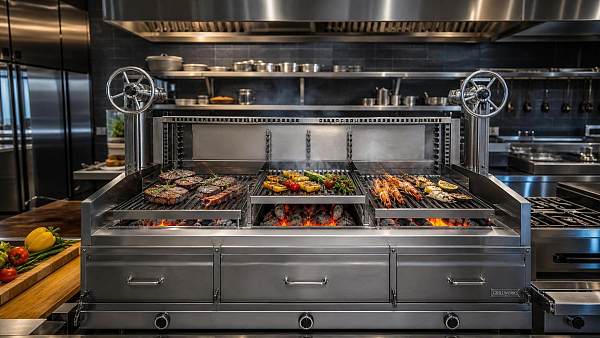
Properties serving breakfast, room service, events, and all-day dining place intense pressure on core kitchen assets. Heat exposure, cleaning frequency, and constant loading accelerate component fatigue.
In this scene, Hotel & Catering Equipment replacement costs rise because downtime is expensive. Emergency purchases often cost more than scheduled upgrades.
Key judgment points in high-output kitchens
- Daily service hours exceed standard commercial assumptions.
- Equipment handles multiple menus and rapid turnover.
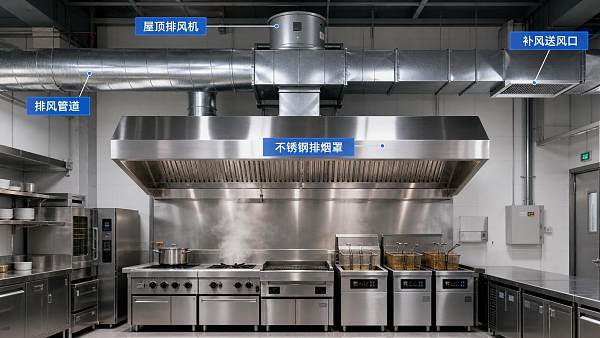
- Ventilation, grease, steam, and water exposure increase wear.
- Service disruption creates revenue and reputation losses.
In these environments, replacement decisions should include not only unit cost, but also lost output, labor disruption, and temporary rental requirements.
Scenario 2: Renovation projects increase hidden replacement expenses
During hotel refurbishment, old Hotel & Catering Equipment may no longer fit the new layout, utility plan, or brand positioning. Size mismatches and utility conversions quickly raise total costs.
A replacement may require new extraction systems, drainage points, gas lines, or electrical capacity. The equipment itself may represent only part of the final budget.
Common renovation-driven cost triggers
- Reconfigured kitchens need different footprints or modular formats.
- Open-kitchen concepts require quieter and more attractive equipment.
- Premium brand upgrades call for better finish and presentation value.
- Legacy infrastructure cannot support new performance requirements.
For this reason, Hotel & Catering Equipment replacement costs should be evaluated as part of a full renovation system, not a single procurement line.
Scenario 3: Compliance-led replacements often arrive earlier than expected
Some assets are replaced not because they stop working, but because they no longer meet safety, hygiene, or efficiency standards. This is common in international hospitality portfolios.
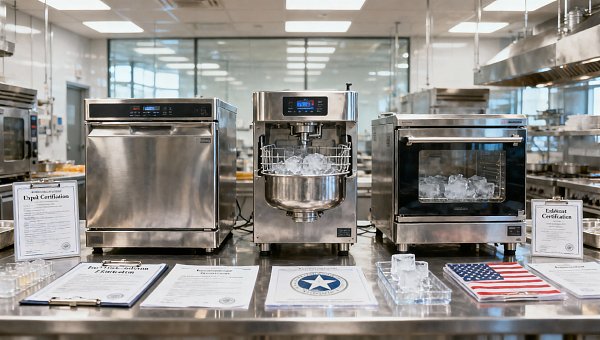
Food-contact materials, fire safety, ventilation standards, refrigeration gases, and electrical certifications can all affect Hotel & Catering Equipment replacement timing.
Compliance signals that raise replacement risk
- Outdated refrigerants or poor energy ratings.
- Surfaces that no longer satisfy hygiene protocols.
- Missing certifications for target markets or insurers.
- Equipment design that complicates cleaning validation.
Replacement costs rise further when fast compliance deadlines force limited supplier selection. Early audits create more sourcing flexibility and better commercial terms.
Scenario 4: Energy-saving upgrades reshape total replacement value
A newer unit may cost more upfront, yet lower utilities, maintenance, and heat output over time. In many cases, Hotel & Catering Equipment should be judged by lifecycle cost, not purchase price.
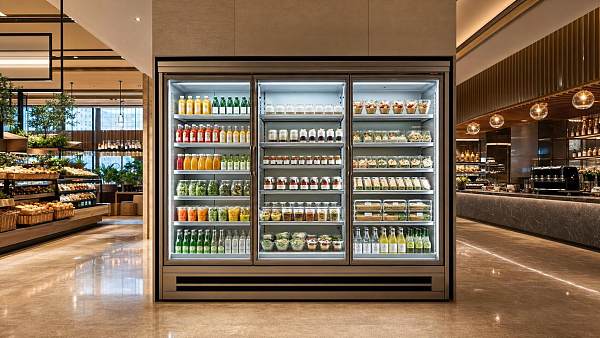
Induction systems, efficient refrigeration, smart controls, and heat recovery features can change the replacement equation. They also support sustainability targets and modern guest expectations.
When energy efficiency has the strongest impact
- Utility prices are volatile or structurally high.
- Kitchens run long daily operating hours.
- Properties report carbon reduction targets.
- Cooling loads rise due to older heat-producing assets.
This scenario shows why low-cost replacement choices can become expensive later. Better Hotel & Catering Equipment may improve both finance and operations.
How replacement drivers differ by application scene
Practical ways to control Hotel & Catering Equipment replacement costs
The strongest savings usually come from planning discipline. Replacement cost control depends on data, fit-for-use specifications, and timing.
- Map every asset by age, duty cycle, and maintenance record.
- Separate critical production equipment from lower-risk support items.
- Build replacement budgets around lifecycle value, not only capex.
- Check utility compatibility before selecting new Hotel & Catering Equipment.
- Compare OEM, ODM, and regional supply options carefully.
- Include spare parts, warranty terms, and service access in evaluation.
This approach reduces rushed orders and prevents specification drift during major hospitality upgrades.
Common misjudgments that inflate replacement budgets
Many Hotel & Catering Equipment projects exceed budget because the asset is viewed in isolation. The true replacement event includes transport, installation, commissioning, training, and disruption.
Another common mistake is copying specifications from another site. Operating conditions, menu mix, labor patterns, and local regulations may be completely different.
- Ignoring water quality and ventilation impacts on equipment life.
- Underestimating lead times for imported or custom-built units.
- Choosing the cheapest model without service network support.
- Missing the cost of temporary shutdowns during installation.
Avoiding these errors improves budget accuracy and helps Hotel & Catering Equipment perform longer in demanding hospitality settings.
Next steps for smarter replacement planning
A reliable replacement strategy starts with a scene-based review. Assess usage intensity, compliance exposure, energy performance, and site infrastructure before comparing suppliers.
For complex projects, use trusted market intelligence to benchmark Hotel & Catering Equipment options across regions, standards, and manufacturing capabilities. Better insight leads to better timing, lower risk, and stronger investment outcomes.
When replacement planning reflects real operating scenes, Hotel & Catering Equipment becomes a controlled capital decision rather than a costly surprise.
Search News
Hot Articles
- Restaurant FurnitureFast-Casual Restaurant Interiors: Design Choices That Improve Speed and Guest FlowOct 04, 2026
- Outdoor RidesHow to Select Leisure Park Equipment for Safe, High-Throughput Visitor AreasOct 03, 2026
- Fashion & Gem JewelryDiamond Tester Wholesale: How to Vet Accuracy, Calibration, and MOQ Before OrderingOct 02, 2026
Popular Tags
Need ExpertConsultation?
Connect with our specialized leisureengineering team for procurementstrategies.
Recommended News
 Sep 24, 2026Conveyor Pizza Oven Price: What Buyers Should Budget for Capacity and FeaturesConveyor pizza oven price guide: compare capacity, features, installation costs, and quote factors to choose the right commercial oven for your operation.● Hospitality Sourcing Dir
 Sep 23, 2026How Restaurant Buyers Can Source Hospitality Supplies Without OverorderingHospitality supplies for restaurants: learn practical sourcing strategies to cut excess inventory, protect cash flow, improve supplier reliability, and keep every service running smoothly.● Hospitality Sourcing Dir
 Sep 22, 2026Commercial Kitchen Design Price: Budgeting by Layout, Equipment, and MEP ScopeCommercial kitchen design price explained: budget smarter for layout, equipment, MEP scope, compliance, installation, and long-term operational performance.● Hospitality Sourcing Dir
 Sep 19, 2026How to Select a Spiral Dough Mixer for Bakery Batch Size and Dough HydrationSpiral dough mixer bakery guide: match batch size, flour load, and hydration to select reliable torque, temperature control, and consistent dough results.● Hospitality Sourcing Dir
 Sep 14, 2026How Restaurants Can Choose Disposable Wooden Cutlery for Takeout and CateringDisposable wooden cutlery fork spoon knife guide for restaurants: compare strength, finish, packaging, food-contact needs, and catering performance.● Hospitality Sourcing Dir
 Sep 12, 2026How to Size a Restaurant Walk-In Cooler for Peak Inventory and Kitchen LayoutRestaurant walk in coolers sized for peak inventory and kitchen workflow help improve food safety, staff efficiency, storage access, and long-term operational performance.● Hospitality Sourcing Dir
 Sep 10, 2026How to Choose a CE Hot Dog Roller for Safe, High-Volume Food Service?Choose a CE hot dog roller with confidence: compare compliance documents, heating consistency, cleaning design, capacity, and total cost for safe, high-volume food service.● Hospitality Sourcing Dir
 Sep 04, 2026How to Evaluate a Commercial Food Warmer Manufacturer for Bulk Catering ProjectsCommercial food warmer manufacturer evaluation guide for bulk catering projects: compare thermal performance, compliance, customization, costs, and after-sales support.● Hospitality Sourcing Dir
 Aug 30, 2026How Can Buyers Verify Supplier Qualifications Before a Bulk Order?How to confirm supplier qualifications before placing a bulk order: verify legal identity, factory capability, certificates, samples, quality controls, and payment safeguards.● Hospitality Sourcing Dir
 Aug 28, 2026Commercial Kitchen Design Standards: A Planning Checklist for Code-Compliant LayoutsCommercial kitchen design standards: use this practical checklist to plan safer, code-compliant layouts, streamline approvals, and avoid costly rework.● Hospitality Sourcing Dir
 Aug 06, 2026How to Choose Flake Ice Makers for Seafood Displays, Bars, and Food Prep?Flake ice makers buying guide: compare output, hygiene, storage, energy use, and reliability to choose the best solution for seafood displays, bars, and food prep.● Hospitality Sourcing Dir
 Aug 03, 2026Commercial Kitchen Design Price: What Drives Cost in a New Build Project?Commercial kitchen design price explained: discover what drives cost in a new build, from layout and equipment to ventilation, compliance, and hidden budget risks.● Hospitality Sourcing Dir
 Jul 30, 2026How to Choose a Countertop Commercial Pizza Oven for Capacity, Speed, and Space?Countertop commercial pizza oven buying guide: learn how to match capacity, bake speed, and kitchen space for consistent output, lower costs, and smarter purchasing decisions.● Hospitality Sourcing Dir
 Jul 22, 2026How to Evaluate a Cotton Candy Machine Supplier for Quality, Lead Time, and MOQCotton candy machine supplier selection starts with quality, lead time, and MOQ. Learn how to compare suppliers, reduce sourcing risk, and choose a partner that supports reliable growth.● Hospitality Sourcing Dir
 Jul 21, 2026How to Choose a Charcoal Commercial Grill for Capacity, Heat Control, and Menu FitCharcoal commercial grill buying guide: learn how to match capacity, heat control, and menu fit to boost consistency, service speed, and ROI in commercial kitchens.● Hospitality Sourcing Dir
 Jul 10, 2026FDA Import Alert Adds NSF/ANSI 50-2026 for Commercial Kitchen EquipmentFDA Import Alert now highlights NSF/ANSI 50-2026 for commercial kitchen equipment. Learn how dishwashers, ice machines, and steam cabinets can avoid U.S. port detention.● Hospitality Sourcing Dir
 Jul 05, 2026How to Select Energy Efficient Display Cabinets for Food Retail and HospitalityEnergy efficient display cabinets can cut operating costs while improving food safety, visibility, and service efficiency. Learn how to choose the right model for retail and hospitality.● Hospitality Sourcing Dir
 Jul 04, 2026CPSC Flags New UL 2595 Label Rule for Commercial Ice MakersCPSC flags a new UL 2595 label rule for commercial ice makers entering the U.S. after Aug. 1, 2026. Learn who is affected, key compliance steps, and how to avoid port delays and recall risk.● Hospitality Sourcing Dir
 Jun 29, 2026How to Choose Thermal Receipt Printers for Retail and Restaurant CountersThermal receipt printers for retail and restaurant counters: learn how to compare speed, durability, connectivity, and total operating cost to choose a model that supports smoother service.● Hospitality Sourcing Dir
 Jun 28, 2026Stainless Steel Kitchen Ventilation Systems: Key Specifications for Commercial ProjectsStainless steel kitchen ventilation systems: compare material grades, airflow capture, hygiene, fire safety, and installation specs for commercial projects before you buy.● Hospitality Sourcing Dir
 Jun 27, 2026Commercial Shawarma Machines: What to Check Before Buying for High-Volume ServiceShawarma machines commercial buying guide: learn how to compare capacity, heat control, durability, compliance, and lifecycle cost before choosing equipment for high-volume service.● Hospitality Sourcing Dir
 Jun 26, 2026Restaurant POS Systems: How to Compare Features, Costs, and ScalabilityRestaurant POS systems: compare features, costs, and scalability to find the best fit for your restaurant and boost long-term efficiency.● Hospitality Sourcing Dir
 Jun 25, 2026Kitchen Ventilation Systems Design: How to Size Hoods, Airflow, and Make-Up AirKitchen ventilation systems design explained clearly: learn how to size hoods, set exhaust airflow, and balance make-up air for safer, more efficient commercial kitchens.● Hospitality Sourcing Dir
 Jun 14, 2026Hot Dog Rollers for Convenience Stores and Cafes: Capacity, Heating Zones, and Cleaning TipsHot dog rollers buying guide for convenience stores and cafes: compare real capacity, heating zones, energy use, and cleaning tips to choose a smarter, lower-waste setup.● Hospitality Sourcing Dir