Are metronomes and tuners still worth buying in 2026?
In 2026, many musicians and buyers are asking whether metronomes and tuners still deserve a place beside apps and multifunction devices.
For anyone assessing value, accuracy, and durability, the answer depends on use case, environment, and expected performance consistency.
This guide explains why metronomes and tuners remain relevant, where digital tools fall short, and how to evaluate them in a modern sourcing context.
Current Definition of Metronomes and Tuners
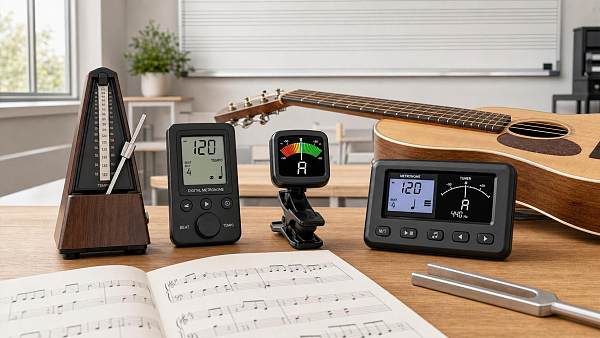
Metronomes and tuners are dedicated timing and pitch-reference devices used across music education, live performance, studio work, and instrument retail.
A metronome provides a stable pulse for tempo training. A tuner helps align an instrument to a target pitch, usually A440 or another defined reference.
In 2026, both products exist in mechanical, electronic, clip-on, pedal, desktop, rack, and hybrid formats.
App-based substitutes are common, yet dedicated metronomes and tuners still offer focused functionality, low distraction, and dependable operation in controlled settings.
That difference matters in commercial environments where consistency, training outcomes, and equipment reliability shape user experience.
Why dedicated tools still exist
- Stable performance without incoming calls or app interruptions
- Clearer tactile controls during rehearsal or stage preparation
- Lower battery drain compared with all-day phone use
- Better durability for classrooms, studios, and rental fleets
- Simpler onboarding for learners and shared-use spaces
Industry Signals Shaping Demand in 2026
The market for metronomes and tuners is no longer driven only by individual practice habits.
Demand now reflects broader trends in music education, event operations, hospitality entertainment, and specialty retail merchandising.
These signals show that metronomes and tuners are still worth buying when use conditions favor reliability over convenience alone.
Performance Value Compared with Apps
Apps are cheap, accessible, and often good enough for casual use.
However, dedicated metronomes and tuners can still outperform phones in several measurable areas.
Accuracy and response
Clip-on and pedal tuners often respond faster in noisy environments because they isolate vibration or direct signal input.
Phone microphones can struggle with background sound, room reflections, and low-frequency instruments.
Focus and learning quality
A dedicated metronome does one job. That simplicity reduces distractions and can improve tempo discipline during repetitive technical practice.
For educational settings, this focused interface is especially useful because it shortens setup time and lowers user confusion.
Operational reliability
Dedicated metronomes and tuners are less exposed to operating-system updates, notifications, and app crashes.
That matters in rehearsals, demonstrations, and staged performances where interruption carries visible cost.
Long-term ownership
A quality hardware unit may remain usable for years, while apps depend on device compatibility and ongoing software support.
For shared commercial inventories, hardware also simplifies asset tracking and replacement planning.
Commercial and Practical Value Across Sectors
The relevance of metronomes and tuners extends beyond personal musicianship.
They support service quality, training consistency, and product presentation across several commercial environments.
- Music retail: tuners help maintain demo instruments in ready-to-play condition.
- Education spaces: metronomes support group timing drills and exam preparation.
- Studios: standalone tools provide quick setup without screen dependency.
- Hospitality entertainment: performers benefit from dependable backstage tuning access.
- Rental and event operations: physical devices are easier to standardize across kits.
In these settings, metronomes and tuners function as small but important quality-control tools.
Typical Product Types and Best-Fit Scenarios
Choosing the right format matters more than choosing between hardware and software in the abstract.
For many buyers, the real question is not whether metronomes and tuners are obsolete.
It is whether the chosen format matches the intended workflow, acoustic conditions, and maintenance expectations.
Key Buying Considerations in 2026
A useful evaluation framework should balance functionality, total ownership cost, and operating environment.
For metronomes
- Tempo range and subdivision options
- Volume output and headphone compatibility
- Visual cue visibility for group use
- Battery life or winding durability
- Drop resistance and casing quality
For tuners
- Pitch detection speed and display readability
- Calibration flexibility and reference pitch options
- Noise resistance or vibration sensitivity
- Instrument compatibility
- Mounting stability and connector strength
When sourcing metronomes and tuners for repeated use, warranty clarity and spare-part availability should also be reviewed.
These details often matter more than minor differences in headline features.
Practical Recommendations and Final Assessment
So, are metronomes and tuners still worth buying in 2026?
Yes, when accuracy, focus, reliability, and shared-use practicality are important.
No single answer applies to every setting, because app convenience remains strong for informal and occasional use.
Still, dedicated metronomes and tuners continue to justify their place in structured practice, commercial presentation, and professional preparation.
A smart next step is to define the environment first, then compare hardware formats against actual usage conditions instead of general trends.
For organizations building dependable music, education, or entertainment setups, metronomes and tuners remain practical tools rather than outdated accessories.
That is why, even in 2026, metronomes and tuners still hold measurable value in the broader commercial equipment landscape.
Search News
Hot Articles
- Restaurant FurnitureFast-Casual Restaurant Interiors: Design Choices That Improve Speed and Guest FlowOct 04, 2026
- Outdoor RidesHow to Select Leisure Park Equipment for Safe, High-Throughput Visitor AreasOct 03, 2026
- Fashion & Gem JewelryDiamond Tester Wholesale: How to Vet Accuracy, Calibration, and MOQ Before OrderingOct 02, 2026
Popular Tags
Need ExpertConsultation?
Connect with our specialized leisureengineering team for procurementstrategies.
Recommended News
 Sep 11, 2026How to Choose Touring Instrument Cases for Flights, Trucks, and Daily Load-InsInstrument cases for touring: learn how to balance flight protection, truck durability, weight, fit, and serviceable hardware for safer, faster load-ins.● Pro Audio Engineer
 Sep 07, 2026How to Choose Wood Frame Tambourines for Sound Quality and Long-Term UseWood frame tambourines: learn how to compare frame construction, jingle tone, head options, durability, and supplier quality for reliable long-term performance.● Pro Audio Engineer
 Sep 05, 2026How Often Should Music Education Equipment Be Serviced?How often should music education equipment be serviced? Explore practical schedules, maintenance tips, and lifecycle planning to keep instruments and audio systems reliable.● Pro Audio Engineer
 Aug 21, 2026How to Choose Marching Band Drums for Sound Projection, Weight, and DurabilityMarching band drums buying guide: learn how to balance sound projection, weight, and durability for better field performance, easier carrying, and longer-lasting value.● Pro Audio Engineer
 Aug 09, 2026How to Evaluate a MIDI Cable Manufacturer for Audio Quality and OEM ReliabilityMIDI cable manufacturer evaluation guide: learn how to assess signal stability, connector quality, OEM process control, and batch consistency to reduce failures and source with confidence.● Pro Audio Engineer
 Aug 08, 2026How to Evaluate a Trumpets OEM Manufacturer for Quality, MOQ, and Custom DesignTrumpets OEM manufacturer selection starts with quality, MOQ, and custom design control. Learn how to compare suppliers, reduce sourcing risk, and choose a reliable long-term factory partner.● Pro Audio Engineer
 Jul 27, 2026How to Source Conga Drums in Bulk for Schools, Bands, and Event ProgramsConga drums bulk sourcing for schools, bands, and event programs made easier. Learn how to compare quality, durability, compliance, and total cost before you place a large order.● Pro Audio Engineer
 Jul 24, 2026How to Choose Low Dust Violin Rosin for Cleaner Practice and Better Bow ControlLow dust violin rosin buying guide: learn how to compare formula, climate fit, grip, and string compatibility for cleaner practice, better bow control, and smarter purchase decisions.● Pro Audio Engineer
 Jul 15, 2026Plastic Tambourines Bulk Buying Guide: Sizes, Materials, and MOQ QuestionsPlastic tambourines bulk buying guide covering sizes, ABS vs PP materials, sound consistency, customization, and MOQ questions to help buyers cut risk and choose the right supplier.● Pro Audio Engineer
 Jul 13, 2026Acoustic Guitars Wholesale China: How to Evaluate Build Quality and OEM OptionsAcoustic guitars wholesale China guide: learn how to assess build quality, factory consistency, and OEM options to choose reliable suppliers and reduce sourcing risk.● Pro Audio Engineer
 Jul 12, 2026Mini Effect Pedals Wholesale: MOQ, OEM Options, Testing, and Supplier ComparisonMini effect pedals wholesale guide covering MOQ, OEM options, testing standards, and supplier comparison to help buyers reduce risk, improve margins, and choose reliable partners.● Pro Audio Engineer
 Jul 11, 2026DJ Turntables OEM Guide: Key Torque, Drive, and Build Specs to CompareDJ turntables OEM guide covering torque, drive type, speed stability, platter build, and manufacturing consistency. Compare the specs that impact performance, reliability, and sourcing confidence.● Pro Audio Engineer
 Jul 08, 2026Guitar Capos Wholesale: What Materials, Clamp Types, and MOQ Terms Should You Compare?Guitar capos wholesale buying starts with more than price. Compare materials, clamp types, quality checks, and MOQ terms to reduce returns, protect margins, and choose a supplier with confidence.● Pro Audio Engineer
 Jul 07, 2026Birch Drum Kits Manufacturer Comparison: Shell Construction, Hardware Quality, and OEM OptionsBirch drum kits manufacturer comparison covering shell construction, hardware quality, and OEM options to help buyers reduce sourcing risk and choose reliable suppliers.● Pro Audio Engineer
 Jul 06, 2026Spruce Top Acoustic Guitars Explained: Tone, Wood Grades, and Who They Suit BestSpruce top acoustic guitars explained: compare tone, wood grades, and build quality to find the best fit for players, retailers, and commercial buyers.● Pro Audio Engineer
 Jun 30, 2026Xylophones and Glockenspiels: Key Differences in Range, Tone, and Classroom UseXylophones and glockenspiels compared: discover key differences in range, tone, durability, and classroom use to choose the right instrument for teaching, buying, or school programs.● Pro Audio Engineer
 Jun 25, 2026Musical Instrument Industry Report: Key Market Segments, Demand Drivers, and Price TrendsMusical instrument industry report covering key market segments, demand drivers, and price trends. Explore sourcing risks, premium growth, and where buyer demand is shifting next.● Pro Audio Engineer
 Jun 23, 2026Metronomes and Tuners Explained: Types, Key Features, and Who Needs BothMetronomes and tuners explained: compare types, key features, and who needs both. Learn how to choose the right tool for better timing, pitch, and practical daily use.● Pro Audio Engineer
 Jun 22, 2026How the Musical Instrument Industry Supply Chain Affects Lead Times, Cost, and QualityMusical instrument industry supply chain trends now shape lead times, cost, and quality. Discover how smarter sourcing and supplier transparency reduce risk and improve buying outcomes.● Pro Audio Engineer
 Jun 20, 2026DJ Headphones Wholesale Buying Guide: OEM Options, MOQ, and Audio Specs to CompareDJ headphones wholesale guide covering OEM options, MOQ strategy, and key audio specs. Compare build quality, compliance, and total cost to source smarter and reduce returns.● Pro Audio Engineer
 Jun 19, 2026Acoustic Guitars Wholesale: 7 Specs Buyers Should Compare Before Placing an OrderAcoustic guitars wholesale buyers can compare 7 key specs before ordering, from tonewoods and playability to OEM, packaging, and QC, to reduce risk and protect margins.● Pro Audio Engineer
 Jun 15, 2026Tambourines Bulk Buying Guide: Materials, Sound Quality, and Pack Size DifferencesTambourines bulk buying guide covering material choices, sound consistency, and pack size differences. Compare suppliers smarter, reduce risk, and choose the best fit for schools, retail, and events.● Pro Audio Engineer
 Jun 14, 2026Professional Musical Instruments Explained: Types, Skill Levels, and Buying CriteriaProfessional musical instruments explained: discover key types, ideal skill levels, and practical buying criteria to choose reliable, high-performance instruments with confidence.● Pro Audio Engineer
 Jun 10, 2026Drum Kits Manufacturer Comparison: What to Check Before OEM or Bulk OrdersDrum kits manufacturer comparison guide for OEM and bulk buyers: check quality, compliance, lead times, packaging, and true cost before placing large orders.● Pro Audio Engineer