When does percussion instruments bulk save money?
For procurement teams, knowing when percussion instruments bulk purchasing actually reduces total cost is key to balancing budget, quality, and supply reliability. From schools and event venues to distributors and music retailers, the right order size can unlock better unit pricing, lower shipping costs, and stronger supplier terms. This guide explores the timing, volume thresholds, and sourcing factors that determine real savings.
Why a Checklist Matters Before Buying Percussion Instruments in Bulk
Bulk buying looks attractive on paper, but savings depend on more than a lower quoted unit price.
Instruments vary in material, finish, tuning stability, packaging density, and breakage risk during transport.
A structured review helps compare landed cost, replacement rates, storage needs, and reorder timing.
That matters across the broader commercial trade landscape, where buyers often source mixed product categories under tight project schedules.
Core Checklist: When Does Percussion Instruments Bulk Purchasing Save Money?
- Calculate landed cost first, including tooling, export packing, duties, inland delivery, insurance, and replacement allowances rather than comparing ex-factory prices alone.
- Confirm volume breakpoints with at least three tiers, because real percussion instruments bulk savings usually appear after carton and pallet utilization improve.
- Match order size to usage speed, since slow-moving stock can erase discounts through warehousing, handling, moisture control, and tied-up working capital.
- Standardize specifications early, especially shell material, head type, hardware finish, and accessory bundles, to avoid fragmented SKUs and diluted pricing leverage.
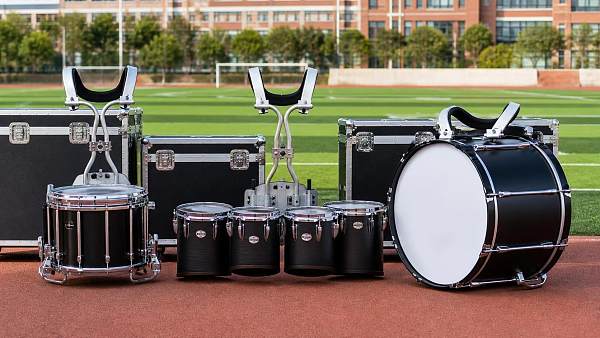
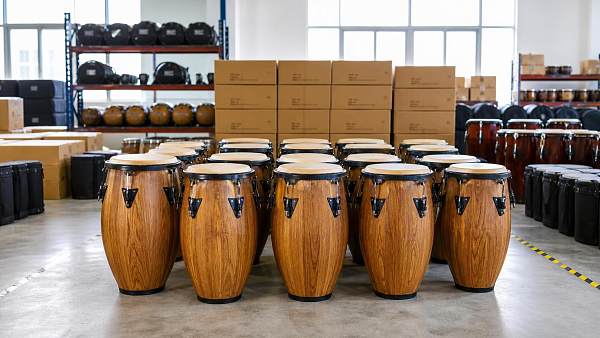
- Request packaging data per carton and per cubic meter, because bulky items like congas, djembes, and bass drums often save money only at container-efficient volumes.
- Audit defect tolerance and quality consistency before scaling, since low-cost batch purchases become expensive when tuning, cosmetic, or hardware issues trigger returns.
- Compare full-container, shared-container, and regional warehouse options, because shipping mode can change whether percussion instruments bulk orders truly reduce cost.
- Negotiate payment terms alongside price, as extended terms, phased production, or call-off delivery may produce better cash-flow savings than deeper discounts.
- Check seasonal timing, because ordering before school cycles, festival peaks, or holiday freight surcharges can create larger savings than adding a few extra units.
- Bundle adjacent accessories such as stands, mallets, bags, and replacement heads when supplier capability allows, improving freight efficiency and purchase consolidation.
The Main Cost Triggers That Make Bulk Orders Worth It
1. Freight efficiency improves sharply at packing thresholds
Many percussion categories are freight-sensitive rather than labor-sensitive. That means shipping density can determine profitability.
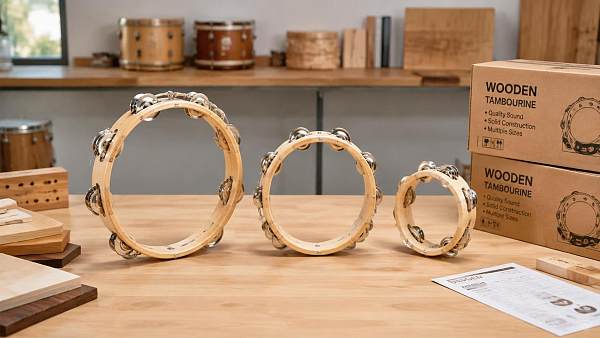
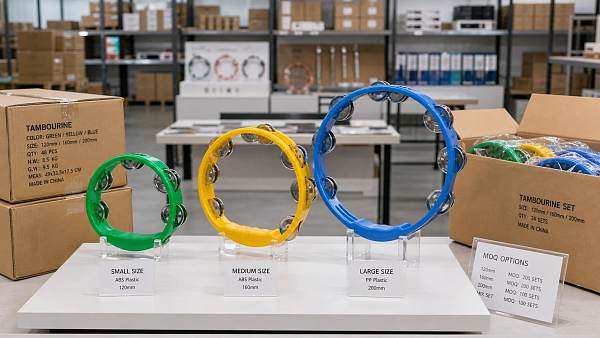
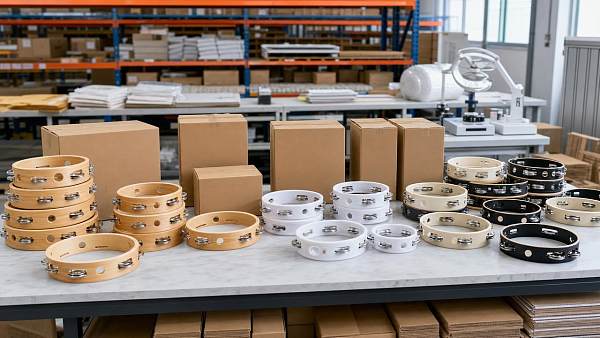
For example, tambourines and hand percussion stack efficiently, while larger drums consume cube quickly and need stronger protective packing.
If an order fills cartons or pallets cleanly, cost per unit often drops faster than expected.
2. Supplier pricing becomes more flexible at repeatable volumes
Factories prefer predictable, repeatable demand. A one-off order may get only a small discount.
However, rolling forecasts or annual commitments can unlock material planning savings, faster replenishment, and better quality control allocation.
This is where percussion instruments bulk purchasing often beats spot buying.
3. Consolidation reduces administrative overhead
Fewer purchase orders, fewer inspections, and fewer inbound receipts reduce transaction cost.
In commercial sourcing, that indirect saving can be as important as the invoice discount itself.
How Savings Change by Application Scenario
Schools and educational programs
Education buyers often benefit from percussion instruments bulk purchases when standard classroom sets are needed across multiple rooms or campuses.
Savings improve when specifications are simple, replacement parts are interchangeable, and usage is predictable across terms.
Event venues and hospitality spaces
Hotels, resorts, and entertainment venues usually need a balanced mix of durability, visual finish, and rapid availability.
Bulk buying works best when instruments are used in recurring programs, themed events, or multi-site venue rollouts.
For one-off seasonal entertainment, lighter stocking may beat large inventory commitments.
Distributors and music retailers
This group usually gains the most from percussion instruments bulk orders because margin depends on stock depth and replenishment cost.
The best results come from combining fast movers, private labeling, and mixed-container planning across several percussion subcategories.
Community programs and nonprofit projects
Budget-funded initiatives often need to stretch every dollar, but overbuying creates storage and maintenance problems.
Savings appear when grants support immediate deployment rather than long-term warehousing.
Commonly Overlooked Risks in Percussion Instruments Bulk Sourcing
Ignoring moisture and climate exposure. Natural wood shells and drum heads can react badly during storage or transit, increasing tuning complaints and warranty cost.
Accepting incomplete accessory definitions. Missing stands, straps, tuning keys, or carry bags can make a low quote misleading and trigger urgent local purchases.
Overestimating demand stability. Product preferences shift by age group, curriculum, and venue format, so large slow-moving inventory can become dead stock.
Choosing the wrong quality tier. Entry-level products may fit one channel but fail in commercial hospitality or rental use where durability standards are higher.
Skipping pre-shipment inspection. Cosmetic flaws, inconsistent finishes, and hardware looseness are easier to fix before dispatch than after delivery.
Practical Steps to Decide the Right Order Size
- Start with a 6- to 12-month demand estimate by SKU family, not by individual item description alone.
- Build a landed-cost sheet for three order quantities and compare unit cost against storage and cash-flow impact.
- Test one pilot batch before scaling custom finishes, logos, or bundled sets across a full percussion instruments bulk program.
- Ask for carton dimensions, pallet loading plans, and estimated container fill ratios before approving the final quantity.
- Use reorder points and safety stock rules so future purchases stay efficient instead of becoming emergency buys.
A Simple Rule of Thumb for Real Savings
Bulk ordering usually saves money when three conditions align: demand is predictable, logistics are optimized, and product specifications are standardized.
If one of those conditions is weak, the expected price advantage can disappear.
In practice, percussion instruments bulk purchasing works best for repeat programs, multi-site deployments, retail replenishment, and container-efficient assortments.
Conclusion and Next Action
The best time to place a percussion instruments bulk order is not simply when a supplier offers a lower unit price.
It is when forecast accuracy, packaging efficiency, supplier capability, and total landed cost all support a scalable purchase.
Review usage pace, compare shipping options, standardize specifications, and test quality before committing volume.
That approach turns bulk buying from a pricing gamble into a disciplined sourcing advantage.
Search News
Hot Articles
- Restaurant FurnitureFast-Casual Restaurant Interiors: Design Choices That Improve Speed and Guest FlowOct 04, 2026
- Outdoor RidesHow to Select Leisure Park Equipment for Safe, High-Throughput Visitor AreasOct 03, 2026
- Fashion & Gem JewelryDiamond Tester Wholesale: How to Vet Accuracy, Calibration, and MOQ Before OrderingOct 02, 2026
Popular Tags
Need ExpertConsultation?
Connect with our specialized leisureengineering team for procurementstrategies.
Recommended News
 Sep 11, 2026How to Choose Touring Instrument Cases for Flights, Trucks, and Daily Load-InsInstrument cases for touring: learn how to balance flight protection, truck durability, weight, fit, and serviceable hardware for safer, faster load-ins.● Pro Audio Engineer
 Sep 07, 2026How to Choose Wood Frame Tambourines for Sound Quality and Long-Term UseWood frame tambourines: learn how to compare frame construction, jingle tone, head options, durability, and supplier quality for reliable long-term performance.● Pro Audio Engineer
 Sep 05, 2026How Often Should Music Education Equipment Be Serviced?How often should music education equipment be serviced? Explore practical schedules, maintenance tips, and lifecycle planning to keep instruments and audio systems reliable.● Pro Audio Engineer
 Aug 21, 2026How to Choose Marching Band Drums for Sound Projection, Weight, and DurabilityMarching band drums buying guide: learn how to balance sound projection, weight, and durability for better field performance, easier carrying, and longer-lasting value.● Pro Audio Engineer
 Aug 09, 2026How to Evaluate a MIDI Cable Manufacturer for Audio Quality and OEM ReliabilityMIDI cable manufacturer evaluation guide: learn how to assess signal stability, connector quality, OEM process control, and batch consistency to reduce failures and source with confidence.● Pro Audio Engineer
 Aug 08, 2026How to Evaluate a Trumpets OEM Manufacturer for Quality, MOQ, and Custom DesignTrumpets OEM manufacturer selection starts with quality, MOQ, and custom design control. Learn how to compare suppliers, reduce sourcing risk, and choose a reliable long-term factory partner.● Pro Audio Engineer
 Jul 27, 2026How to Source Conga Drums in Bulk for Schools, Bands, and Event ProgramsConga drums bulk sourcing for schools, bands, and event programs made easier. Learn how to compare quality, durability, compliance, and total cost before you place a large order.● Pro Audio Engineer
 Jul 24, 2026How to Choose Low Dust Violin Rosin for Cleaner Practice and Better Bow ControlLow dust violin rosin buying guide: learn how to compare formula, climate fit, grip, and string compatibility for cleaner practice, better bow control, and smarter purchase decisions.● Pro Audio Engineer
 Jul 15, 2026Plastic Tambourines Bulk Buying Guide: Sizes, Materials, and MOQ QuestionsPlastic tambourines bulk buying guide covering sizes, ABS vs PP materials, sound consistency, customization, and MOQ questions to help buyers cut risk and choose the right supplier.● Pro Audio Engineer
 Jul 13, 2026Acoustic Guitars Wholesale China: How to Evaluate Build Quality and OEM OptionsAcoustic guitars wholesale China guide: learn how to assess build quality, factory consistency, and OEM options to choose reliable suppliers and reduce sourcing risk.● Pro Audio Engineer
 Jul 12, 2026Mini Effect Pedals Wholesale: MOQ, OEM Options, Testing, and Supplier ComparisonMini effect pedals wholesale guide covering MOQ, OEM options, testing standards, and supplier comparison to help buyers reduce risk, improve margins, and choose reliable partners.● Pro Audio Engineer
 Jul 11, 2026DJ Turntables OEM Guide: Key Torque, Drive, and Build Specs to CompareDJ turntables OEM guide covering torque, drive type, speed stability, platter build, and manufacturing consistency. Compare the specs that impact performance, reliability, and sourcing confidence.● Pro Audio Engineer
 Jul 08, 2026Guitar Capos Wholesale: What Materials, Clamp Types, and MOQ Terms Should You Compare?Guitar capos wholesale buying starts with more than price. Compare materials, clamp types, quality checks, and MOQ terms to reduce returns, protect margins, and choose a supplier with confidence.● Pro Audio Engineer
 Jul 07, 2026Birch Drum Kits Manufacturer Comparison: Shell Construction, Hardware Quality, and OEM OptionsBirch drum kits manufacturer comparison covering shell construction, hardware quality, and OEM options to help buyers reduce sourcing risk and choose reliable suppliers.● Pro Audio Engineer
 Jul 06, 2026Spruce Top Acoustic Guitars Explained: Tone, Wood Grades, and Who They Suit BestSpruce top acoustic guitars explained: compare tone, wood grades, and build quality to find the best fit for players, retailers, and commercial buyers.● Pro Audio Engineer
 Jun 30, 2026Xylophones and Glockenspiels: Key Differences in Range, Tone, and Classroom UseXylophones and glockenspiels compared: discover key differences in range, tone, durability, and classroom use to choose the right instrument for teaching, buying, or school programs.● Pro Audio Engineer
 Jun 25, 2026Musical Instrument Industry Report: Key Market Segments, Demand Drivers, and Price TrendsMusical instrument industry report covering key market segments, demand drivers, and price trends. Explore sourcing risks, premium growth, and where buyer demand is shifting next.● Pro Audio Engineer
 Jun 23, 2026Metronomes and Tuners Explained: Types, Key Features, and Who Needs BothMetronomes and tuners explained: compare types, key features, and who needs both. Learn how to choose the right tool for better timing, pitch, and practical daily use.● Pro Audio Engineer
 Jun 22, 2026How the Musical Instrument Industry Supply Chain Affects Lead Times, Cost, and QualityMusical instrument industry supply chain trends now shape lead times, cost, and quality. Discover how smarter sourcing and supplier transparency reduce risk and improve buying outcomes.● Pro Audio Engineer
 Jun 20, 2026DJ Headphones Wholesale Buying Guide: OEM Options, MOQ, and Audio Specs to CompareDJ headphones wholesale guide covering OEM options, MOQ strategy, and key audio specs. Compare build quality, compliance, and total cost to source smarter and reduce returns.● Pro Audio Engineer
 Jun 19, 2026Acoustic Guitars Wholesale: 7 Specs Buyers Should Compare Before Placing an OrderAcoustic guitars wholesale buyers can compare 7 key specs before ordering, from tonewoods and playability to OEM, packaging, and QC, to reduce risk and protect margins.● Pro Audio Engineer
 Jun 15, 2026Tambourines Bulk Buying Guide: Materials, Sound Quality, and Pack Size DifferencesTambourines bulk buying guide covering material choices, sound consistency, and pack size differences. Compare suppliers smarter, reduce risk, and choose the best fit for schools, retail, and events.● Pro Audio Engineer
 Jun 14, 2026Professional Musical Instruments Explained: Types, Skill Levels, and Buying CriteriaProfessional musical instruments explained: discover key types, ideal skill levels, and practical buying criteria to choose reliable, high-performance instruments with confidence.● Pro Audio Engineer
 Jun 10, 2026Drum Kits Manufacturer Comparison: What to Check Before OEM or Bulk OrdersDrum kits manufacturer comparison guide for OEM and bulk buyers: check quality, compliance, lead times, packaging, and true cost before placing large orders.● Pro Audio Engineer