Studio acoustic foam panels can help, but where exactly?
Studio acoustic foam panels can help reduce echoes, tame harsh reflections, and improve clarity—but only when they target the right surfaces. Many spaces sound bad for very different reasons, so random placement often wastes budget and wall area. Knowing where studio acoustic foam panels actually work is the fastest way to improve recording rooms, editing suites, offices, rehearsal areas, and commercial interiors.
Why placement matters more than panel quantity
Studio acoustic foam panels are designed to absorb mid and high frequencies. They do not solve every acoustic problem, and they do not replace structural soundproofing. That distinction matters in mixed-use commercial environments.
A room may suffer from flutter echo, excessive reverberation, bass buildup, speech masking, or outside noise leakage. Foam helps with some of these issues, but not all. The best results come from matching panel location to the acoustic symptom.
This checklist approach is useful because it prevents guesswork. Instead of covering walls at random, it identifies the exact reflection zones, listening positions, and activity patterns that shape what people actually hear.
Checklist: where studio acoustic foam panels help most
Use this practical list before buying or installing studio acoustic foam panels in any project.
- Identify first-reflection points beside the listening position, because side-wall reflections often blur stereo imaging and make speech or music monitoring less reliable.
- Treat the wall behind speakers when short, strong reflections bounce forward and interfere with direct sound in compact studios or small media rooms.
- Place panels on the rear wall if slapback echo appears after claps, speech, or percussion hits, especially in narrow rectangular rooms.
- Add ceiling treatment above the main work zone where hard ceilings reflect energy straight back downward into microphones, desks, and seated listeners.
- Focus on parallel hard surfaces first, since untreated opposing walls often create flutter echo that foam can reduce quickly and cost-effectively.
- Leave some reflective surfaces in place, because overusing studio acoustic foam panels can make a room sound dull, unnatural, or lifeless.
- Check panel thickness before installation, since thin foam mainly controls higher frequencies and has limited impact on deeper low-frequency problems.
- Test the room after each installation stage, using voice, music, or basic measurement tools to confirm whether the selected locations actually improved clarity.
- Combine foam with bass traps or denser absorbers where low-end buildup dominates, because foam alone rarely fixes corner resonance.
- Match coverage to room use, as a podcast booth, open office, lesson room, and retail demo area require different absorption priorities.
The exact surfaces to check first
Side walls at ear level
In small studios, these are usually the first places where studio acoustic foam panels make a clear difference. Reflections from the left and right walls reach the ears milliseconds after the direct sound.
That timing can smear imaging, soften transients, and make EQ decisions less accurate. If the room is used for editing, mixing, or voice review, these side-wall points deserve early attention.
The wall behind the listening position
Rear-wall reflections are common in compact rooms. When untreated, they can create audible slap, vocal harshness, or a boxy sense of space.
Studio acoustic foam panels can help here if the issue is short high-frequency reflection. In deeper rooms, diffusion or mixed treatment may be better than full foam coverage.
Ceilings above active zones
Hard ceilings are often ignored, even though they reflect strongly into microphones, conference tables, and workstation clusters. A ceiling cloud made with appropriate absorptive material can tighten speech intelligibility.
Studio acoustic foam panels may work overhead in lighter-duty applications, provided mounting safety, fire rating, and long-term maintenance are reviewed.
Parallel walls in narrow rooms
If handclaps produce a fast pinging effect, flutter echo is likely present. This is one of the easiest problems for studio acoustic foam panels to reduce.
Selective placement on one or both opposing surfaces can interrupt that repetitive reflection path without fully deadening the room.
How placement changes by application
Recording and mixing rooms
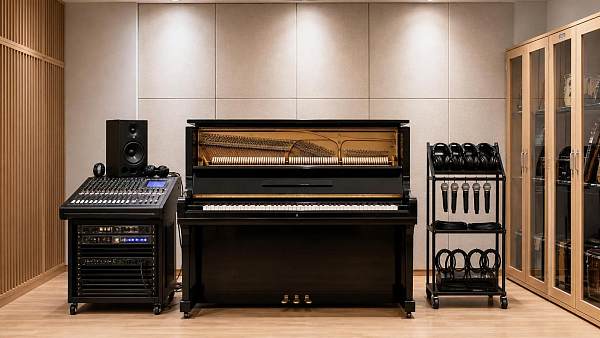
This is the most obvious use case for studio acoustic foam panels, but even here they should not dominate the full treatment plan. Early reflection points matter more than decorative symmetry.
Foam is most useful around the mix position, on rear reflection surfaces, and in vocal recording zones where brightness and room ring need control.
Podcast booths and voice rooms
Speech recording benefits from reducing close, sharp reflections. Studio acoustic foam panels can be effective behind and beside the speaker, especially in booths built from hard modular surfaces.
However, too much foam in a tiny booth can make speech sound dry and unnatural. A controlled, balanced vocal sound usually beats total absorption.
Offices, classrooms, and meeting spaces
In commercial interiors, the goal is often intelligibility rather than music accuracy. Studio acoustic foam panels may help in focus rooms, media labs, training rooms, or AV testing spaces.
For larger office environments, foam should be one option among broader acoustic strategies, including ceiling systems, partitions, carpets, and layout planning.
Retail demo zones and experience-led spaces
Showrooms featuring audio products, musical instruments, or branded media displays often suffer from reflective finishes. Studio acoustic foam panels can improve demonstration clarity when hidden behind design elements or used in targeted test corners.
The challenge is visual integration. In premium environments, performance must align with aesthetics, durability, and compliance expectations.
Common mistakes and overlooked risks
Using foam as soundproofing
Studio acoustic foam panels absorb reflections inside a room. They do not block traffic noise, machinery noise, or sound transfer through walls, floors, and doors.
Ignoring low-frequency buildup
If the room sounds boomy, uneven, or bass-heavy in corners, foam alone will disappoint. That problem usually needs bass traps, thicker absorbers, or layout changes.
Covering every wall surface
Over-application can strip away useful liveliness. A room that measures quieter may still feel uncomfortable or unnatural for music, conversation, and customer-facing activities.
Skipping fire and durability review
In commercial projects, material selection involves more than sound. Fire rating, adhesive suitability, cleaning needs, aging behavior, and code compliance should be reviewed before specification.
Treating symptoms without testing
A room may sound harsh because of glass, desk reflections, speaker placement, or ceiling height. Installing studio acoustic foam panels without diagnosis can fix the wrong problem.
Practical execution steps
- Walk the room and clap, speak, and play reference audio to identify flutter, slapback, brightness, or muddiness.
- Mark first-reflection points on side walls and ceilings using a mirror method or simple listening tests.
- Start with limited coverage in the highest-impact zones before expanding treatment.
- Review panel thickness, density, finish quality, and commercial safety documentation.
- Retest after installation and adjust coverage if the room becomes too live or too dry.
Conclusion and next step
Studio acoustic foam panels help most at first-reflection points, rear reflection surfaces, problematic ceilings, and flutter-prone parallel walls. They are less useful for isolation and weak against major low-frequency issues.
Before installing anything, define the acoustic problem, map the reflection path, and test one zone at a time. That approach delivers better clarity, better value, and better long-term performance across studios and commercial spaces alike.
Search News
Hot Articles
- Restaurant FurnitureFast-Casual Restaurant Interiors: Design Choices That Improve Speed and Guest FlowOct 04, 2026
- Outdoor RidesHow to Select Leisure Park Equipment for Safe, High-Throughput Visitor AreasOct 03, 2026
- Fashion & Gem JewelryDiamond Tester Wholesale: How to Vet Accuracy, Calibration, and MOQ Before OrderingOct 02, 2026
Popular Tags
Need ExpertConsultation?
Connect with our specialized leisureengineering team for procurementstrategies.
Recommended News
 Sep 11, 2026How to Choose Touring Instrument Cases for Flights, Trucks, and Daily Load-InsInstrument cases for touring: learn how to balance flight protection, truck durability, weight, fit, and serviceable hardware for safer, faster load-ins.● Pro Audio Engineer
 Sep 07, 2026How to Choose Wood Frame Tambourines for Sound Quality and Long-Term UseWood frame tambourines: learn how to compare frame construction, jingle tone, head options, durability, and supplier quality for reliable long-term performance.● Pro Audio Engineer
 Sep 05, 2026How Often Should Music Education Equipment Be Serviced?How often should music education equipment be serviced? Explore practical schedules, maintenance tips, and lifecycle planning to keep instruments and audio systems reliable.● Pro Audio Engineer
 Aug 21, 2026How to Choose Marching Band Drums for Sound Projection, Weight, and DurabilityMarching band drums buying guide: learn how to balance sound projection, weight, and durability for better field performance, easier carrying, and longer-lasting value.● Pro Audio Engineer
 Aug 09, 2026How to Evaluate a MIDI Cable Manufacturer for Audio Quality and OEM ReliabilityMIDI cable manufacturer evaluation guide: learn how to assess signal stability, connector quality, OEM process control, and batch consistency to reduce failures and source with confidence.● Pro Audio Engineer
 Aug 08, 2026How to Evaluate a Trumpets OEM Manufacturer for Quality, MOQ, and Custom DesignTrumpets OEM manufacturer selection starts with quality, MOQ, and custom design control. Learn how to compare suppliers, reduce sourcing risk, and choose a reliable long-term factory partner.● Pro Audio Engineer
 Jul 27, 2026How to Source Conga Drums in Bulk for Schools, Bands, and Event ProgramsConga drums bulk sourcing for schools, bands, and event programs made easier. Learn how to compare quality, durability, compliance, and total cost before you place a large order.● Pro Audio Engineer
 Jul 24, 2026How to Choose Low Dust Violin Rosin for Cleaner Practice and Better Bow ControlLow dust violin rosin buying guide: learn how to compare formula, climate fit, grip, and string compatibility for cleaner practice, better bow control, and smarter purchase decisions.● Pro Audio Engineer
 Jul 15, 2026Plastic Tambourines Bulk Buying Guide: Sizes, Materials, and MOQ QuestionsPlastic tambourines bulk buying guide covering sizes, ABS vs PP materials, sound consistency, customization, and MOQ questions to help buyers cut risk and choose the right supplier.● Pro Audio Engineer
 Jul 13, 2026Acoustic Guitars Wholesale China: How to Evaluate Build Quality and OEM OptionsAcoustic guitars wholesale China guide: learn how to assess build quality, factory consistency, and OEM options to choose reliable suppliers and reduce sourcing risk.● Pro Audio Engineer
 Jul 12, 2026Mini Effect Pedals Wholesale: MOQ, OEM Options, Testing, and Supplier ComparisonMini effect pedals wholesale guide covering MOQ, OEM options, testing standards, and supplier comparison to help buyers reduce risk, improve margins, and choose reliable partners.● Pro Audio Engineer
 Jul 11, 2026DJ Turntables OEM Guide: Key Torque, Drive, and Build Specs to CompareDJ turntables OEM guide covering torque, drive type, speed stability, platter build, and manufacturing consistency. Compare the specs that impact performance, reliability, and sourcing confidence.● Pro Audio Engineer
 Jul 08, 2026Guitar Capos Wholesale: What Materials, Clamp Types, and MOQ Terms Should You Compare?Guitar capos wholesale buying starts with more than price. Compare materials, clamp types, quality checks, and MOQ terms to reduce returns, protect margins, and choose a supplier with confidence.● Pro Audio Engineer
 Jul 07, 2026Birch Drum Kits Manufacturer Comparison: Shell Construction, Hardware Quality, and OEM OptionsBirch drum kits manufacturer comparison covering shell construction, hardware quality, and OEM options to help buyers reduce sourcing risk and choose reliable suppliers.● Pro Audio Engineer
 Jul 06, 2026Spruce Top Acoustic Guitars Explained: Tone, Wood Grades, and Who They Suit BestSpruce top acoustic guitars explained: compare tone, wood grades, and build quality to find the best fit for players, retailers, and commercial buyers.● Pro Audio Engineer
 Jun 30, 2026Xylophones and Glockenspiels: Key Differences in Range, Tone, and Classroom UseXylophones and glockenspiels compared: discover key differences in range, tone, durability, and classroom use to choose the right instrument for teaching, buying, or school programs.● Pro Audio Engineer
 Jun 25, 2026Musical Instrument Industry Report: Key Market Segments, Demand Drivers, and Price TrendsMusical instrument industry report covering key market segments, demand drivers, and price trends. Explore sourcing risks, premium growth, and where buyer demand is shifting next.● Pro Audio Engineer
 Jun 23, 2026Metronomes and Tuners Explained: Types, Key Features, and Who Needs BothMetronomes and tuners explained: compare types, key features, and who needs both. Learn how to choose the right tool for better timing, pitch, and practical daily use.● Pro Audio Engineer
 Jun 22, 2026How the Musical Instrument Industry Supply Chain Affects Lead Times, Cost, and QualityMusical instrument industry supply chain trends now shape lead times, cost, and quality. Discover how smarter sourcing and supplier transparency reduce risk and improve buying outcomes.● Pro Audio Engineer
 Jun 20, 2026DJ Headphones Wholesale Buying Guide: OEM Options, MOQ, and Audio Specs to CompareDJ headphones wholesale guide covering OEM options, MOQ strategy, and key audio specs. Compare build quality, compliance, and total cost to source smarter and reduce returns.● Pro Audio Engineer
 Jun 19, 2026Acoustic Guitars Wholesale: 7 Specs Buyers Should Compare Before Placing an OrderAcoustic guitars wholesale buyers can compare 7 key specs before ordering, from tonewoods and playability to OEM, packaging, and QC, to reduce risk and protect margins.● Pro Audio Engineer
 Jun 15, 2026Tambourines Bulk Buying Guide: Materials, Sound Quality, and Pack Size DifferencesTambourines bulk buying guide covering material choices, sound consistency, and pack size differences. Compare suppliers smarter, reduce risk, and choose the best fit for schools, retail, and events.● Pro Audio Engineer
 Jun 14, 2026Professional Musical Instruments Explained: Types, Skill Levels, and Buying CriteriaProfessional musical instruments explained: discover key types, ideal skill levels, and practical buying criteria to choose reliable, high-performance instruments with confidence.● Pro Audio Engineer
 Jun 10, 2026Drum Kits Manufacturer Comparison: What to Check Before OEM or Bulk OrdersDrum kits manufacturer comparison guide for OEM and bulk buyers: check quality, compliance, lead times, packaging, and true cost before placing large orders.● Pro Audio Engineer