GCC Mandates G-Mark Conformity Labeling for Musical Instruments from Q3 2026
On May 13, 2026, the Gulf Standardization Organization (GSO) issued Revision GSO 2221:2026, mandating GCC Conformity Marking (G-mark) and a Certificate of Conformity (CoC) for all musical instruments imported into the six GCC member states—including Saudi Arabia and the United Arab Emirates—effective July 1, 2026. This regulatory update directly impacts manufacturers, exporters, distributors, and compliance service providers engaged in the musical instrument trade with the GCC region.
Event Overview
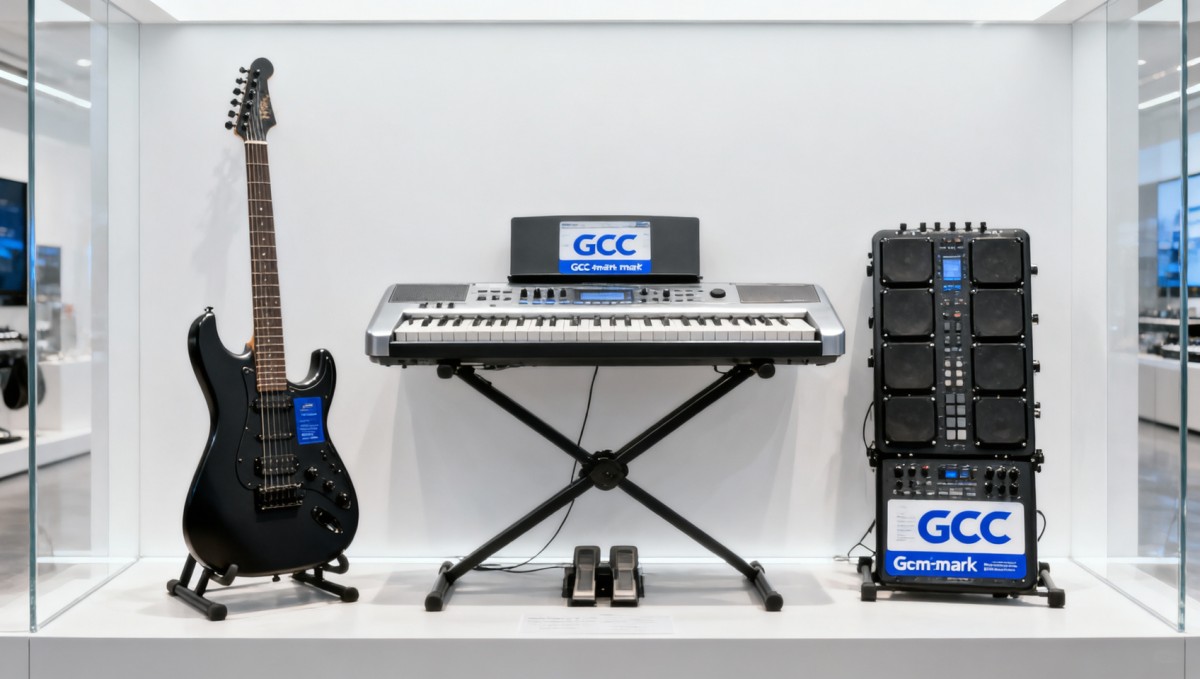
The Gulf Cooperation Council (GCC) Standardization Organization published GSO 2221:2026 on May 13, 2026. The revision requires that all musical instruments—including electric guitars, electronic keyboards, and percussion instruments—imported into GCC countries (Bahrain, Kuwait, Oman, Qatar, Saudi Arabia, and the UAE) must bear the GCC Conformity Marking (G-mark) and be accompanied by a CoC issued by an accredited GSO certification body. Enforcement begins on July 1, 2026. Non-compliant products will be removed from all sales channels.
Industries Affected
Direct Exporters and Trading Companies
Exporters shipping musical instruments to GCC markets must now ensure each consignment carries both physical G-mark labeling and a valid CoC. Failure to do so will result in customs rejection or post-import removal from retail and e-commerce platforms. This adds mandatory pre-shipment verification steps and potential delays at border clearance.
Instrument Manufacturers (OEM/ODM)
Manufacturers—especially those producing electric guitars, digital pianos, and electronic percussion—must adapt production lines to apply the G-mark permanently and legibly on product bodies or packaging. They also bear responsibility for initiating and maintaining GSO certification, including factory audits and technical documentation submission.
Distributors and Importers
Local GCC importers and regional distributors are now liable for verifying CoC validity and G-mark presence before warehousing or resale. Their inventory management systems must flag non-compliant SKUs, and their contracts with overseas suppliers may require updated clauses allocating conformity responsibilities and liability for non-compliance penalties.
Compliance and Certification Service Providers
Third-party certification bodies accredited by GSO will see increased demand for GSO 2221:2026 assessment, testing, and CoC issuance. These providers must confirm their accreditation scope explicitly covers musical instruments under the revised standard—and communicate lead times and documentation requirements clearly to clients ahead of the July 2026 deadline.
Key Actions for Relevant Businesses and Practitioners
Monitor official GSO communications and national implementation timelines
GSO sets the framework, but individual GCC member states (e.g., SASO in Saudi Arabia, ESMA in UAE) handle enforcement. Businesses should track country-specific guidance—such as labeling placement rules, acceptable CoC formats, and transitional arrangements—issued by each national authority between May and June 2026.
Identify high-priority product categories and supply chain touchpoints
Electric guitars, electronic keyboards, and percussion instruments are explicitly named in the regulation. Companies should audit current export SKUs against this list, prioritize certification for bestsellers or high-value items, and verify labeling application points (product vs. packaging vs. user manual) with their certification partner.
Distinguish policy announcement from operational readiness
The May 13, 2026 publication is a formal regulatory notice—not a grace period extension. The July 1, 2026 start date is fixed. Businesses should treat existing stock without G-mark or CoC as non-exportable after that date unless covered by a verified exemption (none currently announced).
Initiate certification engagement and labeling updates immediately
Given typical GSO certification timelines (6–12 weeks for first-time applicants), companies not yet certified under GSO 2221:2026 should contact accredited bodies by early June 2026. Simultaneously, internal teams should revise artwork files, packaging templates, and quality control checklists to integrate G-mark application protocols.
Editorial Perspective / Industry Observation
Observably, this mandate signals a shift toward harmonized, product-level traceability across the GCC market—not merely a paperwork update. Analysis shows the requirement reflects broader GSO efforts to align with international conformity assessment practices, particularly those related to electrical safety and electromagnetic compatibility (EMC), which often underpin musical instrument certifications. From an industry perspective, it functions less as an isolated compliance hurdle and more as an early indicator of tightening regulatory scrutiny for consumer electronics-adjacent products. Current enforcement focus remains on labeling and documentation; however, future revisions could extend to factory surveillance frequency or post-market surveillance protocols. Continuous monitoring beyond the July 2026 deadline is therefore warranted.
This update underscores how regional standardization evolves from voluntary alignment to mandatory market access condition. It does not introduce new technical requirements per se—but enforces visibility, accountability, and verifiability at the point of import. For stakeholders, its significance lies not in novelty, but in enforceability: non-compliance now carries direct commercial consequence across all sales channels.
Information Sources:
• Gulf Standardization Organization (GSO) – Official Publication of GSO 2221:2026, dated May 13, 2026
• GSO Technical Regulation Database (publicly accessible version as of May 2026)
Note: National implementation guidance from individual GCC members (e.g., SASO, ESMA) remains under active publication and should be tracked through official portals.
Search News
Hot Articles
- Restaurant FurnitureFast-Casual Restaurant Interiors: Design Choices That Improve Speed and Guest FlowOct 04, 2026
- Outdoor RidesHow to Select Leisure Park Equipment for Safe, High-Throughput Visitor AreasOct 03, 2026
- Fashion & Gem JewelryDiamond Tester Wholesale: How to Vet Accuracy, Calibration, and MOQ Before OrderingOct 02, 2026
Popular Tags
Need ExpertConsultation?
Connect with our specialized leisureengineering team for procurementstrategies.
Recommended News
 Sep 11, 2026How to Choose Touring Instrument Cases for Flights, Trucks, and Daily Load-InsInstrument cases for touring: learn how to balance flight protection, truck durability, weight, fit, and serviceable hardware for safer, faster load-ins.● Pro Audio Engineer
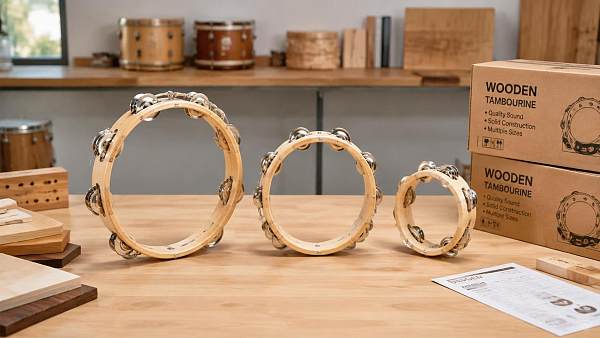
 Sep 07, 2026How to Choose Wood Frame Tambourines for Sound Quality and Long-Term UseWood frame tambourines: learn how to compare frame construction, jingle tone, head options, durability, and supplier quality for reliable long-term performance.● Pro Audio Engineer
 Sep 05, 2026How Often Should Music Education Equipment Be Serviced?How often should music education equipment be serviced? Explore practical schedules, maintenance tips, and lifecycle planning to keep instruments and audio systems reliable.● Pro Audio Engineer
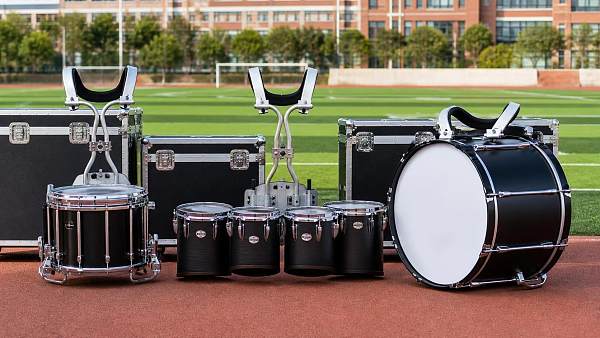
 Aug 21, 2026How to Choose Marching Band Drums for Sound Projection, Weight, and DurabilityMarching band drums buying guide: learn how to balance sound projection, weight, and durability for better field performance, easier carrying, and longer-lasting value.● Pro Audio Engineer
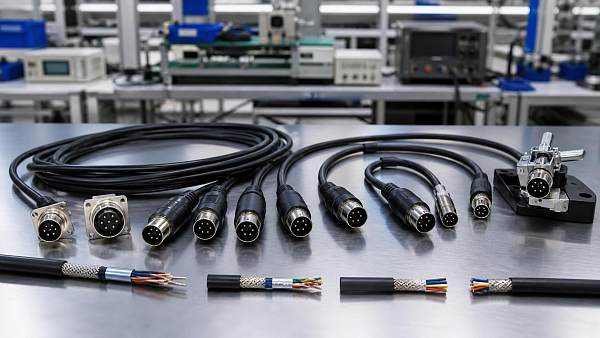
 Aug 09, 2026How to Evaluate a MIDI Cable Manufacturer for Audio Quality and OEM ReliabilityMIDI cable manufacturer evaluation guide: learn how to assess signal stability, connector quality, OEM process control, and batch consistency to reduce failures and source with confidence.● Pro Audio Engineer
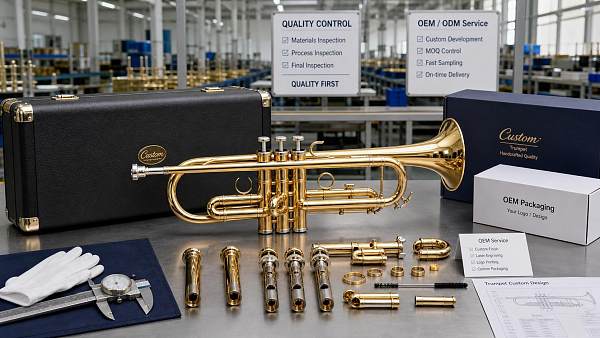
 Aug 08, 2026How to Evaluate a Trumpets OEM Manufacturer for Quality, MOQ, and Custom DesignTrumpets OEM manufacturer selection starts with quality, MOQ, and custom design control. Learn how to compare suppliers, reduce sourcing risk, and choose a reliable long-term factory partner.● Pro Audio Engineer
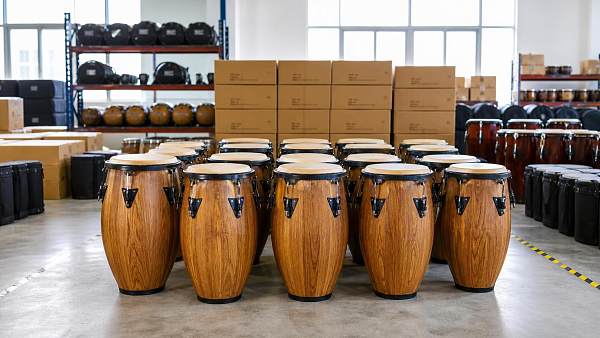
 Jul 27, 2026How to Source Conga Drums in Bulk for Schools, Bands, and Event ProgramsConga drums bulk sourcing for schools, bands, and event programs made easier. Learn how to compare quality, durability, compliance, and total cost before you place a large order.● Pro Audio Engineer
 Jul 24, 2026How to Choose Low Dust Violin Rosin for Cleaner Practice and Better Bow ControlLow dust violin rosin buying guide: learn how to compare formula, climate fit, grip, and string compatibility for cleaner practice, better bow control, and smarter purchase decisions.● Pro Audio Engineer
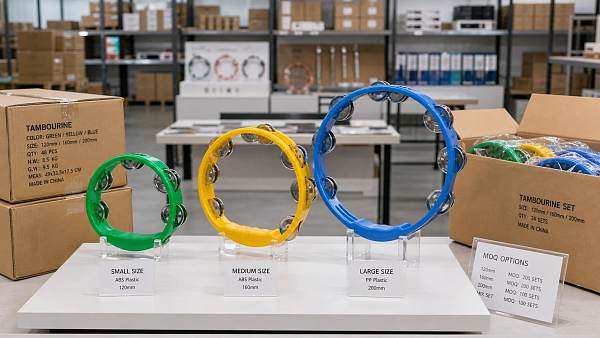
 Jul 15, 2026Plastic Tambourines Bulk Buying Guide: Sizes, Materials, and MOQ QuestionsPlastic tambourines bulk buying guide covering sizes, ABS vs PP materials, sound consistency, customization, and MOQ questions to help buyers cut risk and choose the right supplier.● Pro Audio Engineer
 Jul 13, 2026Acoustic Guitars Wholesale China: How to Evaluate Build Quality and OEM OptionsAcoustic guitars wholesale China guide: learn how to assess build quality, factory consistency, and OEM options to choose reliable suppliers and reduce sourcing risk.● Pro Audio Engineer
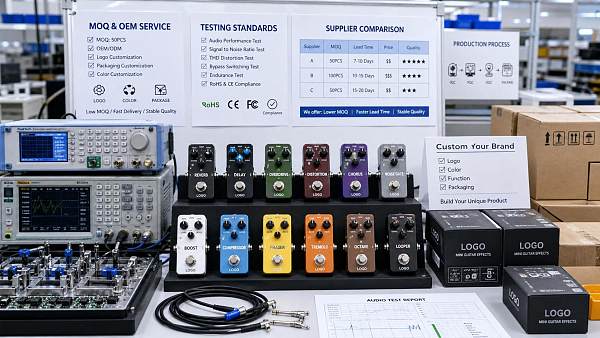
 Jul 12, 2026Mini Effect Pedals Wholesale: MOQ, OEM Options, Testing, and Supplier ComparisonMini effect pedals wholesale guide covering MOQ, OEM options, testing standards, and supplier comparison to help buyers reduce risk, improve margins, and choose reliable partners.● Pro Audio Engineer
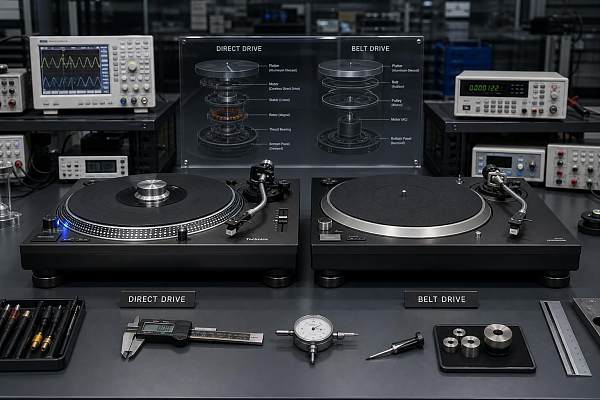
 Jul 11, 2026DJ Turntables OEM Guide: Key Torque, Drive, and Build Specs to CompareDJ turntables OEM guide covering torque, drive type, speed stability, platter build, and manufacturing consistency. Compare the specs that impact performance, reliability, and sourcing confidence.● Pro Audio Engineer
 Jul 08, 2026Guitar Capos Wholesale: What Materials, Clamp Types, and MOQ Terms Should You Compare?Guitar capos wholesale buying starts with more than price. Compare materials, clamp types, quality checks, and MOQ terms to reduce returns, protect margins, and choose a supplier with confidence.● Pro Audio Engineer
 Jul 07, 2026Birch Drum Kits Manufacturer Comparison: Shell Construction, Hardware Quality, and OEM OptionsBirch drum kits manufacturer comparison covering shell construction, hardware quality, and OEM options to help buyers reduce sourcing risk and choose reliable suppliers.● Pro Audio Engineer
 Jul 06, 2026Spruce Top Acoustic Guitars Explained: Tone, Wood Grades, and Who They Suit BestSpruce top acoustic guitars explained: compare tone, wood grades, and build quality to find the best fit for players, retailers, and commercial buyers.● Pro Audio Engineer
 Jun 30, 2026Xylophones and Glockenspiels: Key Differences in Range, Tone, and Classroom UseXylophones and glockenspiels compared: discover key differences in range, tone, durability, and classroom use to choose the right instrument for teaching, buying, or school programs.● Pro Audio Engineer
 Jun 25, 2026Musical Instrument Industry Report: Key Market Segments, Demand Drivers, and Price TrendsMusical instrument industry report covering key market segments, demand drivers, and price trends. Explore sourcing risks, premium growth, and where buyer demand is shifting next.● Pro Audio Engineer
 Jun 23, 2026Metronomes and Tuners Explained: Types, Key Features, and Who Needs BothMetronomes and tuners explained: compare types, key features, and who needs both. Learn how to choose the right tool for better timing, pitch, and practical daily use.● Pro Audio Engineer
 Jun 22, 2026How the Musical Instrument Industry Supply Chain Affects Lead Times, Cost, and QualityMusical instrument industry supply chain trends now shape lead times, cost, and quality. Discover how smarter sourcing and supplier transparency reduce risk and improve buying outcomes.● Pro Audio Engineer
 Jun 20, 2026DJ Headphones Wholesale Buying Guide: OEM Options, MOQ, and Audio Specs to CompareDJ headphones wholesale guide covering OEM options, MOQ strategy, and key audio specs. Compare build quality, compliance, and total cost to source smarter and reduce returns.● Pro Audio Engineer
 Jun 19, 2026Acoustic Guitars Wholesale: 7 Specs Buyers Should Compare Before Placing an OrderAcoustic guitars wholesale buyers can compare 7 key specs before ordering, from tonewoods and playability to OEM, packaging, and QC, to reduce risk and protect margins.● Pro Audio Engineer
 Jun 15, 2026Tambourines Bulk Buying Guide: Materials, Sound Quality, and Pack Size DifferencesTambourines bulk buying guide covering material choices, sound consistency, and pack size differences. Compare suppliers smarter, reduce risk, and choose the best fit for schools, retail, and events.● Pro Audio Engineer
 Jun 14, 2026Professional Musical Instruments Explained: Types, Skill Levels, and Buying CriteriaProfessional musical instruments explained: discover key types, ideal skill levels, and practical buying criteria to choose reliable, high-performance instruments with confidence.● Pro Audio Engineer
 Jun 10, 2026Drum Kits Manufacturer Comparison: What to Check Before OEM or Bulk OrdersDrum kits manufacturer comparison guide for OEM and bulk buyers: check quality, compliance, lead times, packaging, and true cost before placing large orders.● Pro Audio Engineer