What Makes Marching Band Drums Harder to Standardize Across Schools
Standardizing marching band drums across schools sounds straightforward, yet daily use shows otherwise. Programs differ in size, goals, climate, repertoire, transport limits, and funding cycles.
These variables shape how marching band drums are selected, tuned, maintained, and replaced. For educational institutions and commercial sourcing platforms, the challenge is not one product category.
It is a decision environment. Understanding that environment helps compare specifications realistically, avoid poor substitutions, and align procurement choices with actual performance needs.
Why one school setting rarely matches another
Marching band drums serve different functions depending on the school context. A competitive field show demands projection, articulation, and visual consistency under pressure.
A community parade program may value durability, easy transport, and stable tuning during long outdoor routes. The same drum setup will not suit both conditions equally.
Standardization becomes harder because schools evaluate success differently. Some prioritize adjudication scores, while others focus on participation, budget control, or year-round educational use.
That means marching band drums are judged by more than shell size or hardware. They are judged by how well they fit a specific instructional and operational setting.
Scenario: competitive field bands need precision over simplicity
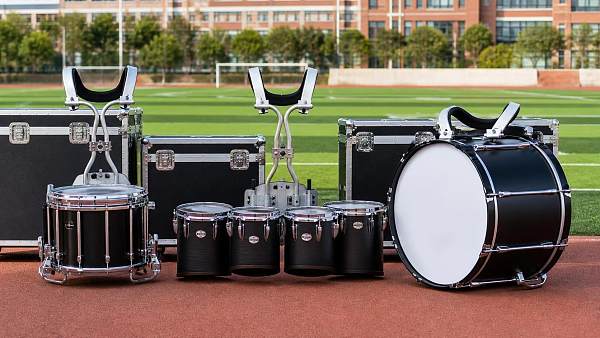
In competition-focused programs, marching band drums must deliver uniform response across the line. Tuning range, shell construction, and carrier balance become critical factors.
These programs often require matched snares, tenors, and bass drums from one system family. Visual alignment matters as much as tonal clarity during judged performances.
Core judgment points in this scenario
- Consistent tuning stability across rehearsals and travel
- Balanced weight for longer rehearsal blocks
- Uniform finish and hardware appearance
- Reliable projection in stadium settings
- Parts availability during the competition season
Because of these requirements, schools in this scenario may reject lower-cost marching band drums that seem acceptable on paper but fail under demanding use.
Scenario: parade and community event programs need endurance
Not every school performs in adjudicated field shows. Many appear mainly at parades, civic events, football games, and local ceremonies.
Here, marching band drums must tolerate weather shifts, uneven pavement, and frequent loading. Ease of maintenance may outweigh elite tonal nuance.
A lighter setup can be more valuable than advanced shell technology. If students march long routes, fatigue directly affects playing quality and safety.
Core judgment points in this scenario
- Weather resistance and hardware durability
- Comfort during extended street marching
- Simple tuning adjustments on location
- Lower repair complexity
- Good sound without specialized heads or accessories
This scenario shows why standardizing marching band drums by premium specification alone can misread actual institutional needs.
Scenario: developing programs choose flexibility over fixed formats
Smaller or newer schools often face changing enrollment and uneven student experience. Their percussion sections may expand or shrink from one season to the next.
In these environments, marching band drums must support flexibility. Modular setups and broad skill compatibility can be more useful than exact standardization.
A school may need multi-season value from each purchase. Equipment might serve marching season, indoor rehearsals, pep events, and beginner training.
Core judgment points in this scenario
- Adaptability across varying ensemble sizes
- Acceptable performance for mixed skill levels
- Long service life under general use
- Affordable replacement planning
- Compatibility with existing accessories
How school conditions create real differences in marching band drums
The biggest obstacle to standardization is not preference alone. It is the combination of operational, educational, and regional differences that shape product suitability.
For this reason, comparing marching band drums only by brand, price, or shell material misses the larger sourcing picture.
What to compare when evaluating marching band drums across schools
A better method is scenario-based comparison. This approach recognizes that standardization should happen within similar operating conditions, not across every institution.
Recommended comparison checklist
- Define the main performance environment for the marching band drums.
- Match drum weight to student age, stamina, and rehearsal duration.
- Review climate exposure and transport stress before final selection.
- Check replacement parts, heads, carriers, and service support.
- Estimate total ownership cost, not purchase price alone.
- Confirm whether equipment must serve multiple school events.
This structure creates more credible benchmarks. It also reduces the risk of importing a specification model from one school type into another.
Practical adaptation suggestions for better-fit purchasing
When standardization is unrealistic, partial alignment still helps. Schools can standardize key decision rules without forcing identical marching band drums everywhere.
Common mistakes that make marching band drums harder to standardize
One common error is assuming every school should match the equipment used by elite programs. Prestige does not automatically equal suitability.
Another mistake is ignoring non-musical factors. Storage limitations, repair delays, travel methods, and climate often decide success more than advertised specifications.
A third issue is comparing marching band drums without considering student load capacity. A technically impressive drum can still fail if it causes fatigue or inconsistent technique.
Finally, some evaluations overlook lifecycle cost. Frequent head changes, hard-to-source parts, or fragile finishes can erase initial savings very quickly.
A smarter next step for comparing marching band drums
The best path is to classify schools by use case before comparing equipment. That creates meaningful reference groups and clearer sourcing decisions.
For commercial research and global supply evaluation, this scenario-first method improves how marching band drums are assessed across education markets and related performance sectors.
Start with actual conditions: performance type, student profile, transport method, climate, budget timing, and maintenance capacity. Then compare marching band drums within that frame.
That approach leads to better-fit products, fewer costly mismatches, and stronger long-term value than pursuing universal standardization where real conditions never match.
Search News
Hot Articles
- Restaurant FurnitureFast-Casual Restaurant Interiors: Design Choices That Improve Speed and Guest FlowOct 04, 2026
- Outdoor RidesHow to Select Leisure Park Equipment for Safe, High-Throughput Visitor AreasOct 03, 2026
- Fashion & Gem JewelryDiamond Tester Wholesale: How to Vet Accuracy, Calibration, and MOQ Before OrderingOct 02, 2026
Popular Tags
Need ExpertConsultation?
Connect with our specialized leisureengineering team for procurementstrategies.
Recommended News
 Sep 11, 2026How to Choose Touring Instrument Cases for Flights, Trucks, and Daily Load-InsInstrument cases for touring: learn how to balance flight protection, truck durability, weight, fit, and serviceable hardware for safer, faster load-ins.● Pro Audio Engineer
 Sep 07, 2026How to Choose Wood Frame Tambourines for Sound Quality and Long-Term UseWood frame tambourines: learn how to compare frame construction, jingle tone, head options, durability, and supplier quality for reliable long-term performance.● Pro Audio Engineer
 Sep 05, 2026How Often Should Music Education Equipment Be Serviced?How often should music education equipment be serviced? Explore practical schedules, maintenance tips, and lifecycle planning to keep instruments and audio systems reliable.● Pro Audio Engineer
 Aug 21, 2026How to Choose Marching Band Drums for Sound Projection, Weight, and DurabilityMarching band drums buying guide: learn how to balance sound projection, weight, and durability for better field performance, easier carrying, and longer-lasting value.● Pro Audio Engineer
 Aug 09, 2026How to Evaluate a MIDI Cable Manufacturer for Audio Quality and OEM ReliabilityMIDI cable manufacturer evaluation guide: learn how to assess signal stability, connector quality, OEM process control, and batch consistency to reduce failures and source with confidence.● Pro Audio Engineer
 Aug 08, 2026How to Evaluate a Trumpets OEM Manufacturer for Quality, MOQ, and Custom DesignTrumpets OEM manufacturer selection starts with quality, MOQ, and custom design control. Learn how to compare suppliers, reduce sourcing risk, and choose a reliable long-term factory partner.● Pro Audio Engineer
 Jul 27, 2026How to Source Conga Drums in Bulk for Schools, Bands, and Event ProgramsConga drums bulk sourcing for schools, bands, and event programs made easier. Learn how to compare quality, durability, compliance, and total cost before you place a large order.● Pro Audio Engineer
 Jul 24, 2026How to Choose Low Dust Violin Rosin for Cleaner Practice and Better Bow ControlLow dust violin rosin buying guide: learn how to compare formula, climate fit, grip, and string compatibility for cleaner practice, better bow control, and smarter purchase decisions.● Pro Audio Engineer
 Jul 15, 2026Plastic Tambourines Bulk Buying Guide: Sizes, Materials, and MOQ QuestionsPlastic tambourines bulk buying guide covering sizes, ABS vs PP materials, sound consistency, customization, and MOQ questions to help buyers cut risk and choose the right supplier.● Pro Audio Engineer
 Jul 13, 2026Acoustic Guitars Wholesale China: How to Evaluate Build Quality and OEM OptionsAcoustic guitars wholesale China guide: learn how to assess build quality, factory consistency, and OEM options to choose reliable suppliers and reduce sourcing risk.● Pro Audio Engineer
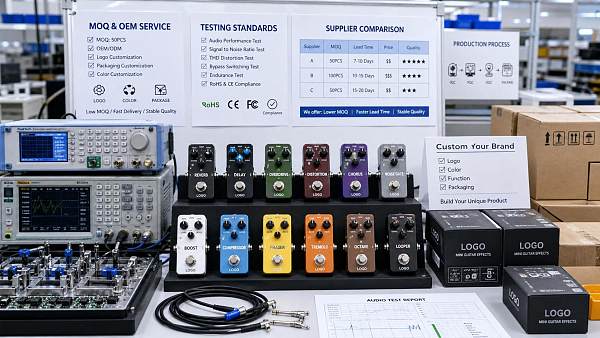
 Jul 12, 2026Mini Effect Pedals Wholesale: MOQ, OEM Options, Testing, and Supplier ComparisonMini effect pedals wholesale guide covering MOQ, OEM options, testing standards, and supplier comparison to help buyers reduce risk, improve margins, and choose reliable partners.● Pro Audio Engineer
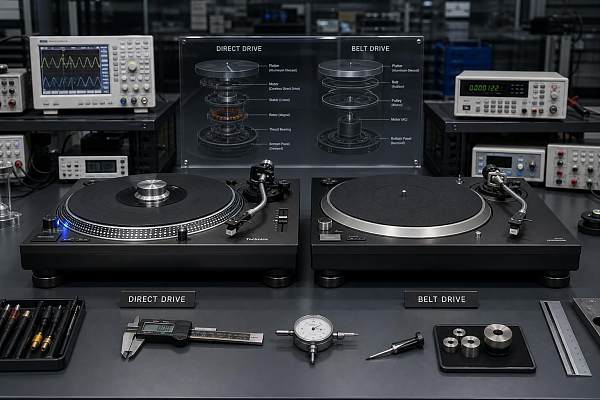
 Jul 11, 2026DJ Turntables OEM Guide: Key Torque, Drive, and Build Specs to CompareDJ turntables OEM guide covering torque, drive type, speed stability, platter build, and manufacturing consistency. Compare the specs that impact performance, reliability, and sourcing confidence.● Pro Audio Engineer
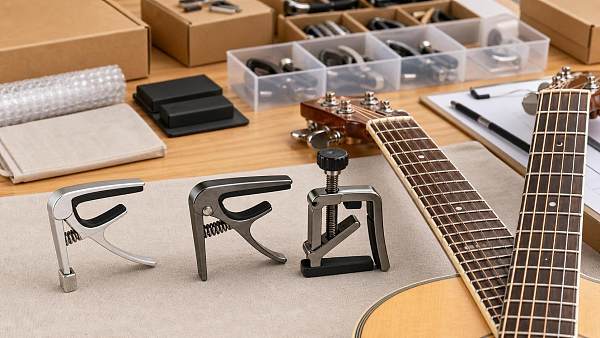
 Jul 08, 2026Guitar Capos Wholesale: What Materials, Clamp Types, and MOQ Terms Should You Compare?Guitar capos wholesale buying starts with more than price. Compare materials, clamp types, quality checks, and MOQ terms to reduce returns, protect margins, and choose a supplier with confidence.● Pro Audio Engineer
 Jul 07, 2026Birch Drum Kits Manufacturer Comparison: Shell Construction, Hardware Quality, and OEM OptionsBirch drum kits manufacturer comparison covering shell construction, hardware quality, and OEM options to help buyers reduce sourcing risk and choose reliable suppliers.● Pro Audio Engineer
 Jul 06, 2026Spruce Top Acoustic Guitars Explained: Tone, Wood Grades, and Who They Suit BestSpruce top acoustic guitars explained: compare tone, wood grades, and build quality to find the best fit for players, retailers, and commercial buyers.● Pro Audio Engineer
 Jun 30, 2026Xylophones and Glockenspiels: Key Differences in Range, Tone, and Classroom UseXylophones and glockenspiels compared: discover key differences in range, tone, durability, and classroom use to choose the right instrument for teaching, buying, or school programs.● Pro Audio Engineer
 Jun 25, 2026Musical Instrument Industry Report: Key Market Segments, Demand Drivers, and Price TrendsMusical instrument industry report covering key market segments, demand drivers, and price trends. Explore sourcing risks, premium growth, and where buyer demand is shifting next.● Pro Audio Engineer
 Jun 23, 2026Metronomes and Tuners Explained: Types, Key Features, and Who Needs BothMetronomes and tuners explained: compare types, key features, and who needs both. Learn how to choose the right tool for better timing, pitch, and practical daily use.● Pro Audio Engineer
 Jun 22, 2026How the Musical Instrument Industry Supply Chain Affects Lead Times, Cost, and QualityMusical instrument industry supply chain trends now shape lead times, cost, and quality. Discover how smarter sourcing and supplier transparency reduce risk and improve buying outcomes.● Pro Audio Engineer
 Jun 20, 2026DJ Headphones Wholesale Buying Guide: OEM Options, MOQ, and Audio Specs to CompareDJ headphones wholesale guide covering OEM options, MOQ strategy, and key audio specs. Compare build quality, compliance, and total cost to source smarter and reduce returns.● Pro Audio Engineer
 Jun 19, 2026Acoustic Guitars Wholesale: 7 Specs Buyers Should Compare Before Placing an OrderAcoustic guitars wholesale buyers can compare 7 key specs before ordering, from tonewoods and playability to OEM, packaging, and QC, to reduce risk and protect margins.● Pro Audio Engineer
 Jun 15, 2026Tambourines Bulk Buying Guide: Materials, Sound Quality, and Pack Size DifferencesTambourines bulk buying guide covering material choices, sound consistency, and pack size differences. Compare suppliers smarter, reduce risk, and choose the best fit for schools, retail, and events.● Pro Audio Engineer
 Jun 14, 2026Professional Musical Instruments Explained: Types, Skill Levels, and Buying CriteriaProfessional musical instruments explained: discover key types, ideal skill levels, and practical buying criteria to choose reliable, high-performance instruments with confidence.● Pro Audio Engineer
 Jun 10, 2026Drum Kits Manufacturer Comparison: What to Check Before OEM or Bulk OrdersDrum kits manufacturer comparison guide for OEM and bulk buyers: check quality, compliance, lead times, packaging, and true cost before placing large orders.● Pro Audio Engineer