Classical Guitars Manufacturer Options: Factory Scale or Hand Finish?
Choosing the right classical guitars manufacturer can shape product quality, pricing, and long-term supply reliability. For buyers comparing factory-scale production with hand-finished craftsmanship, the decision reaches far beyond volume. Tone consistency, wood selection, customization flexibility, lead times, and after-sales stability all matter. This guide explains the most important questions to ask when evaluating a classical guitars manufacturer for retail, distribution, education, or branded private-label programs.
What does a classical guitars manufacturer actually offer?
A classical guitars manufacturer may provide far more than basic assembly. Capabilities often include design support, tonewood sourcing, neck shaping, finishing, setup, labeling, packaging, and export compliance.
Some suppliers focus on OEM production. Others offer ODM development with catalog models, structural adjustments, and branding options. A few combine industrial consistency with artisan hand finishing.
In the pro audio and musical instruments sector, this distinction is important. A factory may produce thousands of units monthly, while a workshop may specialize in limited runs with detailed voicing work.
Before comparing prices, clarify the production model. Ask whether the supplier controls cutting, bracing, finishing, fretwork, and final setup internally or relies on subcontracting.
- Factory-scale output usually emphasizes repeatability and scheduling.
- Hand-finished output usually emphasizes feel, detail, and tonal refinement.
- Hybrid production can balance cost, consistency, and premium positioning.
How do factory-scale and hand-finished production differ in practice?
The biggest difference is not simply machine use. It is where human judgment enters the process and how much variation is acceptable within the final product line.
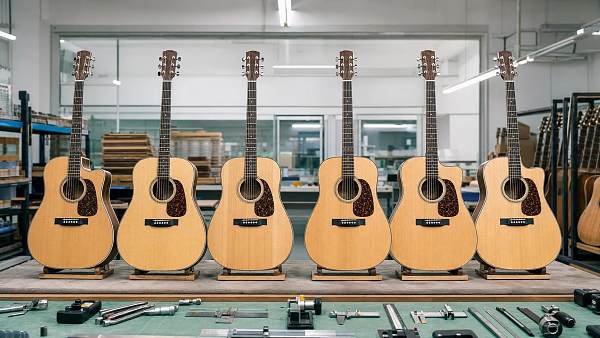
A factory-scale classical guitars manufacturer often uses standardized jigs, controlled drying, repeatable neck dimensions, and batch finishing. This supports dependable output across student, midrange, and entry professional models.
A hand-finished classical guitars manufacturer may still use machines for rough cutting. However, top tuning, fret dressing, saddle shaping, nut slotting, and finish detailing receive closer manual attention.
This affects the user experience. Factory instruments may feel highly consistent from carton to carton. Hand-finished instruments may offer more personality, but with wider natural variation in resonance and response.
Which option fits different commercial applications?
The right classical guitars manufacturer depends on the intended market. Product use should lead the sourcing decision, not assumptions about prestige alone.
Education and institutional programs
For school systems, music academies, and rental fleets, factory-scale production often works best. Stable action height, replacement availability, and repeatable specifications matter more than boutique individuality.
Retail chains and private-label programs
Retailers usually need controlled pricing tiers, packaging consistency, and reliable replenishment. A scalable classical guitars manufacturer with documented QC can support promotions and regional rollout plans.
Premium showrooms and specialty channels
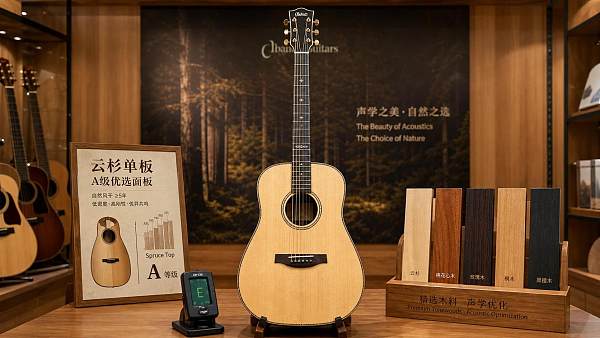
Hand-finished production suits premium display environments. Buyers can highlight wood character, finishing detail, and setup refinement as part of the product story.
Hospitality and experiential spaces
Luxury hotels, cultural venues, and branded leisure concepts may prefer visually distinctive instruments. In these settings, hand-finished or hybrid models support elevated presentation and curated experience design.
How should quality be evaluated beyond appearance?
A polished finish alone does not confirm a capable classical guitars manufacturer. Quality should be reviewed through structural, acoustic, and process-based checkpoints.
Start with materials. Confirm species declarations, moisture control methods, adhesive standards, and traceability for tops, backs, sides, fingerboards, and bridges.
Then review construction details. Bracing accuracy, neck angle, fret end treatment, nut slot precision, saddle compensation, and tuning machine stability all influence product performance.
Acoustic evaluation matters too. Check projection, note separation, sustain balance, and response uniformity across positions. Even entry-level instruments should avoid dead notes and unstable intonation.
Finally, ask how final inspection is documented. A reliable classical guitars manufacturer should have measurable setup standards rather than subjective approval alone.
- Request action and relief tolerances.
- Ask for humidity-control procedures.
- Review carton drop protection and export packaging.
- Confirm claim handling for cracks, warping, or finish issues.
What cost and lead-time trade-offs should be expected?
Cost should be analyzed as total sourcing value, not unit price only. The cheapest classical guitars manufacturer may create hidden expenses through higher defect rates or unstable replenishment.
Factory-scale suppliers often reduce cost through material planning, labor specialization, and batch processing. This usually supports stronger MOQ efficiency and shorter production windows.
Hand-finished suppliers typically charge more because labor time is higher. Certain premium woods, lacquer processes, and individual setup work also extend manufacturing cycles.
However, higher upfront price can support better margin positioning. Premium channels may convert craftsmanship into stronger storytelling, lower discount pressure, and improved customer perception.
What sourcing risks are commonly overlooked?
One common mistake is assuming handmade always means superior. Some hand-finished workshops deliver excellent results, but others lack process control, documentation, or stable output capacity.
Another mistake is assuming factory scale guarantees quality. A large classical guitars manufacturer can still cut corners on wood grading, fretwork, or final setup if oversight is weak.
Buyers also overlook seasonal wood movement. Instruments that perform well at origin may react differently after sea freight or climate transition if moisture control is poor.
Private-label programs carry branding risk too. If cosmetic standards change between batches, product pages, display materials, and customer expectations quickly become misaligned.
To reduce risk, validate the supplier through production records, third-party inspections, reference models, and post-shipment support terms. Consistency should be proven, not promised.
How can the final manufacturer decision be made with confidence?
A practical decision framework helps compare every classical guitars manufacturer on the same basis. This avoids overvaluing appearance, slogans, or sample-stage impressions.
The strongest approach is to shortlist suppliers, compare matched samples, audit QC routines, and test real batch readiness. Ask for evidence of consistent output over time.
In many cases, the best classical guitars manufacturer is neither fully industrial nor fully artisanal. A hybrid partner can deliver efficient production with enough hand finishing to support quality perception.
When the product must align with commercial reliability and market differentiation, sourcing should be structured around measurable standards, not assumptions. Define target users, expected margin, quality threshold, and delivery rhythm first.
From there, evaluate each classical guitars manufacturer against tone, build control, customization, lead time, and service response. A disciplined comparison process leads to stronger supply performance and better long-term brand results.
Search News
Hot Articles
- Restaurant FurnitureFast-Casual Restaurant Interiors: Design Choices That Improve Speed and Guest FlowOct 04, 2026
- Outdoor RidesHow to Select Leisure Park Equipment for Safe, High-Throughput Visitor AreasOct 03, 2026
- Fashion & Gem JewelryDiamond Tester Wholesale: How to Vet Accuracy, Calibration, and MOQ Before OrderingOct 02, 2026
Popular Tags
Need ExpertConsultation?
Connect with our specialized leisureengineering team for procurementstrategies.
Recommended News
 Sep 11, 2026How to Choose Touring Instrument Cases for Flights, Trucks, and Daily Load-InsInstrument cases for touring: learn how to balance flight protection, truck durability, weight, fit, and serviceable hardware for safer, faster load-ins.● Pro Audio Engineer
 Sep 07, 2026How to Choose Wood Frame Tambourines for Sound Quality and Long-Term UseWood frame tambourines: learn how to compare frame construction, jingle tone, head options, durability, and supplier quality for reliable long-term performance.● Pro Audio Engineer
 Sep 05, 2026How Often Should Music Education Equipment Be Serviced?How often should music education equipment be serviced? Explore practical schedules, maintenance tips, and lifecycle planning to keep instruments and audio systems reliable.● Pro Audio Engineer
 Aug 21, 2026How to Choose Marching Band Drums for Sound Projection, Weight, and DurabilityMarching band drums buying guide: learn how to balance sound projection, weight, and durability for better field performance, easier carrying, and longer-lasting value.● Pro Audio Engineer
 Aug 09, 2026How to Evaluate a MIDI Cable Manufacturer for Audio Quality and OEM ReliabilityMIDI cable manufacturer evaluation guide: learn how to assess signal stability, connector quality, OEM process control, and batch consistency to reduce failures and source with confidence.● Pro Audio Engineer
 Aug 08, 2026How to Evaluate a Trumpets OEM Manufacturer for Quality, MOQ, and Custom DesignTrumpets OEM manufacturer selection starts with quality, MOQ, and custom design control. Learn how to compare suppliers, reduce sourcing risk, and choose a reliable long-term factory partner.● Pro Audio Engineer
 Jul 27, 2026How to Source Conga Drums in Bulk for Schools, Bands, and Event ProgramsConga drums bulk sourcing for schools, bands, and event programs made easier. Learn how to compare quality, durability, compliance, and total cost before you place a large order.● Pro Audio Engineer
 Jul 24, 2026How to Choose Low Dust Violin Rosin for Cleaner Practice and Better Bow ControlLow dust violin rosin buying guide: learn how to compare formula, climate fit, grip, and string compatibility for cleaner practice, better bow control, and smarter purchase decisions.● Pro Audio Engineer
 Jul 15, 2026Plastic Tambourines Bulk Buying Guide: Sizes, Materials, and MOQ QuestionsPlastic tambourines bulk buying guide covering sizes, ABS vs PP materials, sound consistency, customization, and MOQ questions to help buyers cut risk and choose the right supplier.● Pro Audio Engineer
 Jul 13, 2026Acoustic Guitars Wholesale China: How to Evaluate Build Quality and OEM OptionsAcoustic guitars wholesale China guide: learn how to assess build quality, factory consistency, and OEM options to choose reliable suppliers and reduce sourcing risk.● Pro Audio Engineer
 Jul 12, 2026Mini Effect Pedals Wholesale: MOQ, OEM Options, Testing, and Supplier ComparisonMini effect pedals wholesale guide covering MOQ, OEM options, testing standards, and supplier comparison to help buyers reduce risk, improve margins, and choose reliable partners.● Pro Audio Engineer
 Jul 11, 2026DJ Turntables OEM Guide: Key Torque, Drive, and Build Specs to CompareDJ turntables OEM guide covering torque, drive type, speed stability, platter build, and manufacturing consistency. Compare the specs that impact performance, reliability, and sourcing confidence.● Pro Audio Engineer
 Jul 08, 2026Guitar Capos Wholesale: What Materials, Clamp Types, and MOQ Terms Should You Compare?Guitar capos wholesale buying starts with more than price. Compare materials, clamp types, quality checks, and MOQ terms to reduce returns, protect margins, and choose a supplier with confidence.● Pro Audio Engineer
 Jul 07, 2026Birch Drum Kits Manufacturer Comparison: Shell Construction, Hardware Quality, and OEM OptionsBirch drum kits manufacturer comparison covering shell construction, hardware quality, and OEM options to help buyers reduce sourcing risk and choose reliable suppliers.● Pro Audio Engineer
 Jul 06, 2026Spruce Top Acoustic Guitars Explained: Tone, Wood Grades, and Who They Suit BestSpruce top acoustic guitars explained: compare tone, wood grades, and build quality to find the best fit for players, retailers, and commercial buyers.● Pro Audio Engineer
 Jun 30, 2026Xylophones and Glockenspiels: Key Differences in Range, Tone, and Classroom UseXylophones and glockenspiels compared: discover key differences in range, tone, durability, and classroom use to choose the right instrument for teaching, buying, or school programs.● Pro Audio Engineer
 Jun 25, 2026Musical Instrument Industry Report: Key Market Segments, Demand Drivers, and Price TrendsMusical instrument industry report covering key market segments, demand drivers, and price trends. Explore sourcing risks, premium growth, and where buyer demand is shifting next.● Pro Audio Engineer
 Jun 23, 2026Metronomes and Tuners Explained: Types, Key Features, and Who Needs BothMetronomes and tuners explained: compare types, key features, and who needs both. Learn how to choose the right tool for better timing, pitch, and practical daily use.● Pro Audio Engineer
 Jun 22, 2026How the Musical Instrument Industry Supply Chain Affects Lead Times, Cost, and QualityMusical instrument industry supply chain trends now shape lead times, cost, and quality. Discover how smarter sourcing and supplier transparency reduce risk and improve buying outcomes.● Pro Audio Engineer
 Jun 20, 2026DJ Headphones Wholesale Buying Guide: OEM Options, MOQ, and Audio Specs to CompareDJ headphones wholesale guide covering OEM options, MOQ strategy, and key audio specs. Compare build quality, compliance, and total cost to source smarter and reduce returns.● Pro Audio Engineer
 Jun 19, 2026Acoustic Guitars Wholesale: 7 Specs Buyers Should Compare Before Placing an OrderAcoustic guitars wholesale buyers can compare 7 key specs before ordering, from tonewoods and playability to OEM, packaging, and QC, to reduce risk and protect margins.● Pro Audio Engineer
 Jun 15, 2026Tambourines Bulk Buying Guide: Materials, Sound Quality, and Pack Size DifferencesTambourines bulk buying guide covering material choices, sound consistency, and pack size differences. Compare suppliers smarter, reduce risk, and choose the best fit for schools, retail, and events.● Pro Audio Engineer
 Jun 14, 2026Professional Musical Instruments Explained: Types, Skill Levels, and Buying CriteriaProfessional musical instruments explained: discover key types, ideal skill levels, and practical buying criteria to choose reliable, high-performance instruments with confidence.● Pro Audio Engineer
 Jun 10, 2026Drum Kits Manufacturer Comparison: What to Check Before OEM or Bulk OrdersDrum kits manufacturer comparison guide for OEM and bulk buyers: check quality, compliance, lead times, packaging, and true cost before placing large orders.● Pro Audio Engineer