Electric Guitars OEM Delays Usually Start Long Before Production
Electric guitars OEM delays rarely begin at assembly. They usually emerge earlier, during quoting, specification alignment, compliance review, component approval, and forecast coordination.
In global trade, these early gaps can quietly expand lead times, increase landed cost, and weaken launch confidence. For electric guitars OEM programs, pre-production discipline often decides delivery performance.
This matters across commercial supply chains linked to retail, branded merchandise, education, entertainment venues, and pro audio distribution. The right sourcing path depends on the real use scenario.
Why electric guitars OEM delays often start before any factory work begins
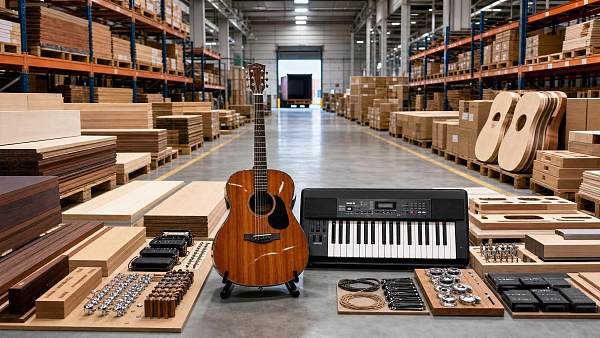
An electric guitars OEM project combines wood, metal hardware, electronics, surface finishing, packaging, labeling, and regional compliance. Each element may involve separate suppliers and approval checkpoints.
When one decision remains unclear, the entire timeline can slip. A missing pickup specification, unfinished artwork file, or uncertain neck profile can stall material booking before production planning starts.
In many sourcing cases, the visible delay appears during sampling. However, the root cause began earlier with incomplete RFQs, inconsistent revisions, or unrealistic target pricing.
For electric guitars OEM sourcing, the pre-production phase should be treated as a controlled commercial process, not a casual exchange of ideas and reference photos.
Scenario background: different commercial uses create different delay risks
Not every electric guitars OEM project follows the same path. A private-label retail launch faces different constraints than a venue backline order or a school instrument program.
The sourcing logic changes with usage intensity, target price, finish expectations, compliance region, and packaging requirements. That is why scenario-based planning reduces hidden delay triggers.
In broader commercial trade, these differences affect supplier choice, approval sequence, and inventory strategy. A strong electric guitars OEM process starts by defining the operating scenario clearly.
Scenario 1: private-label retail launches usually slow down at the specification stage
Retail programs often require distinctive finishes, custom headstock branding, packaging graphics, accessory bundles, and target margin protection. These details multiply review cycles before production booking.
A common electric guitars OEM issue appears when product positioning is still changing during sample development. Teams may revise body style, pickups, color codes, or carton dimensions too late.
The core judgment point is stability. If brand identity, feature hierarchy, and cost ceiling remain fluid, delays will likely begin before wood cutting or hardware allocation.
What to lock early in retail-driven electric guitars OEM programs
- Brand positioning and target player segment
- Final BOM, including pickups, tuners, bridge, and electronics
- Color references, finish tolerance, and gloss expectations
- Packaging artwork, barcode, manuals, and regional marks
- Acceptable cost range after freight and duty
Scenario 2: education and institutional orders usually fail at durability alignment
School and training programs prioritize repeatability, safe handling, maintenance simplicity, and budget control. Cosmetic customization is less important than consistent setup and service life.
In electric guitars OEM sourcing for institutions, delays often come from unclear durability expectations. Light-use retail components may not match high-frequency classroom handling.
Another problem is accessory mismatch. Cases, straps, cables, amplifiers, and spare parts may be sourced separately, but shipment readiness depends on coordinated approvals.
The key judgment point is lifecycle fit. If the product must survive repeated shared use, specifications must reflect maintenance reality before the sample is approved.
Scenario 3: venue, rental, and performance use often expose component lead-time risks
Performance-oriented orders need dependable electronics, stable tuning, and repair-friendly parts. In venue and rental settings, reliability matters more than decorative differentiation.
Electric guitars OEM delays in this scenario frequently begin with specialty components. Custom pickups, locking hardware, or branded cases can have longer procurement cycles than expected.
Another risk comes from finish choice. Some premium coatings require longer curing times or more careful quality control, especially under humid shipping conditions.
The core judgment point is operational reliability. If the guitar will be used under frequent transport and varied stage conditions, supply planning must favor robust, replaceable components.
Scenario 4: promotional or event-driven projects usually break at timeline assumptions
Event campaigns, artist collaborations, and limited editions often work backward from a fixed launch date. That creates pressure on design approval, sample signoff, and logistics booking.
For electric guitars OEM projects tied to exhibitions, seasonal sales, or media releases, the biggest mistake is assuming every supplier can compress lead time equally.
A fast assembly line cannot solve late approvals for logos, carton marks, or legal labeling. The delay started earlier, even if factory output later gets blamed.
How scenario differences change electric guitars OEM requirements
Practical scenario-fit advice for reducing electric guitars OEM delays
A reliable electric guitars OEM workflow should match the commercial scenario, not just the product sketch. The most effective risk controls usually happen before PO confirmation.
Recommended actions before sample approval
- Create one master specification file with revision history.
- Separate cosmetic requirements from performance-critical requirements.
- Confirm long-lead parts before finalizing launch dates.
- Check labeling, wood documentation, and destination compliance early.
- Define pass or fail criteria for setup, finish, and electronics.
- Align packaging, accessories, and pallet logic with shipping plans.
Useful sourcing signals when evaluating electric guitars OEM readiness
- Clear BOM traceability across hardware and electronics
- Structured sample feedback handling
- Visible compliance documentation process
- Realistic lead-time explanation by component category
- Stable communication across engineering, QC, and export functions
Frequent misjudgments that quietly extend electric guitars OEM timelines
One common mistake is treating sample completion as proof of production readiness. A sample can be hand-built while bulk material planning remains unresolved.
Another misjudgment is underestimating packaging. For electric guitars OEM exports, carton strength, inner protection, accessory placement, and drop-test expectations affect final shipment readiness.
Communication gaps also create silent delays. If different versions of the same drawing circulate, suppliers may pause action rather than risk producing the wrong configuration.
Cost pressure can trigger further slippage. When target price is unrealistic, suppliers may repeatedly re-engineer materials, hardware grades, or finish steps before confirming feasibility.
Finally, logistics timing is often separated from sourcing timing. In reality, electric guitars OEM schedules should include peak-season vessel booking, consolidation, and customs document preparation.
Next-step planning for stronger electric guitars OEM execution
The most dependable electric guitars OEM programs begin with scenario clarity, then move into disciplined specification control, supplier coordination, and compliance validation.
A practical next step is to map the project against its true use case. Identify whether branding, durability, performance reliability, or launch date is the dominant commercial priority.
Then build a pre-production checklist around that scenario. Lock the BOM, freeze revisions, confirm long-lead components, validate documentation, and connect packaging with shipping milestones.
In global commercial trade, timing advantages come from preparation quality. When electric guitars OEM risks are addressed early, production becomes smoother, delivery becomes more predictable, and product consistency improves.
Search News
Hot Articles
- Restaurant FurnitureFast-Casual Restaurant Interiors: Design Choices That Improve Speed and Guest FlowOct 04, 2026
- Outdoor RidesHow to Select Leisure Park Equipment for Safe, High-Throughput Visitor AreasOct 03, 2026
- Fashion & Gem JewelryDiamond Tester Wholesale: How to Vet Accuracy, Calibration, and MOQ Before OrderingOct 02, 2026
Popular Tags
Need ExpertConsultation?
Connect with our specialized leisureengineering team for procurementstrategies.
Recommended News
 Sep 11, 2026How to Choose Touring Instrument Cases for Flights, Trucks, and Daily Load-InsInstrument cases for touring: learn how to balance flight protection, truck durability, weight, fit, and serviceable hardware for safer, faster load-ins.● Pro Audio Engineer
 Sep 07, 2026How to Choose Wood Frame Tambourines for Sound Quality and Long-Term UseWood frame tambourines: learn how to compare frame construction, jingle tone, head options, durability, and supplier quality for reliable long-term performance.● Pro Audio Engineer
 Sep 05, 2026How Often Should Music Education Equipment Be Serviced?How often should music education equipment be serviced? Explore practical schedules, maintenance tips, and lifecycle planning to keep instruments and audio systems reliable.● Pro Audio Engineer
 Aug 21, 2026How to Choose Marching Band Drums for Sound Projection, Weight, and DurabilityMarching band drums buying guide: learn how to balance sound projection, weight, and durability for better field performance, easier carrying, and longer-lasting value.● Pro Audio Engineer
 Aug 09, 2026How to Evaluate a MIDI Cable Manufacturer for Audio Quality and OEM ReliabilityMIDI cable manufacturer evaluation guide: learn how to assess signal stability, connector quality, OEM process control, and batch consistency to reduce failures and source with confidence.● Pro Audio Engineer
 Aug 08, 2026How to Evaluate a Trumpets OEM Manufacturer for Quality, MOQ, and Custom DesignTrumpets OEM manufacturer selection starts with quality, MOQ, and custom design control. Learn how to compare suppliers, reduce sourcing risk, and choose a reliable long-term factory partner.● Pro Audio Engineer
 Jul 27, 2026How to Source Conga Drums in Bulk for Schools, Bands, and Event ProgramsConga drums bulk sourcing for schools, bands, and event programs made easier. Learn how to compare quality, durability, compliance, and total cost before you place a large order.● Pro Audio Engineer
 Jul 24, 2026How to Choose Low Dust Violin Rosin for Cleaner Practice and Better Bow ControlLow dust violin rosin buying guide: learn how to compare formula, climate fit, grip, and string compatibility for cleaner practice, better bow control, and smarter purchase decisions.● Pro Audio Engineer
 Jul 15, 2026Plastic Tambourines Bulk Buying Guide: Sizes, Materials, and MOQ QuestionsPlastic tambourines bulk buying guide covering sizes, ABS vs PP materials, sound consistency, customization, and MOQ questions to help buyers cut risk and choose the right supplier.● Pro Audio Engineer
 Jul 13, 2026Acoustic Guitars Wholesale China: How to Evaluate Build Quality and OEM OptionsAcoustic guitars wholesale China guide: learn how to assess build quality, factory consistency, and OEM options to choose reliable suppliers and reduce sourcing risk.● Pro Audio Engineer
 Jul 12, 2026Mini Effect Pedals Wholesale: MOQ, OEM Options, Testing, and Supplier ComparisonMini effect pedals wholesale guide covering MOQ, OEM options, testing standards, and supplier comparison to help buyers reduce risk, improve margins, and choose reliable partners.● Pro Audio Engineer
 Jul 11, 2026DJ Turntables OEM Guide: Key Torque, Drive, and Build Specs to CompareDJ turntables OEM guide covering torque, drive type, speed stability, platter build, and manufacturing consistency. Compare the specs that impact performance, reliability, and sourcing confidence.● Pro Audio Engineer
 Jul 08, 2026Guitar Capos Wholesale: What Materials, Clamp Types, and MOQ Terms Should You Compare?Guitar capos wholesale buying starts with more than price. Compare materials, clamp types, quality checks, and MOQ terms to reduce returns, protect margins, and choose a supplier with confidence.● Pro Audio Engineer
 Jul 07, 2026Birch Drum Kits Manufacturer Comparison: Shell Construction, Hardware Quality, and OEM OptionsBirch drum kits manufacturer comparison covering shell construction, hardware quality, and OEM options to help buyers reduce sourcing risk and choose reliable suppliers.● Pro Audio Engineer
 Jul 06, 2026Spruce Top Acoustic Guitars Explained: Tone, Wood Grades, and Who They Suit BestSpruce top acoustic guitars explained: compare tone, wood grades, and build quality to find the best fit for players, retailers, and commercial buyers.● Pro Audio Engineer
 Jun 30, 2026Xylophones and Glockenspiels: Key Differences in Range, Tone, and Classroom UseXylophones and glockenspiels compared: discover key differences in range, tone, durability, and classroom use to choose the right instrument for teaching, buying, or school programs.● Pro Audio Engineer
 Jun 25, 2026Musical Instrument Industry Report: Key Market Segments, Demand Drivers, and Price TrendsMusical instrument industry report covering key market segments, demand drivers, and price trends. Explore sourcing risks, premium growth, and where buyer demand is shifting next.● Pro Audio Engineer
 Jun 23, 2026Metronomes and Tuners Explained: Types, Key Features, and Who Needs BothMetronomes and tuners explained: compare types, key features, and who needs both. Learn how to choose the right tool for better timing, pitch, and practical daily use.● Pro Audio Engineer
 Jun 22, 2026How the Musical Instrument Industry Supply Chain Affects Lead Times, Cost, and QualityMusical instrument industry supply chain trends now shape lead times, cost, and quality. Discover how smarter sourcing and supplier transparency reduce risk and improve buying outcomes.● Pro Audio Engineer
 Jun 20, 2026DJ Headphones Wholesale Buying Guide: OEM Options, MOQ, and Audio Specs to CompareDJ headphones wholesale guide covering OEM options, MOQ strategy, and key audio specs. Compare build quality, compliance, and total cost to source smarter and reduce returns.● Pro Audio Engineer
 Jun 19, 2026Acoustic Guitars Wholesale: 7 Specs Buyers Should Compare Before Placing an OrderAcoustic guitars wholesale buyers can compare 7 key specs before ordering, from tonewoods and playability to OEM, packaging, and QC, to reduce risk and protect margins.● Pro Audio Engineer
 Jun 15, 2026Tambourines Bulk Buying Guide: Materials, Sound Quality, and Pack Size DifferencesTambourines bulk buying guide covering material choices, sound consistency, and pack size differences. Compare suppliers smarter, reduce risk, and choose the best fit for schools, retail, and events.● Pro Audio Engineer
 Jun 14, 2026Professional Musical Instruments Explained: Types, Skill Levels, and Buying CriteriaProfessional musical instruments explained: discover key types, ideal skill levels, and practical buying criteria to choose reliable, high-performance instruments with confidence.● Pro Audio Engineer
 Jun 10, 2026Drum Kits Manufacturer Comparison: What to Check Before OEM or Bulk OrdersDrum kits manufacturer comparison guide for OEM and bulk buyers: check quality, compliance, lead times, packaging, and true cost before placing large orders.● Pro Audio Engineer