Brass instruments wholesale needs more than a low quote
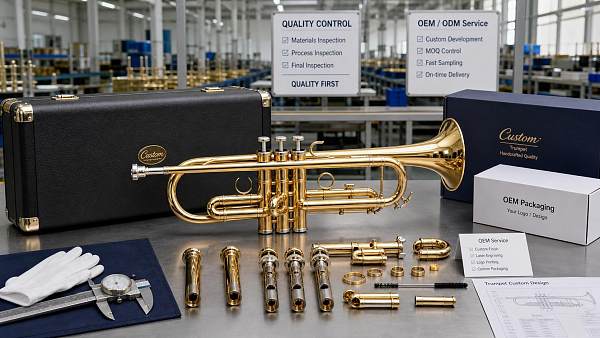
For procurement teams, brass instruments wholesale is never just a price exercise. A low quote can hide tuning inconsistency, weak plating, poor soldering, unstable lead times, or missing certifications.
In hospitality, education, retail, entertainment, and branded commercial projects, the wrong sourcing decision creates repair costs, returns, and reputation damage. Strong brass instruments wholesale planning protects budgets and user experience over time.
Why brass instruments wholesale requirements change by use scenario
Not every bulk order serves the same purpose. A student trumpet package differs greatly from a luxury lounge display set or a touring brass section supply contract.
That is why brass instruments wholesale decisions should begin with scenario mapping. Intended users, acoustic expectations, maintenance cycles, and visual presentation all affect supplier selection.
A sourcing plan becomes stronger when it connects three layers. These are functional performance, commercial durability, and delivery reliability across multiple order cycles.
- Performance: tuning stability, response, projection, and ergonomic balance
- Durability: valve life, lacquer quality, corrosion resistance, and case protection
- Supply reliability: MOQ flexibility, packaging consistency, and on-time shipping
Scenario one: education and training programs need consistency first
School bands, private academies, and training centers usually prioritize repeatability. Instruments must feel similar across units so learners develop stable embouchure and technique.
In this setting, brass instruments wholesale should focus on intonation tolerance, easy valve action, repair-friendly construction, and protective packaging for high turnover environments.
Key judgment points for education-focused orders
- Can the factory control pitch accuracy across large production runs?
- Are replacement parts available for valves, slides, water keys, and braces?
- Does the supplier provide durable cases for storage and transport?
- Can finishing withstand frequent handling by beginners?
If these points are ignored, the lowest brass instruments wholesale offer often becomes the highest lifecycle cost. Frequent repairs quickly erase early savings.
Scenario two: hospitality and commercial venues need sound plus presentation
Hotels, themed restaurants, luxury lounges, and cruise entertainment spaces buy with both performance and image in mind. Visual finish matters almost as much as tonal quality.
For these projects, brass instruments wholesale may support live performance, decorative staging, or branded guest experiences. Surface polish, color uniformity, engraving, and custom logos become critical.
What to verify for venue-driven sourcing
Ask for finish samples under different lighting. Warm indoor lighting can expose plating defects, uneven lacquer, or solder marks that seem minor in factory photos.
Also confirm storage conditions. Coastal resorts, humid kitchens, and marine entertainment spaces require stronger corrosion resistance than dry indoor venues.
Scenario three: retail and brand programs need OEM flexibility
Private label music retailers and cross-border distributors often need more than standard catalog models. They need packaging identity, logo application, model differentiation, and stable margin protection.
Here, brass instruments wholesale becomes a branding project. The supplier must handle OEM or ODM requirements without weakening production control or delaying shipment windows.
OEM checks that reduce downstream risk
- Artwork approval process for engraving, badges, and packaging
- Pilot sample lead time before mass production
- Color and finish control across repeat orders
- Carton labeling for warehouse and marketplace operations
A capable brass instruments wholesale partner should also document approved materials and process changes. Silent substitutions can damage brand consistency and trigger customer complaints.
Scenario four: performance groups need reliability under pressure
Orchestras, touring ensembles, event companies, and leisure park productions need instruments that perform reliably across rehearsals, travel, and repeated stage use.
In this scenario, brass instruments wholesale evaluation should emphasize response speed, mechanical endurance, and packaging that protects alignment during long-distance logistics.
Professional-use orders also need predictable after-sales support. Fast access to spare parts matters when one failed component can interrupt a scheduled performance.
How scenario differences change brass instruments wholesale decisions
Practical evaluation steps before signing any volume order
A disciplined sourcing process reveals whether brass instruments wholesale value is real or only appears attractive in a spreadsheet. The following steps create a stronger buying framework.
- Request multi-unit samples, not one showcase piece.
- Check tuning, valve action, slide fit, and finish uniformity.
- Review factory audit records, compliance files, and material declarations.
- Confirm packaging drop protection and humidity exposure safeguards.
- Define acceptable defect rates and rework procedures in writing.
- Match production lead times against event calendars or seasonal demand.
This process is especially important when comparing multiple brass instruments wholesale suppliers across regions. Quoted cost alone rarely reflects defect handling, communication speed, or replacement logistics.
Common mistakes that make brass instruments wholesale orders fail
One common mistake is approving a supplier from polished photos and a single discounted sample. Mass production quality may differ from sample quality without strict controls.
Another mistake is treating all brass alloys and finishes as equivalent. Material thickness, plating process, and solder quality directly influence tone, durability, and long-term appearance.
A third mistake is ignoring serviceability. Even strong instruments require maintenance. Brass instruments wholesale contracts should address spare parts, repair turnaround, and technical documentation.
Late-stage OEM changes also create avoidable risk. Revised logos, packaging, or accessories can delay shipment if approval timelines and revision limits are unclear.
Scenario-based sourcing advice that supports long-term value
- For training use, prioritize consistency, repairability, and protective cases.
- For hospitality spaces, validate finish durability under lighting and humidity.
- For retail programs, insist on controlled OEM documentation and sample approvals.
- For performance use, verify mechanical endurance and spare part response plans.
- For all scenarios, balance landed cost against defect risk and replenishment stability.
The strongest brass instruments wholesale strategy aligns specifications with the real use environment. That alignment improves user satisfaction, protects brand standards, and reduces hidden operational costs.
Next steps for more confident brass instruments wholesale planning
Before placing any large order, build a sourcing brief that defines scenario, quality thresholds, finish requirements, packaging standards, compliance expectations, and after-sales needs.
Then compare suppliers using the same decision matrix. This turns brass instruments wholesale from a price contest into a controlled commercial decision with measurable long-term value.
Global Commercial Trade supports this approach through industry-specific intelligence, sourcing analysis, and supplier evaluation perspectives for commercial buyers operating across diverse project environments.
Search News
Hot Articles
- Outdoor RidesHow to Select Leisure Park Equipment for Safe, High-Throughput Visitor AreasOct 03, 2026
- Fashion & Gem JewelryDiamond Tester Wholesale: How to Vet Accuracy, Calibration, and MOQ Before OrderingOct 02, 2026
- Hotel Room AmenitiesHow Hotels Can Choose Amenity Bottles That Balance Brand Image and Refill CostsOct 01, 2026
Popular Tags
Need ExpertConsultation?
Connect with our specialized leisureengineering team for procurementstrategies.
Recommended News
 Sep 11, 2026How to Choose Touring Instrument Cases for Flights, Trucks, and Daily Load-InsInstrument cases for touring: learn how to balance flight protection, truck durability, weight, fit, and serviceable hardware for safer, faster load-ins.● Pro Audio Engineer
 Sep 07, 2026How to Choose Wood Frame Tambourines for Sound Quality and Long-Term UseWood frame tambourines: learn how to compare frame construction, jingle tone, head options, durability, and supplier quality for reliable long-term performance.● Pro Audio Engineer
 Sep 05, 2026How Often Should Music Education Equipment Be Serviced?How often should music education equipment be serviced? Explore practical schedules, maintenance tips, and lifecycle planning to keep instruments and audio systems reliable.● Pro Audio Engineer
 Aug 21, 2026How to Choose Marching Band Drums for Sound Projection, Weight, and DurabilityMarching band drums buying guide: learn how to balance sound projection, weight, and durability for better field performance, easier carrying, and longer-lasting value.● Pro Audio Engineer
 Aug 09, 2026How to Evaluate a MIDI Cable Manufacturer for Audio Quality and OEM ReliabilityMIDI cable manufacturer evaluation guide: learn how to assess signal stability, connector quality, OEM process control, and batch consistency to reduce failures and source with confidence.● Pro Audio Engineer
 Aug 08, 2026How to Evaluate a Trumpets OEM Manufacturer for Quality, MOQ, and Custom DesignTrumpets OEM manufacturer selection starts with quality, MOQ, and custom design control. Learn how to compare suppliers, reduce sourcing risk, and choose a reliable long-term factory partner.● Pro Audio Engineer
 Jul 27, 2026How to Source Conga Drums in Bulk for Schools, Bands, and Event ProgramsConga drums bulk sourcing for schools, bands, and event programs made easier. Learn how to compare quality, durability, compliance, and total cost before you place a large order.● Pro Audio Engineer
 Jul 24, 2026How to Choose Low Dust Violin Rosin for Cleaner Practice and Better Bow ControlLow dust violin rosin buying guide: learn how to compare formula, climate fit, grip, and string compatibility for cleaner practice, better bow control, and smarter purchase decisions.● Pro Audio Engineer
 Jul 15, 2026Plastic Tambourines Bulk Buying Guide: Sizes, Materials, and MOQ QuestionsPlastic tambourines bulk buying guide covering sizes, ABS vs PP materials, sound consistency, customization, and MOQ questions to help buyers cut risk and choose the right supplier.● Pro Audio Engineer
 Jul 13, 2026Acoustic Guitars Wholesale China: How to Evaluate Build Quality and OEM OptionsAcoustic guitars wholesale China guide: learn how to assess build quality, factory consistency, and OEM options to choose reliable suppliers and reduce sourcing risk.● Pro Audio Engineer
 Jul 12, 2026Mini Effect Pedals Wholesale: MOQ, OEM Options, Testing, and Supplier ComparisonMini effect pedals wholesale guide covering MOQ, OEM options, testing standards, and supplier comparison to help buyers reduce risk, improve margins, and choose reliable partners.● Pro Audio Engineer
 Jul 11, 2026DJ Turntables OEM Guide: Key Torque, Drive, and Build Specs to CompareDJ turntables OEM guide covering torque, drive type, speed stability, platter build, and manufacturing consistency. Compare the specs that impact performance, reliability, and sourcing confidence.● Pro Audio Engineer
 Jul 08, 2026Guitar Capos Wholesale: What Materials, Clamp Types, and MOQ Terms Should You Compare?Guitar capos wholesale buying starts with more than price. Compare materials, clamp types, quality checks, and MOQ terms to reduce returns, protect margins, and choose a supplier with confidence.● Pro Audio Engineer
 Jul 07, 2026Birch Drum Kits Manufacturer Comparison: Shell Construction, Hardware Quality, and OEM OptionsBirch drum kits manufacturer comparison covering shell construction, hardware quality, and OEM options to help buyers reduce sourcing risk and choose reliable suppliers.● Pro Audio Engineer
 Jul 06, 2026Spruce Top Acoustic Guitars Explained: Tone, Wood Grades, and Who They Suit BestSpruce top acoustic guitars explained: compare tone, wood grades, and build quality to find the best fit for players, retailers, and commercial buyers.● Pro Audio Engineer
 Jun 30, 2026Xylophones and Glockenspiels: Key Differences in Range, Tone, and Classroom UseXylophones and glockenspiels compared: discover key differences in range, tone, durability, and classroom use to choose the right instrument for teaching, buying, or school programs.● Pro Audio Engineer
 Jun 25, 2026Musical Instrument Industry Report: Key Market Segments, Demand Drivers, and Price TrendsMusical instrument industry report covering key market segments, demand drivers, and price trends. Explore sourcing risks, premium growth, and where buyer demand is shifting next.● Pro Audio Engineer
 Jun 23, 2026Metronomes and Tuners Explained: Types, Key Features, and Who Needs BothMetronomes and tuners explained: compare types, key features, and who needs both. Learn how to choose the right tool for better timing, pitch, and practical daily use.● Pro Audio Engineer
 Jun 22, 2026How the Musical Instrument Industry Supply Chain Affects Lead Times, Cost, and QualityMusical instrument industry supply chain trends now shape lead times, cost, and quality. Discover how smarter sourcing and supplier transparency reduce risk and improve buying outcomes.● Pro Audio Engineer
 Jun 20, 2026DJ Headphones Wholesale Buying Guide: OEM Options, MOQ, and Audio Specs to CompareDJ headphones wholesale guide covering OEM options, MOQ strategy, and key audio specs. Compare build quality, compliance, and total cost to source smarter and reduce returns.● Pro Audio Engineer
 Jun 19, 2026Acoustic Guitars Wholesale: 7 Specs Buyers Should Compare Before Placing an OrderAcoustic guitars wholesale buyers can compare 7 key specs before ordering, from tonewoods and playability to OEM, packaging, and QC, to reduce risk and protect margins.● Pro Audio Engineer
 Jun 15, 2026Tambourines Bulk Buying Guide: Materials, Sound Quality, and Pack Size DifferencesTambourines bulk buying guide covering material choices, sound consistency, and pack size differences. Compare suppliers smarter, reduce risk, and choose the best fit for schools, retail, and events.● Pro Audio Engineer
 Jun 14, 2026Professional Musical Instruments Explained: Types, Skill Levels, and Buying CriteriaProfessional musical instruments explained: discover key types, ideal skill levels, and practical buying criteria to choose reliable, high-performance instruments with confidence.● Pro Audio Engineer
 Jun 10, 2026Drum Kits Manufacturer Comparison: What to Check Before OEM or Bulk OrdersDrum kits manufacturer comparison guide for OEM and bulk buyers: check quality, compliance, lead times, packaging, and true cost before placing large orders.● Pro Audio Engineer