Golden Horse Amusement Equipment Sees Surge in Overseas VR Ride Orders: Industry Implications
Introduction
On March 25, A-listed company Golden Horse Amusement Equipment reported a significant net inflow of main capital alongside a 142% year-on-year increase in Q1 export orders for its VR+mechanical linkage immersive amusement equipment. The surge primarily targets Southeast Asian theme parks and Middle Eastern indoor entertainment centers, signaling a shift in emerging markets toward intelligent integrated solutions with 'low space requirements and high content reusability.' This development warrants attention from amusement equipment manufacturers, theme park operators, and international trade professionals as it reflects evolving global demand patterns.
Event Overview
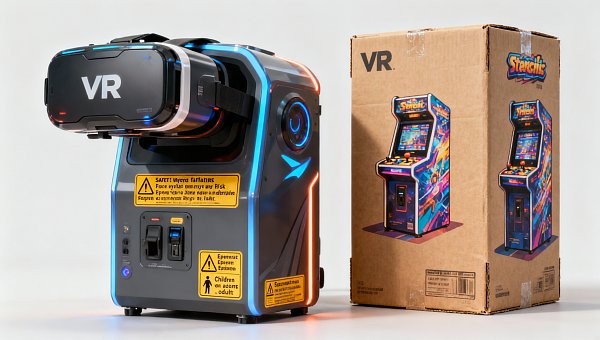
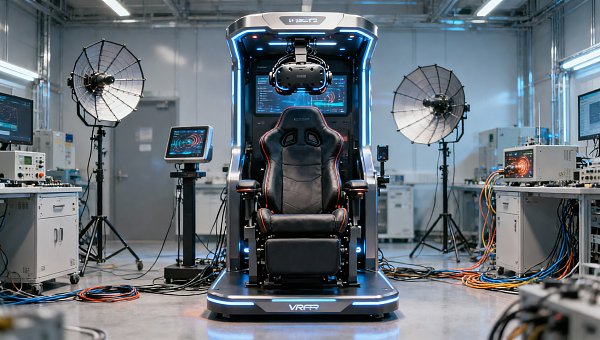
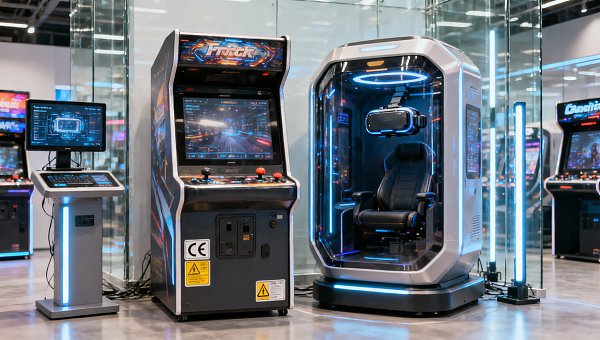
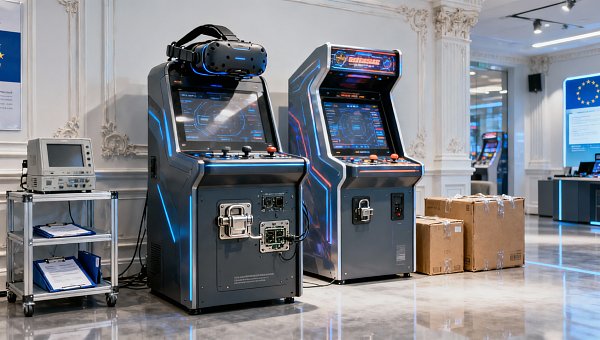
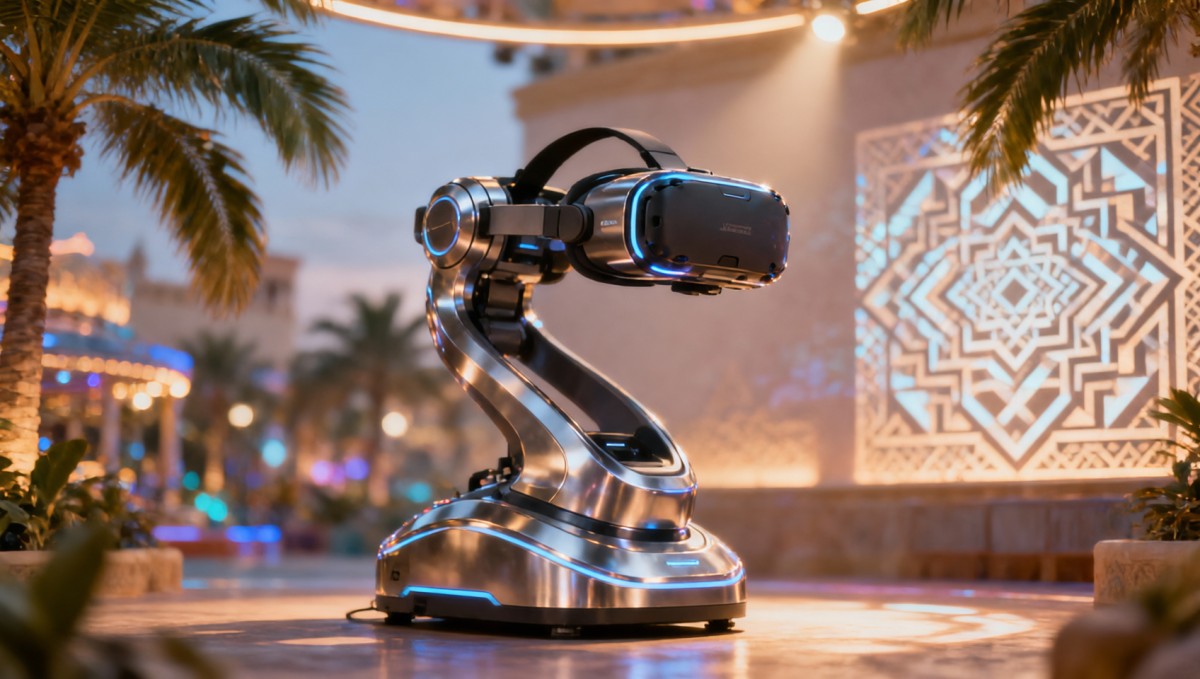
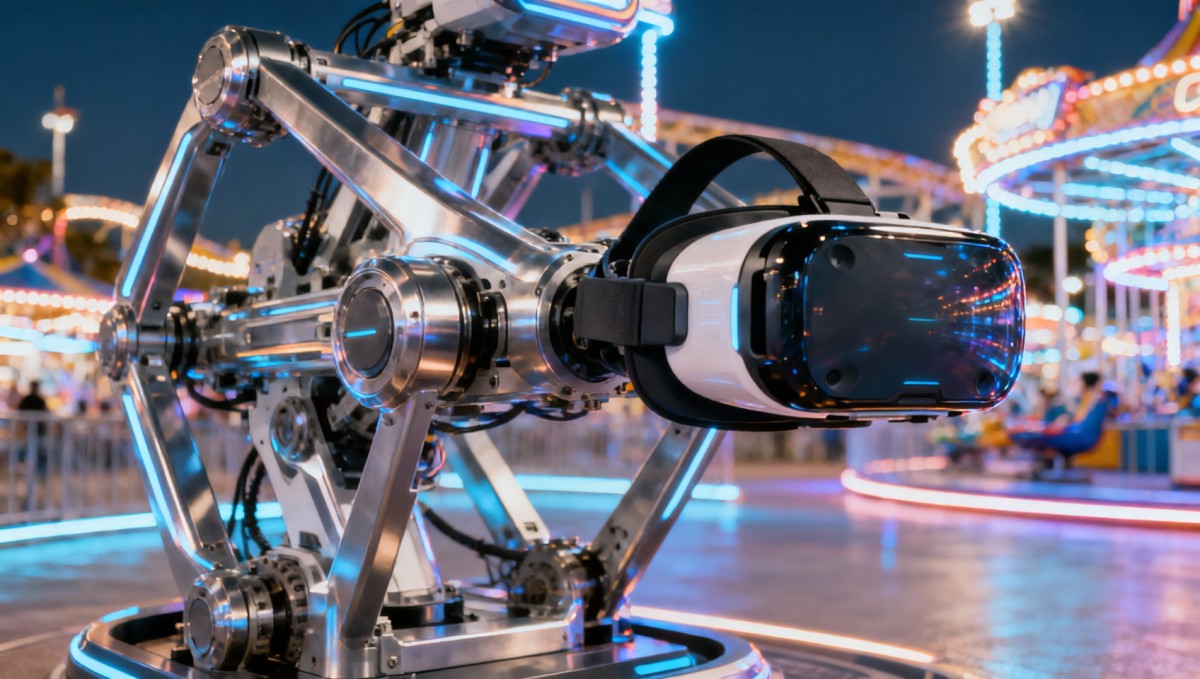
Public disclosures confirm that Golden Horse's VR-integrated mechanical rides gained substantial traction in Q1 2024, with export growth concentrated in two regions: 1) Southeast Asia's expanding theme park sector, and 2) Middle Eastern indoor FECs (Family Entertainment Centers) prioritizing space-efficient attractions. The company attributes this to the product line's dual advantages: reduced footprint requirements compared to traditional rotating rides, and dynamic content updates via VR modules.
Impact on Sub-sectors
Amusement Equipment Manufacturers
The 142% order surge validates accelerating replacement cycles for conventional rides. Manufacturers producing standalone rotating equipment may face declining demand unless integrating smart technologies. The VR+mechanical hybrid model now sets minimum expectations for export-oriented products.
International Trade Services
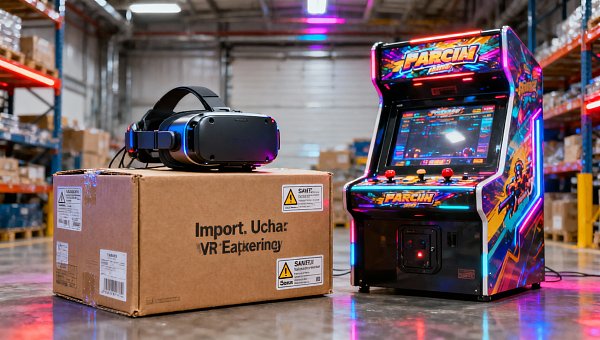
Freight forwarders and trade compliance specialists should prepare for increased shipments of modular ride systems to tropical climates (Southeast Asia) and arid regions (Middle East), requiring specialized packaging and corrosion-resistant components.
Content Development Studios
VR content producers serving the amusement sector now confront higher expectations for cross-cultural adaptability, as single content packages must appeal to diverse markets from Malaysia to Saudi Arabia.
Action Points for Stakeholders
Monitor Regional Certification Trends
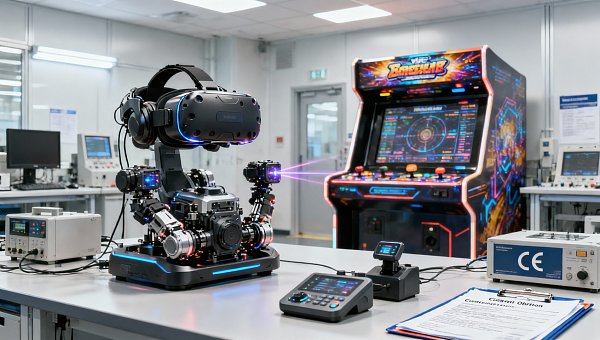
Southeast Asia's ASEAN Safety Standards and GCC conformity assessments are evolving for immersive rides. Proactively engage with testing agencies like SIRIM (Malaysia) and ESMA (UAE).
Reassess Production Line Flexibility
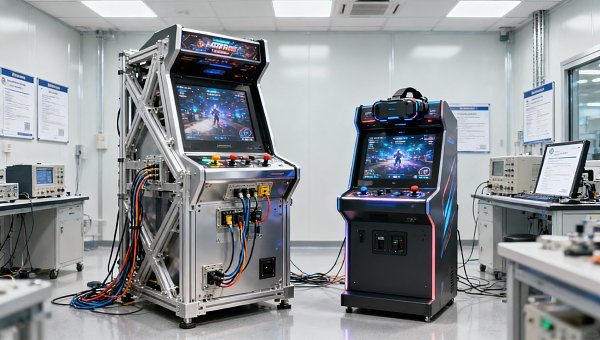
The VR+mechanical combo requires concurrent engineering of hardware durability and software stability. Factories should audit their mechatronics integration capabilities.
Localize Content Strategies
Middle Eastern clients increasingly demand culturally customized VR narratives separate from hardware procurement. Develop standalone content licensing options.
Editorial Perspective
From an industry standpoint, Golden Horse's report serves as both a market signal and validation. The 142% growth isn't isolated—it mirrors IAAPA 2023 exhibitor data showing 68% of new Asian park projects now mandate upgradable ride systems. However, this remains an early-phase transition; traditional ride manufacturers still dominate maintenance revenue streams. The critical takeaway lies in emerging markets' willingness to pay premium prices for operational efficiency (30-50% higher per square meter revenue vs. conventional rides), making this a sustainable shift rather than speculative demand.
Conclusion
Golden Horse's export performance underscores a strategic inflection point for amusement technology exports. While the VR+mechanical model demonstrates clear commercial viability, its long-term dominance will depend on content refresh cycles and regional maintenance networks. Industry participants should interpret this as a directional indicator rather than a complete market overhaul, focusing immediate efforts on technical adaptability rather than wholesale business model changes.
Source Information
• Golden Horse Amusement Equipment official disclosure (March 25, 2024)
• Pending verification: Specific order values and exact country breakdowns within Southeast Asia/Middle East regions
Search News
Hot Articles
- Restaurant FurnitureFast-Casual Restaurant Interiors: Design Choices That Improve Speed and Guest FlowOct 04, 2026
- Outdoor RidesHow to Select Leisure Park Equipment for Safe, High-Throughput Visitor AreasOct 03, 2026
- Fashion & Gem JewelryDiamond Tester Wholesale: How to Vet Accuracy, Calibration, and MOQ Before OrderingOct 02, 2026
Popular Tags
Need ExpertConsultation?
Connect with our specialized leisureengineering team for procurementstrategies.
Recommended News
 Sep 15, 2026How to Choose Coin-Operated Pool Tables for Bars, Hotels, and Arcade VenuesCoin operated pool tables for bars, hotels, and arcades: compare sizes, payment systems, durability, service access, and revenue potential.● Theme Park Strategist
 Sep 08, 2026What to Look for in a Flight Simulator Chair Manufacturer for Commercial VR CentersChoose a flight simulator chair manufacturer that delivers durable, safe, customizable seating for commercial VR centers. Explore key sourcing criteria now.● Theme Park Strategist
 Aug 25, 2026What to Evaluate Before Buying Commercial Self Service Photo Booths for VenuesCommercial self service photo booths for venues: learn how to evaluate durability, software stability, branding flexibility, support, and total ROI before you buy.● Theme Park Strategist
 Aug 23, 2026How to Evaluate Wholesale Vending Machines for Multi-Location Business DeploymentWholesale vending machines for multi-location deployment require more than low unit cost. Learn how to compare reliability, payments, telemetry, and supplier support to scale smarter.● Theme Park Strategist
 Aug 17, 2026U.S. CPSC Urges Bilingual Warnings for Arcade and VR MachinesU.S. CPSC urges bilingual safety warnings for Arcade & VR Machines—learn what exporters, importers, and distributors must do now to avoid delays and returns.● Theme Park Strategist
 Aug 16, 2026EU Enforces EN IEC 62368-1:2026 Certification for Arcade and VR MachinesEU Enforces EN IEC 62368-1:2026 certification for arcade and VR machines, reshaping EU market access, customs clearance, and compliance planning for exporters and distributors.● Theme Park Strategist
 Aug 13, 2026UFLPA’s new guidelines take effect: Exports of Arcade and VR equipment face full-link labor compliance requirementsUFLPA’s new guide takes effect: Arcade and VR machine exports to the U.S. now face full-chain labor compliance checks. Discover key risks and action steps.● Theme Park Strategist
 Aug 12, 2026EU PPWR takes effect, Arcade and VR packaging incorporate heavy metal and PFAS restrictionsEU PPWR now applies to Arcade and VR packaging, tightening heavy metal and PFAS compliance. Learn how exporters can avoid delays, fines, and customs risks.● Theme Park Strategist
 Aug 11, 2026CPSC Sets Bilingual Labels for Arcade and VR ImportsCPSC bilingual labels for arcade and VR imports become mandatory on October 1, 2026. Learn the new English-Spanish warning rules, customs risks, and key compliance steps now.● Theme Park Strategist
 Aug 10, 2026EU Rule Takes Effect for Arcade & VR Machine ClearanceArcade & VR Machine clearance in the EU now depends on EN IEC 62368-1:2026+A11:2026 compliance. Learn what changed, who is affected, and how to avoid customs delays.● Theme Park Strategist
 Aug 09, 2026CPSC Requires New Labels for Arcade and VR ImportsCPSC requires new labels for Arcade and VR imports starting Oct 1, 2026. Learn the multilingual warning rules, compliance risks, and key steps exporters and buyers must take now.● Theme Park Strategist
 Aug 08, 2026EU Entry Rule Tightens for Arcade & VR MachinesArcade & VR Machines entering the EU now face stricter CE compliance under EN IEC 62368-1:2026+A11:2026. Learn the new rule, risks, and what exporters must do now.● Theme Park Strategist
 Aug 07, 2026CPSC Notice Tightens U.S. Entry Rules for Arcade and VR MachinesCPSC Notice Tightens U.S. Entry Rules for Arcade and VR Machines: learn the new labeling, FCC, UN38.3, and compliance document requirements before October 1, 2026.● Theme Park Strategist
 Aug 06, 2026EU Rule Takes Effect for CE-UKCA Labels on Arcade & VR MachinesArcade & VR Machines face new CE-UKCA label and ECPD filing rules in the EU and UK. Learn what manufacturers, importers, and distributors must do now to avoid delays.● Theme Park Strategist
 Aug 05, 2026CPSC Recalls Arcade and VR Machines Over UL 62368-1CPSC recalls arcade and VR machines over UL 62368-1 non-compliance. Learn how this 2026 safety action may affect imports, distribution, customs clearance, and market access.● Theme Park Strategist
 Aug 02, 2026EU Sets New Certification Rule for Arcade and VR MachinesArcade and VR Machines face a new EU certification rule from Oct 1, 2026. Learn how EN IEC 62368-1:2026+A11:2026 affects CE marking, customs clearance, and market access.● Theme Park Strategist
 Aug 01, 2026CPSC Moves to Require Bilingual Warnings on Arcade and VR MachinesCPSC bilingual warnings for Arcade and VR Machines may reshape U.S. import compliance. Learn how English-Spanish labels affect packaging, customs risk, and shipment readiness.● Theme Park Strategist
 Jul 31, 2026EU Sets EN IEC 62368-1:2025 Rule for Arcade and VR MachinesEU Sets EN IEC 62368-1:2025 Rule for Arcade and VR Machines. Learn the new EU compliance deadlines, safety updates, and key actions for manufacturers, OEMs, and distributors.● Theme Park Strategist
 Jul 30, 2026CPSC Sets New Warning Label Rule for Arcade & VR MachinesCPSC sets a new warning label rule for Arcade & VR Machines effective August 15, 2026. Learn key compliance risks, multilingual label requirements, and shipment actions now.● Theme Park Strategist
 Jul 29, 2026EU Enforces New Safety Standard for Arcade and VR MachinesEU Enforces New Safety Standard for Arcade and VR Machines: learn how EN IEC 62368-1 affects CE compliance, customs clearance, and EU market access for exporters and buyers.● Theme Park Strategist
 Jul 28, 2026CPSC Sets ASTM F3472-26 Rule for Arcade & VR ImportsCPSC ASTM F3472-26 rule reshapes Arcade & VR imports to the U.S. Learn key compliance deadlines, certification risks, and what exporters, OEM/ODM suppliers, and buyers should do now.● Theme Park Strategist
 Jul 27, 2026EU Rule Takes Effect for Arcade & VR Machine CybersecurityEU Rule Takes Effect for Arcade & VR Machine Cybersecurity: learn how EN IEC 62443-3-3:2025 affects compliance, customs clearance, sales continuity, and supplier planning in the EU market.● Theme Park Strategist
 Jul 25, 2026CPSC Sets Bilingual Warning Rule for Arcade and VR ImportsCPSC bilingual warning rule for arcade and VR imports takes effect August 1, 2026. Learn how OEM/ODM exporters can avoid CBP delays, relabel shipments, and protect U.S. delivery timelines.● Theme Park Strategist
 Jul 24, 2026EU Enforces New Safety Standard for Arcade and VR MachinesEU Enforces New Safety Standard for Arcade and VR Machines: learn how EN IEC 62368-1:2026+A11:2026 reshapes EU compliance, CE documentation, testing timelines, and export readiness.● Theme Park Strategist