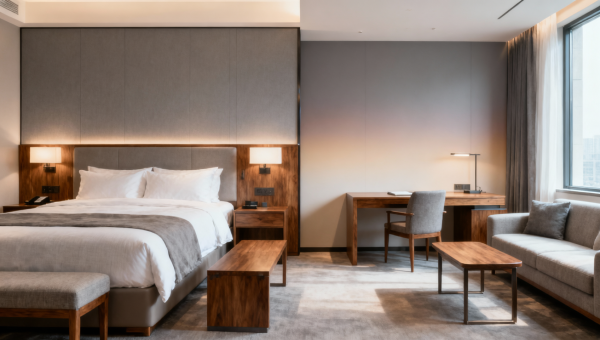
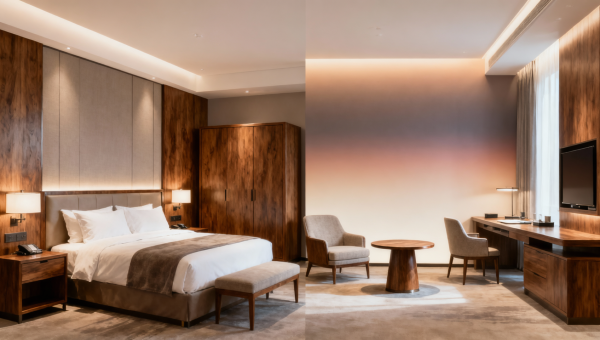
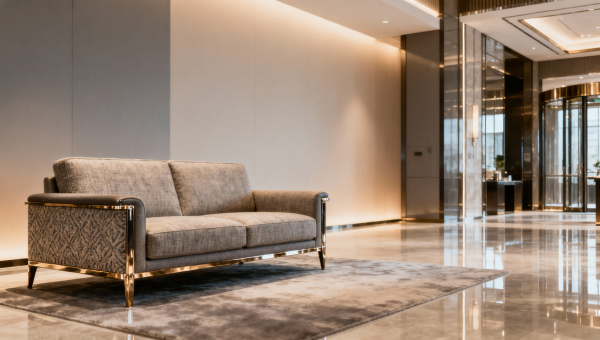
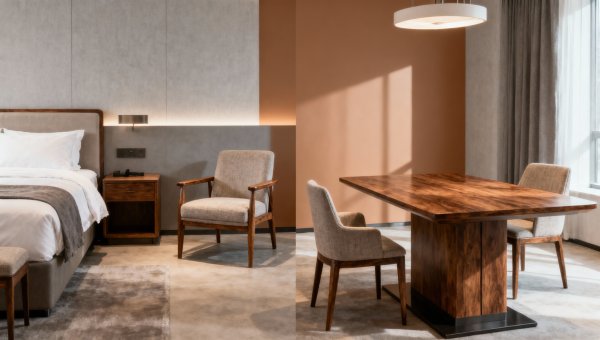
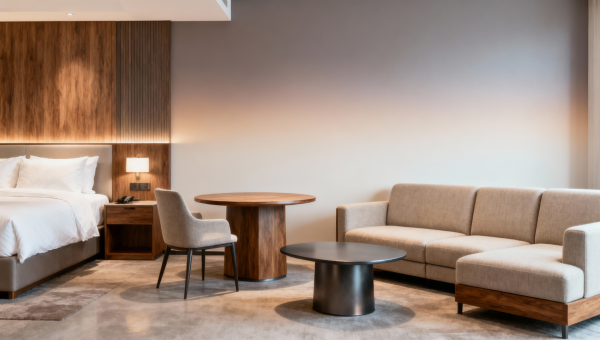
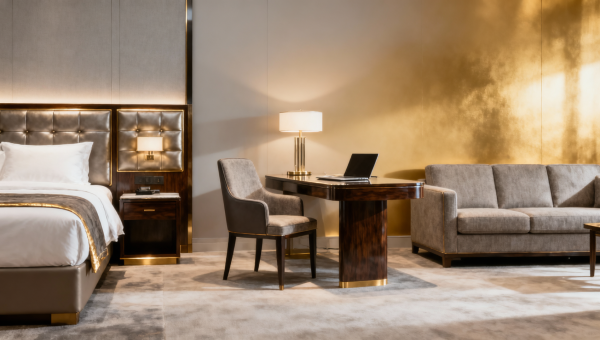
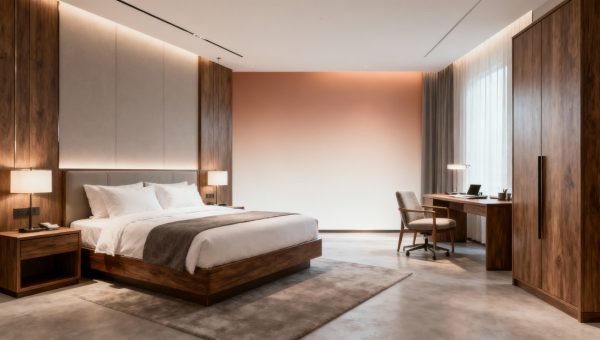
Where hotel equipment budgets usually go off track
Hotel equipment budgets often slip off course long before orders are placed. From mismatched hotel furniture and hotel beds to overlooked catering equipment, soundproofing materials, and hospitality procurement risks, small planning gaps can trigger major cost overruns. For buyers comparing luxury furniture, commercial furniture, hotel chairs, hotel tables, hotel desks, hotel sofas, and hotel room furniture, understanding where budgets fail is the first step toward smarter sourcing.
For procurement teams, distributors, and commercial evaluation managers, the issue is rarely a single overpriced item. Budgets usually break down because specifications are incomplete, supplier assumptions are inconsistent, and lifecycle costs are ignored until installation or operation begins. In hotel furniture projects, even a 5% to 8% mismatch between design intent and purchasing scope can cascade into room delays, rework, freight changes, and brand-standard conflicts.
This matters even more in hospitality, where furniture is not only a cost center but part of the guest experience. A hotel bed that fails durability expectations, a hotel desk with the wrong cable management, or hotel chairs that do not meet traffic requirements can damage both operational efficiency and perceived quality. For global buyers working across multiple regions, sourcing control depends on disciplined planning, realistic lead times, and supplier alignment from the earliest stage.
Drawing on the sourcing logic used by Global Commercial Trade in commercial experience industries, this article examines where hotel equipment and hotel furniture budgets typically go off track, how to identify budget leakage before it becomes a contract problem, and what practical controls buyers can use to protect margin, quality, and delivery.
Early scope gaps create the first budget leak
Most hotel equipment budgets fail in the pre-procurement phase, not during negotiation. At concept stage, teams often approve room counts, star-rating targets, and visual references, but leave functional detail open. That gap becomes expensive when hotel room furniture packages are later tendered without final dimensions, materials, or operating requirements. A 200-room property can easily carry 20 to 30 furniture line items per room, so even small omissions multiply quickly.
Common examples include missing bed base height, undefined veneer grade, absent fire-retardant fabric requirements, or no agreed standard for bedside charging modules. In public areas, hotel sofas, hotel tables, and hotel chairs may be priced on a decorative basis while traffic load, stain resistance, or cleanability are not specified. Once mock-up review begins, buyers discover that the initial budget covered appearance but not performance.
What tends to be omitted at budget stage
The most frequent omissions sit between design and operations. Procurement teams may receive beautiful drawings but not the practical data needed for commercial purchasing. In hotel furniture sourcing, the missing information usually falls into 4 categories: dimensions, finish system, compliance requirement, and installation condition. If one category is unclear, pricing can vary by 10% to 25% across suppliers without any real apples-to-apples comparison.
- Dimensions and tolerances: room layouts may allow only 10–20 mm installation tolerance around wardrobes, headboards, or hotel desks.
- Material build-up: plywood core, MDF, solid wood accents, HPL, veneer, and edge treatment have different costs and lead times.
- Performance needs: upholstery rub count, moisture resistance, anti-scratch finishes, and acoustic backing affect both price and lifespan.
- MEP coordination: built-in lighting, cable ports, minibars, and loose furniture clearances can change production drawings significantly.
When these details are unresolved, suppliers price contingencies into quotations. That inflates initial offers or, worse, produces unrealistically low prices that later require variation orders. Either way, the budget loses reliability. Buyers evaluating hotel beds, commercial furniture, and public-area joinery should treat early specification discipline as a direct cost-control tool rather than an administrative exercise.
The table below shows how early scope ambiguity turns into hidden cost increases across a typical hotel furniture package.
The key conclusion is simple: a budget based on unfinished scope is not a real budget. It is a placeholder. For hospitality procurement, the earlier buyers define functional requirements, the lower the risk of change orders, supplier claims, and avoidable redesign.
Wrong product alignment inflates costs across guestrooms and public areas
Another major reason hotel equipment budgets drift is product mismatch. Buyers often compare quotations line by line, but cost overruns usually come from choosing furniture that looks right on paper and performs poorly in actual hotel operations. In guestrooms, hotel beds, hotel room furniture, and bedside units need to balance brand image, durability, maintenance access, and replacement efficiency. In public spaces, commercial furniture must survive much higher daily wear than residential-style products.
The mismatch usually appears in 3 forms. First, specification is too premium for the operating model, such as overspending on handcrafted finishes in a business hotel with high room turnover. Second, specification is too light-duty for the property type, leading to frequent repairs. Third, visual consistency is prioritized over cleaning, serviceability, and modular replacement. All three cases distort capital planning and push costs into operations within the first 12 to 24 months.
Where alignment matters most
Guestroom furniture and front-of-house seating deserve the closest scrutiny because they carry both guest perception and maintenance pressure. A hotel sofa in a suite may justify premium upholstery, but the same material in a high-volume lobby lounge can create unnecessary cleaning cost. A hotel table in all-day dining should be selected differently from one used in a meeting lounge, even if the finish palette is identical.
Typical mismatch points in hotel furniture sourcing
- Hotel chairs specified for aesthetics but not for stackability, glide type, or stain resistance in banquet or breakfast settings.
- Hotel desks designed without power access, cable routing, or luggage circulation, requiring site modification after delivery.
- Luxury furniture finishes chosen for brochures but unsuitable for coastal humidity, strong cleaning chemicals, or high-touch zones.
- Hotel beds selected without considering housekeeping lift effort, caster option, or modular replacement strategy.
A practical sourcing method is to build selection around use intensity rather than room image alone. Procurement teams can divide spaces into low, medium, and high traffic categories, then assign material standards accordingly. That reduces over-engineering in quiet rooms and under-specification in active zones. In many projects, this tiered approach can improve budget accuracy by 8% to 15% while preserving brand consistency.
The comparison below helps buyers evaluate whether a furniture package is aligned with actual hotel operations.
For dealers, agents, and distributors, this is also a margin issue. When the wrong product category is quoted, claims and replacements rise, eroding both supplier credibility and downstream profitability. Better product alignment protects the budget twice: once at purchase and again during operation.
Lead time, logistics, and installation are often under-budgeted
Even when furniture specifications are correct, hotel equipment budgets can still go off track because delivery planning is too optimistic. Procurement teams frequently build budgets around ex-factory pricing and ignore the full landed cost of hotel furniture, hotel beds, and catering-adjacent equipment packages. Freight mode changes, packaging upgrades, site restrictions, and phased installation can together add a meaningful 7% to 18% above the original purchasing assumption.
Lead time compression is especially expensive. Standard production for custom hotel room furniture may take 6 to 10 weeks after shop drawing approval, but buyers sometimes approve schedules that leave only 4 to 6 weeks. That creates pressure for overtime, split shipments, or partial substitutions. If the hotel opening date is fixed, rushed logistics usually cost more than early planning.
Hidden cost layers beyond unit price
The complete cost of hospitality procurement should include at least 6 layers: production, packaging, inland transport, export handling, international freight, and on-site installation. For projects in city-center hotels, additional constraints such as lift size, delivery windows, and floor protection can change the installation method. A large headboard or banquette that cannot fit in service elevators may require sectional redesign or late-stage site assembly.
Buyers should also separate “ready for shipment” from “ready for operation.” Installed readiness depends on room sequencing, snagging, final cleaning, and owner approval. A property may receive 95% of goods on time and still miss opening because the remaining 5% includes critical room items such as bed bases, wardrobes, or reception desks.
Minimum logistics checks before order confirmation
- Confirm production lead time by item category, not by one overall project date.
- Verify packaging method for glass, stone tops, upholstered furniture, and knock-down components.
- Match delivery sequence to room release plan, usually by floor, wing, or zone.
- Check access limitations such as door size, service lift dimensions, and working-hour restrictions.
- Reserve a contingency of at least 2 to 3 weeks for customs, damage replacement, or final approvals.
The table below outlines typical timeline and cost-risk factors that are often missed during hotel furniture budgeting.
For business evaluators and sourcing managers, the lesson is clear: the cheapest quote is often the least complete logistics plan. A reliable hotel furniture budget must account for the full chain from approved drawings to guest-ready rooms.
Lifecycle cost and compliance are ignored too late
Many teams still evaluate hotel furniture primarily on purchase price, even though lifecycle cost determines the real budget outcome. A hotel chair that costs 12% less upfront but fails in 18 months is more expensive than one that lasts 5 years with routine maintenance. The same applies to hotel sofas, hotel tables, bed frames, and built-in casegoods. When buyers do not estimate maintenance, replacement, and downtime exposure, the budget appears controlled at procurement stage but weakens during operation.
Compliance is another late-stage disruptor. Fire performance, material emissions, electrical integration, and local hospitality regulations may require product adjustment after sourcing has already started. In international projects, one supplier may be suitable for appearance and price but unable to support documentation or testing expectations in the destination market. That can force substitution, retesting, or shipment hold-ups.
How operators should think about value
A practical method is to review furniture under a 3-part cost lens: acquisition cost, operating cost, and replacement cost. For example, a guestroom package should be assessed over a 3-year to 7-year cycle, depending on brand positioning and refurbishment strategy. In high-occupancy hotels, edge chipping, upholstery staining, and hardware fatigue appear faster than in lower-turnover properties, so maintenance exposure should inform the original procurement decision.
Commercial buyers should also require a document matrix before award. That matrix may include finish approvals, construction drawings, care instructions, and any required compliance declarations relevant to the market. The goal is not bureaucracy. It is to prevent the common situation where furniture is manufactured correctly for one assumption but not for the final operating environment.
Lifecycle review points for hotel furniture
- Assess replacement frequency for upholstery, tops, hardware, and impact-prone corners over 24, 36, and 60 months.
- Estimate maintenance labor: surfaces that require special treatment often increase housekeeping time across hundreds of rooms.
- Check whether parts are modular or whole-unit replacement is required.
- Review documentation readiness before production starts, not after goods are packed.
When lifecycle and compliance checks are moved forward, budget control becomes more realistic. Buyers can reject false savings earlier, compare suppliers on operational fit, and reduce the risk of expensive post-installation corrections.
A stronger sourcing framework keeps hotel furniture budgets on track
The most effective way to control hotel equipment budgets is to replace reactive purchasing with a structured sourcing framework. That means aligning design, operations, and supply chain decisions before orders are issued. In practice, procurement teams should work through a 5-step sequence: brief validation, specification lock, supplier comparison, sample approval, and delivery control. Each step reduces a different type of budget risk.
This framework is particularly useful for global hospitality groups and regional distributors handling multiple properties. Standardized evaluation creates cleaner comparisons between OEM and ODM offers, highlights hidden exclusions, and makes it easier to scale procurement across new openings or refurbishment programs. For commercial furniture, consistency in process often matters as much as consistency in product.
Recommended control points before award
Before signing any supply agreement, buyers should confirm 4 essentials: final specification pack, sample sign-off, delivery roadmap, and after-sales responsibility. If one of these remains vague, the budget is still exposed. Procurement teams should also compare at least 3 commercial dimensions side by side: base price, landed cost, and expected service life.
For GCT-oriented sourcing users, the value of this approach is not simply better price discovery. It is better decision quality. Verified supplier capability, realistic lead time evaluation, and cross-functional requirement mapping create more dependable outcomes for hotel furniture, hospitality interiors, and connected commercial equipment categories.
Practical sourcing checklist
- Freeze room typology counts and furniture matrix before quotation requests are issued.
- Build separate specifications for guestrooms, public areas, and F&B zones instead of using one generic standard.
- Request breakdowns for production, packing, freight assumptions, and installation scope.
- Test key items such as hotel beds, hotel chairs, and reception seating through mock-up or sample review.
- Reserve a contingency budget, often 5% to 10%, for approved design development and site coordination changes.
Well-managed sourcing does not eliminate every variable, but it makes overruns visible early enough to act. That is the difference between a hotel equipment budget that drifts and one that supports opening readiness, operational durability, and long-term brand value.
FAQ: questions buyers often ask before finalizing budgets
How many suppliers should be compared for hotel furniture packages?
For most mid-size and upscale projects, comparing 3 to 5 qualified suppliers is a workable range. Fewer than 3 limits commercial visibility, while too many can slow evaluation and create inconsistent submissions. The key is not volume but comparable scope and documentation quality.
What is a realistic lead time for custom hotel room furniture?
A common range is 6 to 10 weeks after final approval for custom production, plus shipping and installation time. More complex suites, public-area pieces, or mixed-material items may need longer. Buyers should also add 2 to 4 weeks for sample review and drawing revisions before production officially starts.
Which items most often trigger replacement cost after opening?
High-touch and high-load items usually surface first: hotel chairs in dining spaces, bedside tables with charging points, bed bases, and lounge upholstery. If these are under-specified, replacement or repair can appear within the first 12 to 18 months.
How can distributors add value beyond price?
Distributors and agents create stronger commercial value when they help standardize specifications, manage sample coordination, verify packaging needs, and communicate local installation constraints early. That reduces claims, protects margin, and improves repeat business with hotel groups.
Hotel equipment budgets rarely fail because buyers do not care about cost. They fail because scope, suitability, logistics, and lifecycle risk are not managed as one connected sourcing system. For hotel furniture projects, better decisions come from clearer specifications, realistic delivery planning, and product choices matched to actual hospitality use.
Global Commercial Trade supports this decision-making approach by helping commercial buyers, procurement teams, and channel partners assess suppliers, compare sourcing options, and plan for dependable project execution. If you are reviewing hotel beds, hotel room furniture, hotel chairs, hotel tables, hotel desks, or broader hospitality equipment packages, now is the right time to refine your sourcing framework.
Contact us to discuss your project scope, request a tailored sourcing plan, or explore more hotel furniture solutions built for operational performance and long-term commercial value.
Search News
Hot Articles
- Stage Lighting & TrussCCTV5 Snooker Broadcast Drives 37% Surge in Stage Lighting Export InquiriesApr 21, 2026
- Indoor PlaygroundVietnam Mandates Child Finger-Trap Sensors for Indoor Play EquipmentApr 21, 2026
- Stage Lighting & TrussGuangdong vs. Shanxi CBA Game Highlights Domestic Smart Arena LightingApr 21, 2026
Popular Tags
Need ExpertConsultation?
Connect with our specialized leisureengineering team for procurementstrategies.
Recommended News
 Apr 10, 2026RCEP Cuts ASEAN Hotel Furniture Tariffs to 0% for Chinese Bamboo ProductsRCEP cuts ASEAN hotel furniture tariffs to 0% for Chinese bamboo products. Explore how this benefits exporters, procurement teams & supply chains in Southeast Asia's booming hospitality sector.● Hospitality Sourcing Dir
 Apr 10, 2026US Hotel Association Updates 2026 Smart Room Tech Guidelines, Mandates UL 2900-2-2 CertificationUS Hotel Association mandates UL 2900-2-2 certification for smart room tech by 2026. Learn how this impacts IoT manufacturers and hotel chains' procurement strategies.● Hospitality Sourcing Dir
 Apr 10, 2026EU Mandates QR Codes for Hotel Linens: China Exporters Must Comply by April 2026EU mandates QR codes for hotel linens by 2026, impacting China's textile exporters. Learn compliance requirements for traceability, sustainability reporting, and supply chain adaptation.● Hospitality Sourcing Dir
 Apr 09, 2026Zibo Launches 'Treasure Shandong Through the Lens' Photo Tour, Themed Homestays Emerge as Cross-Border Marketing ToolDiscover Zibo's 'Treasure Shandong Through the Lens' photo tour featuring 32 themed homestays blending vintage cameras, Hanfu culture & industrial spaces. A groundbreaking cross-border marketing model attracting global influencers & platforms like Rakuten Travel.● Hospitality Sourcing Dir
 Apr 09, 2026Yangzhou Slender West Lake Flower Festival Opens, Blending Heritage and Tech for Luxury TourismDiscover the 2026 Yangzhou Slender West Lake Flower Festival, blending heritage crafts with AR technology for luxury tourism. Experience cultural performances, workshops, and themed stays attracting global travelers. Explore China's new era of experiential tourism.● Hospitality Sourcing Dir
 Apr 09, 2026New Team Travel Contracts Raise Compliance Standards for Overseas AgenciesNew team travel contracts enforce stricter compliance for overseas agencies, requiring rigorous vetting of Chinese suppliers. Learn how these 2026 regulations impact study tours, hotels, and global partnerships.● Hospitality Sourcing Dir
 Apr 09, 2026Shangyou County's Hotel Subsidy Policy Boosts China's MICE Tourism AppealShangyou County's 2026 hotel subsidy policy offers RMB 100 per room for MICE tourism, boosting China's appeal to international buyers. Discover how this strategic move enhances cost-effective accommodations for corporate events and study tours.● Hospitality Sourcing Dir
 Apr 21, 2026Open or closed hotel wardrobes for easier housekeeping?Hotel wardrobes affect housekeeping speed, guest appeal, and hospitality procurement. Compare open vs closed designs for hotel furniture, luxury furniture, and hotel room furniture planning.● Hospitality Sourcing Dir
 Apr 21, 2026Hotel wardrobes that fit luggage without wasting spaceHotel wardrobes that fit luggage smartly without wasting space—explore hotel furniture solutions that elevate hotel room furniture, support hospitality procurement, and enhance guest comfort.● Hospitality Sourcing Dir
 Apr 21, 2026Why hotel room furniture wears unevenly after openingHotel furniture wear starts unevenly from day one. Learn how hotel beds, hotel chairs, hotel desks and hotel room furniture perform in real use, with smart hospitality procurement tips.● Hospitality Sourcing Dir
 Apr 21, 2026Hotel room furniture packages that cut design mismatchHotel room furniture packages align hotel furniture, hotel beds, hotel chairs, hotel tables, and hotel desks with luxury furniture standards—reducing design mismatch and speeding hospitality procurement.● Hospitality Sourcing Dir
 Apr 21, 2026Low seat or deep seat hotel sofas for modern lobbies?Hotel furniture buyers compare low seat and deep seat hotel sofas for modern lobbies. Explore luxury furniture choices that improve comfort, traffic flow, brand image, and hospitality procurement value.● Hospitality Sourcing Dir
 Apr 21, 2026Hotel sofas that keep their shape in high traffic areasHotel sofas, hotel furniture, and hospitality furniture that keep shape in high-traffic areas—discover luxury furniture sourcing tips, durable commercial furniture specs, and smarter hospitality procurement.● Hospitality Sourcing Dir
 Apr 21, 2026Why hospitality furniture needs different specs by zoneHospitality furniture specs vary by zone. Learn how hotel furniture, hotel beds, hotel chairs, hotel tables, and hotel desks improve durability, ROI, and luxury guest experience.● Hospitality Sourcing Dir
 Apr 21, 2026Hospitality furniture that supports faster room turnoverHospitality furniture that speeds room turnover: compare hotel beds, hotel chairs, hotel tables, hotel desks and hotel sofas for easier cleaning, durability, and smarter hospitality procurement.● Hospitality Sourcing Dir
 Apr 21, 2026Where hotel equipment budgets usually go off trackHotel furniture and hotel equipment budgets often fail from hidden scope, logistics, and lifecycle costs. Learn smarter hospitality procurement for hotel beds, chairs, tables, and luxury furniture.● Hospitality Sourcing Dir
 Apr 21, 2026Hotel equipment upgrades that improve guest flow firstHotel equipment upgrades improve guest flow fast with hotel furniture, hotel beds, hotel chairs, catering equipment, and soundproofing materials—boost comfort, efficiency, and procurement ROI.● Hospitality Sourcing Dir
 Apr 21, 2026What shortens the life of commercial furniture in hotelsHotel furniture and commercial furniture wear out fast when hotel beds, hotel chairs, hotel tables, hotel desks, and hotel sofas face heavy use, poor maintenance, and weak materials. Learn smart hospitality procurement tips.● Hospitality Sourcing Dir
 Apr 21, 2026Commercial furniture trends hotels are actually adoptingCommercial furniture trends hotels are adopting: luxury furniture, hotel beds, hotel chairs, hotel tables and hotel sofas that improve hotel furniture sourcing, durability, and hospitality procurement value.● Hospitality Sourcing Dir
 Apr 21, 2026How to spot hotel furniture built for daily wearHotel furniture buying guide: learn how to assess hotel beds, hotel chairs, hotel tables, and hospitality furniture for daily wear, lower maintenance, and smarter hospitality procurement.● Hospitality Sourcing Dir
 Apr 21, 2026Hotel furniture mistakes that age a room too quicklyHotel furniture buying guide: avoid costly hotel beds, hotel chairs, and hotel room furniture mistakes. Discover luxury furniture tips for durable, brand-right hospitality procurement.● Hospitality Sourcing Dir
 Apr 21, 2026Why some soundproofing materials fail after installationLearn why soundproofing materials fail after installation in hotel furniture projects. Explore hotel beds, hotel sofas, hotel wardrobes and hospitality procurement tips for lasting acoustic performance.● Hospitality Sourcing Dir
 Apr 21, 2026Soundproofing materials that work best between guest roomsSoundproofing materials for hotel furniture projects: discover the best systems between guest rooms, from mineral wool to acoustic doors, to improve comfort, protect reviews, and support hospitality procurement.● Hospitality Sourcing Dir
 Apr 21, 2026How firm should hotel beds be for mixed guest profiles?Hotel beds for mixed guest profiles: learn how hotel furniture and hospitality procurement teams balance comfort, durability, and luxury furniture standards to improve guest satisfaction.● Hospitality Sourcing Dir